Unlock Unlimited Apparel Potential: Why a DTF Printing Machine Is the Choice for Global Printers

The printing world has a new undisputed champion. For years, you had to choose between the soft feel of DTG, the durability of screen printing, or the versatility of sublimation.
Not anymore.
Enter Direct-to-Film (DTF) printing — the technology that erases every limitation. Whether you’re in Cairo, Chicago, or Chennai, DTF is helping print shops explode their product catalogs and maximize profit margins.
If you haven’t added a DTF printer to your workshop, you are literally printing money and throwing it away.
What is DTF Printing? (And why is everyone switching?)
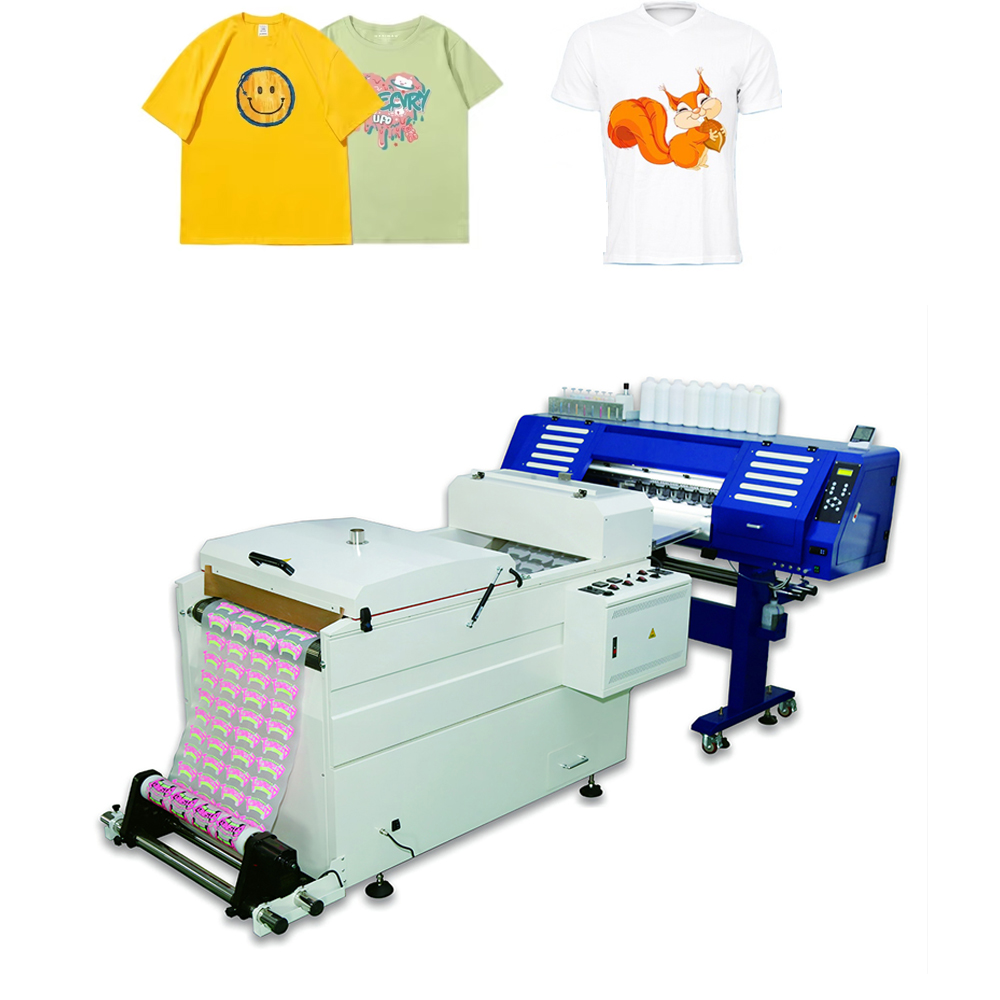
DTF is brilliantly simple: You print a design onto a special PET film, dust it with adhesive powder, cure it, and then heat-press it onto any garment.
No pretreatment. No fabric restrictions. No complex color management.
The result? A vibrant, stretchable, wash-resistant transfer that works on anything — cotton, polyester, blends, silk, denim, leather, canvas bags, and even hard surfaces like wood or acrylic.
7 Reasons Global Customers Are Ditching Old Tech for DTF
- Any Fabric. Any Color. Any Time.
· Light garments? Perfect.
· Dark garments? Even better (white ink is standard).
· Nylon jackets? Yes.
· 100% Polyester sportswear? Absolutely — no polyurethane coating needed like sublimation.
DTF laughs at fabric limitations. You never lose a sale because “that material doesn’t work with my machine.”
- Zero Pretreatment. Zero Mess.
DTG requires spraying nasty pretreatment chemicals on dark shirts — adding time, cost, and inconsistent results. DTF requires none.
· No pre-treatment machine.
· No wet sticky shirts.
· No uneven white patches.
· Just print, powder, press, peel — perfect every time.
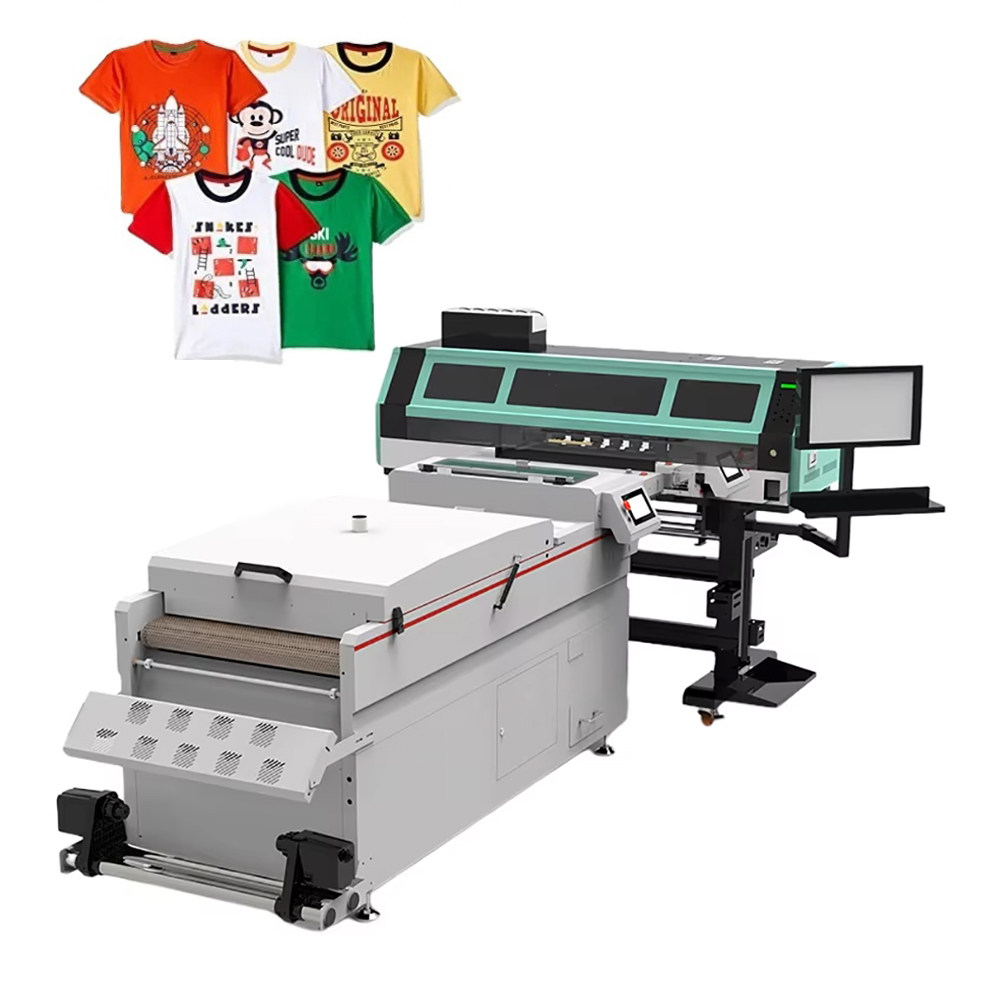
- Insane Durability (Beats Screen Printing?)
Modern DTF transfers withstand 50+ industrial wash cycles without cracking or fading. The adhesive powder fuses into the fabric fibers, creating a bond that stretches with the garment — unlike screen printing that can crack on stretchy fabrics.
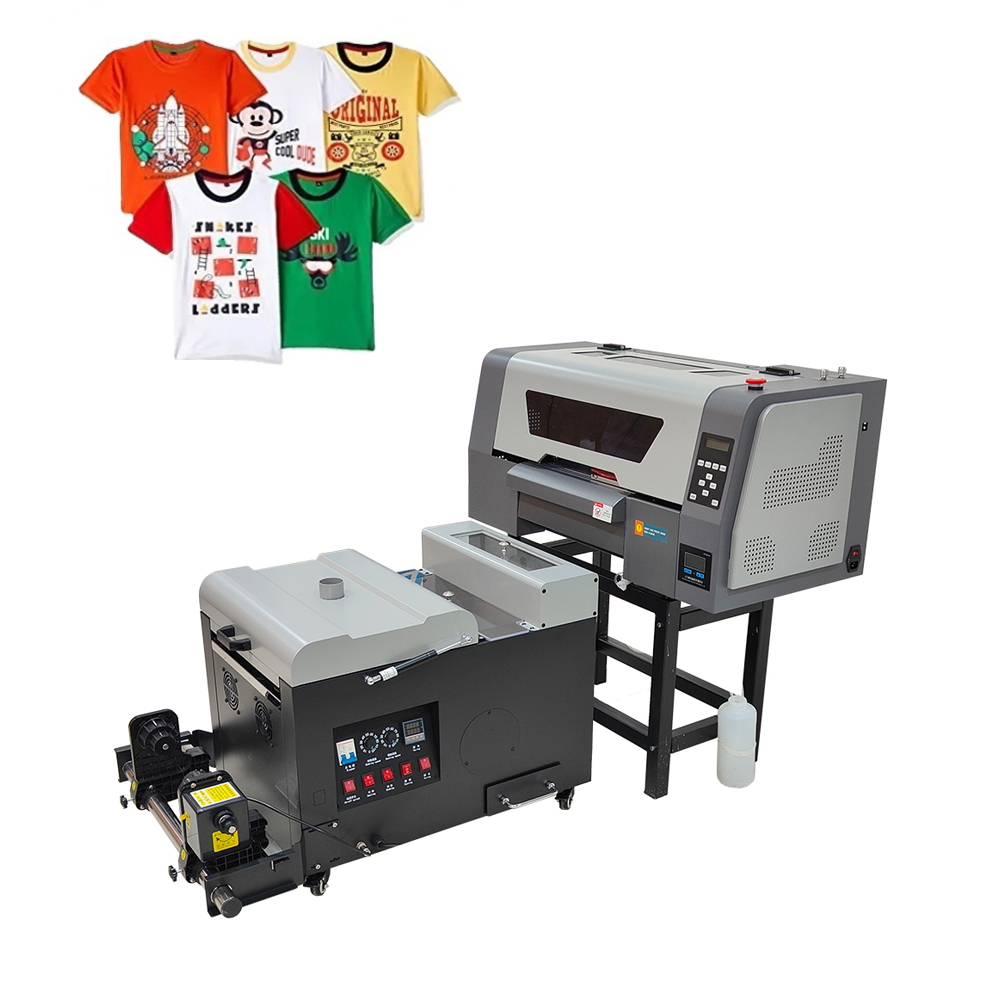
- Tiny Footprint, Massive Output
A single DTF printer + powder shaker + heat press fits in a corner of your shop. Yet one operator can produce 50–100 transfers per hour. It’s the highest ROI per square foot in the industry.
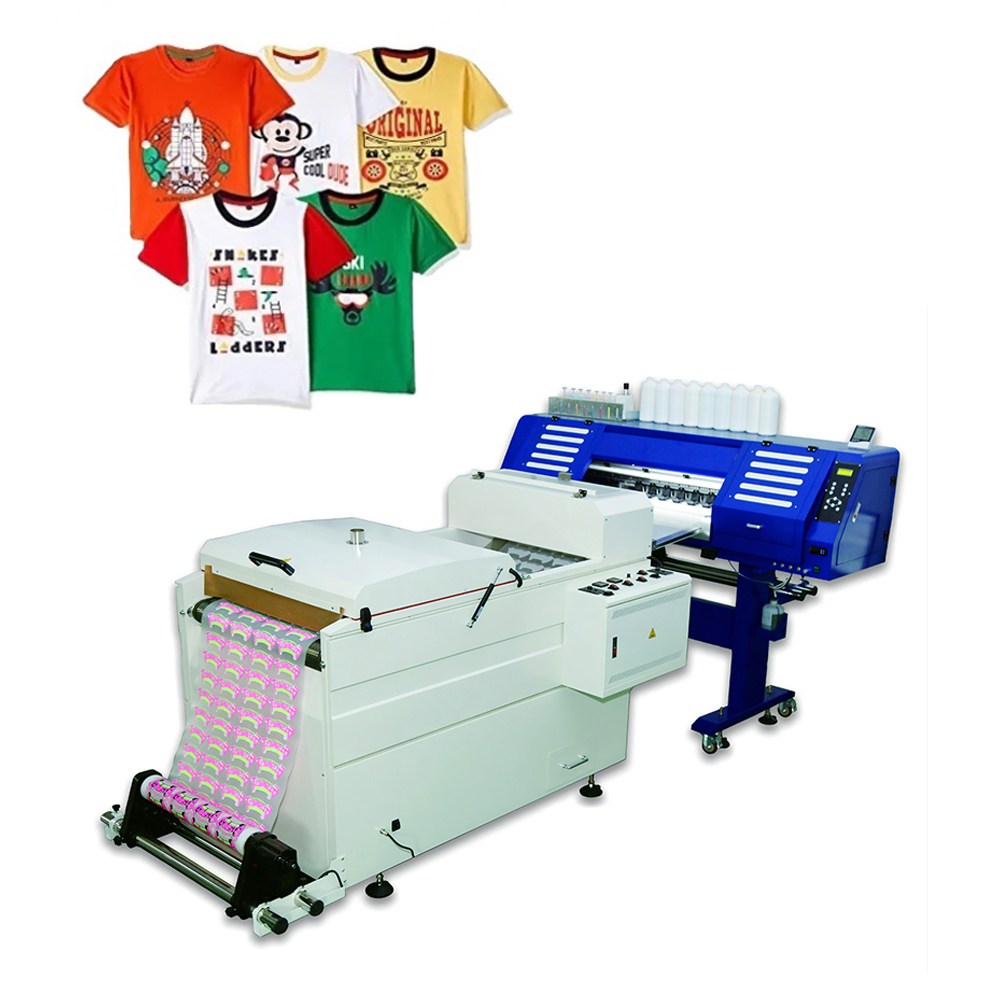
- No Minimum Order. Maximum Profit.
Screen printing demands 24–48 units to be profitable. DTF costs pennies to set up.
· Need 1 shirt? Profitable.
· Need 10,000 transfers to sell online? Run them overnight.
· Offer “any design, any quantity” — and watch your competitors lose those customers.
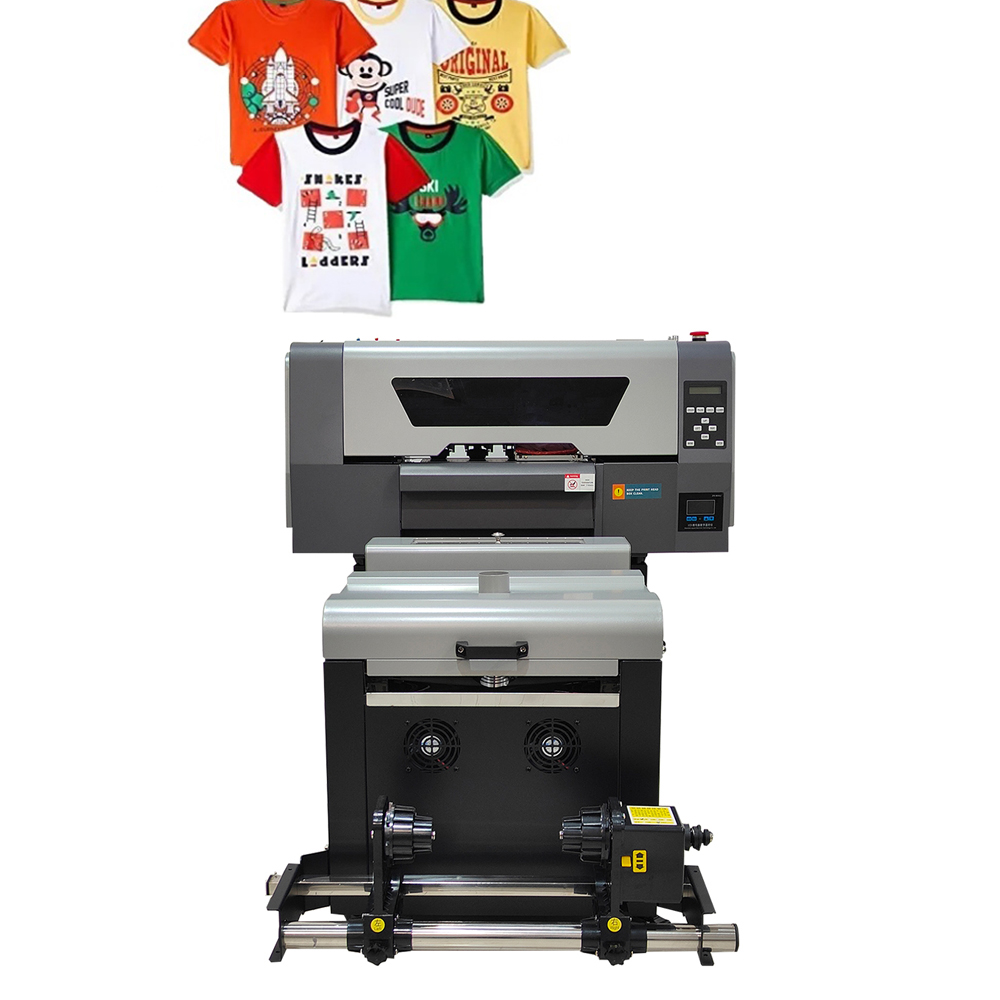
- Master Complex Designs (Including White Ink)
Photographic images, tiny text, 3D puff effects, glitter, foil — DTF handles it all with brilliant white ink opacity. Unlike DTG, the white layer goes down first, fully opaque, so colors pop on black leather or red polyester.
- Pre-make Transfers. Print-on-Demand Later.
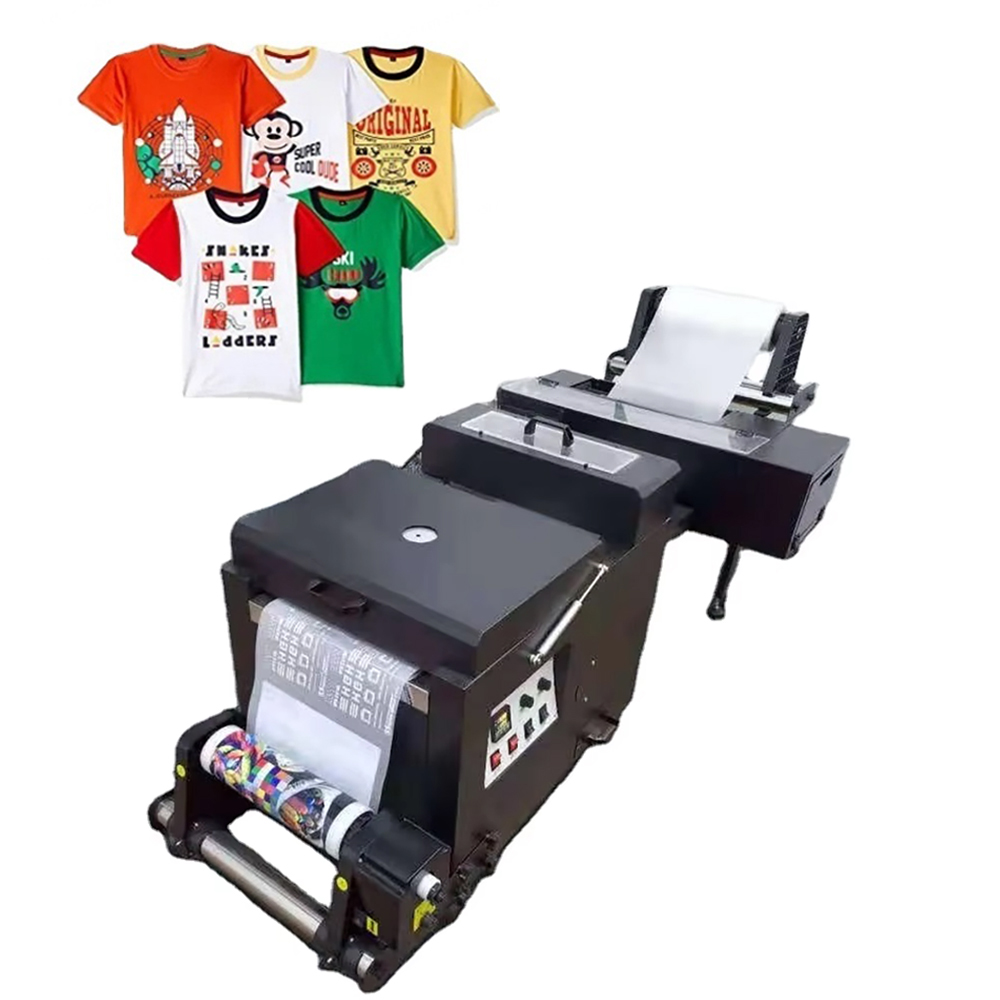
Here’s the game-changer: Print 500 transfers today — store them on a shelf — and apply them one by one as orders come in.
· No rush production.
· No machine downtime during events.
· Ship transfers worldwide to fulfillment partners.
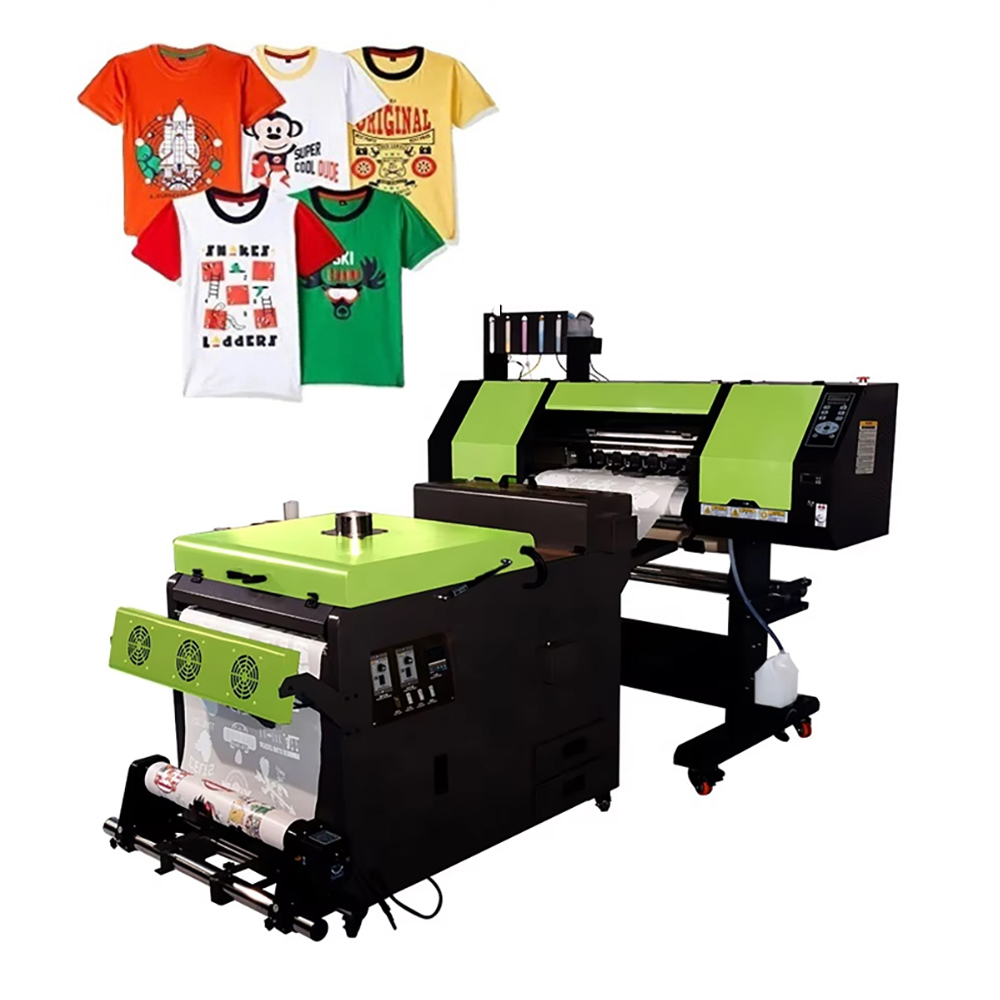
DTG vs. Screen vs. Sublimation vs. DTF — The Truth
Feature DTG Screen Print Sublimation DTF
Works on dark shirts ✅ (with pretreatment) ✅ ❌ ✅
Works on 100% polyester ❌ ✅ ✅ (needs poly coating) ✅
Works on cotton ✅ ✅ ❌ ✅
Works on nylon/leather ❌ ✅ ❌ ✅
No pretreatment ❌ ✅ ✅ ✅
One-off profitable ✅ ❌ ✅ ✅
Soft hand feel ✅ ❌ ✅ ✅
Stretchable prints ❌ ❌ ✅ ✅
Bottom line: DTF doesn’t replace every method — but it replaces 80% of the jobs you used to turn away.
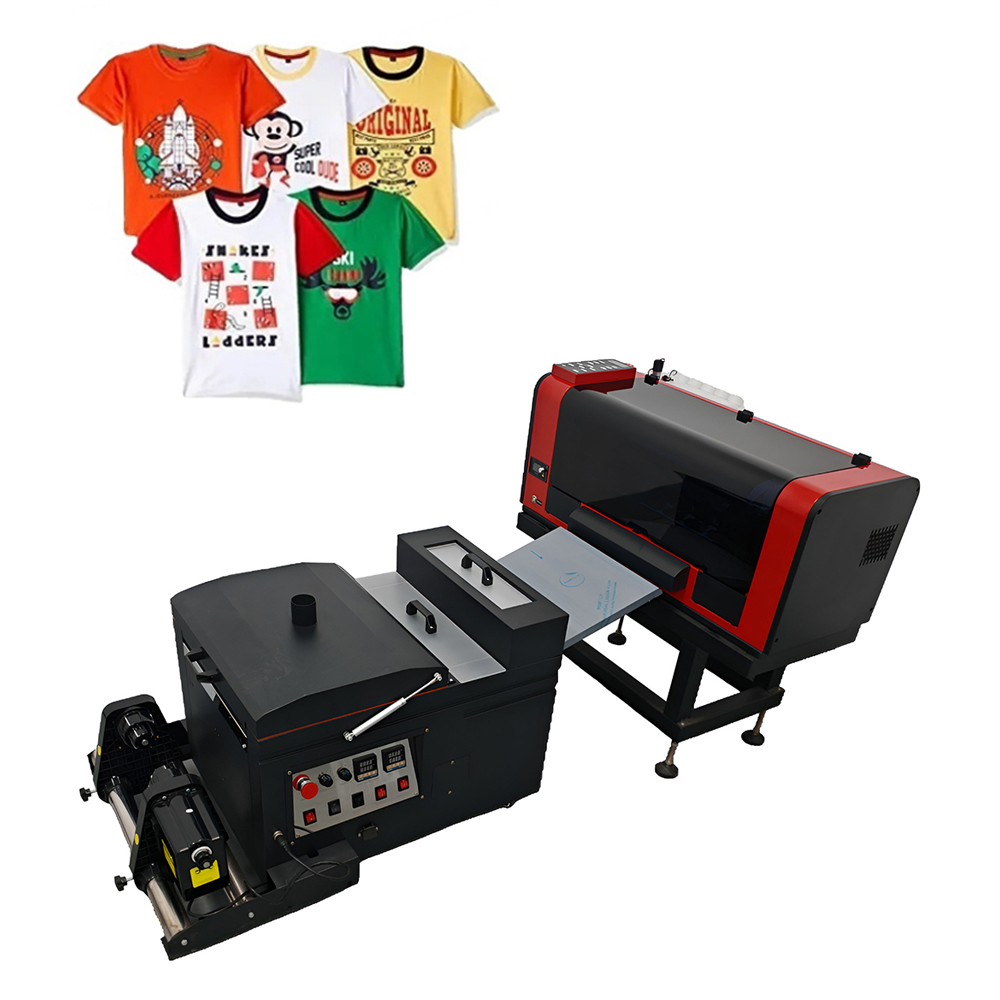
Real-World Success: Who’s buying DTF machines?
· Small home-based printers: Print transfers at night, press in the morning. No warehouse needed.
· Sportswear brands: Logos on jerseys, numbers on shorts — any color, any fabric.
· Bag & shoe decorators: Leather, canvas, synthetic — DTF sticks where others fail.
· Print-on-demand suppliers: Produce transfers in bulk for Etsy sellers worldwide.
· Event merch vendors: Pre-print 100 transfers, press on-site in 15 seconds per shirt.
What to look for in your DTF machine (Global Buyer’s Guide)
⚠️ Not all DTF printers are created equal. Avoid cheap desktop toys.
✅ Printer type:
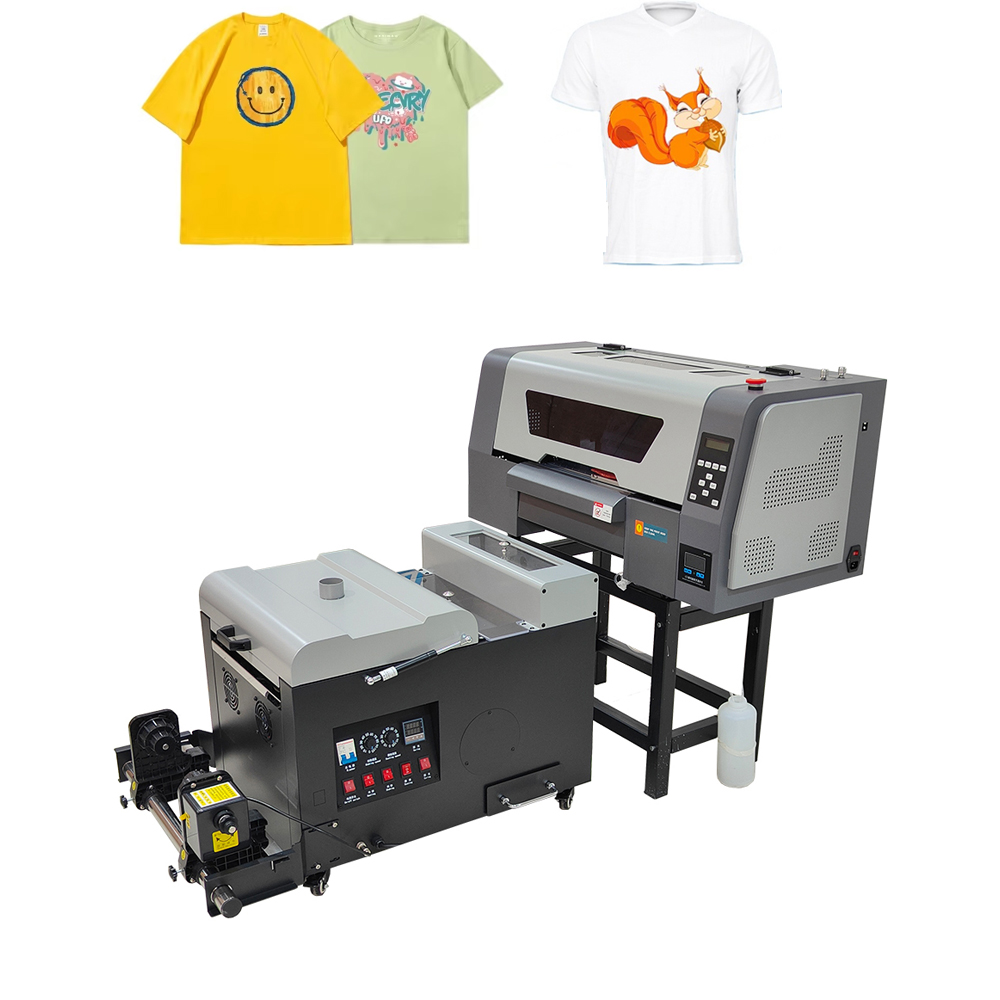
· Desktop (A3/A4) – For entry-level (<30 transfers/day).
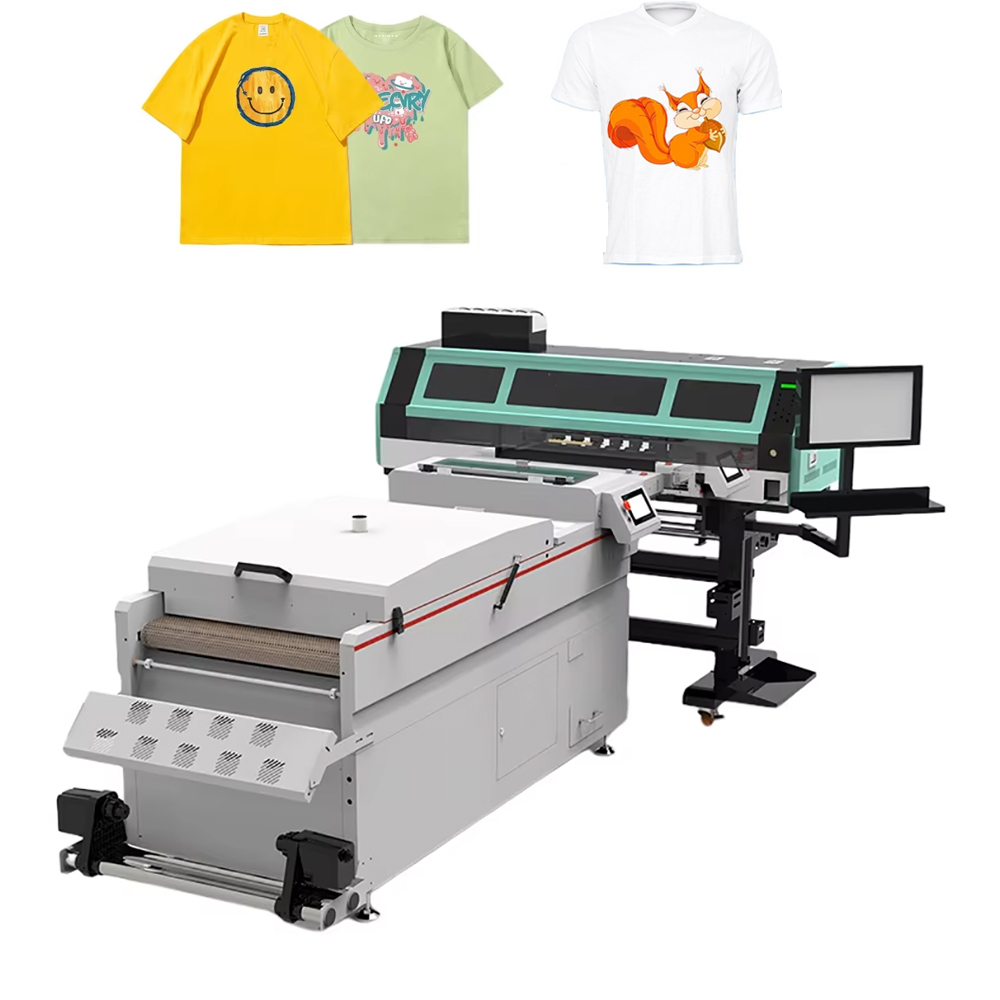
· Industrial (30cm – 60cm width) – For high-volume production with bulk ink systems.
✅ White ink circulation:
DTF white ink is heavy. You need automatic circulation, vibration, or shaking to prevent settling. Ask before you buy.
✅ Powder shaker & curing oven:
Manual shaking is slow and messy. A dedicated shaker/dryer combo doubles your speed.
✅ Ink quality:
Cheap ink leads to cracking and bleeding. Look for high-elasticity adhesive powder and premium CMYK + White inks.
✅ RIP software:
Does the package include a RIP (e.g., CADlink, Flexi, or proprietary)? Without it, you can’t control white ink underbase or gradients.
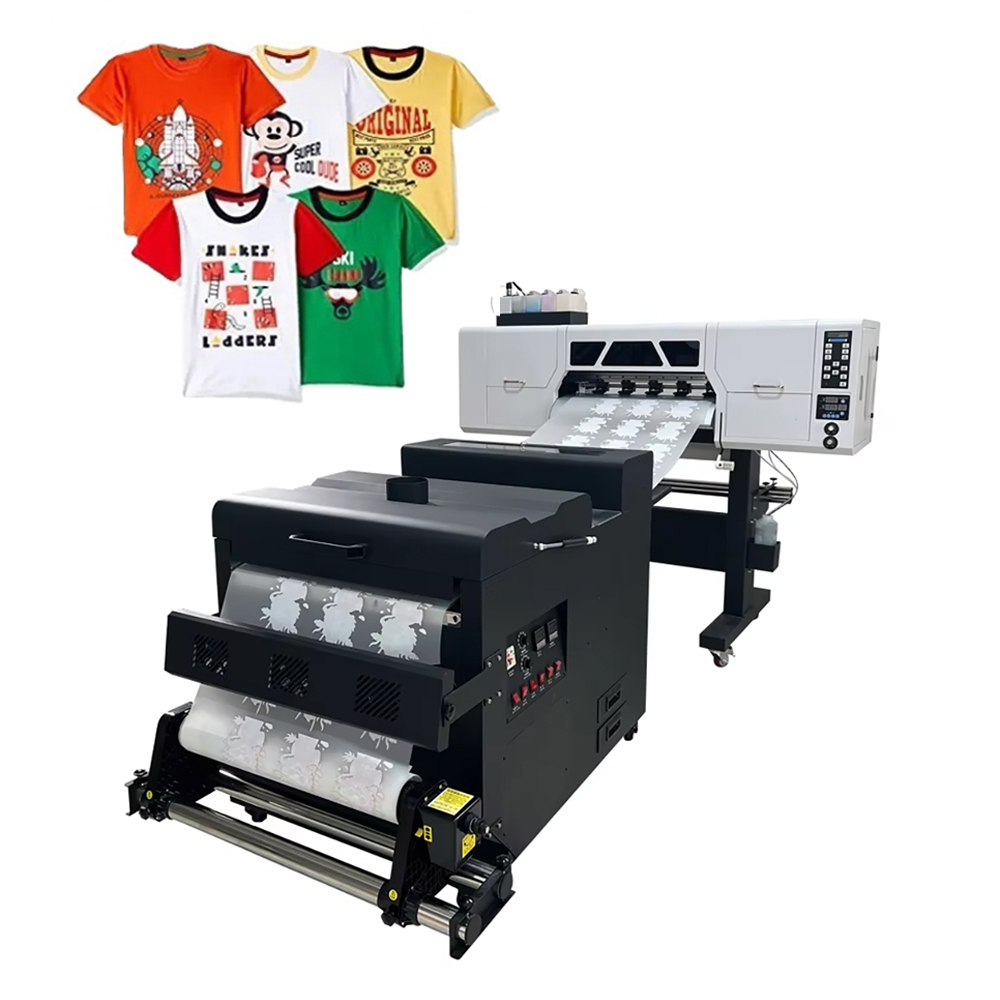
The ROI: How fast do you recover your investment?
Let’s keep it real (USD example):
· Cost per transfer (ink + film + powder + electricity): $0.50 – $1.20
· Market price per applied transfer: $8 – $15 (or $25–40 per custom shirt)
· Gross margin per shirt: 85%+
Print just 10 shirts per day at $25 each = $250 daily revenue.
A full DTF system ($5,000–12,000) pays for itself in 2–4 months.
Ready to say “YES” to every customer?
No more “Sorry, I can’t print on that jacket.”
No more “The minimum is 24 pieces.”
No more pretreatment headaches.
With a DTF printing machine, you become the printer who never turns away an order. That reputation alone will double your business within a year.
Stop limiting your materials. Start dominating every fabric.
