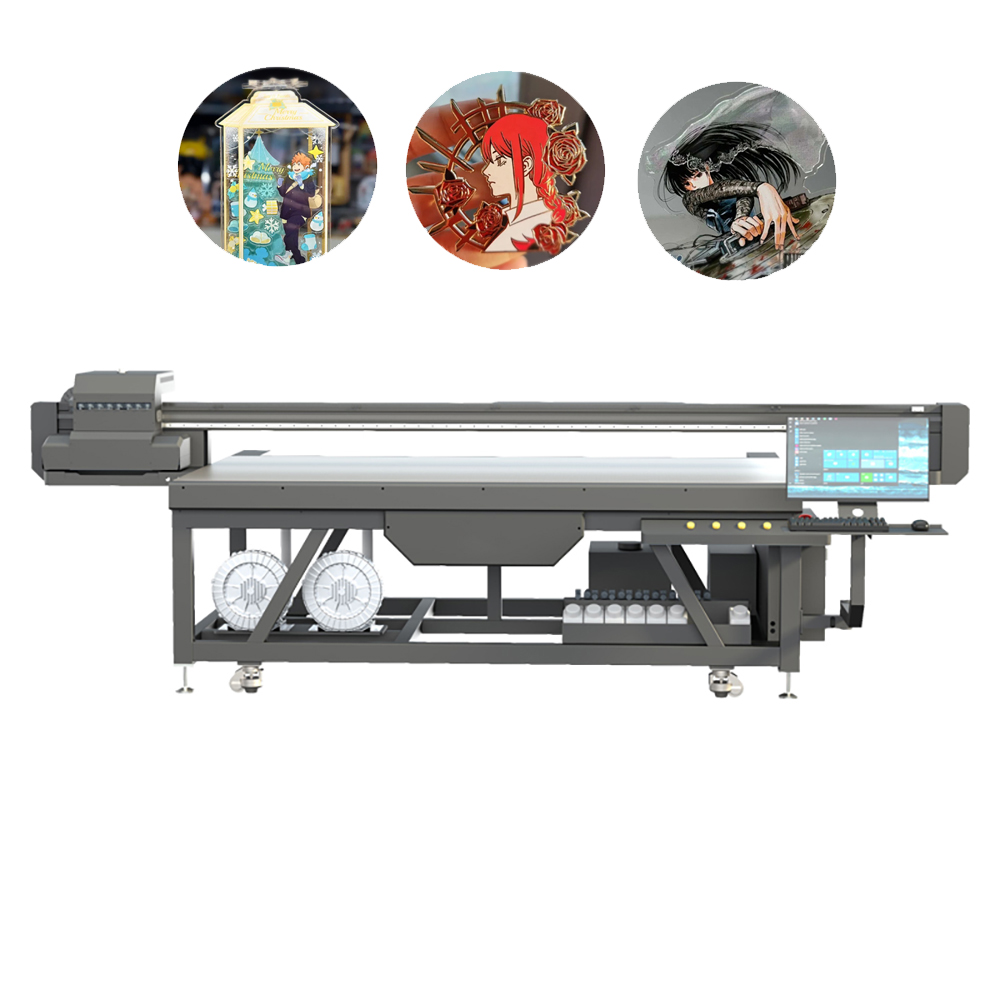
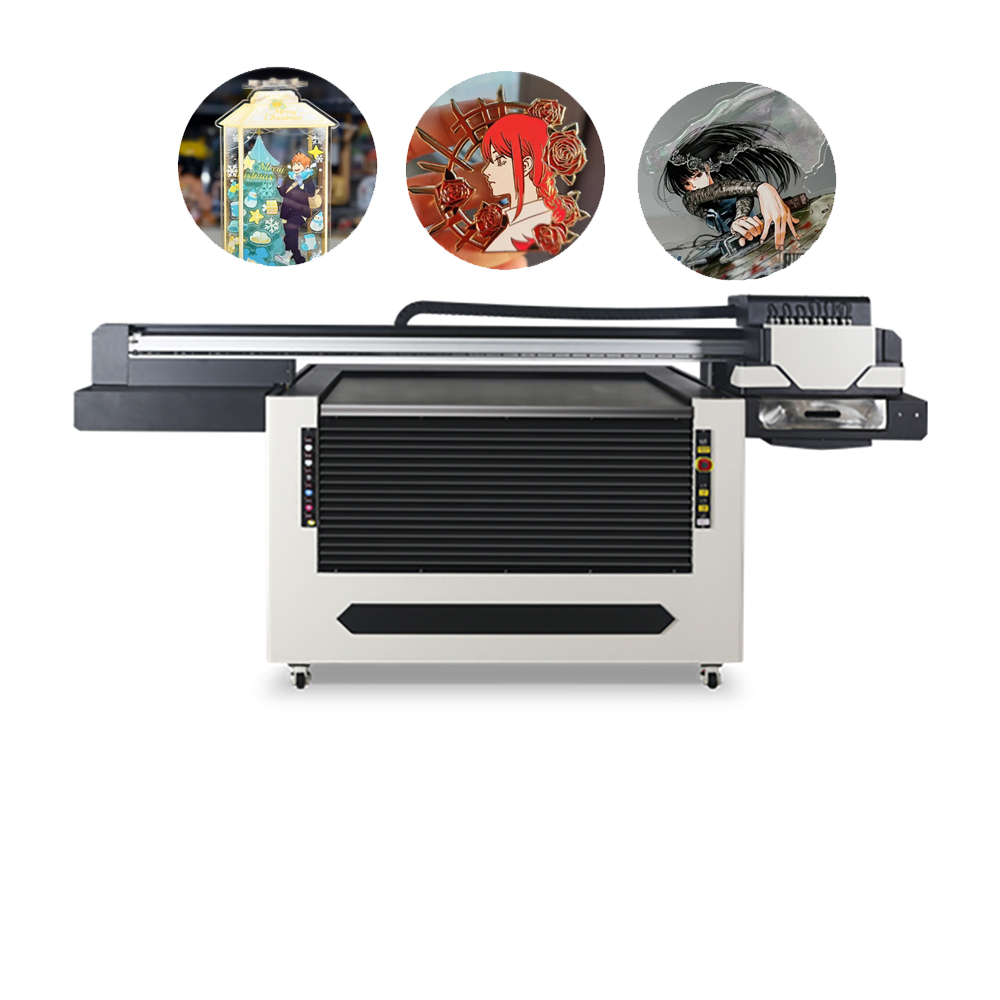
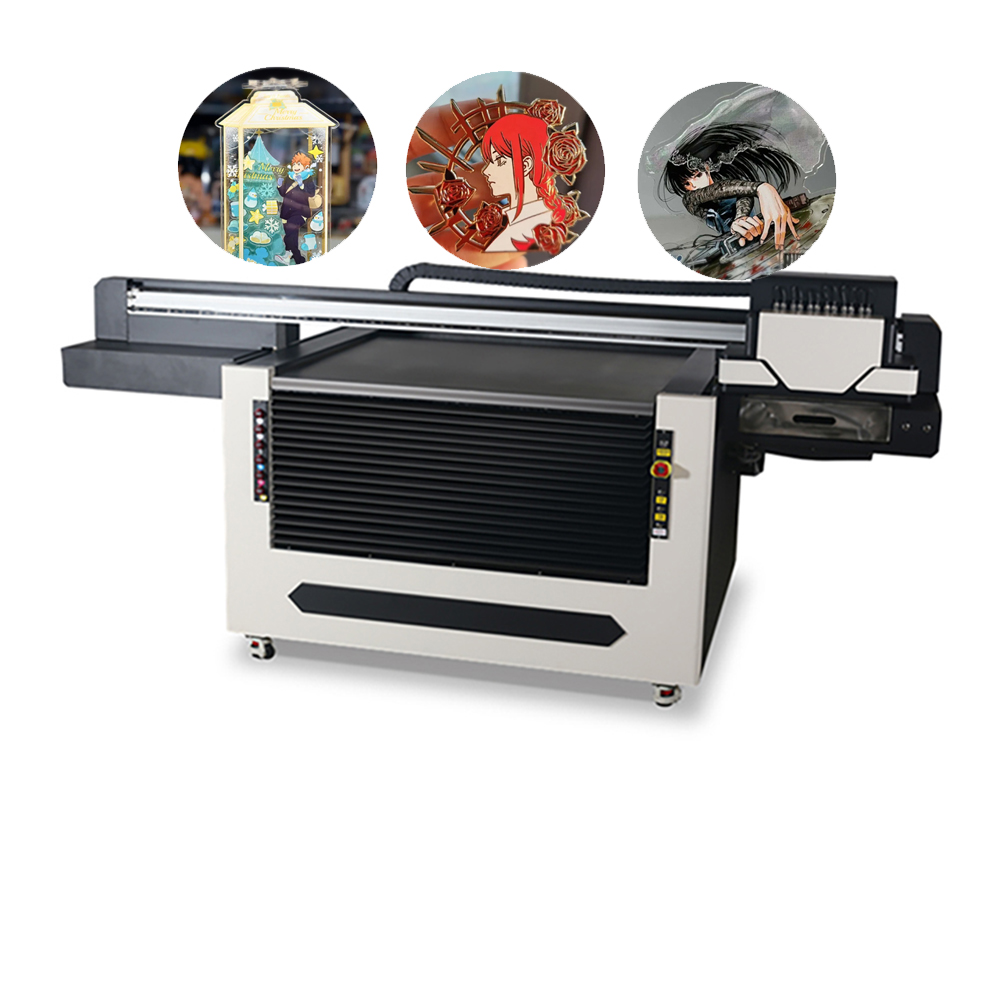
The UV Printer 1612: Your Industrial-Scale Ticket to Printing on Anything – Glass, Wood, Acrylic

The Million-Dollar Question: What If You Could Print on Anything?
A customer walks in with a wooden cutting board. Another wants 50 acrylic trophies. A third brings a box of golf balls. A fourth needs a full 4′ x 4′ aluminum signage panel.
With screen printing? Impossible without expensive jigs and screens.
With DTG or DTF? Garments only.
With vinyl wraps? Hours of labor and wasted material.
With a UV Printer 1612, you just place the object on the flatbed and press “print.”
No pre-treatment. No drying time. No setup fees.
UV ink cures instantly under built-in LED lamps, bonding to virtually any surface – flat or slightly textured – up to 12cm (4.7 inches) thick.
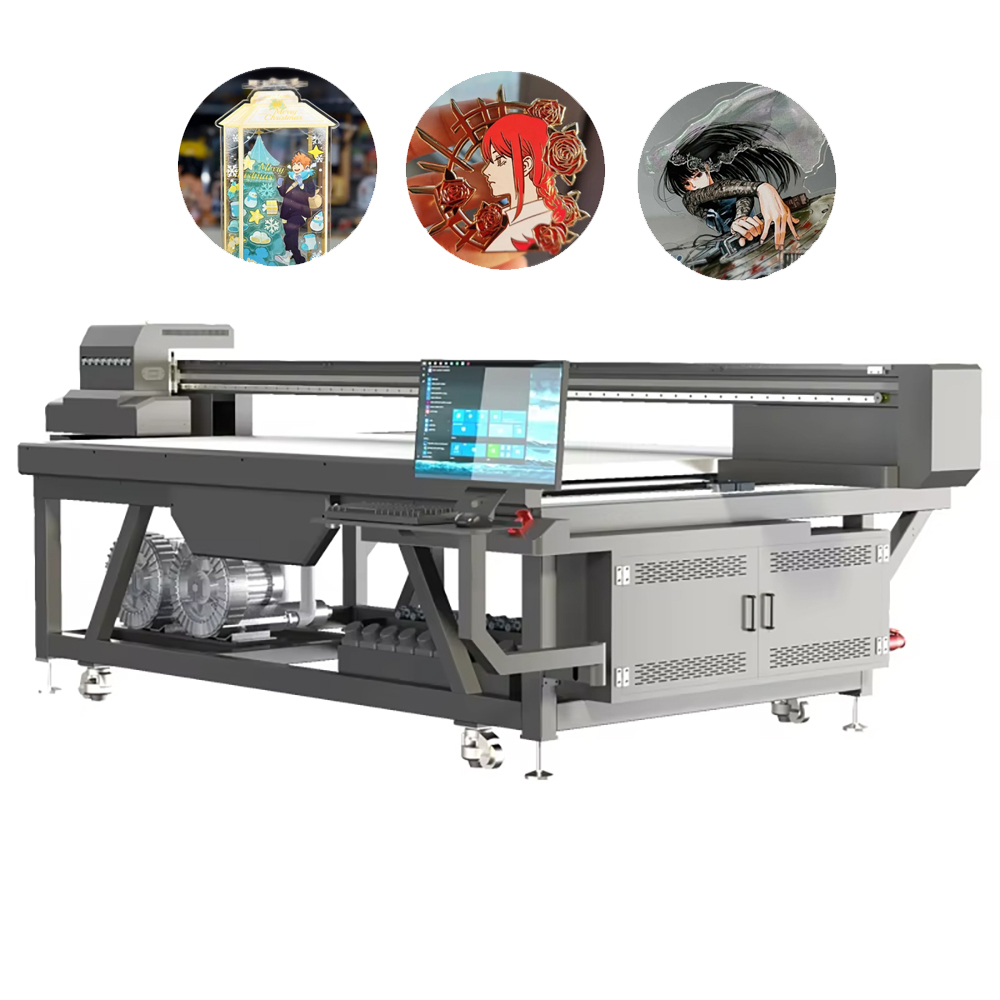
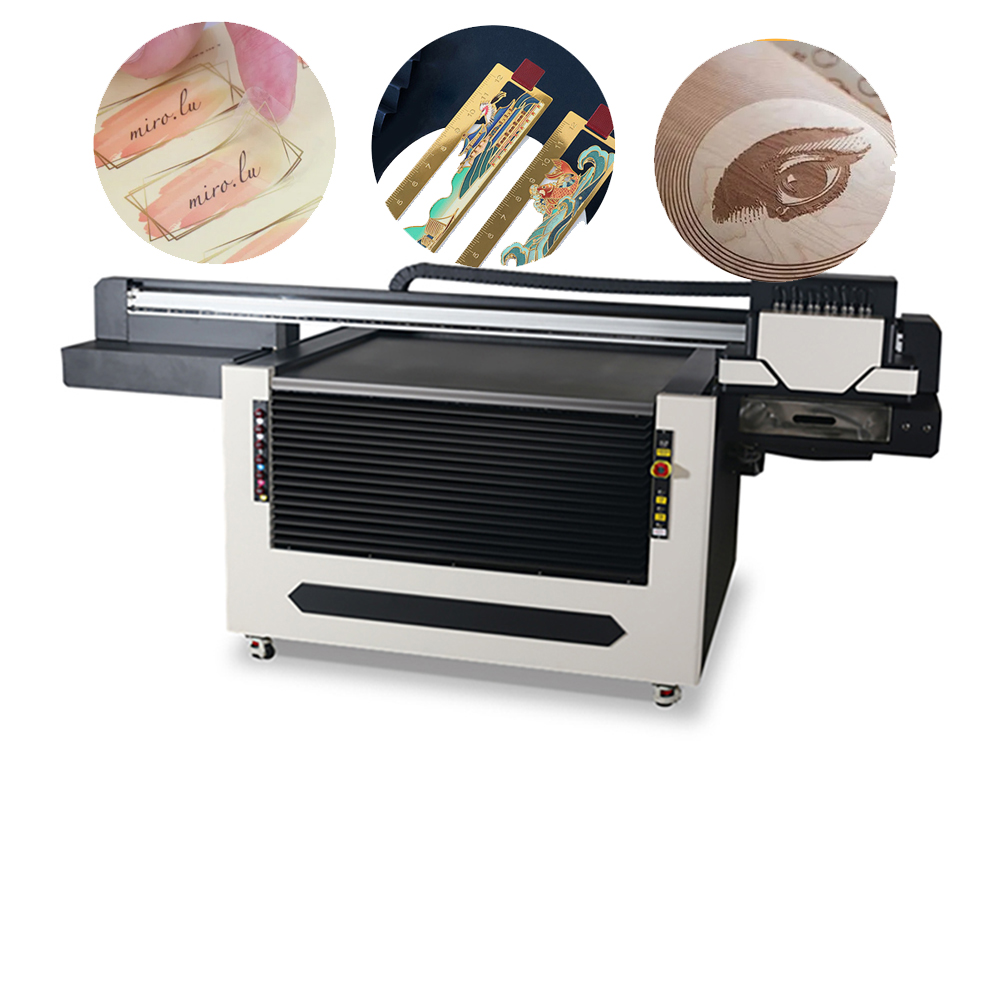
The 1612 format (160cm x 120cm / 63″ x 47″) is the global sweet spot: large enough for industrial signage, small enough for a workshop or garage studio. And it is attracting serious business owners from Shanghai to São Paulo.
Why Global Entrepreneurs Are Investing in UV Flatbed Printing
Here is what the UV Printer 1612 delivers that no other printing method can match:
- Universal Material Compatibility – No Exceptions
UV printing is substrate-agnostic. If you can place it on the flatbed (or feed it through the roll-to-roll option), you can print on it:
· Rigid materials: Acrylic, PVC foam board, aluminum composite panel (ACP), glass, wood, MDF, ceramic tile, stone, leather, cardboard, honeycomb board.
· Flexible materials: Vinyl, banner mesh, canvas, polyester fabric (with roll kit).
· 3D objects (jigs required): Phone cases, bottles, pens, golf balls, promotional items.
No coatings, no primers, no flame treatment required for most materials. The UV light polymerizes the ink instantly, creating a scratch-resistant, waterproof, UV-stable finish.
- CMYK + White + Varnish (The Money-Making Combo)
A professional 1612 printer includes layers:
· CMYK: Full color gamut for photos, logos, and gradients.
· White ink: Essential for transparent or dark materials. Print white as a base layer (under CMYK) or as a standalone spot color.
· Varnish (Gloss/Matte): Add a raised, textured effect. Create braille signage, embossed logos, or protective overcoats.
Example: Print a full-color photo onto clear acrylic. White base makes colors pop. Varnish adds a glossy rim. Result? A gallery-ready display that sells for $150+.
- Instant Curing = Immediate Production
No drying racks. No heat tunnels. No smudging.
UV ink cures in milliseconds under the LED lamps. You print, you pull, you pack. This enables:
· Same-day rush orders (wedding signs, trade show displays).
· High-volume production (60-100 A4 panels per hour).
· No VOC emissions (environmentally friendly, safe for indoor use).
- No Setup Fees, No Minimum Orders
Screen printing a 4′ x 8′ aluminum sign costs $300+ in screens and setup.
UV printing? Load the file, load the sheet, print.
Print one sign or one hundred – your cost per piece remains linear.
This unlocks the “micro-bulk” and “prototype” markets that screen printers ignore.
Technical Specifications That Matter to Global Buyers
Specification Typical 1612 UV Printer Why It Matters
Print Size 1600mm x 1200mm (63″ x 47″) Fits a standard 4×4′ plywood sheet or 4′ x 8′ cut in half.
Print Height 0 – 120mm (0 – 4.7″) Print on boxed products, thick foam boards, or assembled items.
Printhead 2-6 pcs Ricoh Gen5 / Epson I3200 / Konica Minolta Industrial printheads (not desktop conversions). Last 20,000+ hours.
Ink Configuration CMYK + White + Varnish (6-8 colors) White base for dark/clear materials. Varnish for texture.
Resolution Up to 1440 dpi Photorealistic details, small text (2pt readable).
Speed 4-12 sqm/hour (depending on quality) Balance between fine art and production signage.
UV Lamp LED 395nm (cool curing) No heat damage to sensitive materials (vinyl, thin plastics).
Vacuum Table Automatic zone control Holds warped or small materials flat during printing.
Real-World Applications (Your Customers Are Already Here)
Industry Products Profit Margin (Typical)
Signage & Display ACP signs, foam board posters, real estate yard signs, trade show booths 60-75%
Interior Decor Printed glass splashbacks, ceramic tiles, wood wall art, canvas prints 70-80%
Gift & Promo Acrylic trophies, engraved-style awards, phone cases, coasters, keychains 80-85%
Industrial Control panel overlays, membrane switches, product labels, calibration marks 50-60% (high volume)
Architecture 3D model baseplates, material samples, presentation boards 65-75%
UV Printer 1612 vs. The Competition
Feature UV 1612 (Flatbed) Roll-to-Roll Solvent Printer Screen Print (Flatbed) Large Flatbed (2m+ x 3m+)
Max Material Width 63″ (160cm) 54″-126″ (rolls only) Any size (setup intensive) 80″+
Rigid Materials ✅ Yes ❌ No (rolls only) ✅ Yes ✅ Yes
3D Objects ✅ Yes (up to 4.7″ tall) ❌ No ❌ No ✅ Yes (higher clearance)
Setup Time 2 minutes 5 minutes 60+ minutes 2 minutes
Minimum Order 1 piece 1 roll (yards) 12-24+ pieces 1 piece
Price Range (USD) $15,000 – $35,000 $10,000 – $25,000 $5,000 (screens) + labor $50,000 – $150,000
Footprint 8′ x 6′ (fits in garage) 10′ x 4′ Varies (large) 15′ x 10’+
Verdict: The 1612 is the “Goldilocks” UV printer – not too small (like an A4 flatbed), not too large (like an industrial 2.5m machine). Perfect for print shops, sign makers, and manufacturers expanding into customization.
What Global Buyers Must Check Before Ordering a UV 1612
To attract serious international customers, your product page must answer these questions:
- Voltage & Power Configuration
· 110V / 60Hz – USA, Canada, Japan, Taiwan (requires dedicated 20A circuit).
· 220V / 380V three-phase – Europe, UK, Australia, most of Asia, Africa, South America.
· Do you include a voltage transformer or power conditioning unit? (Many factories need stable voltage to protect printheads.)
- Printhead Choice & Availability
· Ricoh Gen5 (or Gen6): Most common, easily serviced worldwide, 10-20,000 hour lifespan.
· Epson I3200: Higher resolution, more nozzle density, slightly more expensive.
· Konica Minolta 1024i: Heavy-duty industrial, best for 24/7 production.
Critical question: Can I buy replacement printheads locally, or must I ship them to you? (Stock a small inventory of printheads if serving remote regions.)
- White Ink Circulation System
White ink pigment settles fast. A professional 1612 must include:
· Automatic circulation pump (runs every 15-30 minutes, even when printer is idle).
· Agitation system in the ink tank.
· White ink only lines (not shared with CMYK).
Without circulation, expect clogged white nozzles within 2-3 days of idle time.
- Software & RIP Compatibility
· Recommended RIP software: Photoprint, Caldera, Onyx, or the manufacturer’s own solution.
· Layer printing support: Can the RIP handle White base + CMYK + Varnish layers in one pass?
· File formats: PDF, AI, EPS, TIFF, JPG, PNG.
· Language support: English, Spanish, French, Arabic, Chinese, Russian.
- Vacuum Table Zones
A 1612 flatbed should have 4-6 independently controlled vacuum zones. This allows you to print on small materials (like a 10cm tile) without losing suction on the rest of the table.
- Roll-to-Roll Option (If Needed)
Some buyers want both flatbed and roll capabilities. Does the 1612 accept an optional roll feed kit for printing on vinyl, mesh, or fabric?
Case Study: From Sign Shop to Factory
“We bought our first UV 1612 in 2022 for $22,000. Within six months, we had added acrylic trophies, custom wood wall art, and glass splashbacks to our product line. We retired our screen print table for flatbed work. The printer now runs 8 hours daily, generating $15,000+ per month in revenue.”
— Miguel R., Sign Shop Owner, Mexico City
Maintenance & Daily Care (Honest Expectations)
A UV printer is an industrial machine. It requires daily attention:
Task Frequency Time
Printhead cleaning (auto or manual) Daily (before/after use) 2-5 minutes
White ink circulation check Daily 1 minute
Lamp glass cleaning Weekly 3 minutes
Vacuum table filter cleaning Weekly 5 minutes
Printhead alignment / calibration Monthly 15 minutes
Ink filter replacement Every 6 months 30 minutes
Compare this to screen printing washout booths, emulsion coating, exposure units, and reclaiming – UV printing is dramatically less labor-intensive.
