DTF Printing Machine: The All-Fabric Solution That Expands Your Business Horizons

In the past few years, Direct-to-Film (DTF) printing has revolutionized the custom apparel industry—and for good reason. If you’ve ever turned away an order because the fabric was polyester, nylon, or leather, or if you’ve struggled with complex multi-color designs on dark garments, DTF is the answer you’ve been waiting for.
Whether you’re a small print shop in Southeast Asia, a growing brand in Europe, or an e-commerce entrepreneur in the Americas, DTF offers a versatile, cost-effective, and scalable way to capture more customers and diversify your product line—without the headaches of traditional methods.
What is DTF Printing?
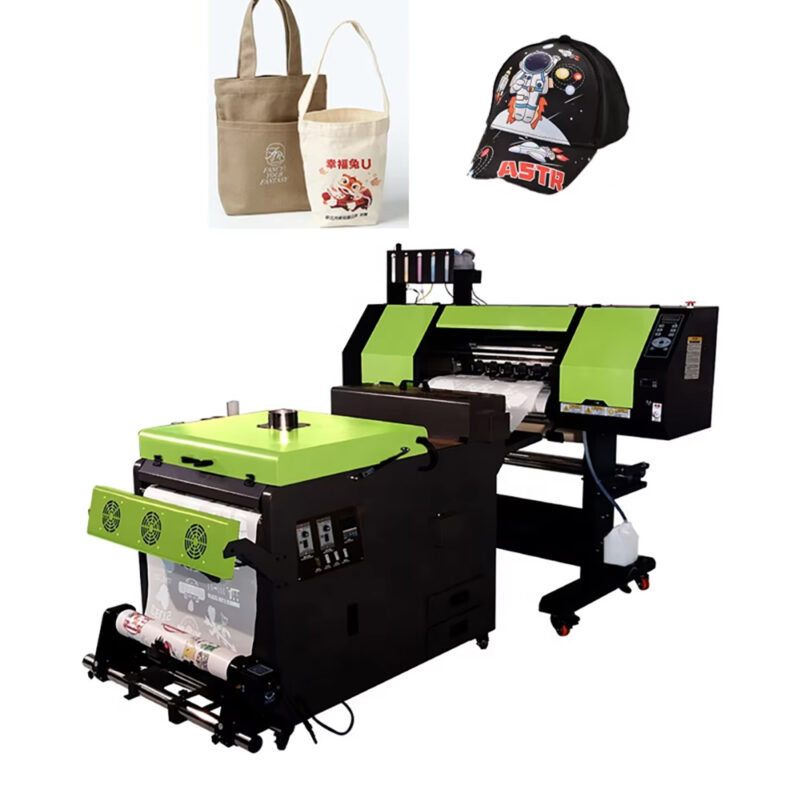
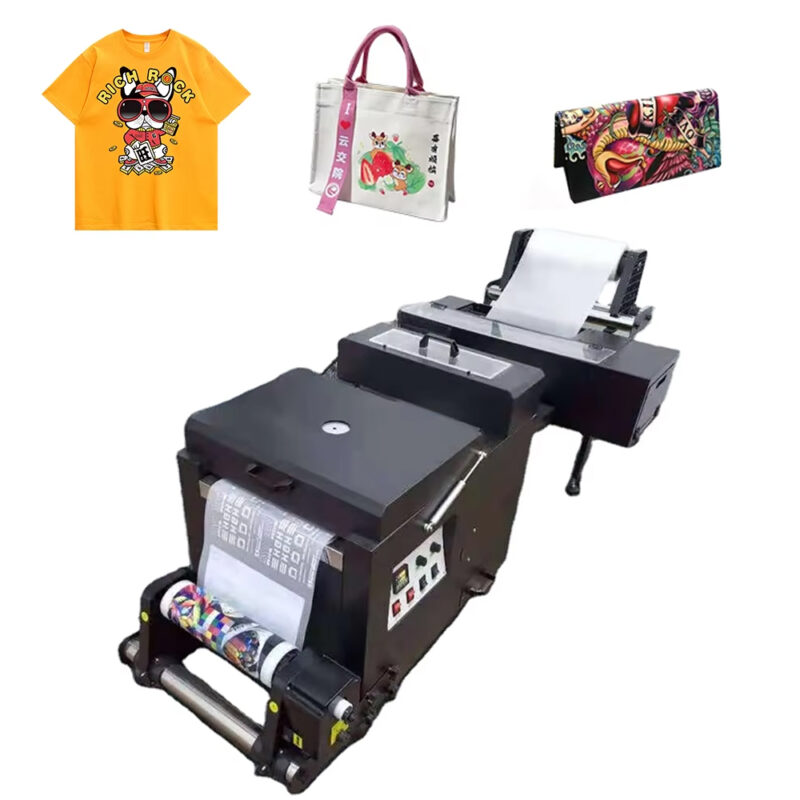
DTF is a digital transfer process. You print your design onto a special PET film using water-based inks, apply a hot-melt adhesive powder, cure it, and then transfer it onto any garment using a heat press. The result is a vibrant, durable, and stretchable print that adheres to almost any surface.
The Magic: One Process, Unlimited Possibilities
Unlike DTG (which works best on cotton), DTF works beautifully on:
· ✅ Cotton, polyester, and blends
· ✅ Nylon, denim, and rayon
· ✅ Leather, canvas, and even hard surfaces like wood and metal
· ✅ Light and dark fabrics—no pretreatment required
This means you can say “YES” to more customer requests and dramatically expand your product catalog from t-shirts and hoodies to sportswear, bags, caps, and even promotional gifts.
Stunning Quality That Lasts
Modern DTF prints deliver:
· Bright, opaque whites on dark garments
· Millions of colors with smooth gradients and fine details
· Stretchable, crack-resistant films that move with the fabric
· Durability of 100+ washes when properly applied
Recent innovations have expanded the color gamut from 350,000 to nearly 1 million colors, allowing for accurate brand matching and photographic reproduction that rivals screen printing.
Why DTF is a Strategic Business Investment
- No Minimum Order Quantity (MOQ)
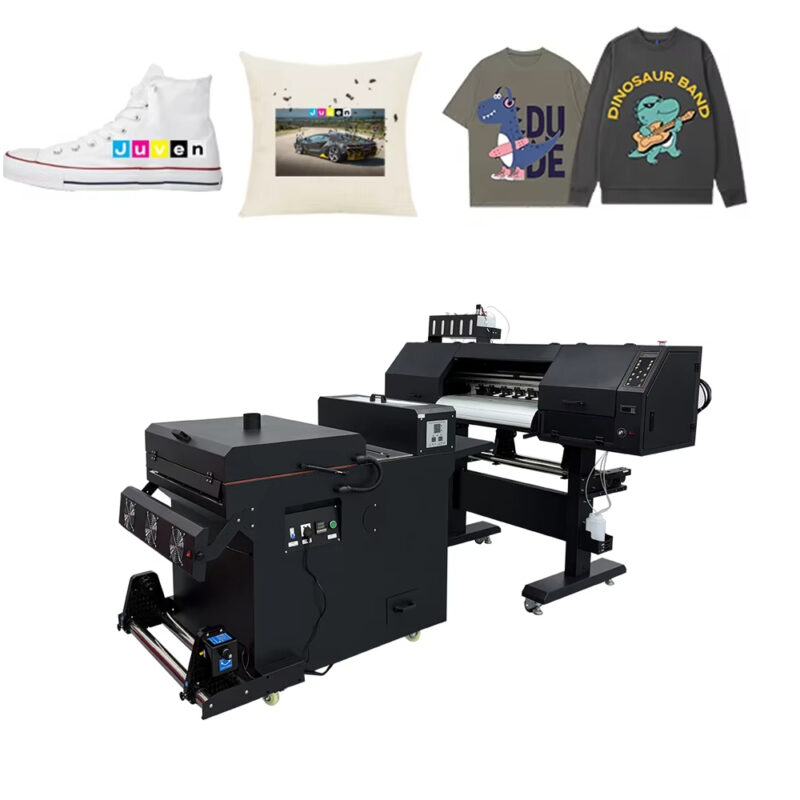
DTF is the ultimate print-on-demand enabler. Print one shirt or a thousand—each with a different design if needed. This eliminates inventory risk, reduces upfront costs, and lets you respond to trends instantly. You can:
· Test new designs with zero financial exposure
· Offer personalized products for individual customers
· Fulfill small B2B orders profitably
- Lower Operating Costs
Compared to screen printing, DTF requires:
· No screens, no chemicals, no messy cleanup
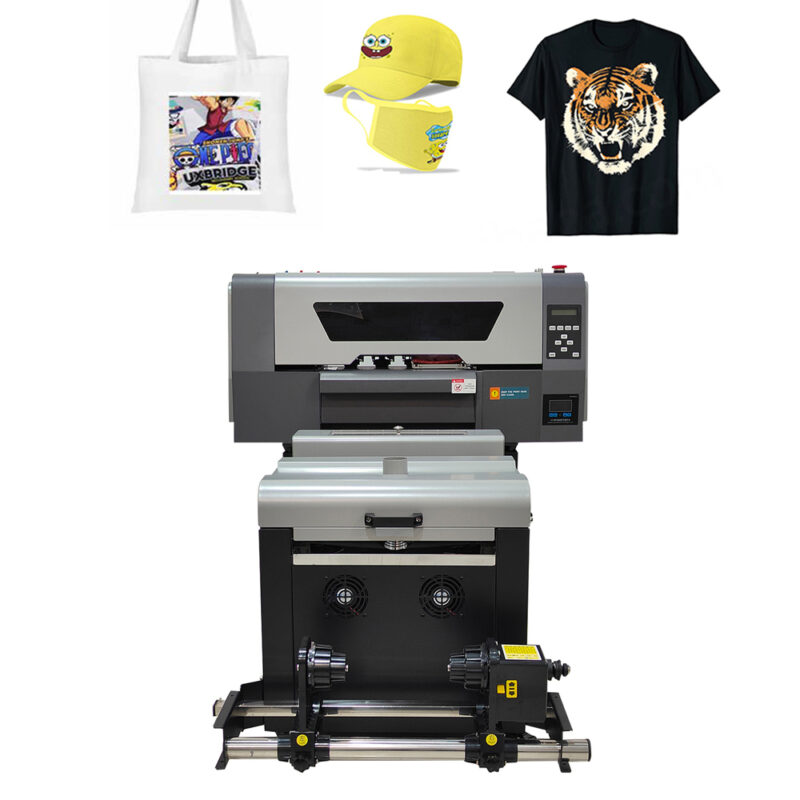
· Less floor space (a single desktop DTF printer + heat press fits anywhere)
· Lower labor costs (minimal training required)
· Waste reduction—print only what you need
- Global Market Growth
The DTF market was valued at $2.72 billion in 2024** and is projected to reach **$3.92 billion by 2030 (CAGR 6%). This growth is fueled by the surge in e-commerce personalization, fast fashion, and small-batch manufacturing. Early adopters are already capturing this expanding demand.
- Eco-Friendly Credentials
Many DTF inks are OEKO-TEX® ECO PASSPORT certified, meeting strict safety and environmental standards. This allows your business to appeal to sustainability-conscious consumers worldwide—a key differentiator in competitive markets.
Choosing the Right DTF System
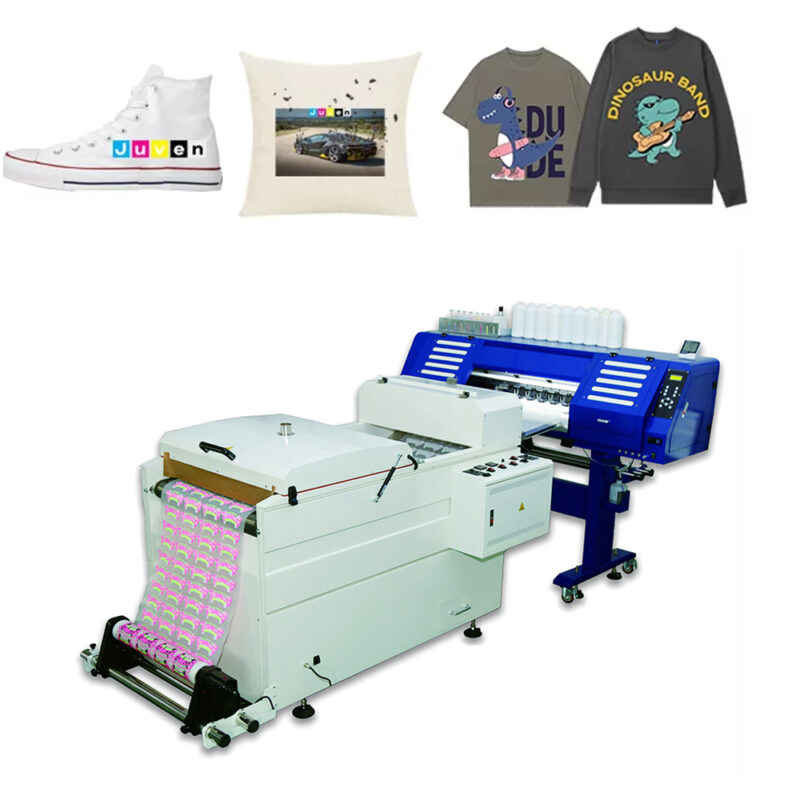
DTF technology has matured rapidly. Today’s systems are more reliable, automated, and user-friendly than ever.
System Type Best For Key Features
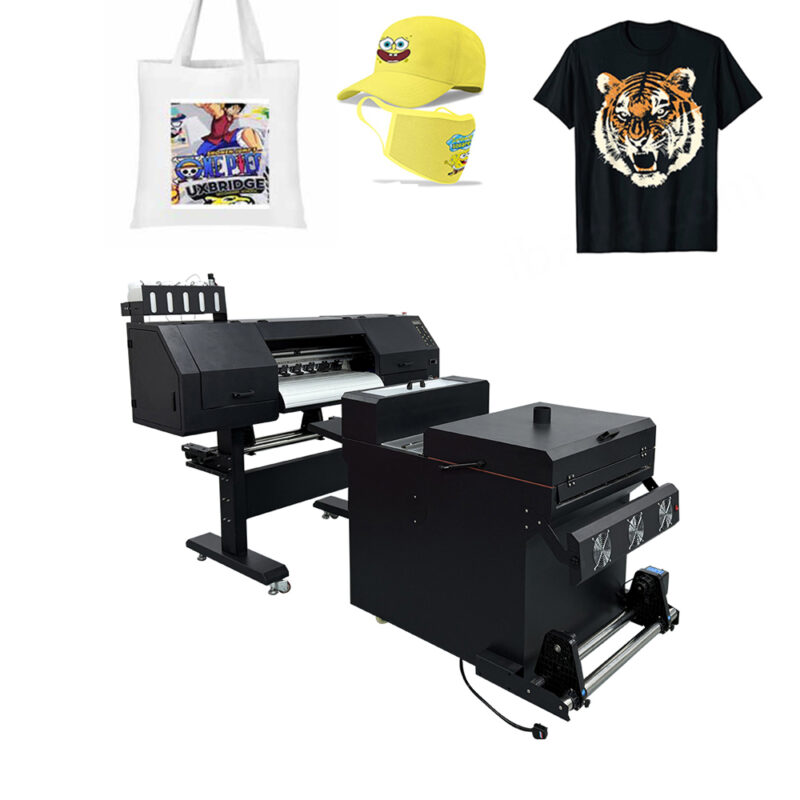
Entry-Level Desktop Startups, home-based businesses Compact, affordable, low ink consumption, 1–50 prints/day
Mid-Range Production Growing print shops Faster speeds, larger ink tanks, automated powder shakers
Industrial High-Speed High-volume manufacturers 24/7 operation, inline curing, AI-assisted maintenance
What to Look for in a DTF Supplier
When sourcing globally, prioritize these metrics:
· On-time delivery rate ≥ 90% – ensures your operations run smoothly
· Response time ≤ 8 hours – critical for troubleshooting
· Comprehensive after-sales support – training, spare parts, and software updates
· RIP software included – intuitive color management for consistent results
Suppliers with demonstrated operational excellence (e.g., 99% on-time delivery) are ideal partners for urgent or large-volume procurement cycles.
DTF vs. DTG: A Quick Comparison
Many businesses ask whether to choose DTF or DTG. The truth is, they complement each other, but DTF offers distinct advantages:
Factor DTF DTG
Fabric compatibility All fabrics & surfaces Primarily 100% cotton
Pretreatment required? No Yes (for dark garments)
Print feel Slightly thicker (film layer) Soft, breathable
Best use case Multi-fabric orders, sportswear, bags, dark garments High-end cotton apparel, storefronts
Setup complexity Simple (heat press + printer) More steps (pretreatment, curing)
If you want maximum versatility, the ability to print on anything, and faster setup, DTF is your go-to technology.
Real-World Applications: Who’s Using DTF?
· E-commerce sellers – Fulfill personalized orders globally with fast turnaround.
· Sports teams & schools – Print durable jerseys, uniforms, and merchandise.
· Promotional product companies – Create branded gifts on diverse materials.
· Fashion designers – Produce small-batch collections with intricate, photo-realistic prints.
· Print shops – Offer a “one-stop” solution for all fabric types, increasing customer loyalty.
Conclusion: Future-Proof Your Business with DTF
Direct-to-Film printing is not a passing trend—it’s a fundamental shift in how custom apparel is produced. By investing in DTF, you unlock:
· Unlimited creative freedom across all materials
· Zero inventory risk with print-on-demand flexibility
· Global competitiveness through speed, quality, and cost-efficiency
· Sustainability that resonates with modern consumers
The apparel industry is moving toward agile, digital manufacturing—and DTF puts you at the forefront.
Ready to say “yes” to every customer order? Explore DTF solutions today and start printing without limits.
