Unleash Your Creativity: Why a DTG Printing Machine Is the Key to Thriving in the Global Custom Apparel Market

Subtitle: Print vibrant, photo-quality designs on demand — with no minimum orders, unlimited colors, and a soft, professional finish that keeps customers coming back.
The way the world buys custom apparel has changed forever. Consumers are no longer satisfied with mass-produced, generic designs. They want personalization, bold artwork, and premium quality — delivered fast . For businesses from London to Los Angeles, the Direct-to-Garment (DTG) printing machine has become the essential tool to meet this demand, unlocking new revenue streams and putting high-quality, on-demand production within reach .
What Is DTG Printing, and How Does It Work?
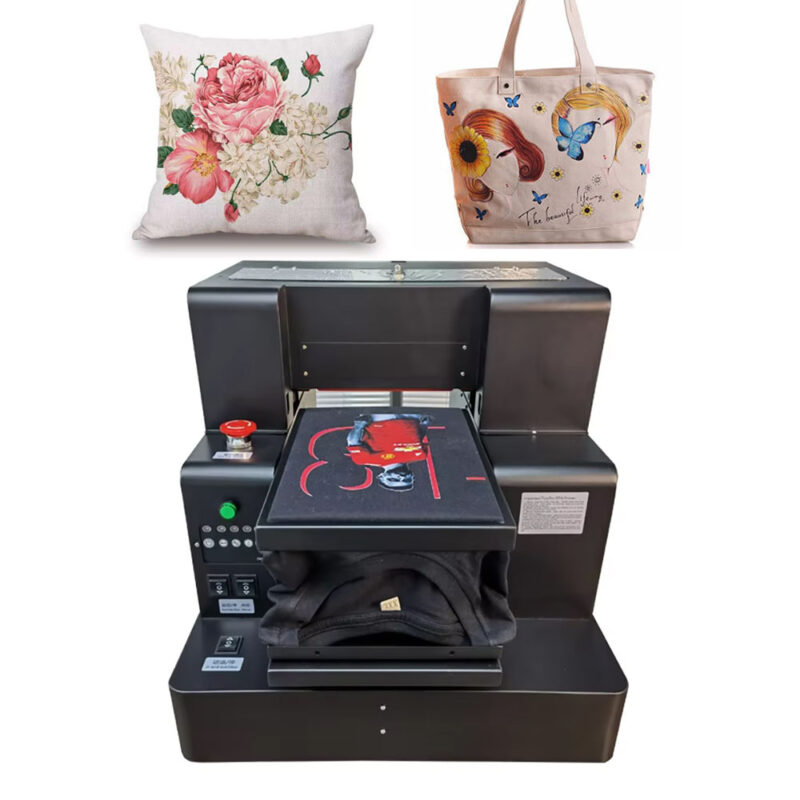
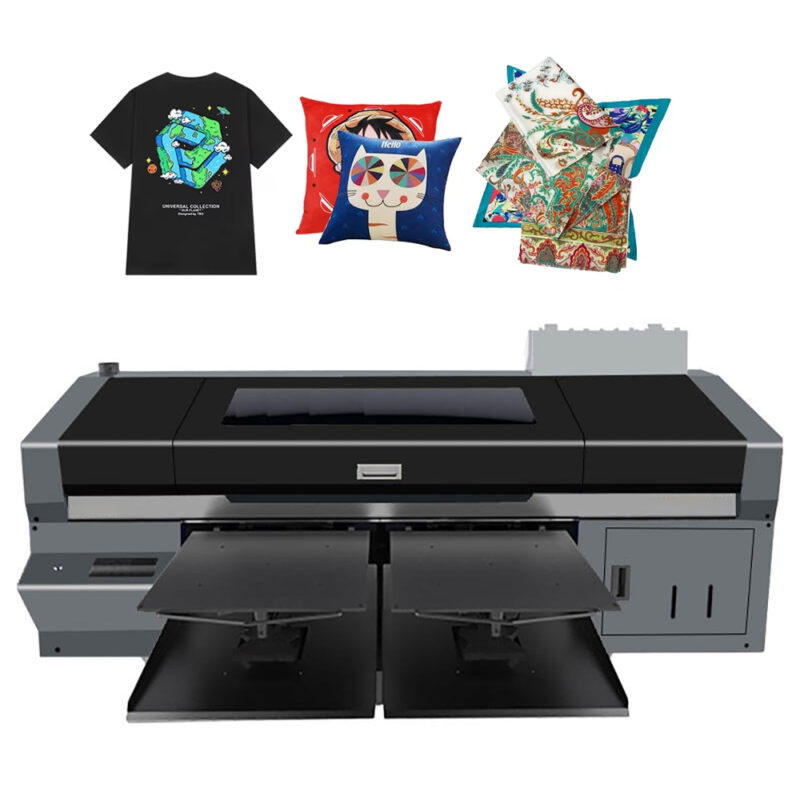
Direct-to-Garment (DTG) printing is a modern digital method that uses specialized inkjet technology to print vibrant, full-color designs directly onto fabric . Think of it as a high-end printer for textiles. A digital file of your design is sent to the machine, which then precisely deposits water-based inks onto the garment to create a detailed, photographic-quality print .
For dark garments, the process includes an extra step: applying a pre-treatment solution and printing a white ink underbase. This ensures colors stay vivid and opaque, even on black or dark fabrics . Once the image is printed, the garment is cured with heat to set the ink, resulting in a durable, soft-feeling design that won’t crack or peel .
7 Compelling Reasons Global Customers Are Switching to DTG
- Stunning, Photo-Quality Detail
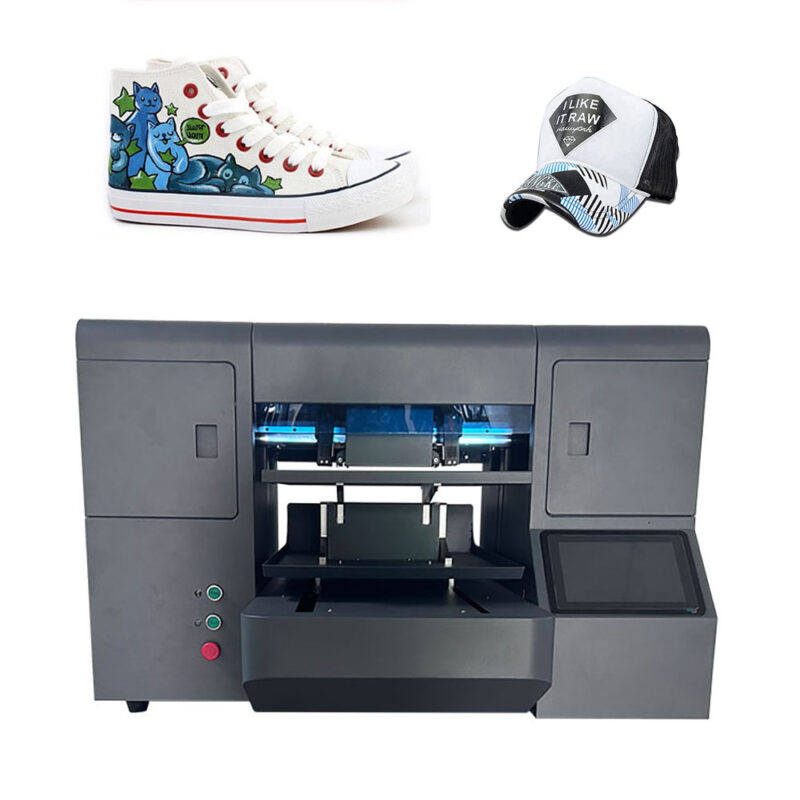
DTG excels at reproducing intricate details, complex gradients, and photographic images with stunning accuracy . Unlike screen printing, the complexity of your design doesn’t affect the setup cost or time . This makes it the ideal choice for artists, brands, and designers who need to bring high-resolution, multi-color artwork to life .
- No Minimum Orders & True On-Demand Production
One of the biggest advantages of DTG is the ability to print a single item profitably . With no minimum order quantities, you can confidently say “yes” to every customer, whether they need one personalized shirt or a small batch for an event . This is the foundation of a print-on-demand business model, eliminating the risk of unsold inventory and waste .
- Unlimited Colors, No Extra Cost
With DTG, every print uses the same CMYK+White ink setup . You are not charged per color, making it incredibly cost-effective for complex, colorful designs that would be prohibitively expensive with screen printing . The result is vibrant, high-fidelity color reproduction every time .
- A “Soft Hand Feel” That Customers Love
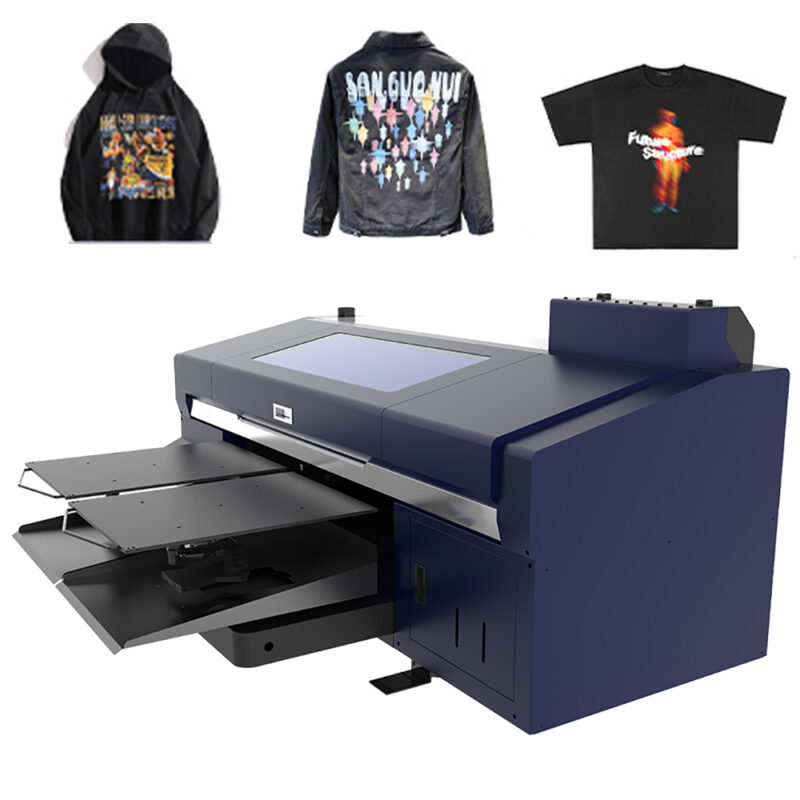
The water-based inks used in DTG printing are absorbed directly into the fabric’s fibers, leaving a print that is soft, breathable, and virtually textureless . This premium “hand feel” is a major selling point for customers who dislike the heavy, plastic-like texture of traditional screen-printed transfers .
- Fast Turnaround for Small Orders
Because there are no screens to create or lengthy setup times, DTG allows for incredibly fast turnaround on small to medium-sized orders . The process from file upload to finished shirt is quick, making it perfect for events, e-commerce, and last-minute custom orders .
- A More Sustainable Choice
DTG’s on-demand nature directly combats the massive problem of textile overproduction . You only print what you sell, minimizing waste . Furthermore, the inks used are water-based and eco-friendly, offering a greener alternative to some traditional methods that use plastisol and harsh chemicals .
- Lower Barriers to Entry for New Businesses
Compared to the high cost of setting up a professional screen-printing operation, a DTG setup can be a more accessible entry point into the custom apparel market . Integrations with e-commerce platforms and user-friendly software make it practical for lean teams and solo entrepreneurs to start and scale .
DTG vs. Screen Printing: Which Is Right for You?
The choice between DTG and screen printing comes down to your specific business needs .
· DTG is the champion for: Short runs, on-demand items, intricate multi-color designs, and high-detail photo printing. It offers lower setup costs and fast turnaround for small orders .
· Screen printing is often better for: Large bulk orders of 100+ units with simple, 1-4 color designs. It provides a more cost-effective unit price at scale and is known for its extreme durability . However, it requires significant setup for each design and color .
Many modern print shops use a hybrid model, offering both DTG and screen printing to capture every customer and project type .
What to Look for in a DTG Machine: A Global Buyer’s Guide
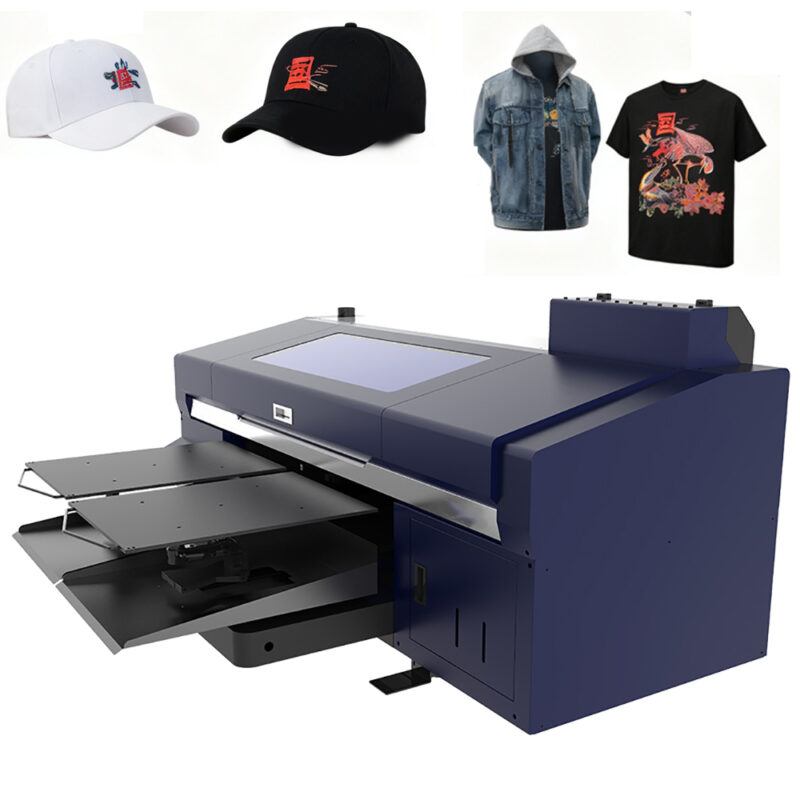
When searching for a DTG printer to serve a global market, consider these key factors.
✅ Printhead & Print Technology
· Precision and Speed: Look for industrial-grade printheads like Epson’s PrecisionCore® MicroTFP . Inquire about the maximum DPI (dots per inch) and smallest droplet size for the best quality and detail . For speed, some models feature multi-head configurations to boost production significantly .
· White Ink Management: For dark garments, a robust white ink system is critical. Look for features like auto white ink recirculation, which prevents ink settling and clogs, reducing maintenance and downtime .
· Automation: Features like automated head wiping, capping, and self-washing systems help maintain consistent quality and extend printhead life .
✅ Ink System & Workflow
· Ink Type: Ensure the machine uses water-based, eco-friendly pigment inks for a soft hand feel and sustainability . Some systems, like Epson’s UltraChrome® DG2, are all-pigment and suitable for direct-to-garment and direct-to-film applications .
· Pre-Treatment: For printing on dark garments, you will need a pre-treatment solution to help the ink bond to the fabric. While some garment suppliers provide pre-treated items, most operations will need a dedicated pre-treatment machine for optimal results .
· Software (RIP): The Raster Image Processor (RIP) is the software that drives the printer. Ensure it offers accurate color profiling, can handle a wide color gamut, and is compatible with your design workflow .
✅ Scalability & ROI
· Production Speed: Evaluate your daily production goals. Entry-level and desktop models (like the Epson SureColor F1060) are ideal for startups and low-volume operations . Multi-head and industrial machines are designed for high-volume, 24/7 production .
· Total Cost of Ownership (TCO): The upfront cost is just one factor. Consider ink costs, maintenance requirements, reliability, and the expected useful life of the machine . A new printer often provides better long-term ROI through the latest technology, warranties, and lower operating costs .
✅ Certifications & Global Support
· Global Compliance: For selling worldwide, check for certifications like CE (European Safety Standard) and RoHS (Restriction of Hazardous Substances) .
· Support Network: Choose a manufacturer with a reliable global support network. This ensures access to parts, technical support, and service to minimize downtime, wherever you are in the world .
Ready to Print the Future?
DTG printing has democratized high-quality custom apparel production. It empowers businesses of all sizes to offer personalized, on-demand products that meet the evolving demands of the global market.
Stop turning away small or complex orders. Start printing on demand.
