Print Clean, Print Green: Why a Water-Based Printer Is the Smart Choice for a Healthier Planet & Business

The world is changing. Customers are demanding safer products. Governments are tightening regulations on volatile organic compounds (VOCs) and hazardous air pollutants. And businesses that don’t adapt will be left behind.
Enter the water-based printer — not just an eco-friendly alternative, but a superior technology that delivers vibrant, durable, and archival-quality prints without harming your health or the environment.
Whether you’re in Toronto, Tokyo, or Turin, switching to water-based printing is the single best investment you can make for your business, your customers, and your future.
What Is a Water-Based Printer?
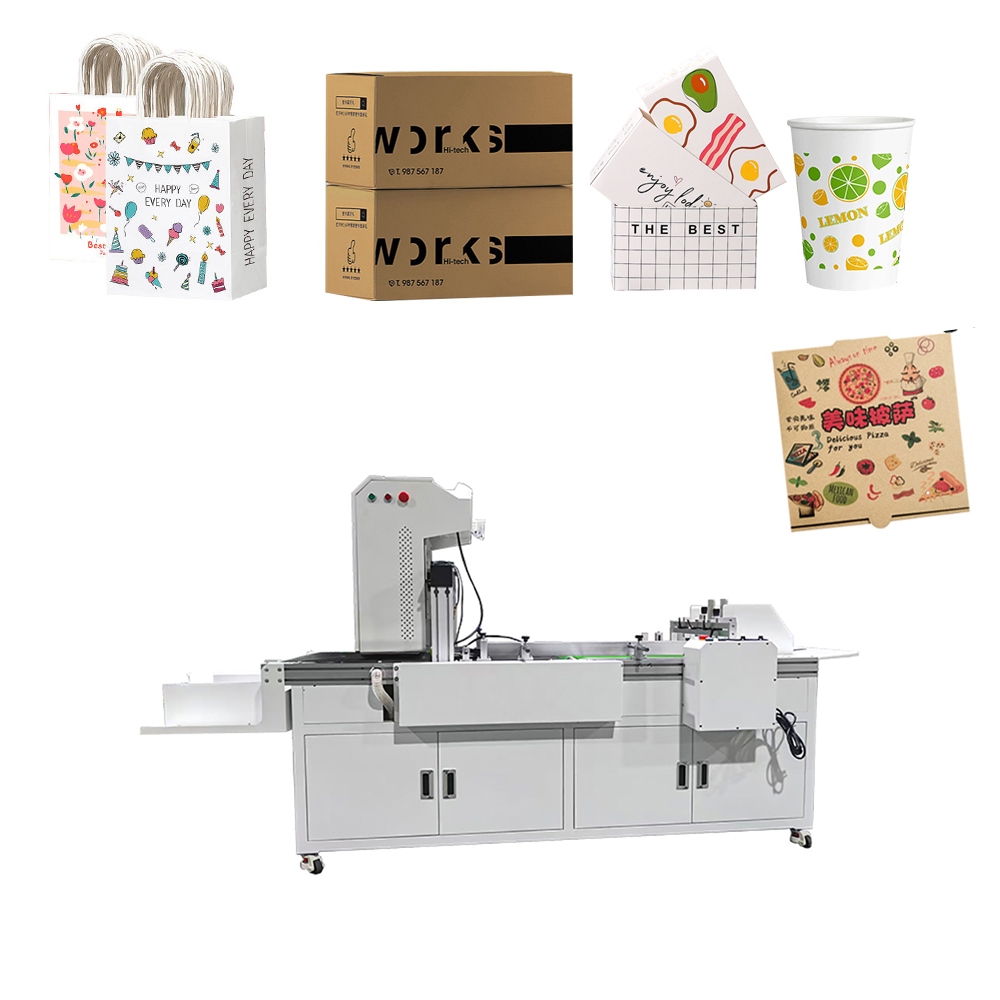
A water-based printer uses inks where the primary solvent is water — not harsh chemicals like acetone, glycol ethers, or petrochemicals.
Water-based inks (also called aqueous inks) come in two main types:
Type Best For Key Feature
Dye-based High-impact photos, indoor signage Brilliant colors, smooth gradients
Pigment-based Fine art, archival prints, outdoor use UV-resistant, waterproof, lasts 100+ years
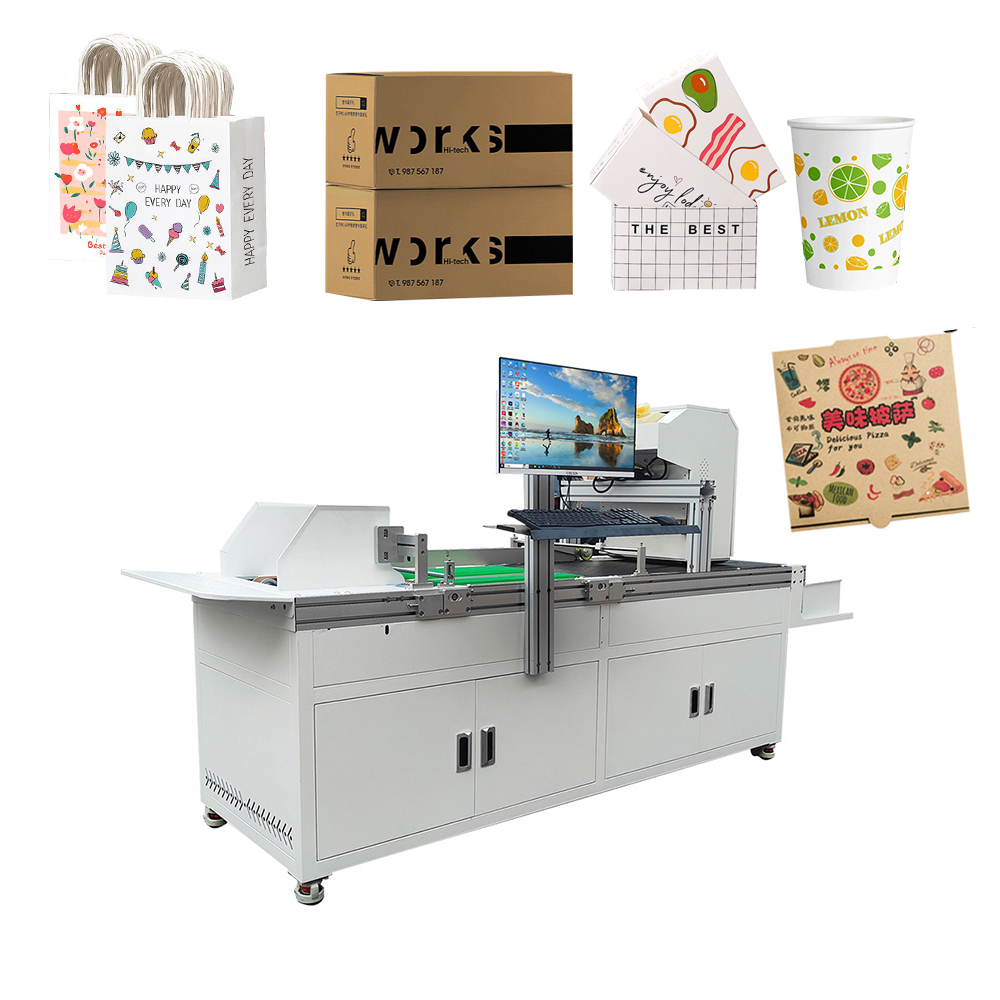
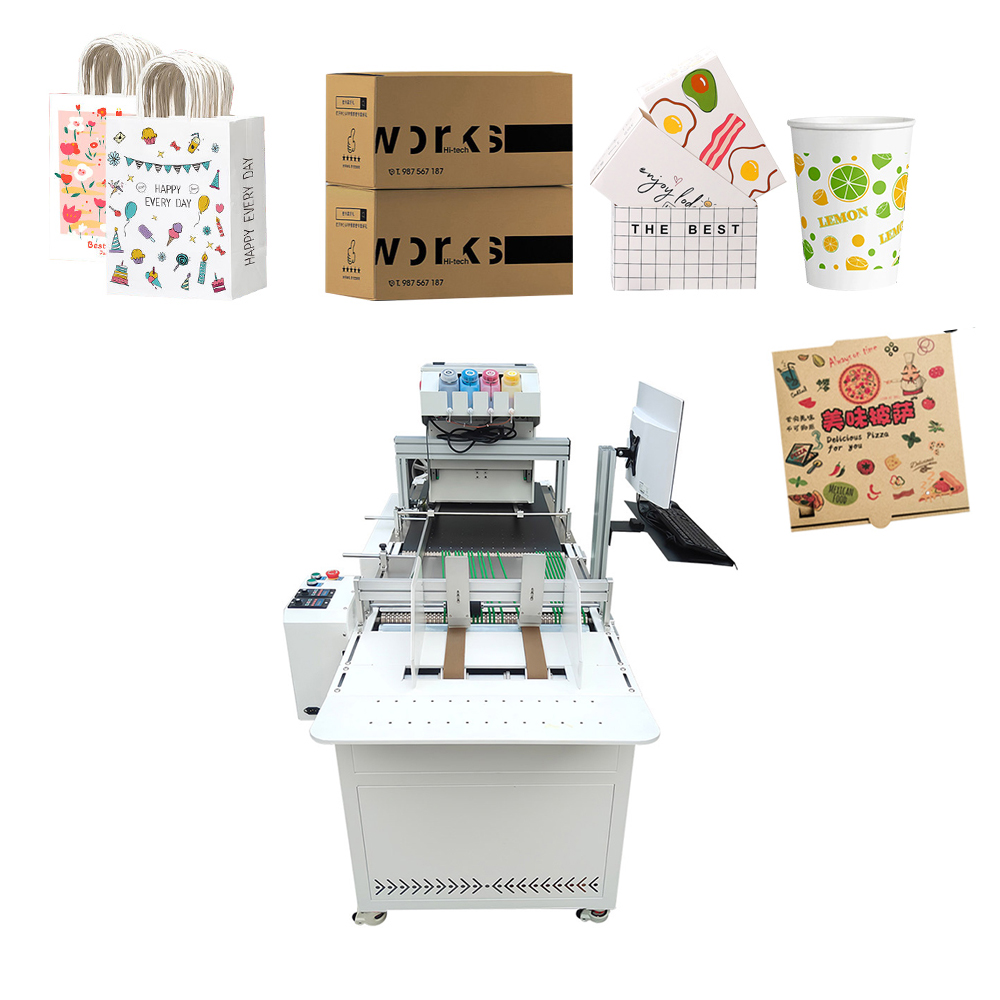
These inks are used in everything from desktop A3 photo printers to large-format aqueous plotters, as well as water-based DTG and water-based screen printing systems.
7 Reasons Global Customers Are Switching to Water-Based Printing
- Zero Harmful VOCs – Breathe Easy
Traditional solvent and eco-solvent inks release volatile organic compounds (VOCs) into your workspace — causing headaches, respiratory issues, and long-term health risks.
Water-based inks contain little to no VOCs.
· ✅ No special ventilation required
· ✅ Safe for home offices and small shops
· ✅ No “printer smell” that drives customers away
· ✅ Legal to operate in residential zones
Your employees (and your lungs) will thank you.
- Global Regulations Are Getting Tougher — Get Ahead Now
Governments worldwide are cracking down on solvent-based emissions:
· EU: REACH regulations restrict thousands of hazardous chemicals.
· USA: EPA limits on VOCs in printing operations.
· China: Strict air pollution controls in manufacturing hubs.
· Australia: GHS labeling requirements for chemical products.
Water-based printing is future-proof. Switch now before you’re forced to — and market your compliance as a competitive advantage.
- Museum-Quality Archival Prints (Last 100+ Years)
Water-based pigment inks embed into paper fibers rather than sitting on top. The result:
· Fade resistance: 100–200 years under glass (tested by Wilhelm Imaging Research)
· Water resistance: Once dry, prints survive accidental spills
· Scratch resistance: No cracking or peeling
· Color gamut: Wider than solvent inks, especially in reds and blues
Artists, photographers, and galleries choose water-based for a reason — it’s the only technology that meets museum archival standards.
- Softer Hand Feel for Textiles
If you print on garments (DTG or water-based screen printing), the difference is night and day:
Feature Solvent/Plastisol Water-Based
Hand feel Plastic, rubbery, heavy Soft, breathable, “like part of the shirt”
Breathability Blocks airflow Fabric breathes naturally
Cracking over time Yes — eventually No — ink bonds with fibers
Eco-certification Difficult OEKO-TEX, GOTS ready
Fashion brands and premium apparel companies are demanding water-based prints. Your customers will pay more for that soft hand feel.
- Lower Operating Costs (Yes, Really)
Many printers assume “eco-friendly” means “expensive.” Wrong.
· No hazardous waste disposal fees – Water-based ink cleans up with soap and water.
· No special storage – No flammable cabinet required.
· No fume extraction systems – Save thousands on ventilation.
· Lower shipping costs – Water-based inks are not classified as dangerous goods, so they ship via standard courier.
Your ongoing costs drop immediately.
- Vibrant on Porous Surfaces — Paper, Cardboard, Canvas, Wood
Water-based inks absorb into porous materials rather than sitting on top. This means:
· ✅ No “plastic shine” on matte papers
· ✅ Sharp text on uncoated cardboard
· ✅ Natural look on canvas and fine art paper
· ✅ Beautiful results on raw wood and fabric
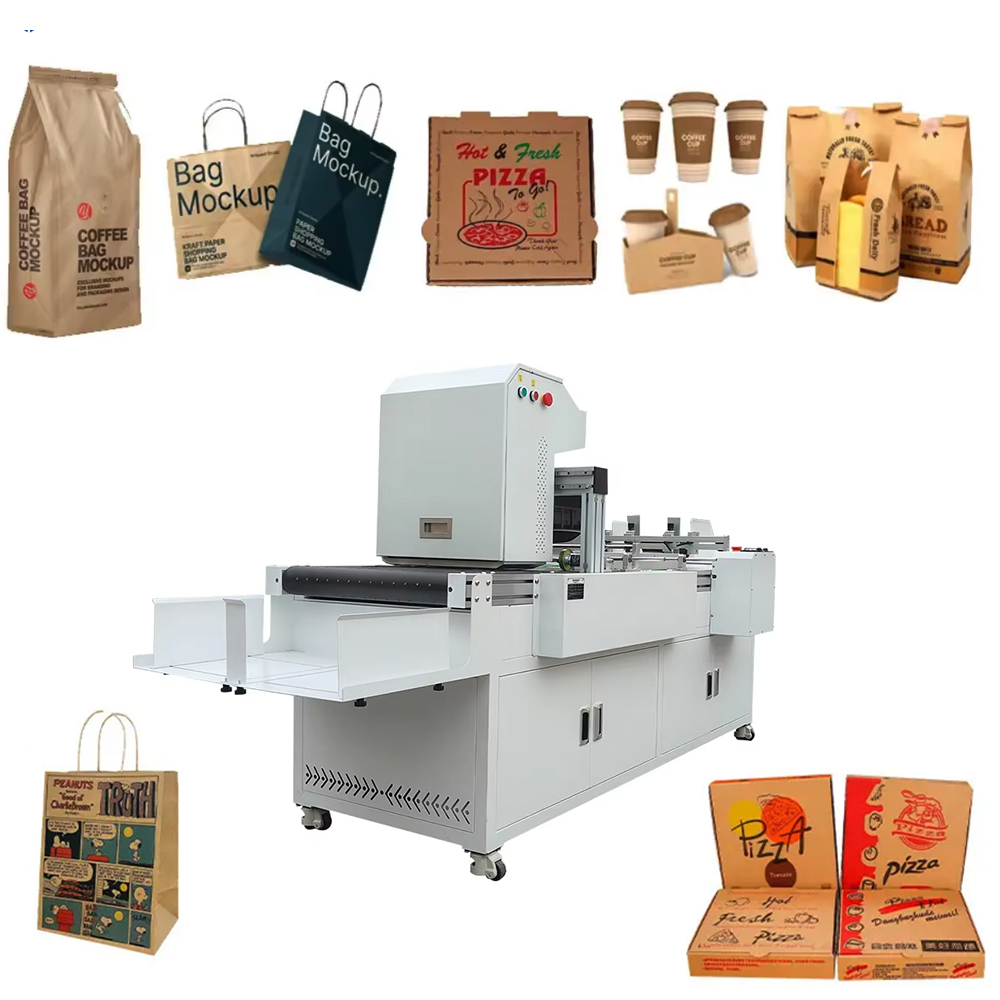
For packaging prototypes, gift cards, wedding invitations, and art prints — water-based is the professional standard.
- Safe for Food Contact & Children’s Products
This is a huge global selling point.
Solvent inks can migrate through packaging. Water-based pigment inks are inert once dry, making them suitable for:
· 🧸 Toy packaging
· 🍔 Food menus (direct contact)
· 📦 Bakery boxes and takeout containers
· 👕 Baby clothing (using water-based textile inks)
If you serve restaurants, childcare brands, or organic food companies, water-based printing isn’t optional — it’s a requirement.
Water-Based vs. Solvent vs. Eco-Solvent: The Truth
Feature Water-Based Eco-Solvent Full Solvent
VOCs emitted Near zero Low to moderate High
Ventilation needed None (home office safe) Some Industrial required
Outdoor durability (no lamination) 1–3 years (pigment) 2–5 years 5–10 years
Indoor archival life 100+ years 10–20 years 5–10 years
Material compatibility Porous only (paper, fabric, raw wood) Coated vinyl, some plastics Uncoated vinyl, plastics
Cleanup Soap and water Solvent cleaner Harsh chemicals
Dangerous goods shipping No Yes (some) Yes
The trade-off: Water-based doesn’t print on uncoated vinyl. But for 80% of print jobs — paper, cardboard, fabric, canvas — it’s the best choice.
Who Is Buying Water-Based Printers Worldwide?
Customer Application Why Water-Based
Fine art photographer Gallery prints, giclée Archival, color accuracy
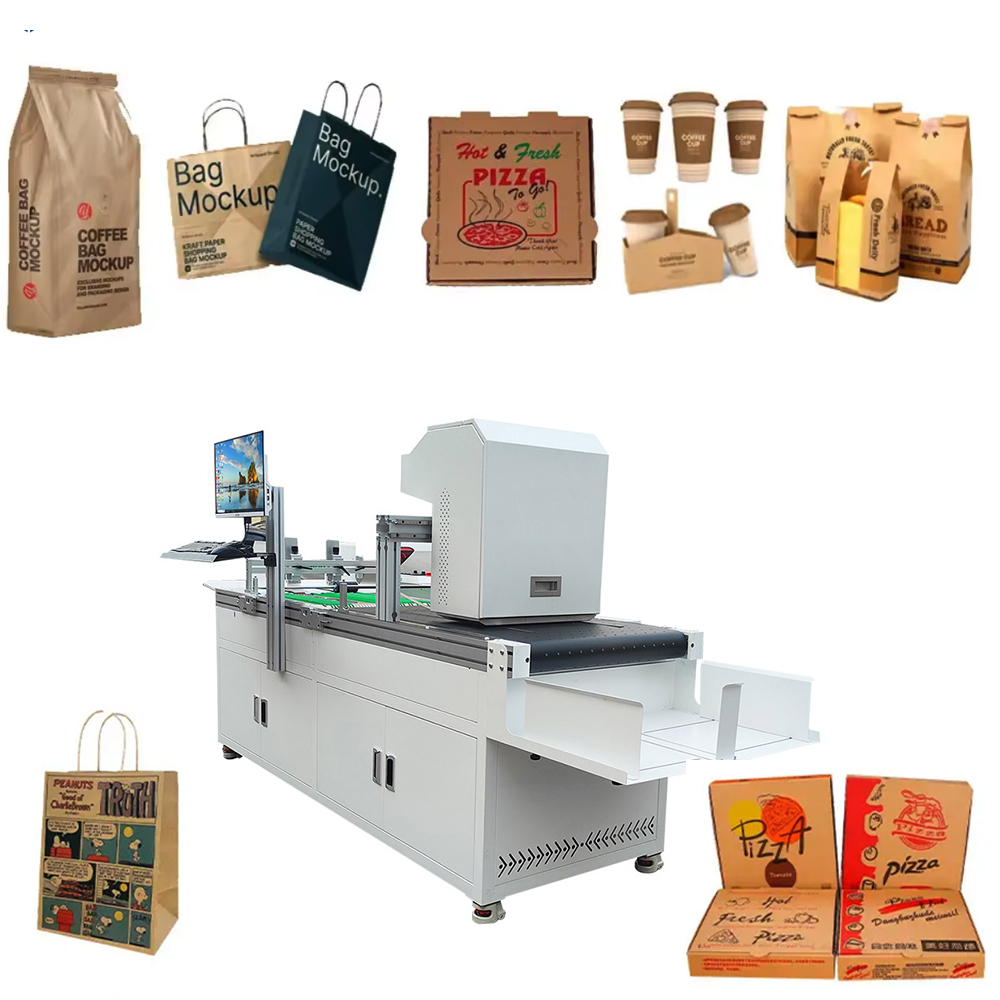
Packaging designer Prototypes, short-run boxes Food-safe, sharp on cardboard
T-shirt printer (DTG) Custom apparel Soft hand feel, no cracking
Screen printer Bulk garment printing OEKO-TEX certified, breathable
Sign shop (indoor) Posters, retail displays Vibrant colors, low odor
Educational institution Student projects Safe for children, no fumes
Home-based business Cards, invitations, stickers Residential legal, no ventilation
The ROI: Clean printing, cleaner profits
Example using a mid-range water-based pigment printer (A2/A3 desktop):
· Printer cost: $1,200 USD
· Ink cost per A3 fine art print: $0.40
· Paper cost (museum quality): $0.60
· Total cost per print: $1.00
· Selling price: $25 – $75 (depending on market)
Sell just 20 prints per month = $480 – $1,480 gross profit.
Printer pays for itself in 1–3 months.
Plus, you can market “eco-friendly, VOC-free printing” — a premium that customers willingly pay 20–50% more for.
Ready to breathe easier and print smarter?
The global shift to sustainable, non-toxic printing isn’t coming — it’s already here. Every solvent printer you run is a liability. Every water-based printer you add is an asset.
Join thousands of smart business owners worldwide who have made the switch.
