Water-Based Printing: The Sustainable Revolution That’s Reshaping the Global Print Industry

Subtitle: Why businesses from Berlin to Bangkok are switching to water-based ink technology – and why you should too.
The global printing industry is at a turning point. Governments are tightening environmental regulations. Consumers are demanding eco-friendly products. And print shops everywhere are looking for the competitive edge that comes with being ahead of the curve.
Enter water-based printing technology – the solution that combines exceptional print quality with industry-leading sustainability. With the global digital textile printer market projected to reach $4.03 billion by 2033, growing at 5.5% annually, the shift to water-based solutions isn’t just an environmental choice – it’s a business imperative.
Why Water-Based? The Global Drivers
- Regulatory Pressure is Intensifying
Countries around the world are cracking down on traditional printing methods. Traditional textile printing is water-intensive and produces massive amounts of wastewater, prompting regulatory action in manufacturing hubs like India and China. Water-based printing offers a proven alternative, using up to 90% less water and significantly reducing chemical discharge.
The European Union’s Horizon Europe initiative is actively investing in sustainable digital technologies, including waterless ink technologies and greener production processes. This creates a favorable environment for businesses that modernize their operations with water-based print capabilities.
- Consumer Demand for Sustainability
Modern consumers read labels. They ask questions. And increasingly, they vote with their wallets for environmentally responsible products. Water-based inks are naturally non-toxic, low-VOC (Volatile Organic Compounds), and free from hazardous chemicals. In fact, leading water-based UV inks now achieve VOC content below 15% and are classified as GHS hazard-free – meaning no hazard warning labels are required.
This isn’t just good for the planet – it’s good for your brand. Businesses that can demonstrate eco-friendly production processes command premium pricing and customer loyalty.
- Reshoring and Local Production
Global supply chain disruptions have led many countries to bring textile and print manufacturing back home. The U.S., UK, and Australia are implementing national strategies to support local production hubs. Digital water-based printers, known for their flexibility and cost-efficiency, are ideal for these localized setups. Government incentives and industrial stimulus packages are accelerating adoption.
What Makes Water-Based Printing Different?
Water-based printing technology has evolved dramatically. Today’s solutions fall into several categories, each with unique advantages:
Water-Based Pigment Ink (DTG)
For garment printing, water-based pigment inks have become the gold standard. They are GOTS-approved and OEKO-TEX-certified, capable of lasting 20 to 30 washes without significant fading. When printed directly onto fabric, the result is a soft, natural feel – no thick plastic layer, no cracking, no peeling.
As Brother International’s marketing manager notes: “We use GOTS-approved and OEKO-TEX-certified water-based inks that are sustainable and can last for 20 to 30 washes”.
Best for: 100% cotton, high-cotton blends, linen, denim, and hemp.
Water-Based UV Ink (The Breakthrough)
The most exciting development in recent years is water-based UV ink technology. Pioneered by Fujifilm with their AQUAFUZE™ technology (developed in partnership with Mutoh), this represents over a decade of intensive R&D.
What makes it revolutionary? It combines the best of both worlds:
· From UV ink: Instant curing, scratch resistance, and the ability to print on non-porous materials
· From water-based ink: Low odor, no hazardous emissions, and environmental safety
According to Fujifilm’s Global Business Development Director: “This ink isn’t about what it can and can’t do in comparison with more traditional technologies. It’s about finding the applications it can enhance and improve with quality, speed, performance and increased environmental responsibility”.
Key advantages include:
Feature Water-Based UV Ink Traditional UV/Solvent
Curing Temperature 30–50°C (low heat) 60–100°C+
VOC Content <15%, hazard-free Higher, requires ventilation
Wait Time Before Finishing Zero – instant 6–24 hours
Energy Consumption Low High
Substrate Compatibility Wide range, including heat-sensitive Limited for heat-sensitive
Environmental Certifications GREENGUARD Gold, GHS hazard-free Limited
Water-Based Aqueous Ink (Label & Packaging)
For label and packaging applications, water-based aqueous inkjet technology is making significant inroads. Screen’s Truepress Label 520AQ, for example, runs at up to 100 meters per minute with 1200 x 1200 dpi resolution. It uses VOC-free aqueous inks and energy-efficient NIR drying, meeting rising sustainability standards while opening opportunities in premium markets like pharmaceutical and agri-chemical applications.
Applications: Where Water-Based Printing Excels
- Custom Apparel & DTG
The direct-to-garment market is booming, valued at $1.4 billion in 2024 and expected to reach $2.4 billion by 2031. Water-based inks are the technology powering this growth. Small businesses and solo entrepreneurs are increasingly relying on print-on-demand business models, with minimal setup costs and the ability to produce short runs efficiently.
The e-commerce boom and consumer demand for personalized fashion are reshaping the industry. According to the U.S. Small Business Administration, the number of apparel-based small businesses has steadily risen, especially through online platforms. Digital water-based printers are becoming indispensable tools for these entrepreneurs.
- Signage & Display Graphics
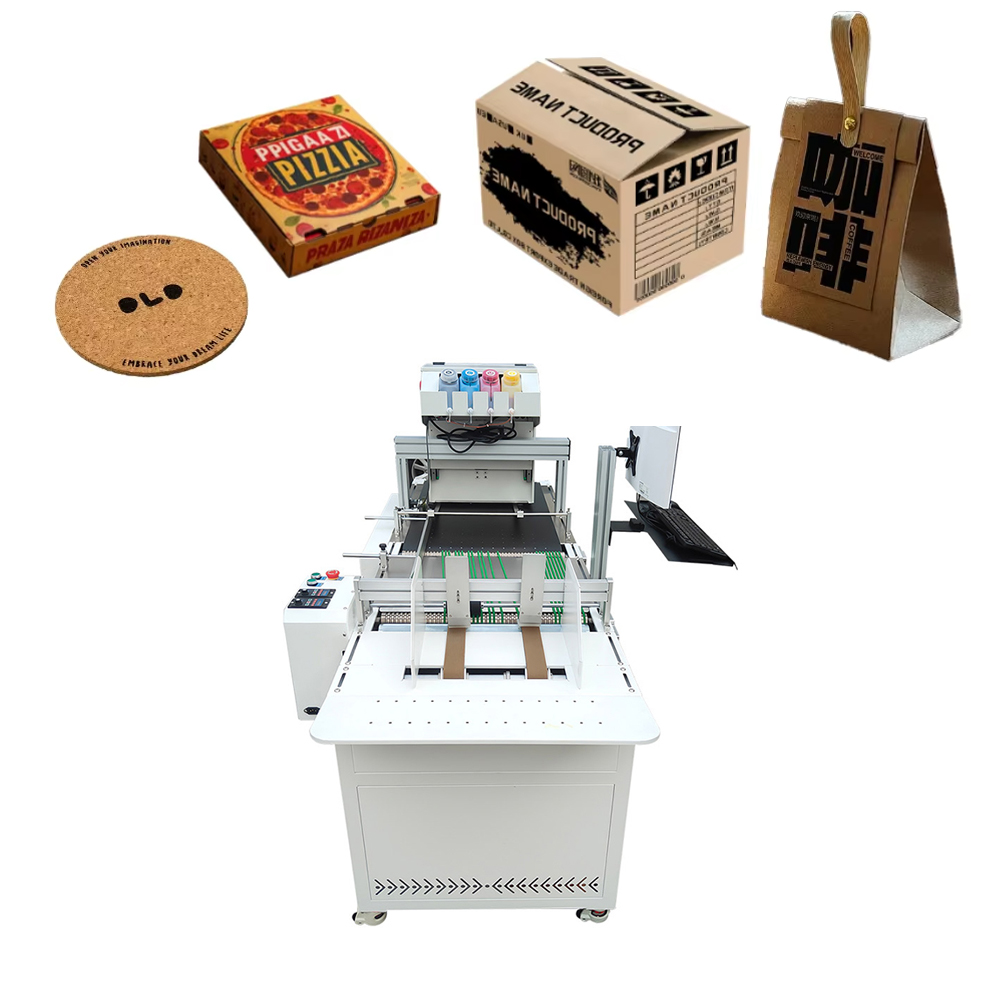
The new generation of water-based UV printers, like Mutoh’s HydrAton 1642 (64″ roll-to-roll), is perfect for wallpapers, retail décor, indoor signage, and public space applications. The prints are durable, scratch-resistant, and require no overcoat.
Perhaps the biggest operational advantage: zero wait time. With traditional UV or eco-solvent printing, applications need to be left for at least six hours – often 24 hours – before laminating. With water-based UV technology, finishing is instant. As one early adopter in Stafford, UK, noted: “Compared to eco-solvent there’s no wait for outgassing – we can laminate or hem and eyelet right away”.
- Vehicle Wraps & Outdoor Graphics
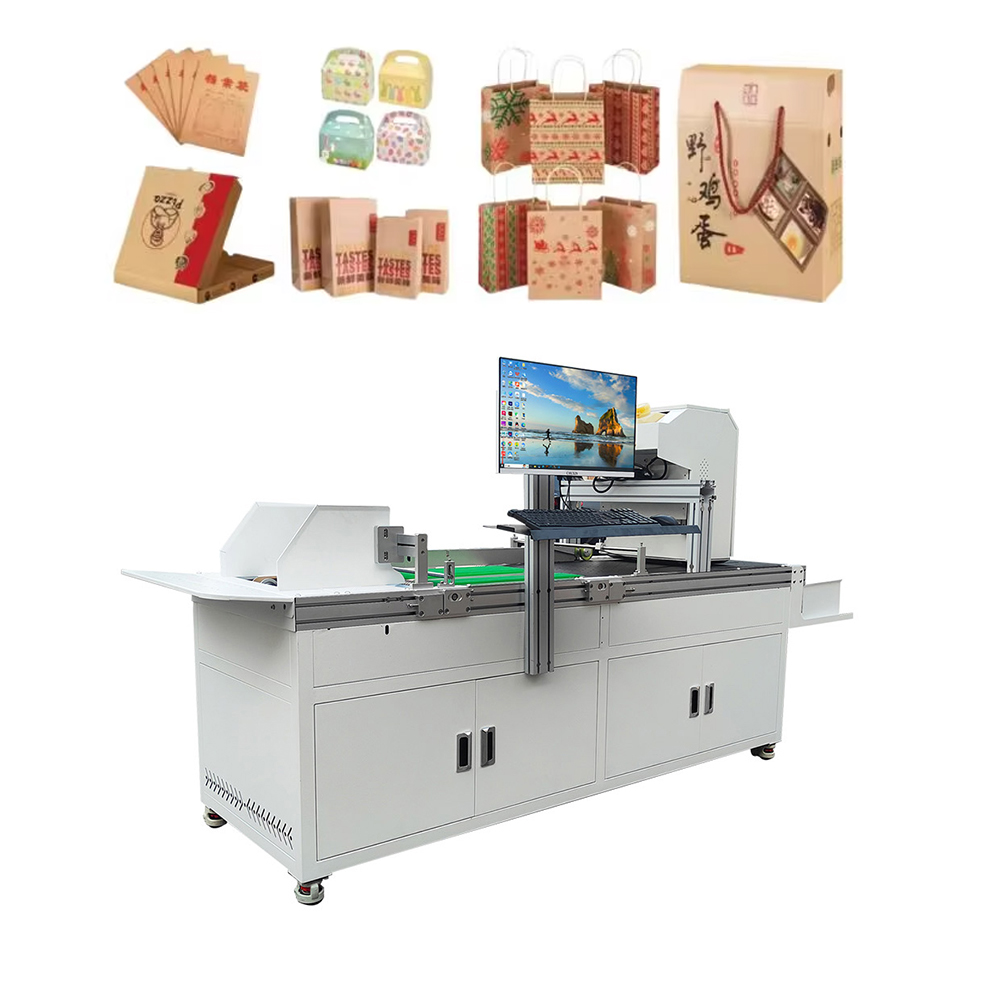
Water-based UV ink offers excellent flexibility and durability for wrapping applications. It’s flexible enough to print on backlit and frontlit fabric without secondary processes, and it prints reliably on all types of PVC (monomeric, polymeric, and cast), as well as coated polypropylene, polyester, and paper.
- Label & Packaging
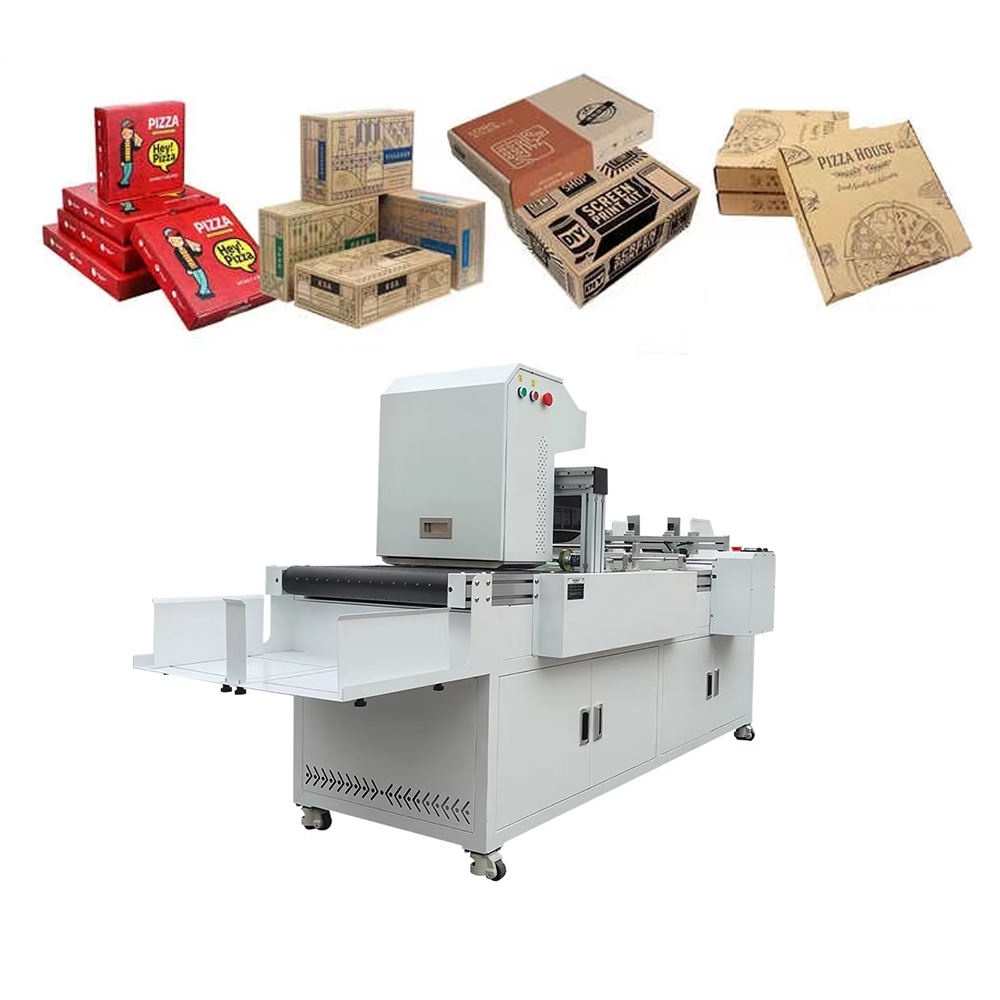
For label converters facing pressure from both ends – brand owners demanding sustainable solutions and consumers expecting high quality at speed – water-based inkjet technology provides the answer. It combines sustainability with uncompromised performance.
The Business Case: ROI & Competitive Advantage
Lower Operating Costs
Water-based UV inks can achieve bright, dense colors with a very thin ink layer. Fujifilm reports up to 33% ink savings compared to other ink technologies. Lower curing temperatures mean reduced energy consumption and lower electricity bills. And with no hazardous waste disposal requirements, compliance costs decrease.
Faster Turnaround
The ability to finish prints immediately – no outgassing, no waiting – transforms production workflows. Jobs that used to take two days can now be completed in hours. This speed-to-market is a powerful competitive advantage in today’s fast-paced business environment.
Premium Positioning
Businesses using sustainable technologies can command higher prices. Eco-conscious customers – both consumers and B2B buyers – are willing to pay a premium for products that align with their values. Certifications like GREENGUARD Gold provide third-party validation of your environmental claims.
Future-Proofing
As environmental regulations tighten globally, businesses running water-based technology are ahead of the curve. They won’t face costly retrofits, ventilation upgrades, or compliance penalties. They’re positioned as industry leaders, not laggards.
What to Look for in a Water-Based Printer
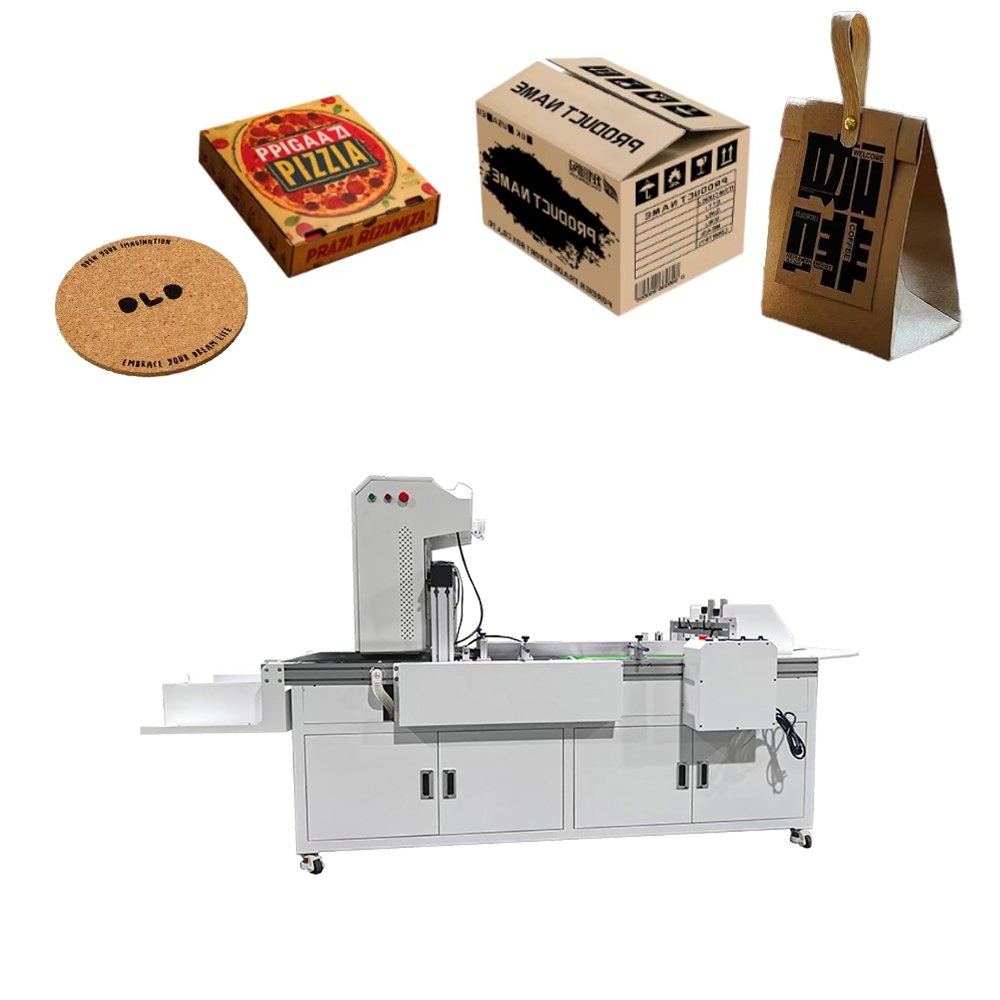
When evaluating water-based printing solutions for your global business, consider:
Ink Technology
· For garment printing: Ensure the ink is GOTS-approved, OEKO-TEX-certified, and proven for 20-30 wash durability.
· For wide-format signage: Look for low-VOC (<15%), GHS hazard-free certification, and GREENGUARD Gold certification for indoor applications.
Print Head Quality
Industrial print heads with high-density nozzle pitch ensure precise ink placement, reduced banding, and sharp details like fine lines and small text.
Curing System
The combination of pre-heater, platen heater, post-heater, blower fan, and UV LED lamp ensures proper water evaporation and complete curing.
Automation Features
Smart features like automatic bi-directional alignment, media feed correction, and barcode-based media tracking reduce waste and streamline workflows.
Global Support
Ensure your supplier offers worldwide voltage compatibility (110V-240V), remote diagnostics, and a local technician network. Downtime is expensive – your support network matters.
Real-World Applications
The Sign Shop
A wide-format print provider adds a water-based UV printer to their fleet. They can now handle heat-sensitive materials that their traditional UV printer would melt. They eliminate the 24-hour outgassing wait, completing rush jobs same-day. And they market their GREENGUARD Gold certified prints to schools, hospitals, and eco-conscious corporate clients.
The Custom Apparel Business
A print-on-demand entrepreneur switches to water-based DTG printing. Their customers love the soft, breathable feel – no plastic layer. The prints last through years of washing. And they can honestly market their products as non-toxic and environmentally responsible.
The Label Converter
A packaging printer installs a water-based aqueous inkjet press. They win contracts from pharmaceutical and food brands that require solvent-free, food-safe packaging. Their VOC emissions drop to zero. Their energy costs decrease. And their production speed increases.
The Bottom Line
Water-based printing is not a niche technology anymore. It’s a mainstream solution backed by major manufacturers like Fujifilm, Mutoh, Screen, Epson, Ricoh, and Brother. It’s proven in real-world applications across apparel, signage, labels, and packaging. And it’s positioned for explosive growth as the world shifts toward sustainable production.
The question isn’t whether water-based printing will become the industry standard. The question is whether your business will lead the transition or follow it.
The technology is ready. The market is demanding it. The regulations are moving toward it.
Contact our global sales team today to learn which water-based printing solution is right for your business. We offer live demonstrations, sample prints, and customized quotes including freight, installation, training, and ongoing support.
