Why a Water-Based Printer is the Smartest Investment for Your Business & the Planet

or conscious business owners in Berlin, California, Tokyo, and Melbourne:
The world has changed. Your customers don’t just want a beautiful print—they want a responsible print. They ask questions now:
· “Is this toxic?”
· “Can I wear it against my baby’s skin?”
· “Does your factory pollute local rivers?”
If you are still using solvent or plastisol-based printing, you are losing customers before they even see your price tag.
Enter the Water-Based Printer—the clean, safe, and highly profitable technology that satisfies both the strictest EU environmental standards and the most demanding fashion designers.
What is a Water-Based Printer? (And Why It Matters)
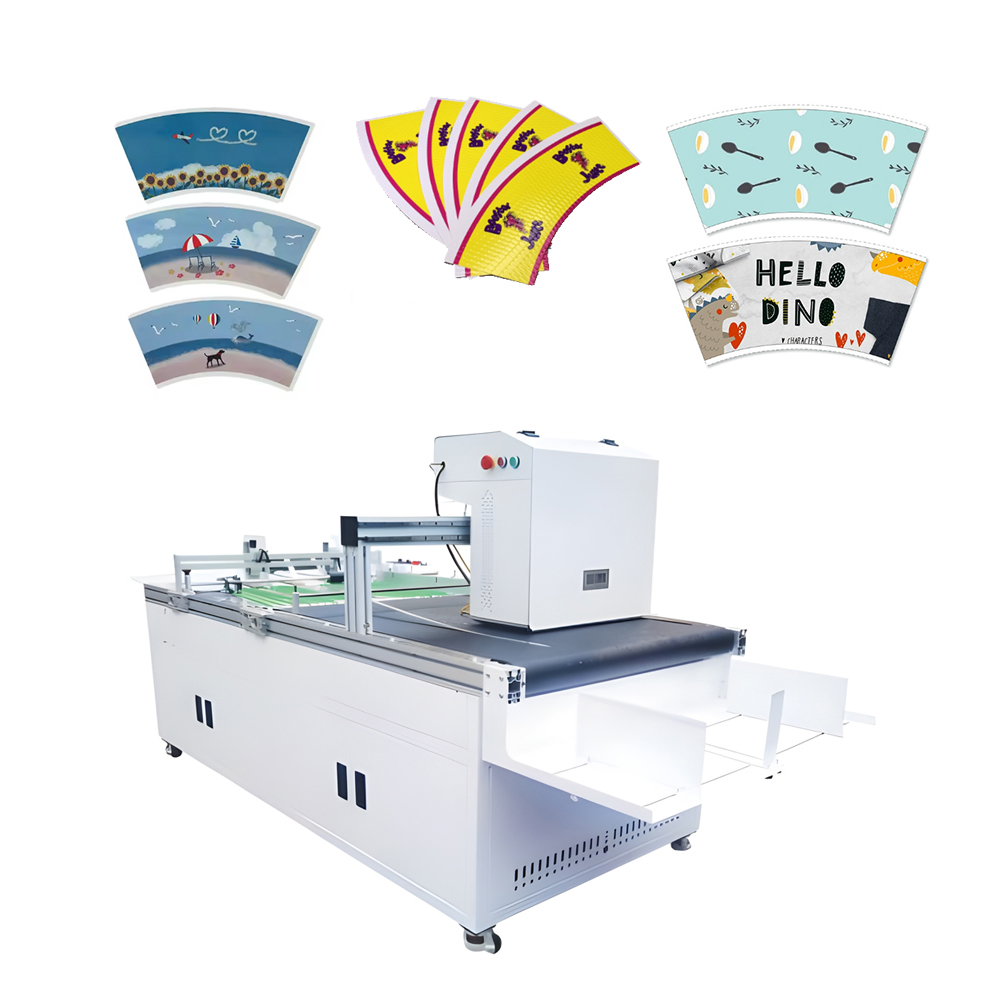
Unlike solvent printers that use harsh chemicals (VOCs) to bond ink to surfaces, water-based printers use H₂O as the primary solvent. Over 60% of the ink is simply water.
The result:
· No chemical smell
· No hazardous waste disposal fees
· No special ventilation requirements
· A “hand feel” so soft, customers can’t tell it’s printed
Water-Based vs. The Old Way
Feature Solvent / Plastisol Water-Based
Smell Strong chemical odor Almost none
Fabric Hand Feel Heavy, plastic layer Ultra-soft, breathable
Eco-Certification Difficult (VOCs) OEKO-TEX, GOTS ready
Cleanup Toxic solvents required Soap and water
Target Customer Mass market Premium, eco-conscious, baby/kids wear
5 Reasons Global Customers Are Switching to Water-Based
- The “Butter” Soft Feel
Plastisol sits on top of the fabric. Water-based ink bonds inside the fibers. You can run your hand across the print and feel nothing but the shirt itself. For high-end fashion brands and baby clothing lines, this is non-negotiable.
- No More “Factory Smell”
Ship directly to your customer’s home. When they open the package, they smell… nothing. Just clean fabric. No complaints. No returns due to chemical irritation.
- Compliance is Easy
Selling to Europe? You need REACH compliance. Selling to California? You need Prop 65 compliance. Selling to brands like Patagonia or Lululemon? You need ZDHC (Zero Discharge of Hazardous Chemicals). Water-based printing checks every box.
- Printer Maintenance is Simpler
Clean a solvent print head? You need gloves, ventilation, and hazardous waste disposal. Clean a water-based print head? A damp cloth and distilled water. Your maintenance time drops by 70%.
- Vibrant on Light and Dark Fabrics
Modern water-based inks (especially with a white underbase) now match the opacity of plastisol. You get the same pop of color on black shirts—without the heavy plastic layer.
Which Water-Based Printer is Right for You?
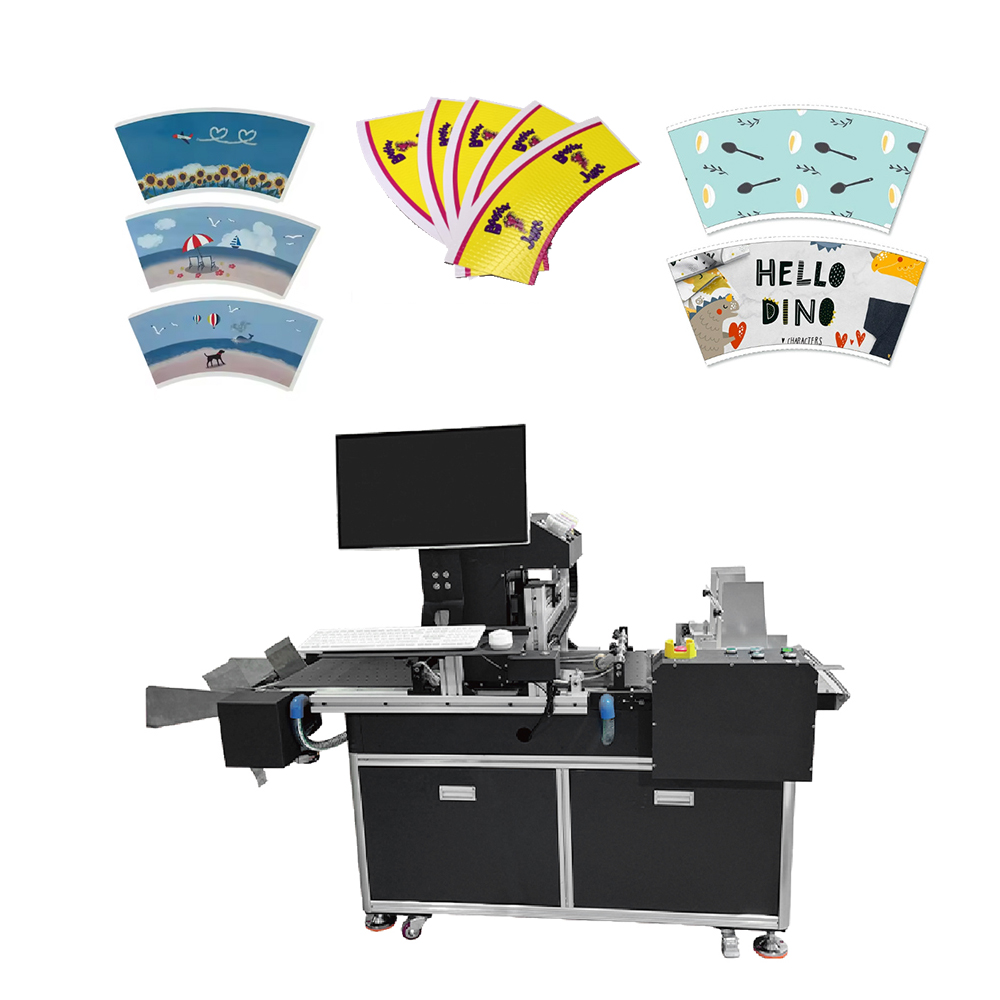
We offer two paths to clean printing:
🖨️ Water-Based DTG (Direct-to-Garment)
Best for: On-demand apparel, small batches, e-commerce stores.
· Print directly on t-shirts, hoodies, tote bags
· No pretreatment needed for many fabrics
· Zero ink waste
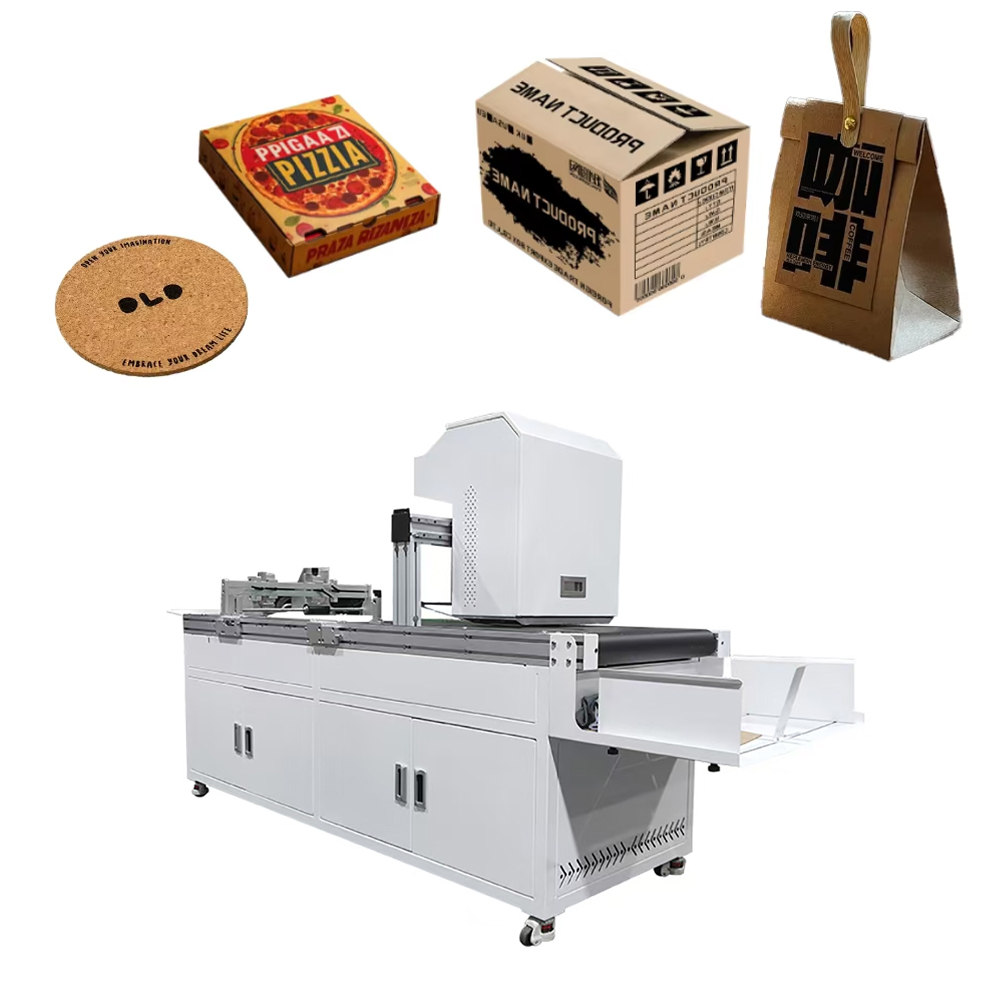
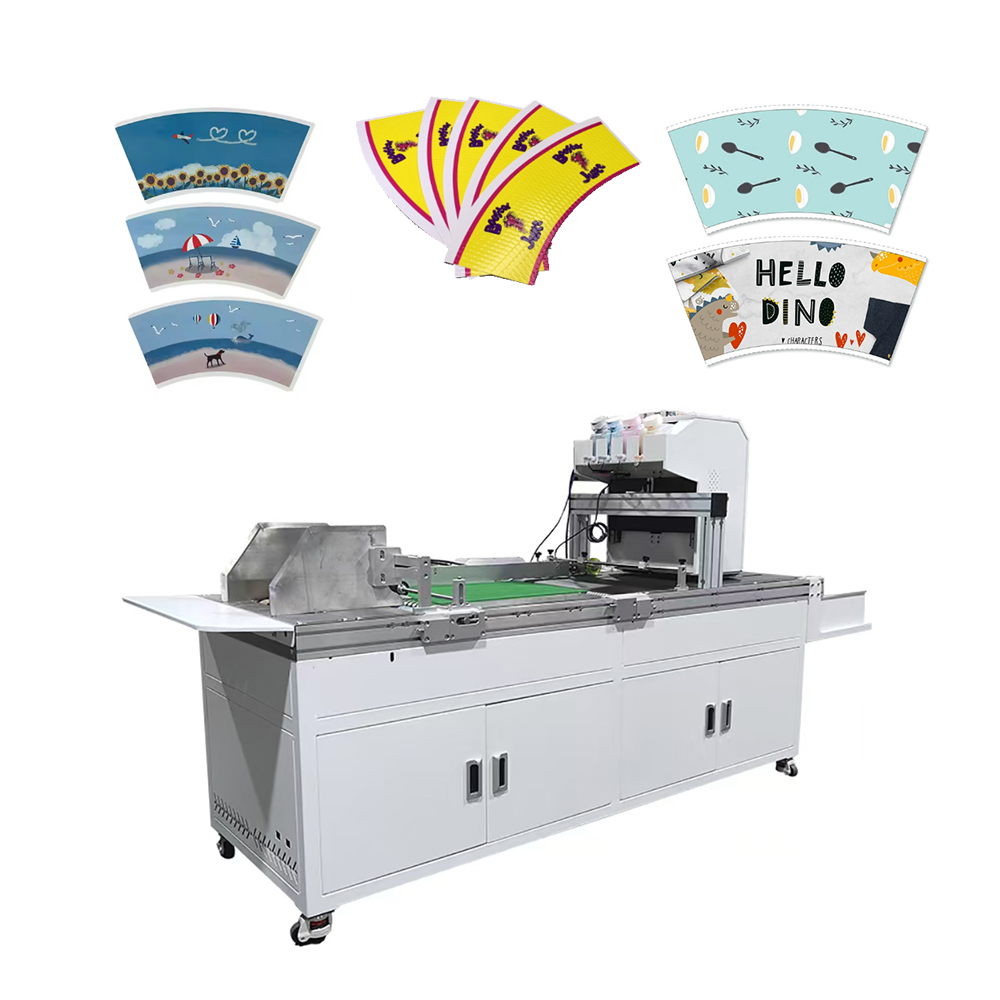
🖨️ Water-Based Screen Printing Press
Best for: Bulk orders, custom apparel shops, promotional products.
· Reclaim screens with water (no toxic chemicals)
· Perfect for discharge printing (removes dye, leaves ultra-soft print)
· Ideal for organic cotton and bamboo fabrics
Real Profits, Real Clean (Global Case Studies)
“We lost a $50,000 contract because we couldn’t prove our inks were non-toxic. That hurt. We bought a water-based DTG printer 6 months ago. Yesterday, we signed a deal with an organic baby clothing brand. They tested our print for heavy metals. Zero. Passed immediately.”
— Sophie L., France
“I print band merch in Austin, Texas. The summer heat is brutal. Solvent prints crack and peel. My water-based prints? They flex with the fabric. Bands love the vintage, soft feel. I charge $5 more per shirt and sell out every tour.”
— Marcus T., USA
“In Australia, our environmental laws are getting stricter every year. Switching to a water-based system wasn’t just ‘nice to have’—it was survival. Best decision we ever made. And the prints look beautiful on Australian cotton.”
— Jenna K., Sydney
The Numbers: Clean Doesn’t Mean Expensive
Myth: Water-based printing costs too much.
Truth:
· Ink cost per shirt (water-based DTG): $0.60 – $0.90
· Ink cost per shirt (plastisol): $0.50 – $0.80 (slightly less)
· Hazardous waste disposal (plastisol): $200+/month
· Hazardous waste disposal (water-based): $0
Plus: Many governments offer tax incentives for using low-VOC, water-based technology. Ask your local business development office.
Why International Buyers Choose Our Water-Based Printers
We understand that shipping precision equipment across borders requires trust.
✅ Factory-tested with water-based inks (no surprises)
✅ 110V / 220V ready (works everywhere)
✅ Free water-based starter kit (500ml of CMYK + white)
✅ 24/7 WhatsApp support (video troubleshooting)
✅ Replacement parts warehouses in USA, EU, UAE
The “Green Premium” – Charging More for Clean Printing
Consumers pay more for sustainability. It’s a fact.
· A standard printed t-shirt: $20
· The SAME t-shirt labeled “Eco-Friendly, Water-Based Inks”: $35 – $45
Your customers want to pay more—if you tell them why. We will provide you with free marketing materials (hang tags, social media graphics, and certification badges) to prove your water-based advantage.
Your Planet. Your Profit. Your Printer.
The printing industry is changing. Solvent regulations are tightening. Consumer awareness is rising. And the brands that adapt now will dominate the next decade.
You don’t have to choose between beautiful prints and a clean conscience.
With a Water-Based Printer, you get both.
