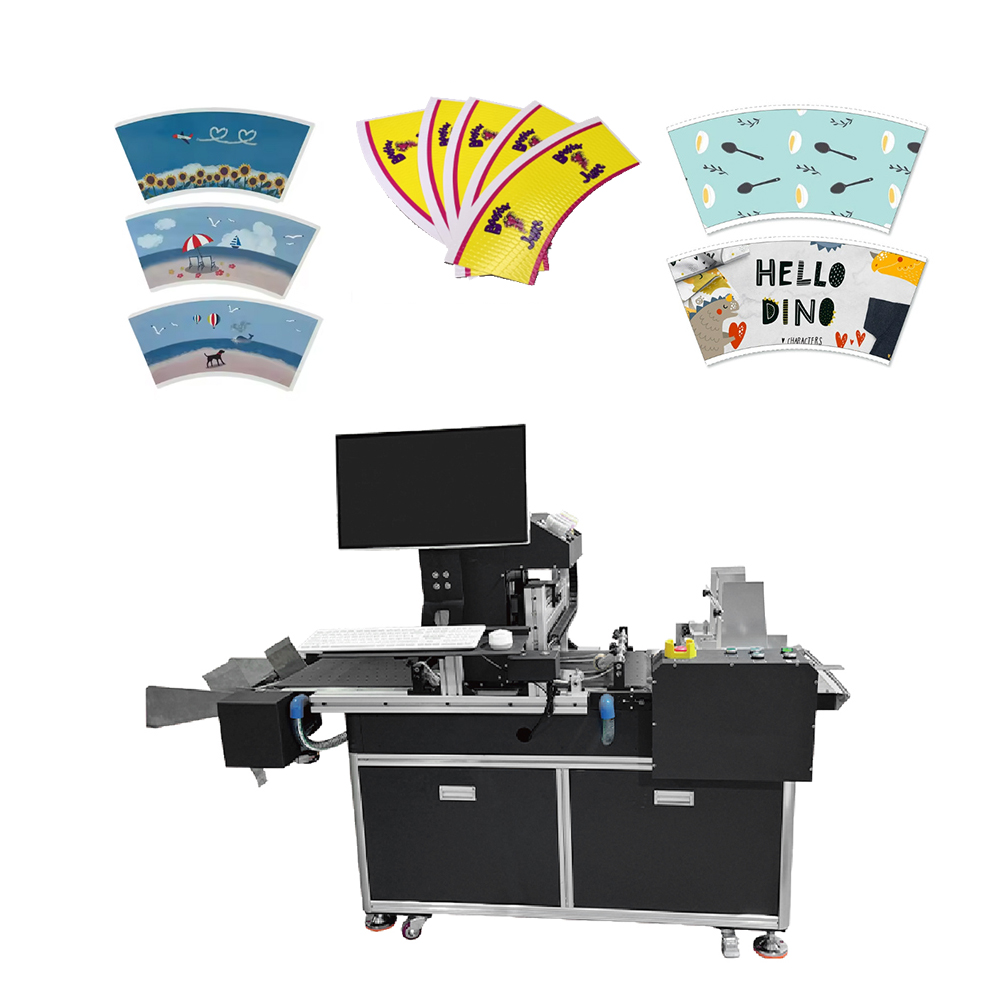
Full Auto Feeder Paper Silk Screen Printing Machine for Heat Transfer Film

Print Clean, Print Green – Why Water-Based Printers Are the Future of Digital Printing
Subtitle: No harsh solvents. No toxic fumes. No hazardous waste. Just brilliant, durable prints that satisfy your customers and protect the planet – from a machine safe enough for your home or office.
The Toxic Truth About Traditional Printing
For decades, commercial printing meant compromise:
· Solvent inks – Durable, but toxic, smelly, and heavily regulated
· Eco-solvent inks – “Less bad,” but still contain chemical irritants
· UV inks – Instant curing, but requires ventilation and produces waste
These inks release Volatile Organic Compounds (VOCs) into the air. They require special ventilation, hazardous waste disposal, and shipping restrictions. And increasingly, customers don’t want them.
Water-based printers change everything.
Water-based inks are composed of 60–90% water with pigments or dyes. No VOCs. No toxic fumes. No special disposal. Just clean, vibrant, professional printing that works anywhere.
Why Global Businesses Are Switching to Water-Based
- Safe for People – Safe for the Planet
Water-based inks contain:
· Zero VOCs – No harmful airborne chemicals
· Zero heavy metals – No lead, cadmium, or mercury
· Zero carcinogens – Safe for children’s products
· No hazardous shipping classification – Worldwide delivery without permits
This means:
· Print indoors – Home office, retail store, school, hospital
· No special ventilation – Open a window, not an industrial exhaust
· Easy cleanup – Water and soap, not acetone or solvents
· Lower compliance costs – No hazardous waste disposal fees
For customers in Europe (REACH), North America (Greenguard), Australia (GECA), or Japan (Eco Mark) – this is non-negotiable.
- Exceptional Color & Image Quality
Water-based inks penetrate fibers rather than sitting on top:
Feature Water-Based Solvent/UV
Color gamut Wider – especially pastels Narrower
Fine text (4pt) Sharper Can bleed
Gradients Smoother Can band
Hand feel (on fabric) Soft – part of the fabric Plastic-like
Photo realism Excellent Good
Gallery-quality art prints, museum-grade photographs, and premium apparel – all achievable with water-based technology.
- Growing Market Demand
Eco-conscious consumers are willing to pay more for sustainable products:
· 73% of global consumers would change habits to reduce environmental impact
· 68% are willing to pay more for eco-friendly products
· Water-based printing is a top selling point for baby clothes, organic brands, and green businesses
Market this advantage. Use phrases like “non-toxic,” “baby-safe,” “VOC-free,” and “planet-friendly” – and charge premium prices.
- Wide Material Compatibility
With proper pretreatment or coating, water-based printers handle:
Material Type Examples Best Printer Type
Fine art paper Cotton rag, bamboo, washi Pigment
Photo paper Glossy, matte, metallic Dye or pigment
Cotton fabric T-shirts, tote bags, onesies DTG (water-based)
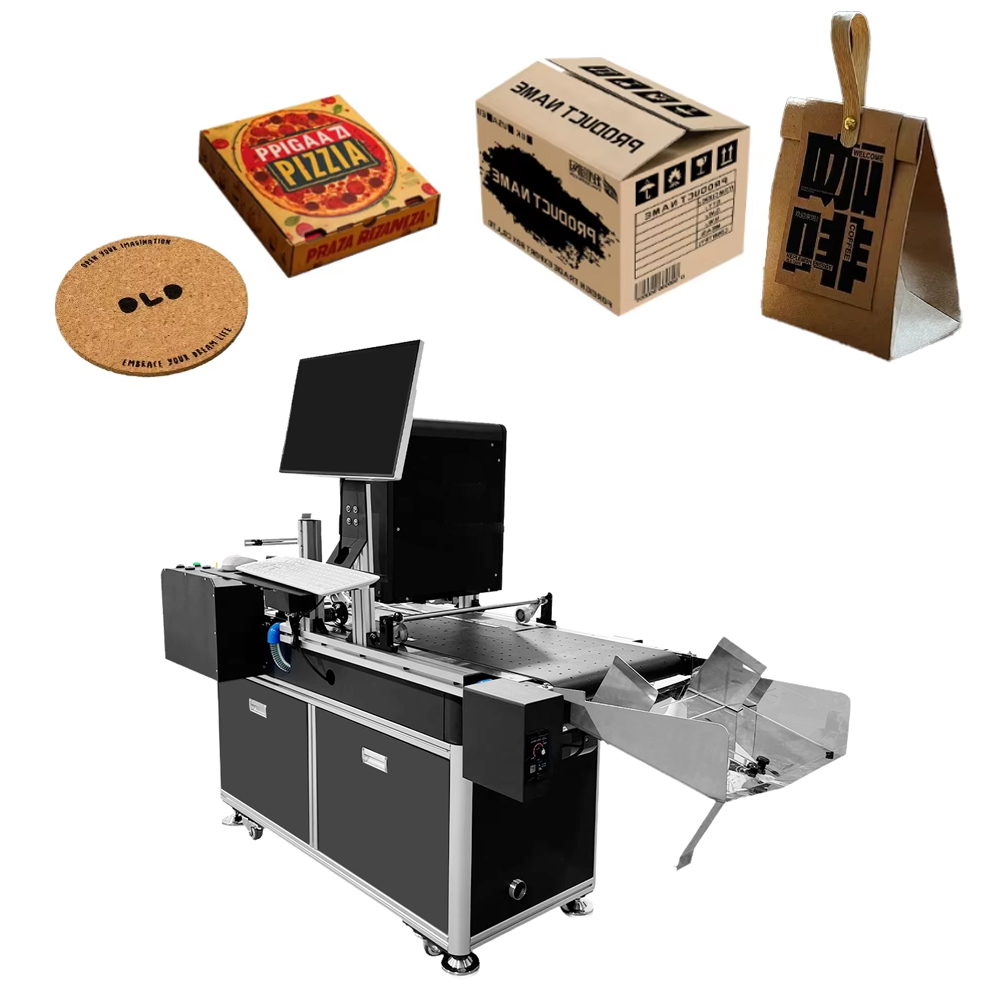
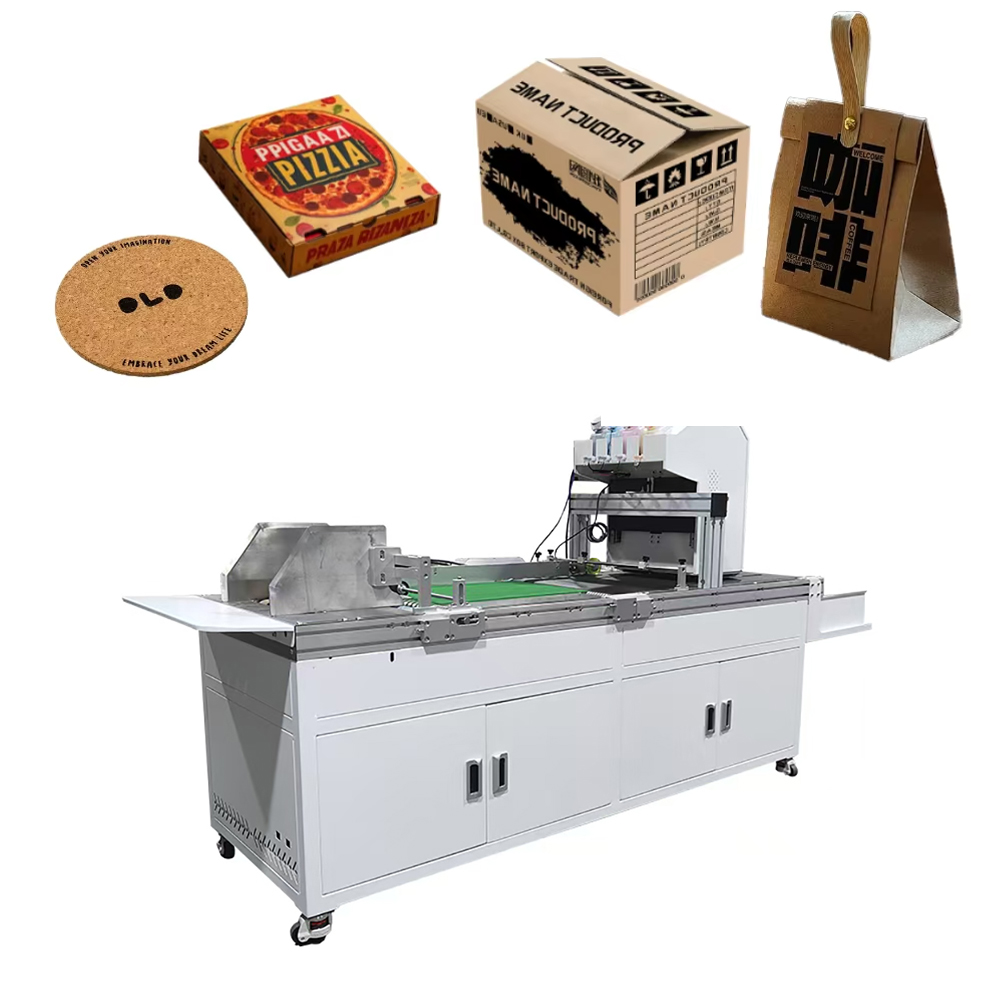
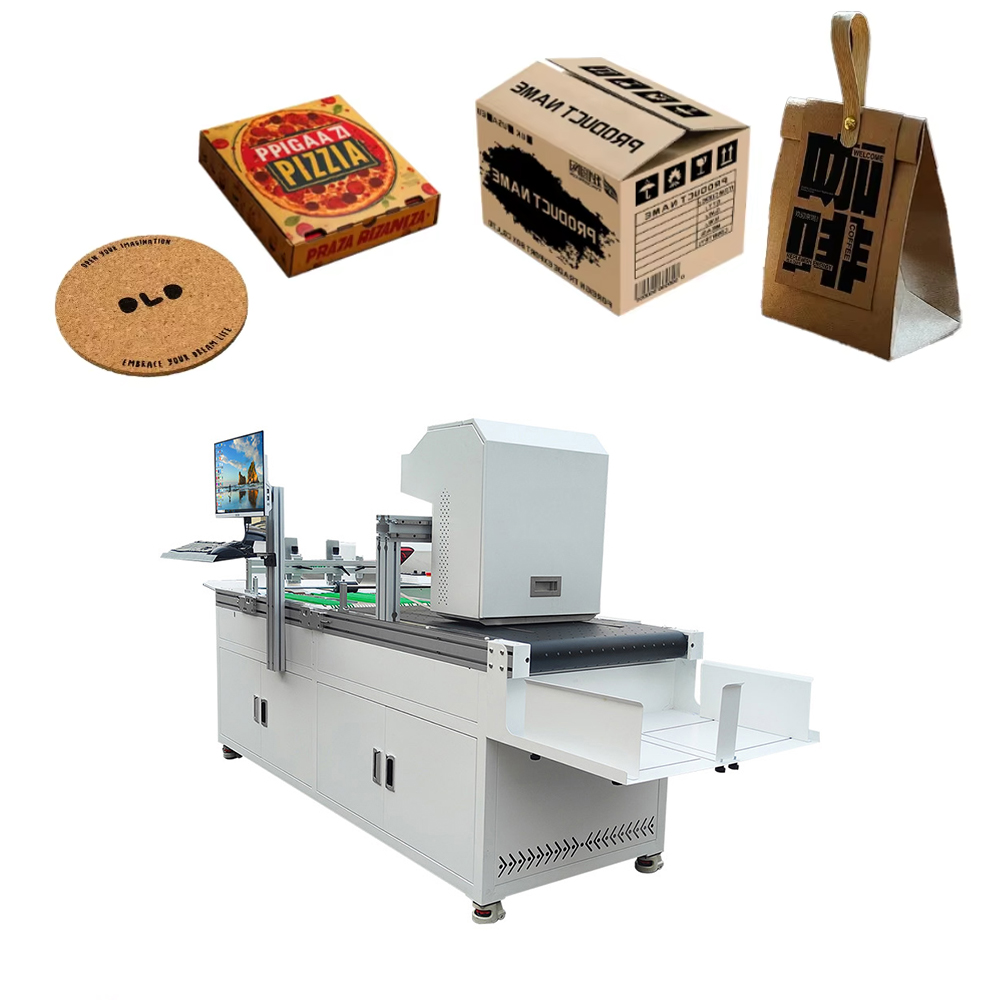
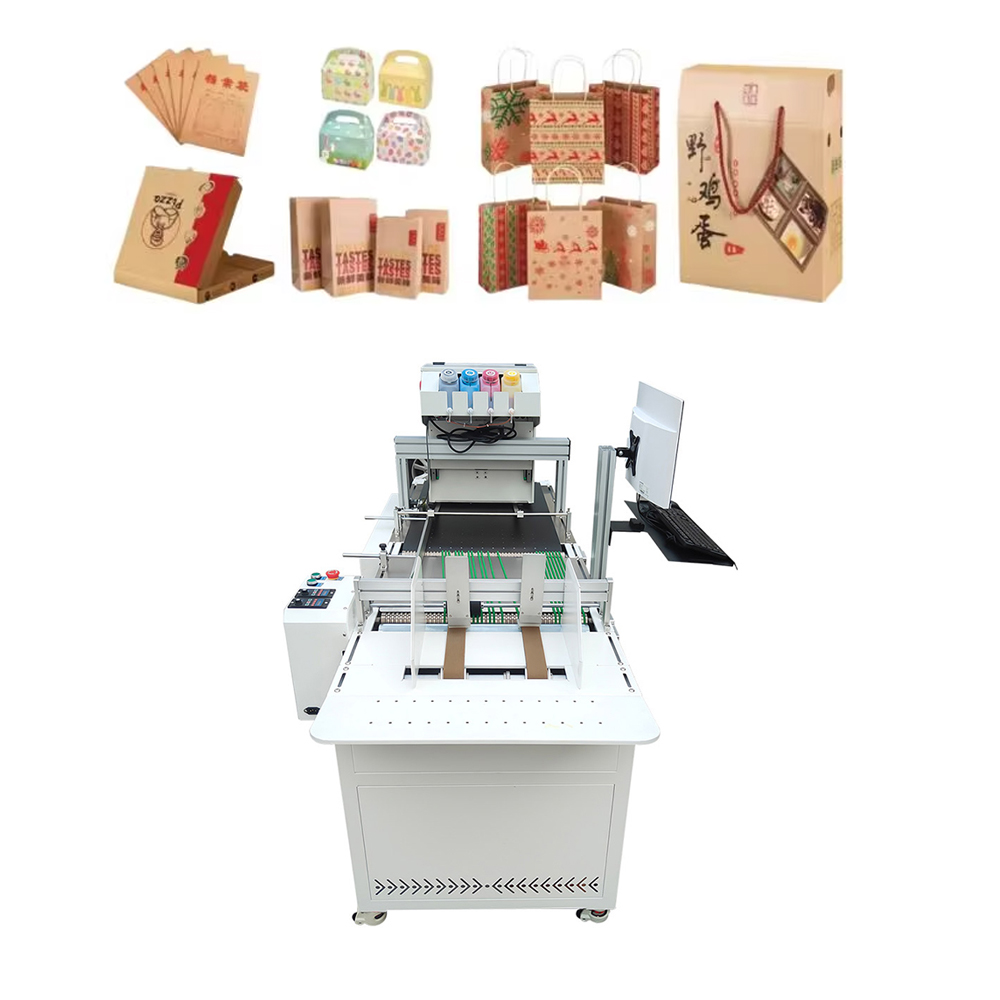
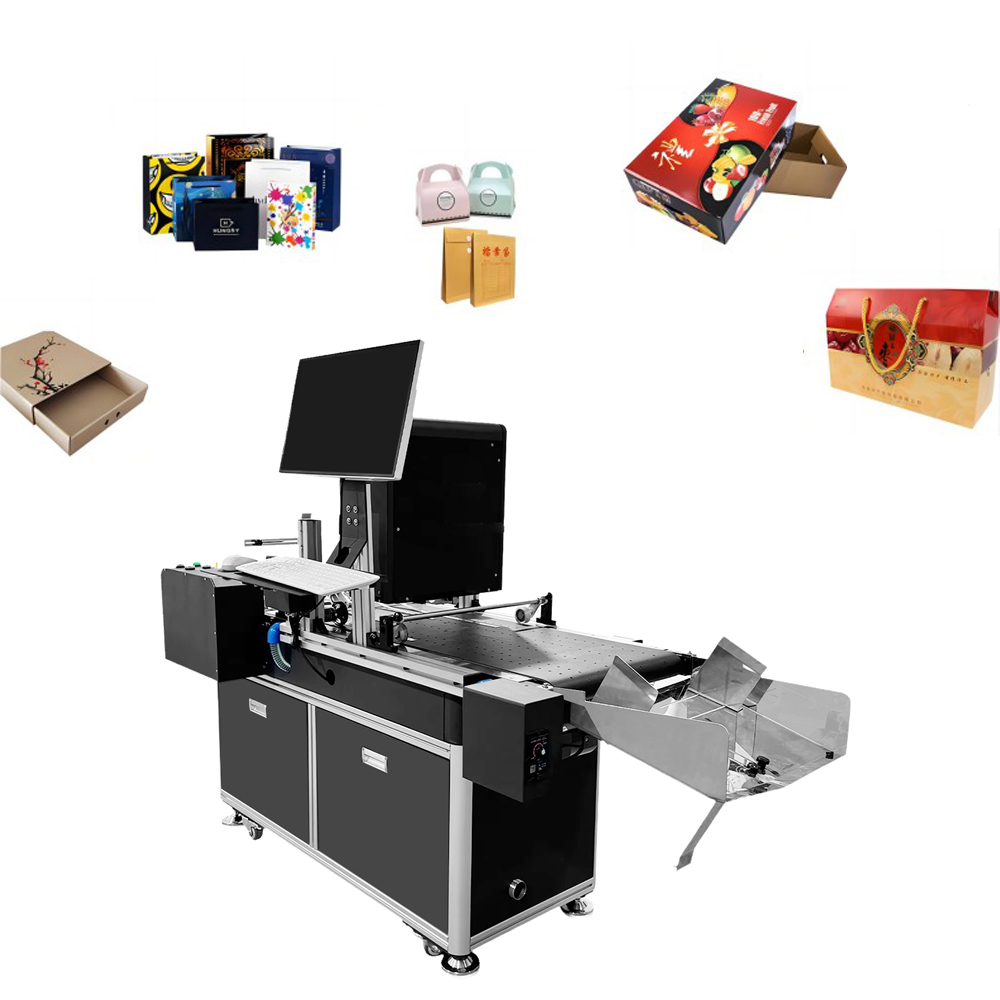
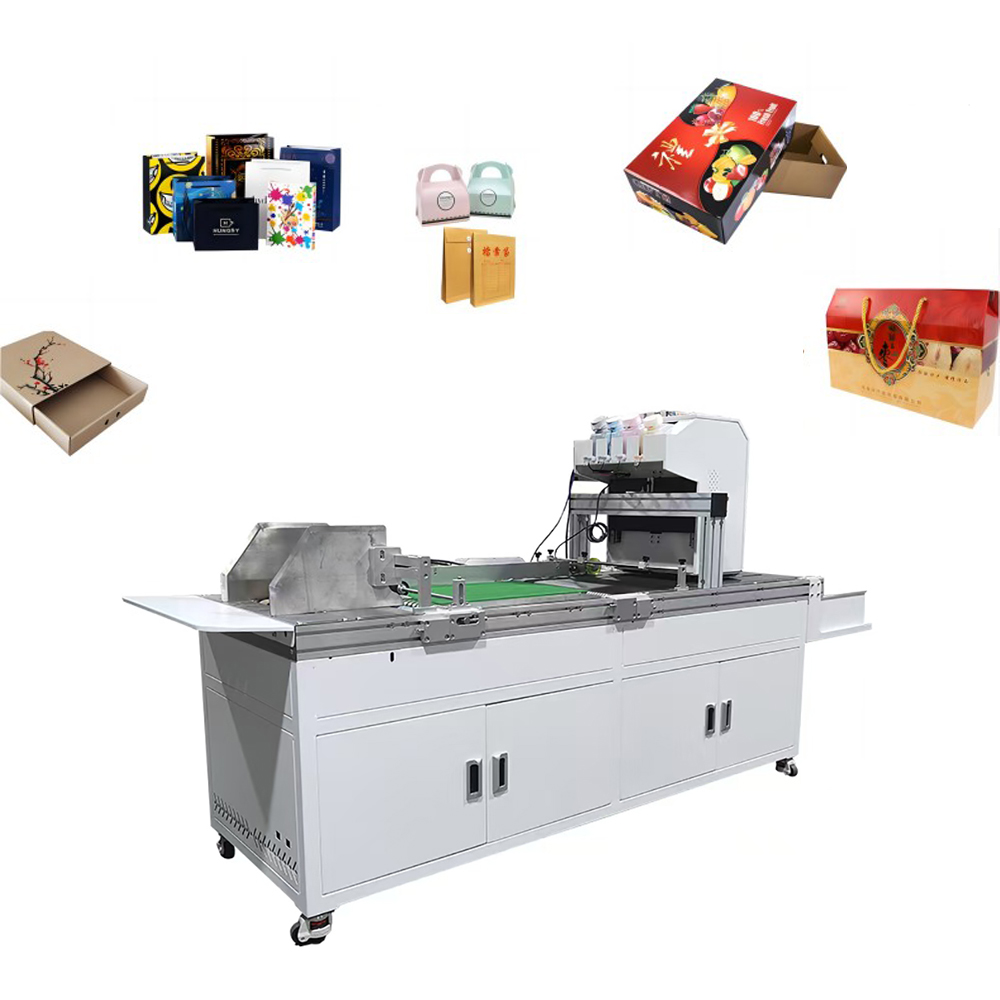
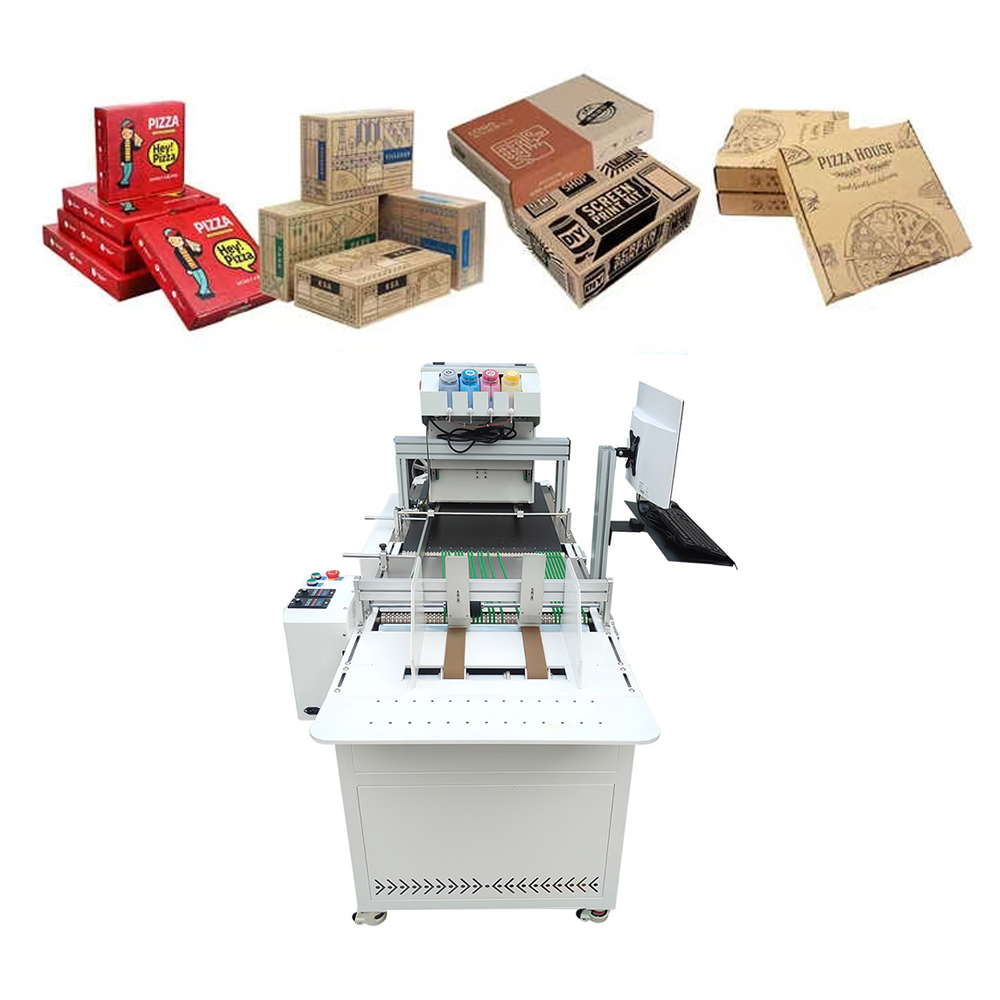
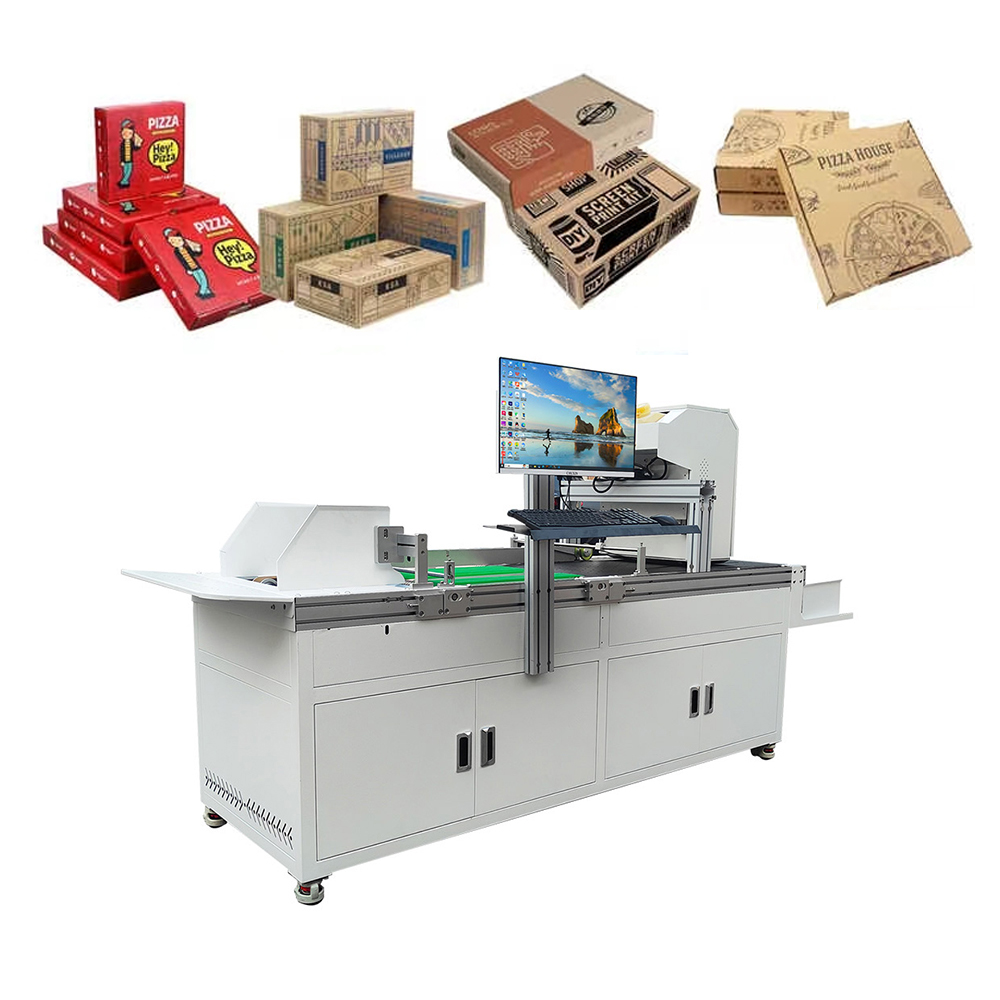
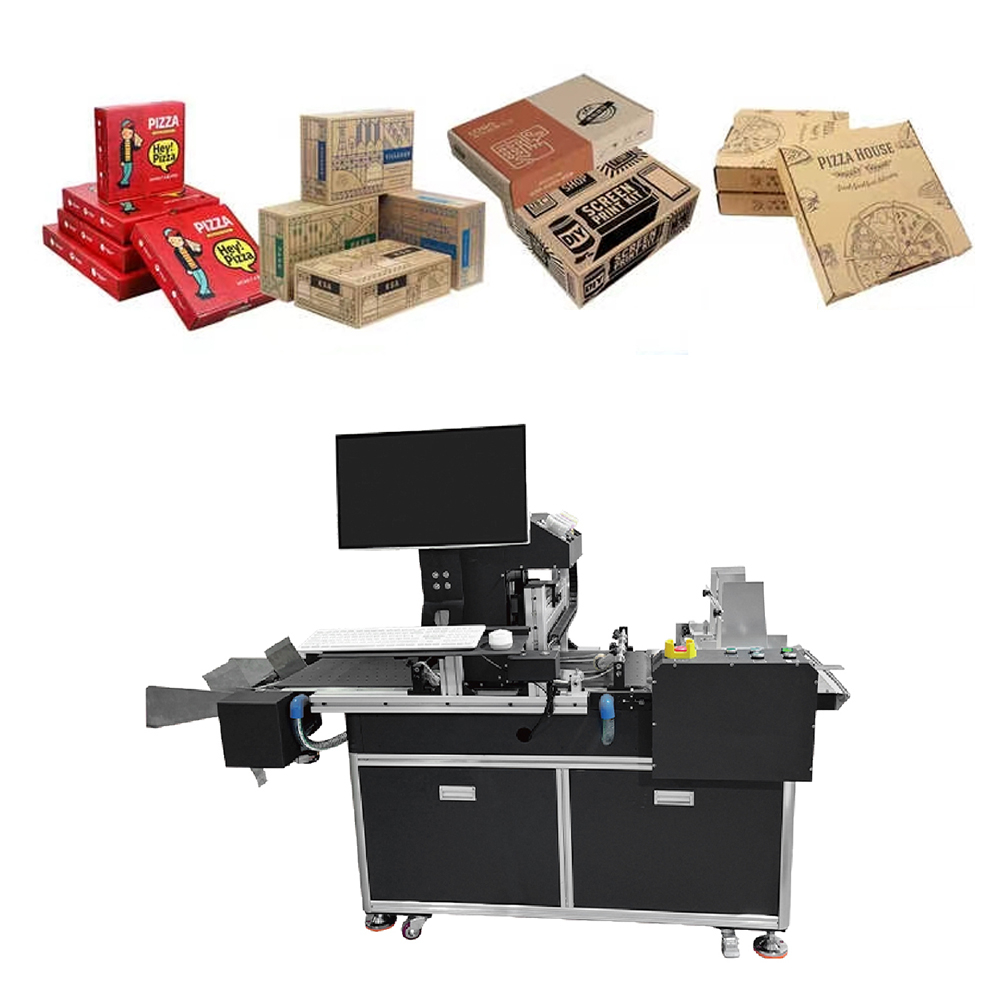
Cardboard / Kraft Packaging, boxes Pigment
Raw wood Signs, decor Pigment
Canvas Art prints, wall decor Pigment
Leather Patches, goods Pigment (with binder)
Two Main Types of Water-Based Printers
Type Best For Ink Properties Durability Price Range
Dye-based High-quality photo prints, proofing Bright colors, less water-resistant Low-medium $200–1,000
Pigment-based Fine art, outdoor signage, apparel, packaging UV-resistant, waterproof, long lasting High (2–5 years outdoor) $500–5,000+
For commercial use, choose pigment-based waterborne inks. Dye-based is for hobbyists and proofing only.
Water-Based DTG – Special Focus
For apparel printers, water-based DTG is the gold standard for soft, breathable prints.
Why DTG customers love water-based:
· Soft hand feel – Ink bonds inside cotton fibers
· Breathable – No plastic layer trapping heat
· Baby-safe – No chemical residue on sensitive skin
· Vegan – No animal products in the ink
Best-selling DTG products:
· Baby onesies (parents pay premium for non-toxic)
· Organic cotton t-shirts
· Concert merchandise
· Custom pet portraits
Real-World Success Stories
Case Study: Berlin, Germany – Fine Art Print Studio
· Before: Solvent printers – customers complained about smell.
· After: Water-based pigment printer. “100% non-toxic” certification.
· Result: Sales increased 40%. Now supplies museums and galleries.
Case Study: Austin, USA – Baby Apparel Brand
· Before: Outsourced – couldn’t guarantee non-toxic inks.
· After: Water-based DTG in-house.
· Result: “Baby-safe” became #1 marketing message. Sales doubled in 6 months.
Case Study: Mumbai, India – Packaging Printer
· Before: Solvent inks – rejected by organic food brands.
· After: Water-based pigment printer for cardboard boxes.
· Result: Won contracts with 12 organic brands. Revenue up 35%.
Case Study: Melbourne, Australia – Home Decor Business
· Before: Outsourced canvas prints – unknown inks.
· After: A2 water-based pigment printer.
· Result: “Eco-friendly, made in Australia” premium pricing. Margin 40%→70%.
Case Study: Toronto, Canada – School Photography
· Before: Parents concerned about chemical smells.
· After: Water-based pigment printer.
· Result: “Non-toxic prints safe for children” – won 5 new school contracts.
Overcoming Common Hesitations
“Are water-based prints less durable?”
Modern pigment-based water inks are highly durable:
· UV-resistant – 2–5 years outdoors (under glass or laminate)
· Waterproof – Once cured, pigment bonds permanently
· Washable – 50+ washes on fabric with proper heat setting
Choose pigment for commercial durability.
“Is the printer more expensive?”
Initial cost: Similar to or lower than solvent.
Ink cost: 10–30% higher than solvent per liter.
But you save on:
· Ventilation equipment ($500–2,000)
· Hazardous waste disposal ($100–500/month)
· Regulatory fees and permits
Overall: Water-based is often cheaper total cost of ownership.
“Do I need special paper or pretreatment?”
· Paper – Use coated inkjet paper (standard, widely available)
· Fabric (DTG) – Pretreatment required for dark garments
· Raw wood/canvas – No pretreatment needed
“What about speed?”
Water-based printers are comparable to solvent at the same price point. Industrial water-based units exist for high volume – but most small businesses don’t need that speed.
Key Features to Look For
Feature Why It Matters
Pigment (not dye) Outdoor durability, waterproof
Bulk ink system Lowers cost from $0.50/page to $0.05/page
Sealed ink lines Prevents drying and clogging
ICC profile support Accurate color across different papers
VOC-free certification Proof for eco-conscious customers
Resin or polymer binder Improves washability and scratch resistance
Auto nozzle cleaning Reduces maintenance time
Your Target Customers (Who Will Pay Premium)
Customer Type Why They Want Water-Based Premium They’ll Pay
Organic/eco brands Must align with their values 20–50%
Parents (baby products) Safety for children 30–100%
Schools & hospitals Regulations require non-toxic 15–30%
Art galleries Archival quality matters 25–50%
Corporate gift buyers ESG (Environmental Social Governance) goals 10–25%
European customers REACH compliance required 20–40%
Market to these niches – they actively seek water-based printers.
Your 5-Step Water-Based Launch Plan
Step 1 – Choose Your Niche
I want to sell… Buy this… Budget
Fine art prints, posters, stickers A3/A2 pigment printer $500–1,500
Custom t-shirts (cotton) DTG water-based printer $3k–15k
Packaging, boxes, kraft paper A3+ pigment printer $800–2,000
Canvas wall art A2 pigment printer $1,000–2,500
Step 2 – Get Certifications (Marketing Gold)
· Greenguard Gold (US) – Safe for schools
· REACH compliant (Europe) – Legal requirement
· Oeko-Tex (Apparel) – Safe for skin
· VOC-free – Your own testing or supplier cert
Display these badges on your website and packaging.
Step 3 – Master Your Profiles
ICC profiles = accurate colors. Spend time dialing in settings for each paper/material. This separates pros from amateurs.
Step 4 – Build Your “Green” Marketing Message
Use these phrases everywhere:
· “100% non-toxic, water-based inks”
· “Safe for children – no chemicals”
· “VOC-free – print indoors with confidence”
· “Eco-friendly alternative to solvent printing”
Step 5 – Target Green Marketplaces
· Etsy – “Eco-friendly” is a top search filter
· Amazon – “Non-toxic” and “VOC-free” keywords
· Local – Organic markets, school fairs, baby expos
· B2B – Organic brands, green hotels, eco-resorts
Profitability Calculator (Monthly Example)
Water-Based Pigment Printer – Fine Art Prints
Revenue Amount
100 A3 prints @ $25 $2,500
50 A2 prints @ $40 $2,000
200 stickers @ $5 $1,000
Monthly revenue $5,500
Costs Amount
Paper (200 sheets @ $1) $200
Ink (500ml @ $0.15/ml) $75
Machine payment ($1k/12mo) $83
Total costs $358
| Monthly net profit | $5,142 |
| ROI on $1k printer | < 1 month |
The Bottom Line
Water-based printing is not just an eco-trend – it is a business advantage.
Benefit Impact
Safe Print anywhere, no ventilation
Vibrant Wider color gamut than solvents
Compliant Meets global environmental regulations
Marketable Customers pay more for non-toxic
Future-proof Solvent regulations are tightening worldwide
Whether you are in Tokyo, Toronto, or Tunis – switching to water-based positions you for the future.
Governments are restricting VOCs. Consumers are demanding safer products. Large brands are requiring sustainable supply chains.
The question is not “if” – it is “when.”
Start now. Print clean. Print green. Profit globally.
Ready to make the switch to water-based printing?
[Request a live water-based printer demo] – See the quality and safety
[Download the Water-Based vs. Solvent Comparison Sheet] – Free PDF
[Get the VOC-Free Certification Guide] – For your country and market
[Send us your design] – We’ll print a sample on water-based inks
[Take the Printer Quiz] – Which water-based printer fits your business?
