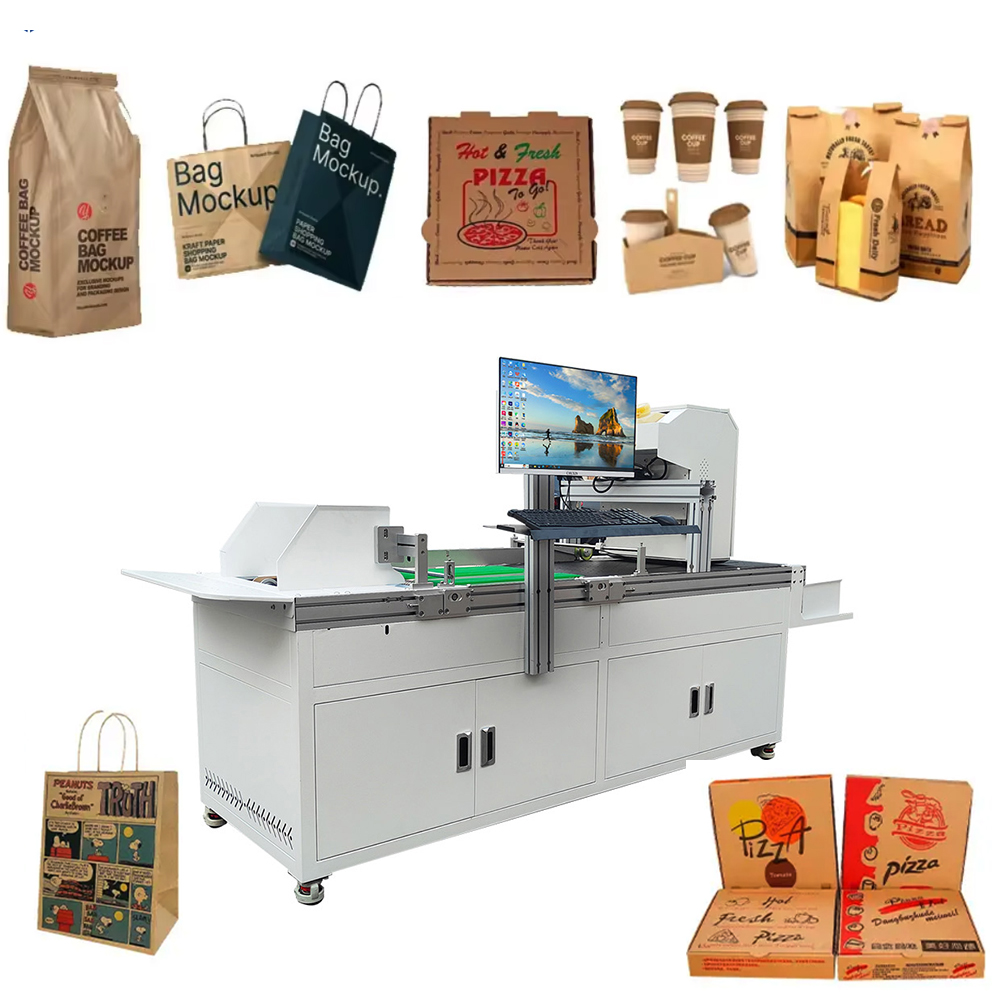
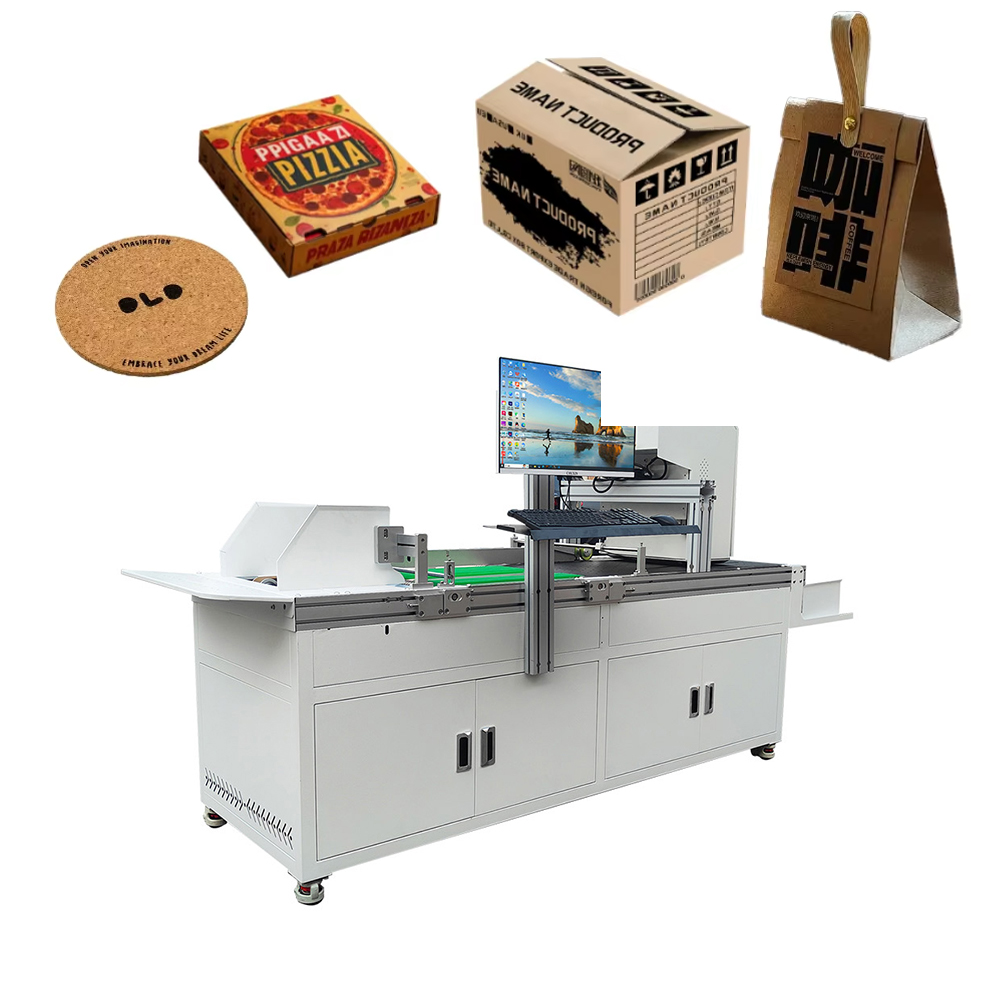
Pass Digital Packaging Printer for Pizza Box Corrugated Box and Shipping Cartons

Headline: Water-Based Printer: The Eco-Revolution That Prints on Anything—No Fumes, No Guilt, No Compromise
Subheadline: $905 million market and growing 4.5% annually. Join the global shift to sustainable, high-performance printing that wins contracts solvent and UV printers can’t touch.
The printing industry is at a crossroads. Brand owners are demanding sustainability. Governments are tightening VOC regulations. And your customers—from boutique packaging designers to massive textile manufacturers—want stunning quality without harming the planet.
Enter the water-based printer.
Not the slow, smeary machines of the past. Today’s water-based inkjet technology delivers industrial speed, brilliant color, and rock-solid durability—all while keeping your shop odor-free and your conscience clear.
Here’s why print service providers from Munich to Melbourne are switching to water-based technology—and why you should too.
- The $1.2 Billion Market Opportunity—Why Water-Based Is Winning
The numbers don’t lie. The global water-based inkjet press market was valued at US$905 million in 2024** and is projected to reach **US$1.226 billion by 2031, growing at a steady 4.5% CAGR .
Why the explosive growth?
· Environmental regulations are phasing out solvent-based inks worldwide
· Brand owners are demanding sustainable supply chains
· End consumers actively seek eco-friendly products and packaging
The Asian market—particularly China and India—is the strategic core for future growth, but demand is surging across North America, Europe, and the Middle East . Early adopters aren’t just saving the planet—they’re capturing market share while competitors scramble to catch up.
- What Is a Water-Based Printer? (And Why It’s Different)
A water-based inkjet printer uses water as the primary solvent carrier for its pigments. Unlike solvent, eco-solvent, or UV printers that rely on harsh chemicals, water-based inks are VOC-free (or extremely low-VOC) and produce minimal odors .
Key advantages over traditional printing:
Feature Water-Based Solvent / Eco-Solvent UV / UV Gel
VOC emissions None to very low High Moderate
Odor Odorless or weak Strong chemical smell Noticeable
Ventilation required No Yes (special) Sometimes
Hazard labeling None (GHS hazard-free) Required Often required
Indoor air quality certification GREENGUARD Gold Rare Uncommon
Printhead durability Excellent Good Variable
Water-based inks come in several flavors:
Traditional water-based (aqueous): Best for paper, coated stocks, and textiles. Produces exceptional color accuracy and image clarity .
HP Latex (water-based latex): Up to 70% water formula. The liquid ink carries latex polymer particles; heat evaporates the water and sets the latex, leaving a durable, scratch-resistant image .
Water-based UV (like Mutoh’s AQUAFUZE™): A hybrid technology combining water-based and UV-curable benefits. Low-VOC, low-odor, and adheres to non-porous materials without primers .
- The Sustainability Advantage That Wins Contracts
Here’s the reality: “Sustainability is already affecting your bottom line—whether you realize it or not,” says Richard Bottrill, Head of Engineering and Sustainability at Pearce Signs .
Water-based printers give you certifications that matter to clients:
UL ECOLOGO® Certification
HP Latex inks meet stringent health and environmental criteria, including toy safety requirements . This certification is recognized globally as proof of reduced environmental impact.
GREENGUARD Gold Certification
Water-based HP Latex inks achieve GREENGUARD Gold at an unrestricted level—meaning they produce low enough emissions to be used in schools, hospitals, and other sensitive environments .
GHS Hazard-Free
Mutoh’s AQUAFUZE™ water-based UV ink contains less than 15% VOCs, is free from Substances of Very High Concern (SVHC), and requires no hazard markings .
Real-world example:
DRPG, a global creative communications group and B Corp-accredited company, recently installed an HP Latex FS50W super-wide printer specifically to strengthen its sustainability strategy. Their Head of Print stated: “The printer enables us to offer a broad range of applications while tracking our Scope 3 emissions across the entire supply chain” .
Marketing hook for your customers: When you can show clients GREENGUARD Gold certification, you’re not just selling prints—you’re selling safety and compliance. That wins government contracts, healthcare projects, and school district bids.
- Print on Almost Anything—Without Pretreatment
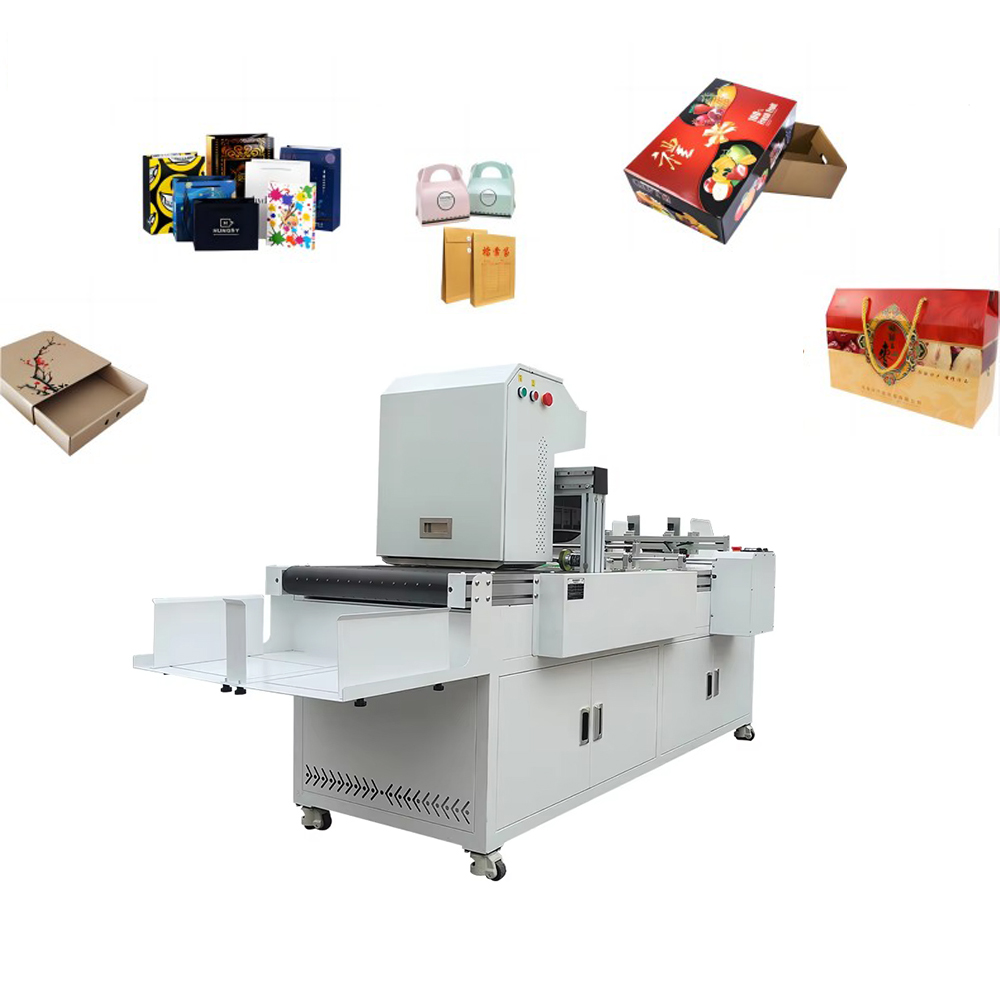
Water-based printers have evolved dramatically. Today’s models handle an astonishing range of substrates:
HP Latex printers are compatible with:
· Retail displays and outdoor signage
· Window graphics and vehicle wraps
· Event and exhibition displays
· Soft signage and textiles
· Stickers, decals, and clothing
· Wall coverings, canvases, and PVC flooring
· Reclaimed wood, FSC-certified sustainable papers
· PVC-free materials and synthetic leather
Mutoh’s HydrAton 1642 (water-based UV) prints on non-porous materials without primers or adhesion promoters—including wallpapers, retail décor, indoor signage, and public space applications .
Screen’s Truepress Label 520AQ handles PP, BOPP, and coated papers for premium label markets like pharmaceutical and agri-chemical applications .
One technology. Hundreds of substrates. Unlimited customers.
- Industrial Speed Without Industrial Compromise
Gone are the days when “eco-friendly” meant “slow.”
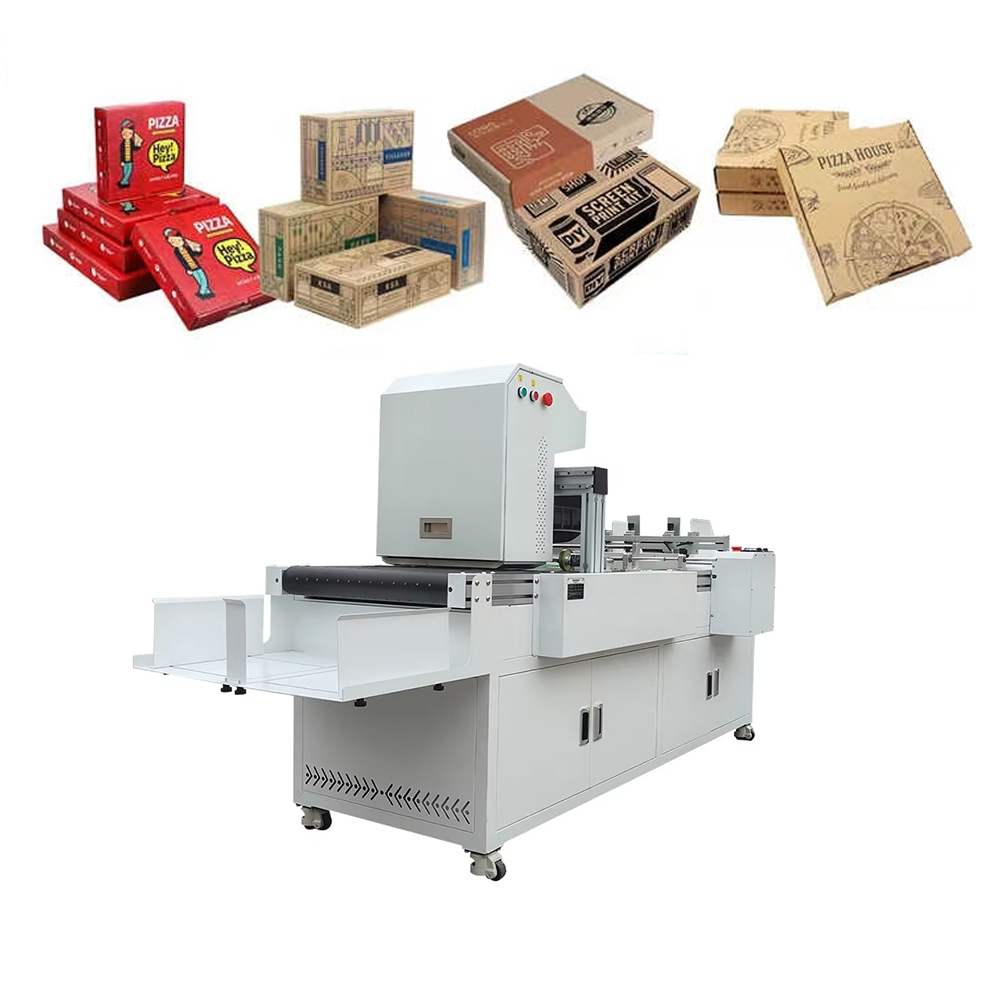
Screen Truepress Label 520AQ (water-based inkjet for labels)
· Speed: Up to 100 meters per minute
· Resolution: 1200 x 1200 dpi
· Width: 520mm web width
· Drying: Integrated NIR drying unit handles dense coverage
HP Latex FS50W (super-wide format)
· Width: Up to 3.2 meters
· Speed: Up to 89 square meters per hour
· Capabilities: Five-layer printing including white ink for backlit displays
Mutoh HydrAton 1642 (water-based UV)
· Width: 64 inches / 1625mm
· Temperature: Operates at just 30–50°C (vs. high-heat latex/resin printers)
· Printheads: Two AccuFineHD printheads with improved ink placement accuracy
These aren’t prototype machines. These are production-ready workhorses.
- Superior Image Quality That Rivals Offset
Water-based inkjet technology has closed the quality gap completely.
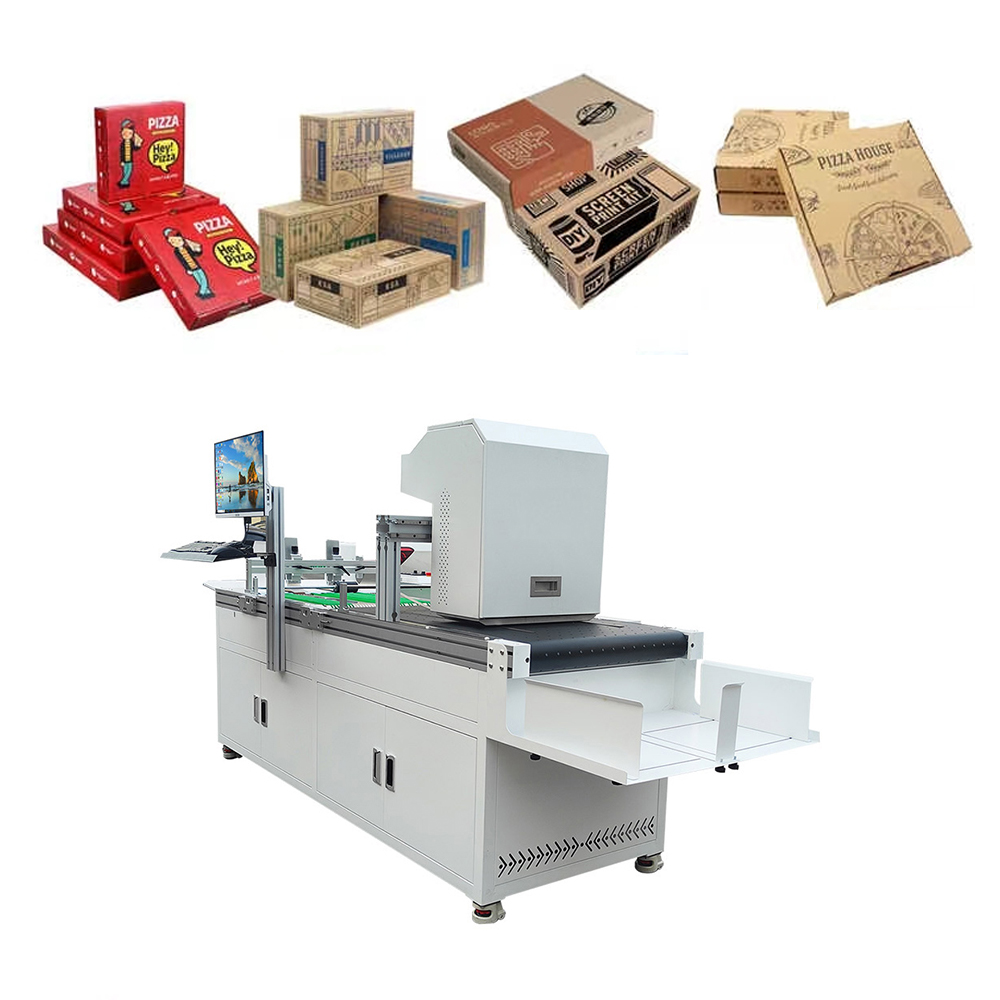
Screen’s Truepress Label 520AQ delivers offset-class print quality with 1200 x 1200 dpi resolution and proprietary SC+ inks . HP Latex produces odorless prints with superior color gamut—DRPG noted that “the color gamut range was so much better than our previous printer” .
Key quality advantages:
· No banding thanks to advanced printhead alignment
· Sharp fine lines and small text (AccuFineHD technology)
· Vibrant backlit displays using five-layer printing with white ink
· Excellent scratch resistance without overcoats (water-based UV)
Result: Your clients get premium quality that competes with offset and flexo—without the setup costs or minimum runs.
- Healthier Workplace = Happier Employees + Lower Overhead
This is a hidden ROI driver that smart business owners love.
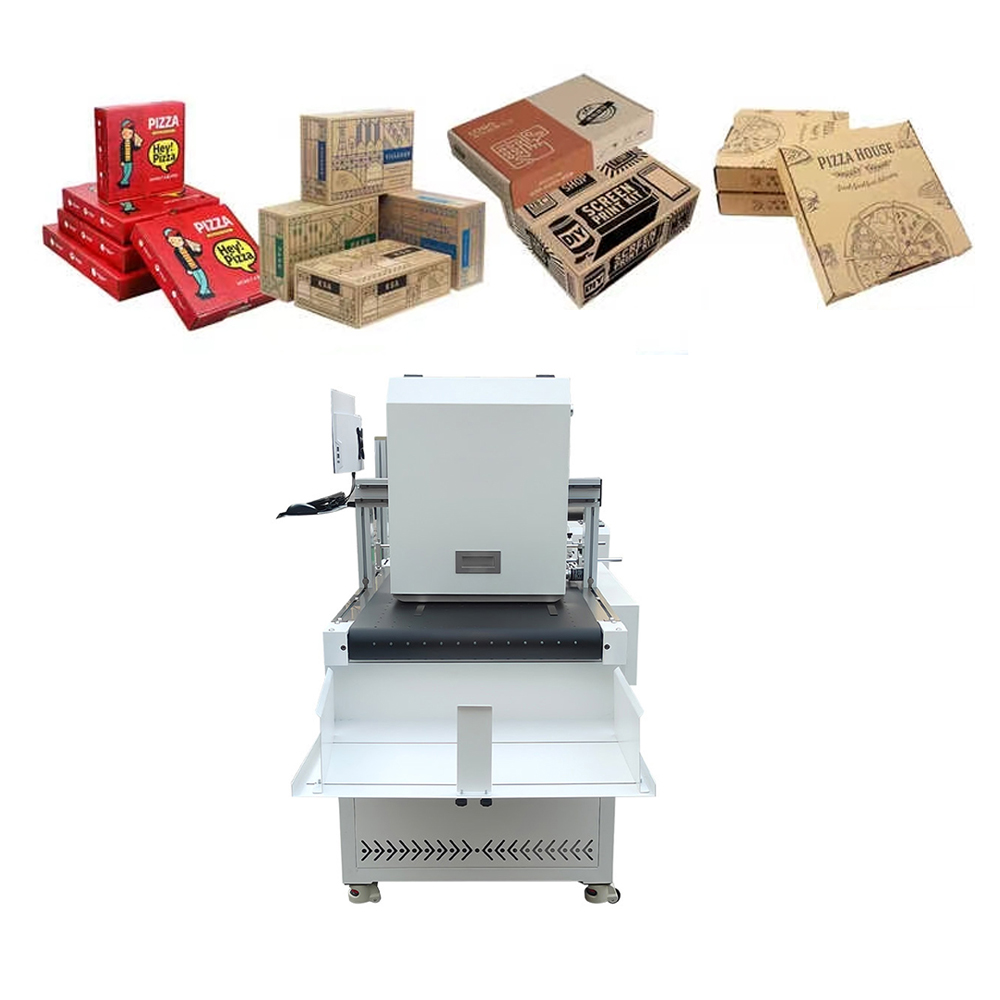
No special ventilation required. HP Latex printers operate safely in standard office environments . Mutoh’s water-based UV runs at low temperatures (30–50°C) and produces virtually no fumes .
Compare that to solvent printers, which often require:
· Dedicated ventilated rooms
· Expensive air filtration systems
· PPE for operators
· Higher worker compensation insurance
Real-world benefit: Your employees breathe cleaner air. Your facility costs stay lower. And you never worry about failing an OSHA or EPA inspection.
- Market Segmentation—Which Water-Based Printer Is Right for You?
Water-based printers come in three size classes :
Format Size Range Price Range Best For
Small Format A3 or smaller $5,000–$30,000 Offices, small shops, proofing
Medium Format A3–A1 $50,000–$200,000 Packaging, advertising, commercial print
Large Format A0 or larger $100,000–$500,000+ Industrial textiles, wide signage, high-volume production
For textile printing: Water-based inks are replacing traditional dye and pigment systems due to superior color and eco-compliance.
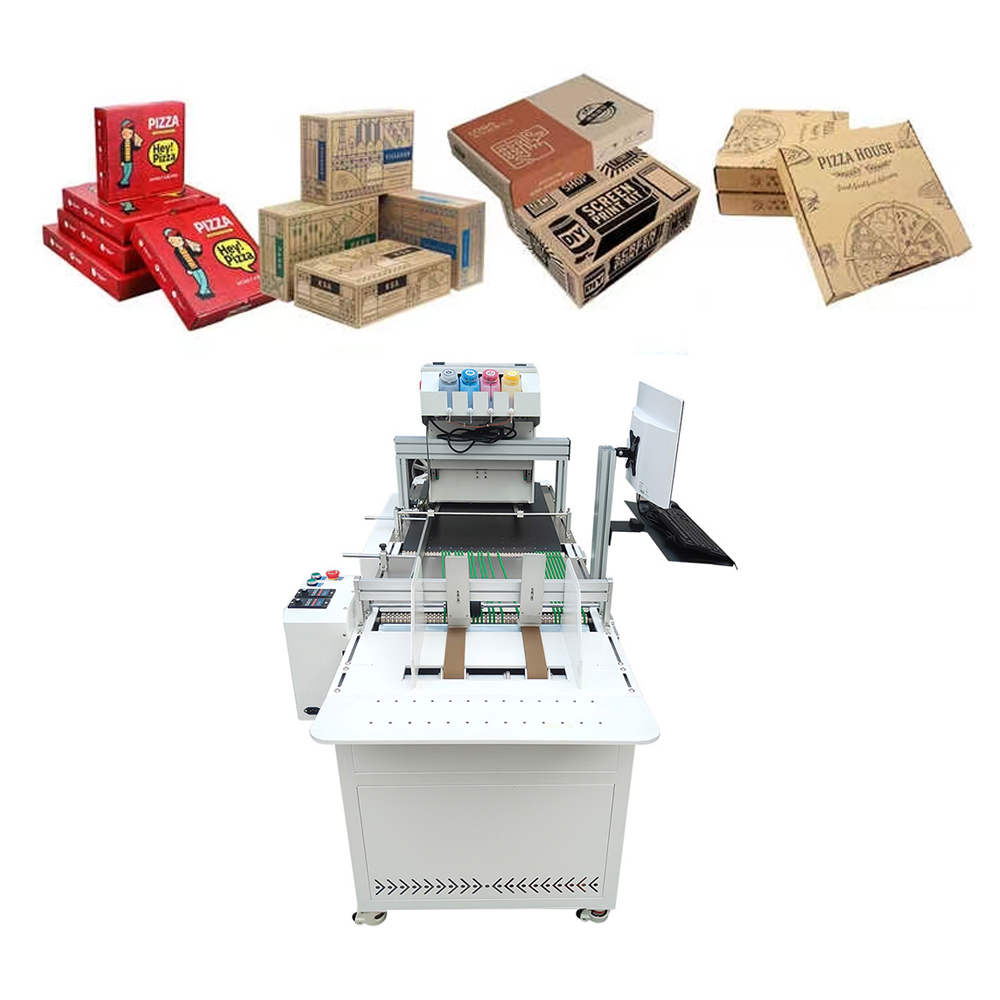
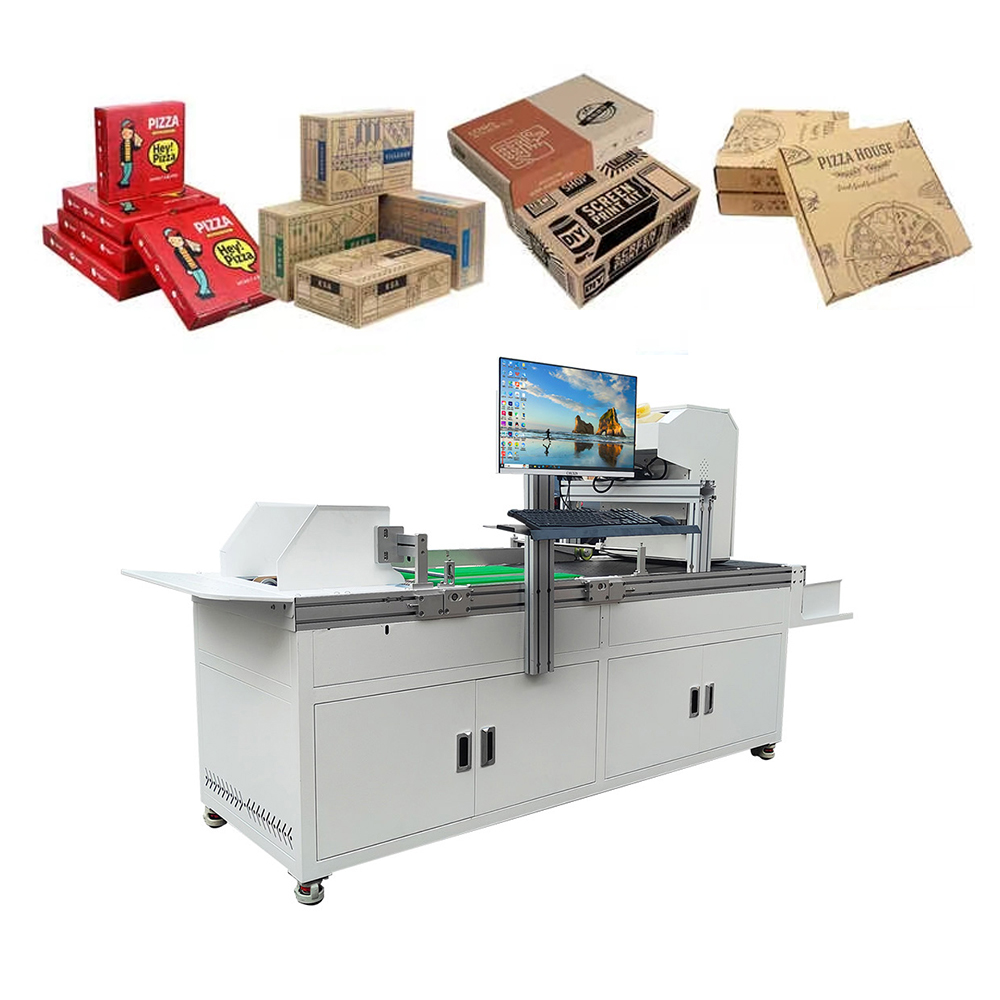
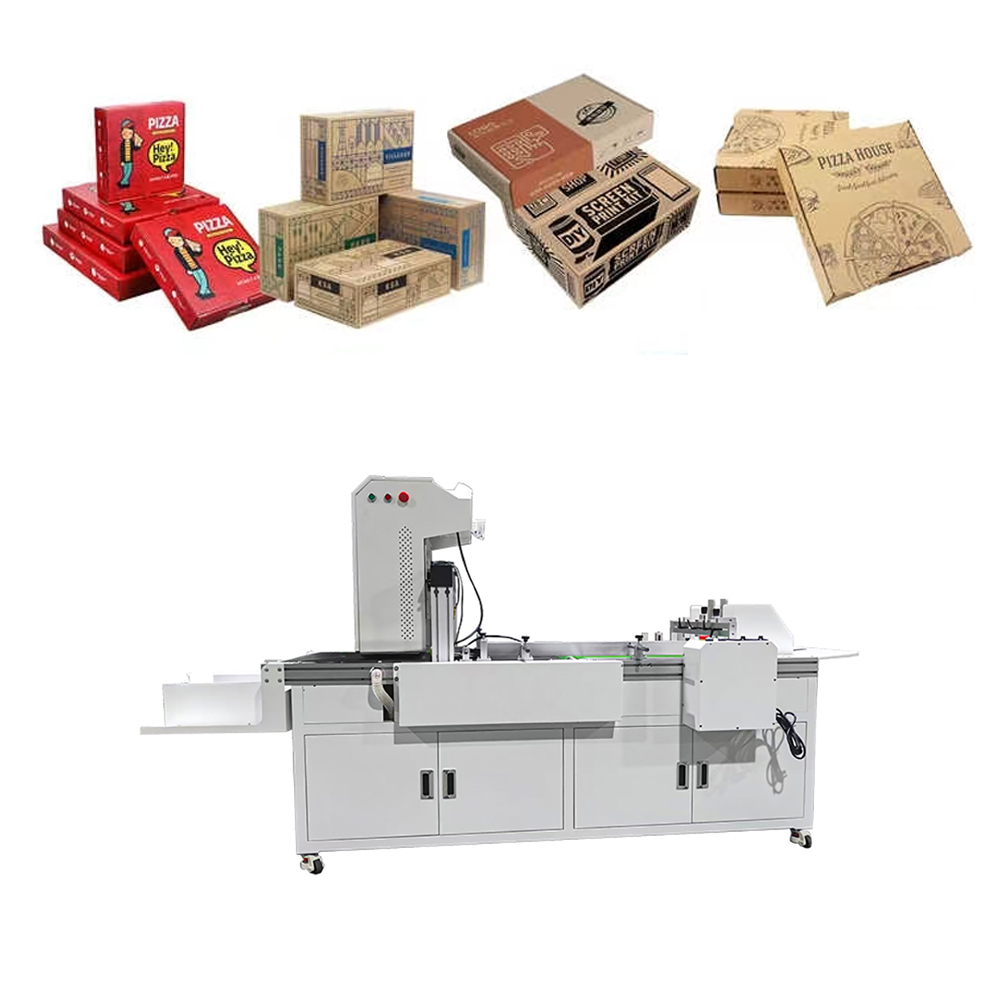
For packaging: The shift from solvent to water-based is accelerating, driven by food-safety regulations and brand sustainability pledges.
For signage: HP Latex dominates the indoor/outdoor signage market with odorless, durable prints on virtually any media.
- Real-World Performance: What Users Are Saying
DRPG (global creative communications group, B Corp accredited):
“The HP Latex FS50W ticked a lot of boxes for us, especially when it comes to quality. The color gamut range was so much better than our previous printer. Scalability, sustainability and environmental impact are key focuses” .
Jet Technologies (at Labelexpo debut of Screen 520AQ):
“Converters are under pressure from both ends—brand owners demanding sustainable solutions and consumers expecting high quality at speed. Technologies like Screen’s water-based inkjet press demonstrate how innovation can address those demands simultaneously” .
The Verdict: Water-Based Is the Future—And the Future Is Here
The question isn’t if you should switch to water-based printing. The question is when—and how much market share you’ll lose to competitors who make the move first.
Water-based printers give you:
· ✅ Certifications that win contracts (GREENGUARD Gold, ECOLOGO)
· ✅ Odorless operation with no special ventilation
· ✅ Industrial speeds (up to 100m/min or 89m²/hr)
· ✅ Wide substrate compatibility (paper to plastic to textiles to wood)
· ✅ Superior image quality rivaling offset
· ✅ Lower regulatory risk and future-proof compliance
Stop explaining why your prints smell. Start selling sustainability as a feature.
