The DTF Revolution: Why Smart Printers Are Ditching Screens (and Limits) for Direct-to-Film

The One Machine That Prints on Anything
You have a customer who wants 50 polyester sports jerseys with neon yellow names on the back.
Another wants 20 black canvas tote bags with a white photo logo.
A third wants seamless prints on nylon jackets.
With screen printing, you would need three different setups, special inks, and a prayer.
With DTG, you would need pretreatment, perfect humidity, and a white ink maintenance ritual.
With Direct-to-Film (DTF) printing, you just press “print.”
DTF is the fastest-growing segment in custom apparel because it breaks every rule that held printers back. And it is ready to take your shop—whether in Mumbai, Miami, or Melbourne—to the next level.
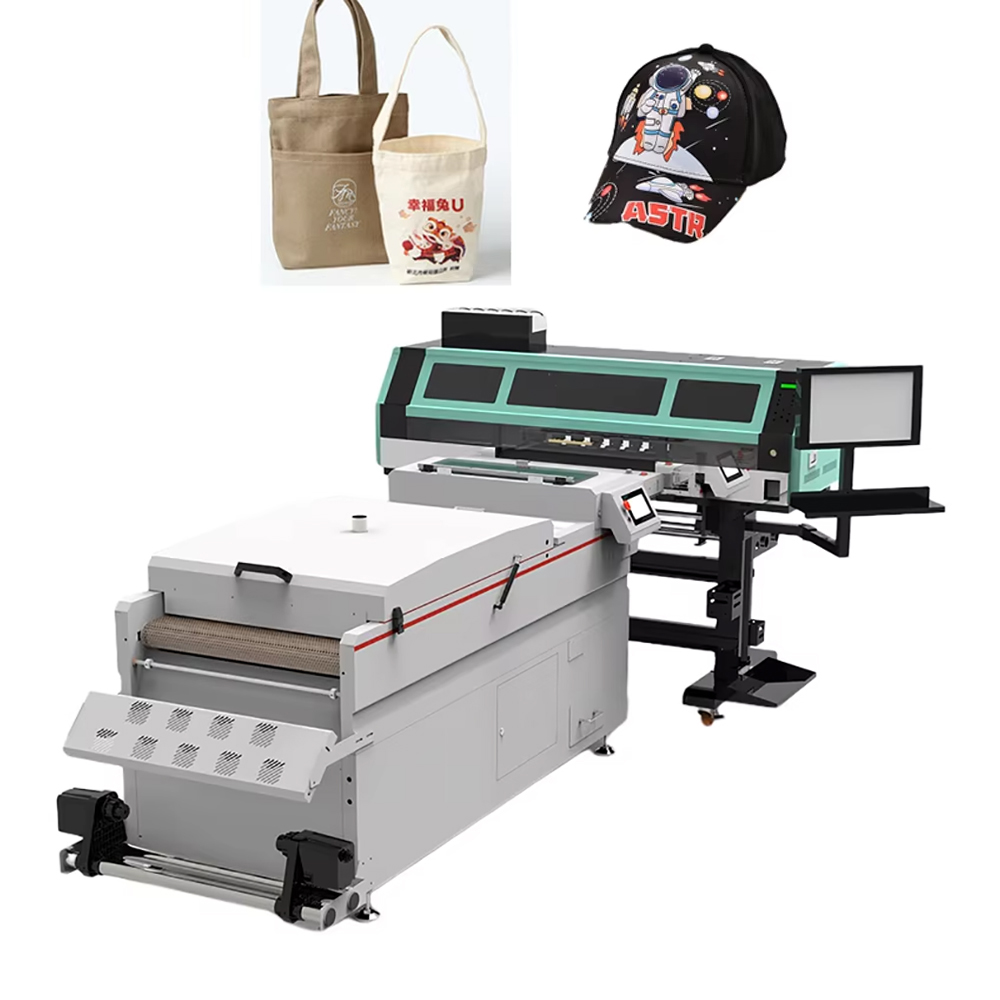
Why Global Entrepreneurs Are Betting on DTF
Here is what DTF delivers that no other method matches:
- Unlimited Substrate Freedom (Yes, Even Mesh)
Screen print requires mesh counts. DTG requires 100% cotton or high-quality ringspun.
DTF prints on everything: cotton, polyester, 50/50 blends, denim, leather, nylon, canvas, and even mesh fabrics. If you can heat press it, you can DTF it.
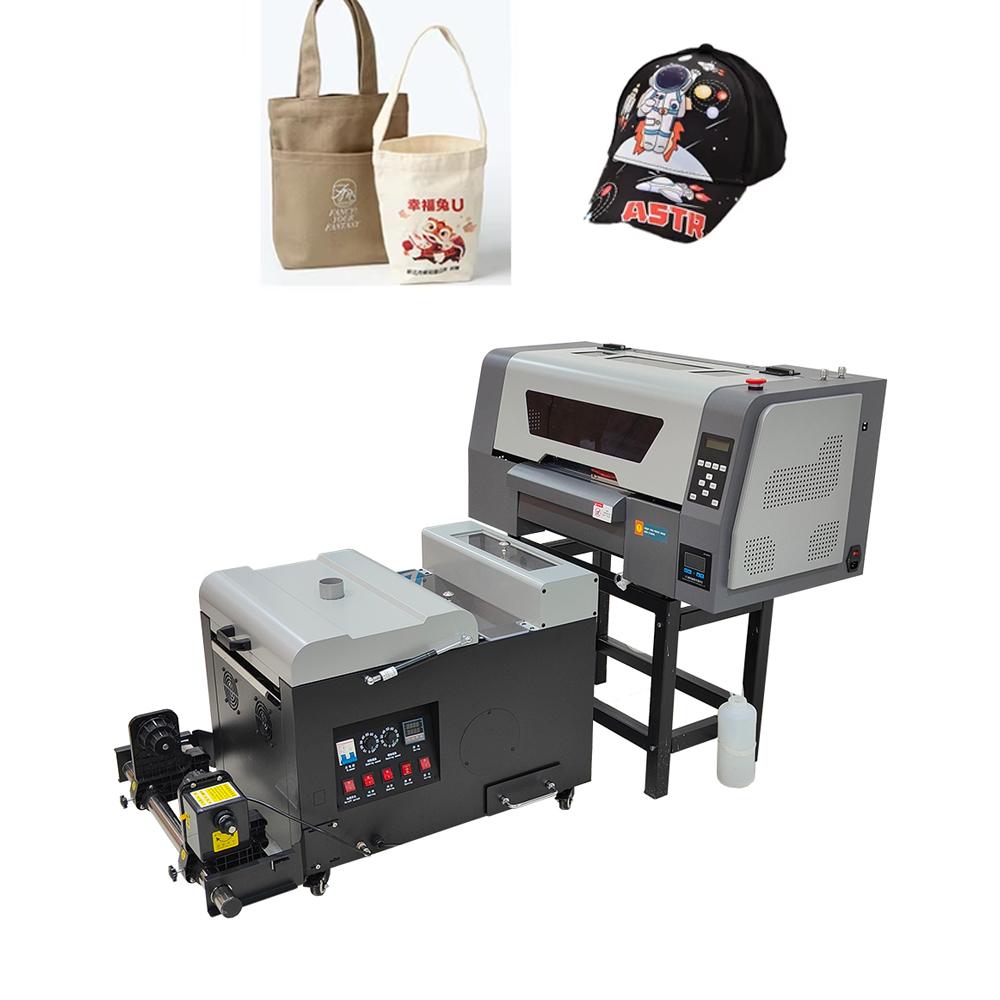
- No Pretreatment. No White Ink Nightmares.
DTG’s biggest enemy is white ink settling in the lines. DTF uses white ink differently—it prints the white layer onto a PET film, then powder adhesive, then transfers it.
· ✅ No pre-treatment liquid.
· ✅ No sticky platen.
· ✅ No “ghosting” from misaligned underbases.
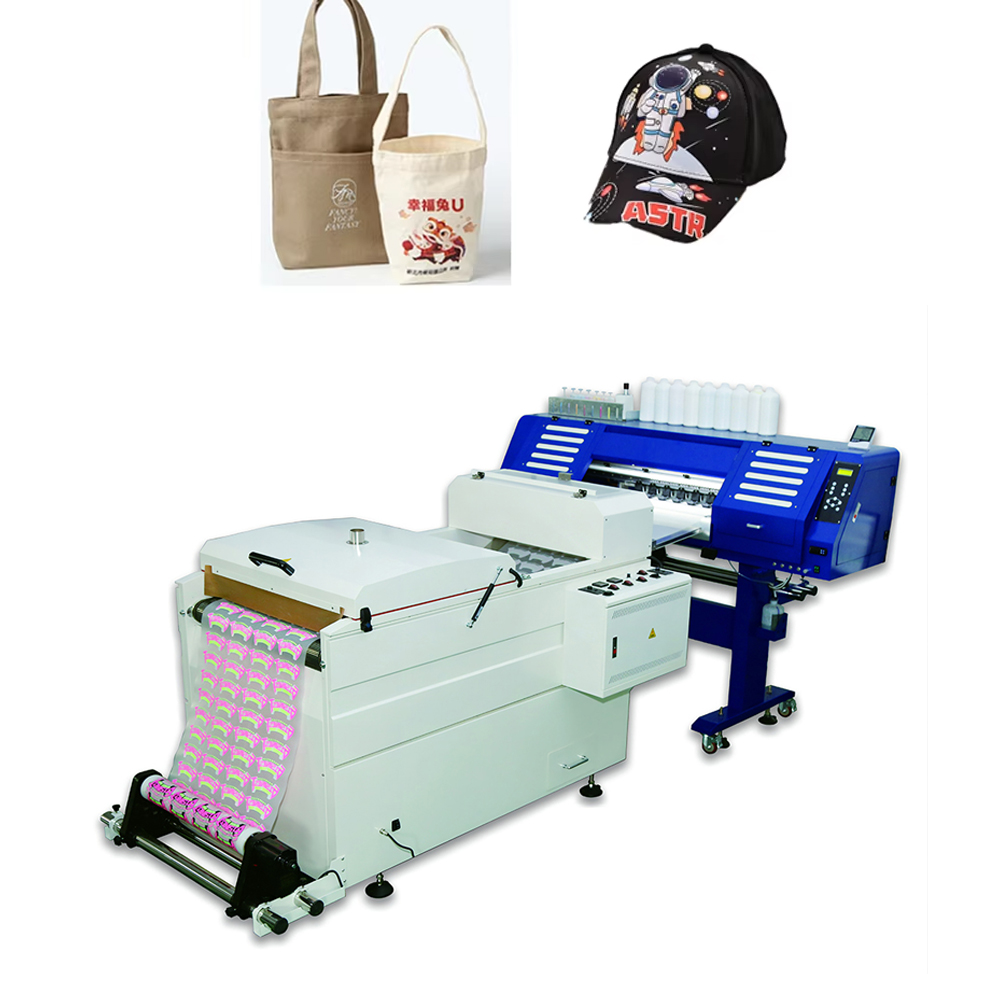
- Brilliant on Dark & Light Garments Alike
One machine. One process. One powder.
Whether the shirt is snow white or midnight black, your colors pop. The white ink layer provides total opacity, so reds stay red and yellows stay neon.
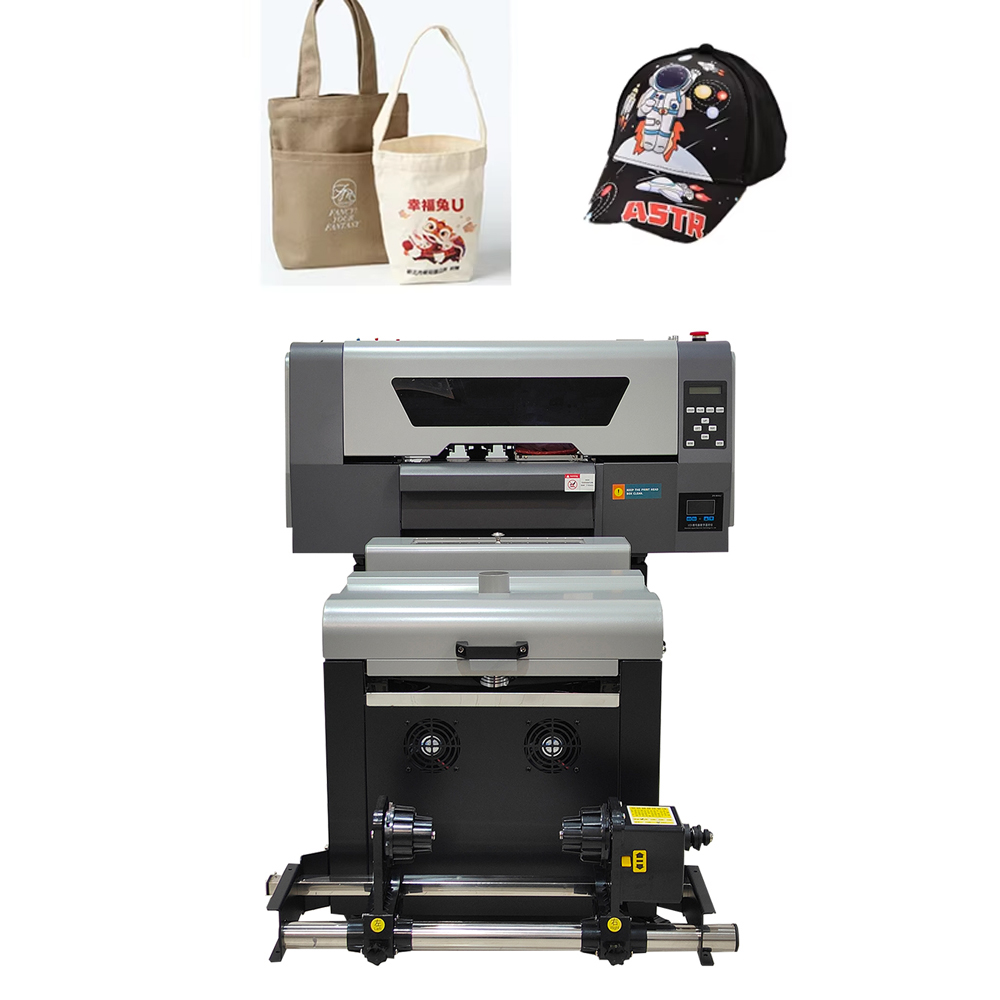
- Ridiculously Easy for Beginners
If you can operate a desktop inkjet printer and a heat press, you can run DTF.
· No daily printhead cleaning rituals.
· No humidity-controlled rooms.
· No multi-step pretreatment drying.
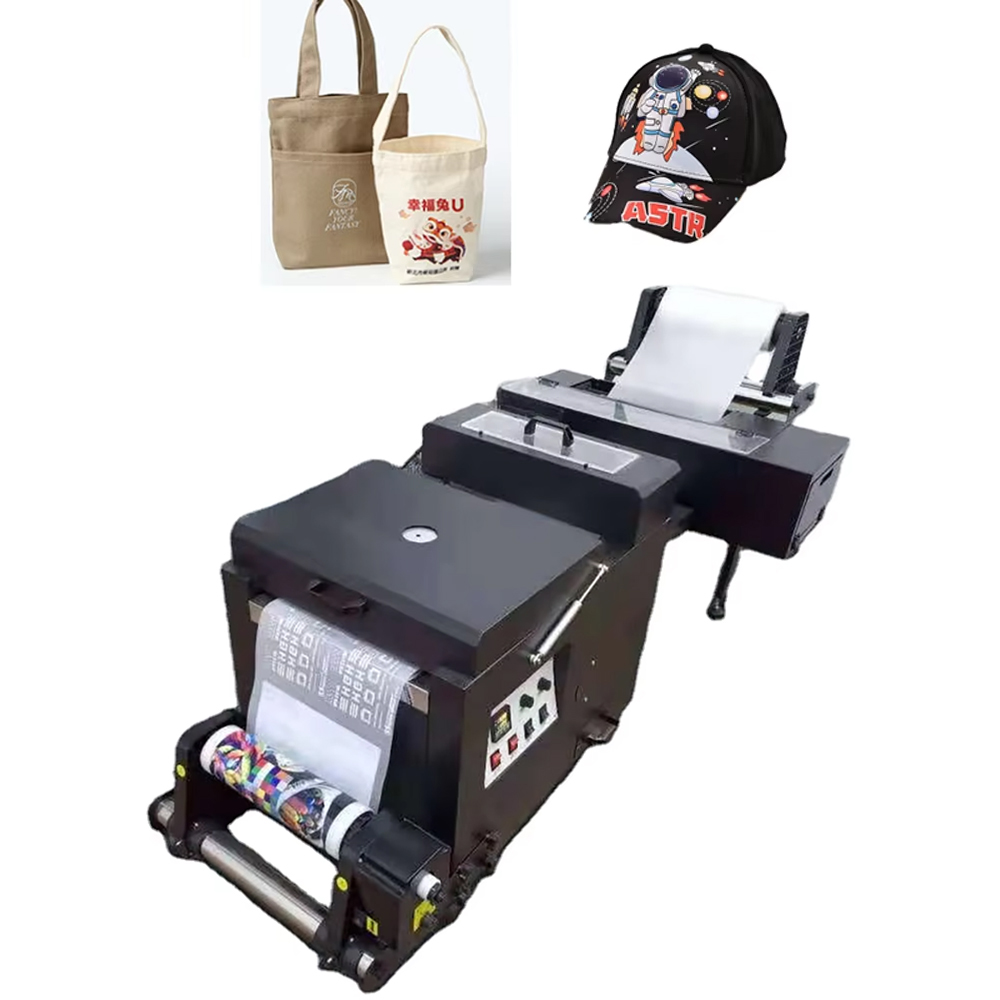
DTF vs. DTG vs. Screen Print (The Honest Comparison)
Feature DTF DTG Screen Print
Garment Types All fabrics Mostly cotton All fabrics (setup dependent)
Dark Garments Excellent (white base included) Good (needs pretreatment) Excellent
Setup Cost None None High (screens/art)
Production Speed Fast (shaker + oven) Moderate Very fast (bulk)
Minimum Order 1 piece 1 piece 12-24+ pieces
Stretch & Feel Soft (with good powder) Very soft Can be heavy
Skill Required Low Medium-High High
The Real-World Money Maker: Small Orders, Big Profits
Here is the secret that top print shops are exploiting right now: The “1 to 50 piece” zone is pure gold.
Schools need 15 hoodies for a club.
Gyms need 30 polyester shirts with a metallic logo.
Brides want 10 tote bags for their bridal party.
Etsy sellers need one-off anime shirts for customers.
Screen printers hate these orders. DTG printers struggle with blends and dark garments.
DTF printers devour them.
You can price a 1-color DTF transfer at $4, sell it for $12, and the customer applies it themselves in 15 seconds. Or you apply it in-house and charge $25 per shirt.
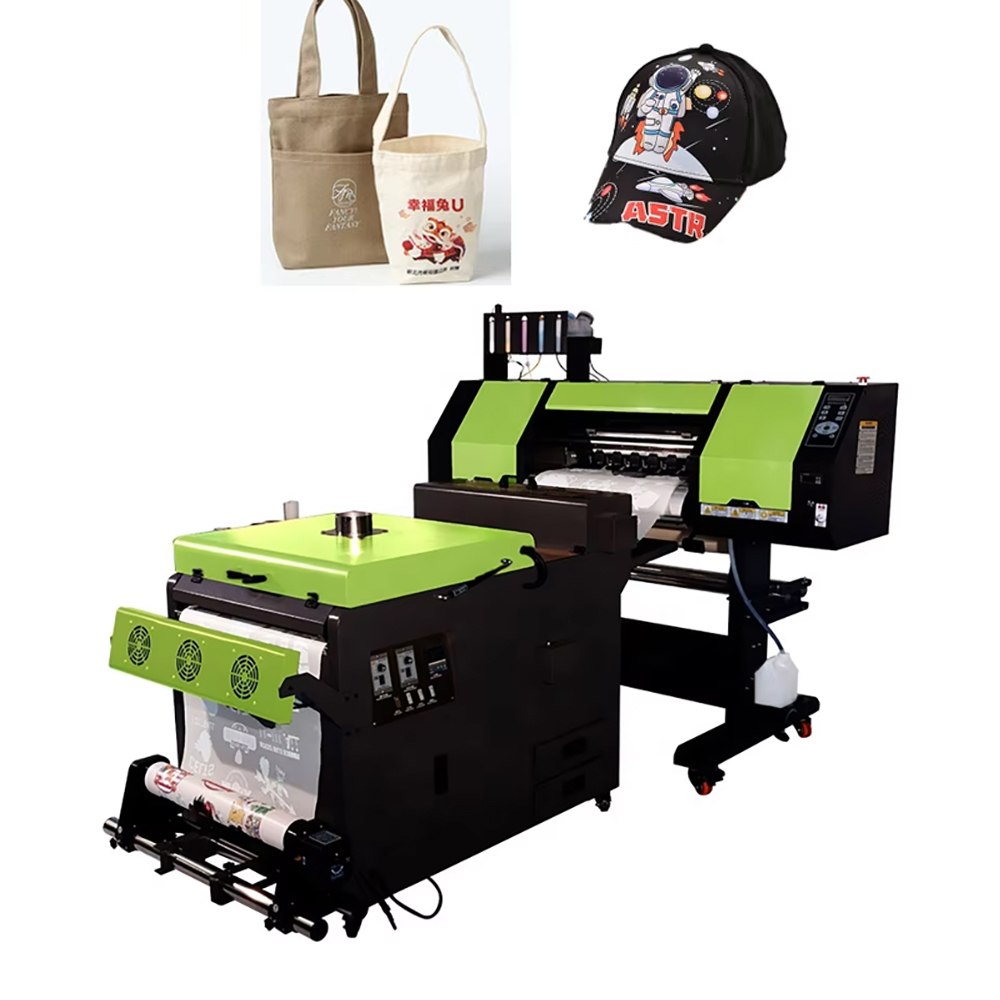
What to Look for in a Professional DTF Printer
Not all DTF machines are created equal. To attract serious worldwide buyers, highlight these must-have features:
- Industrial Printhead (Not a Repurposed Epson)
Avoid hacked desktop printers. Look for I3200 or XP600 printheads – they are designed for continuous production, not occasional home use.
- Automatic White Ink Circulation
This is non-negotiable. White pigment settles fast. A professional DTF printer includes a circulation pump and agitation system that keeps the ink moving even when idle. Without it, expect clogged nozzles within 48 hours.
- Integrated Powder Shaker & Curing Oven
A complete DTF solution includes three parts: printer + powder shaker + oven. Some entry-level kits skip the oven (using a heat press instead), but that kills productivity. A built-in infrared oven lets you cure transfers continuously, achieving 60+ prints per hour.
- RIP Software with ICC Profiling
Your colors must match across screens. The best DTF printers come with custom ICC profiles for popular films and powders, so what you see on screen is what gets pressed onto the shirt.
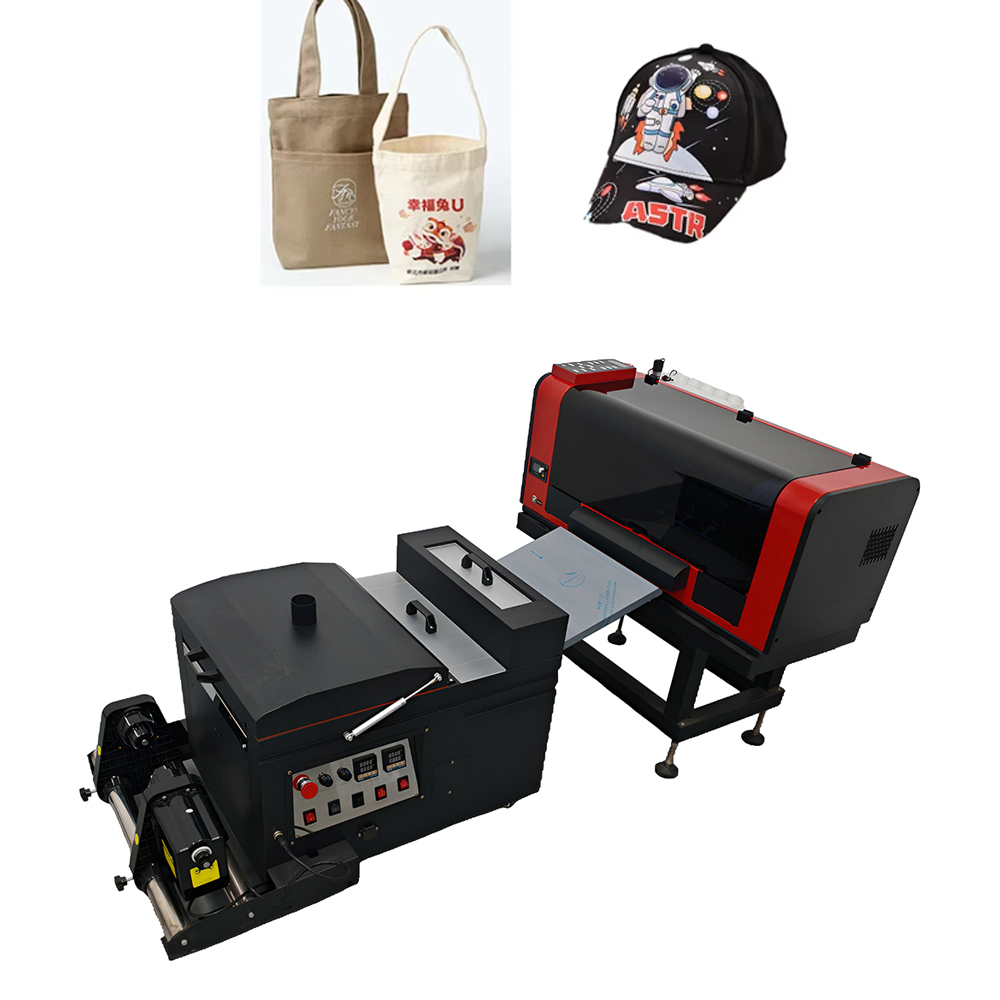
Case Study: From Blank Wall to 10,000 Transfers per Month
“We bought a DTF printer after turning down 40% of customer requests due to polyester or dark garments. Within 90 days, DTF became 70% of our revenue. We now print transfers for other shops who don’t own DTF machines.”
— Priya K., Print Shop Owner, Malaysia
Your Global Customer’s Checklist
When marketing DTF printers worldwide, answer these questions upfront:
· Voltage & Plug: Is it available in 110V (US/Japan) and 220V (EU/UK/AU/Asia)?
· Consumables Availability: Can I source PET film and DTF powder locally, or do you supply globally?
· Video Support: Is there 24/7 troubleshooting in English, Spanish, or Arabic?
· Warranty on Printheads: Printheads are the most expensive part. Does your warranty cover them for 6+ months?
Ready to Say “Yes” to Every Customer?
Stop turning down orders because of fabric type or garment color. Stop maintaining finicky white ink systems. Stop waiting for screens to stretch.
DTF printing is the closest thing to a “print anything, on anything” button our industry has ever seen.
[View Our DTF Printer Lineup – Free Worldwide Shipping + 12 Months Tech Support]
Bonus: Every DTF system comes with 5 rolls of PET film and 2kg of premium powder to get you started.
