DTG Printing Machine: Your Direct Path to Global Apparel Profits

For entrepreneurs, print shop owners, and e-commerce sellers in London, Los Angeles, Sydney, Singapore, and beyond:
You want to sell custom t-shirts, hoodies, and tote bags. But every time you look at a traditional screen printing setup, you see:
· Minimum orders of 50+ pieces
· Endless color separation and screen burning
· A messy, chemical-filled workshop
· Inventory sitting unsold for months
There is a better way.
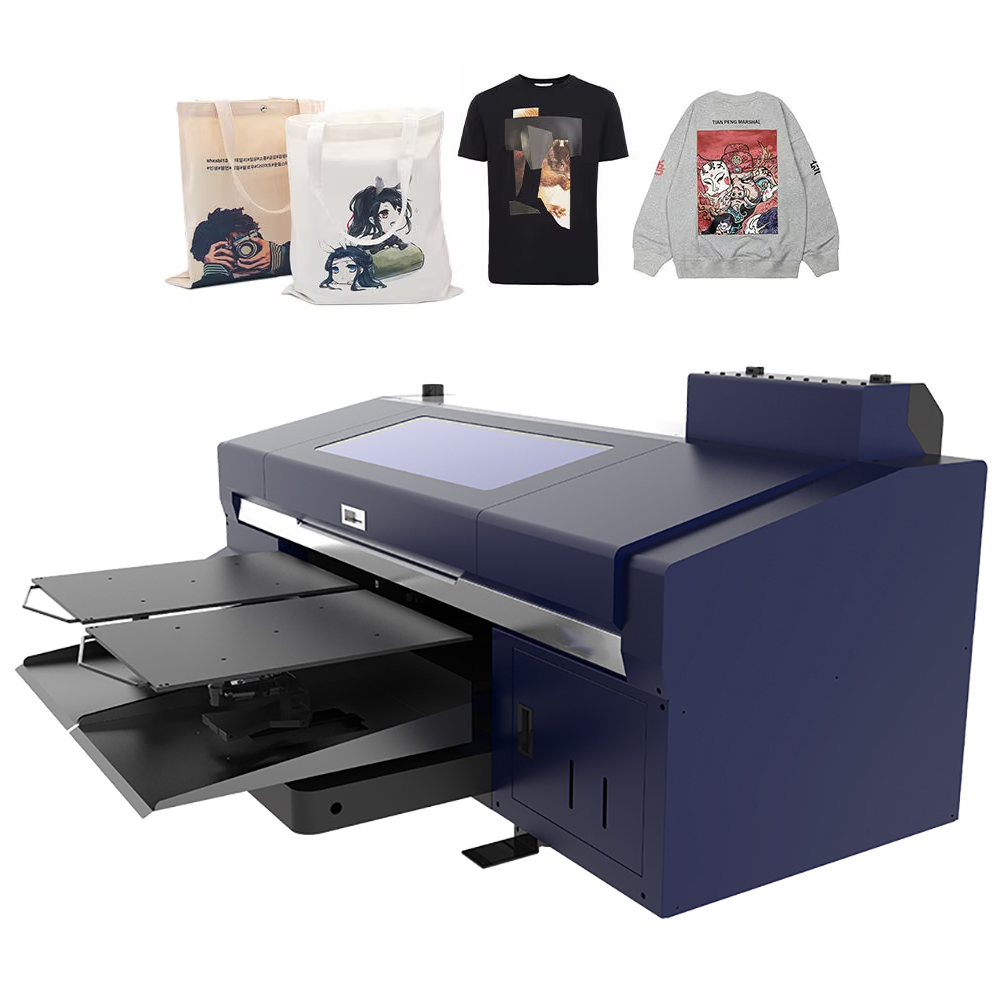
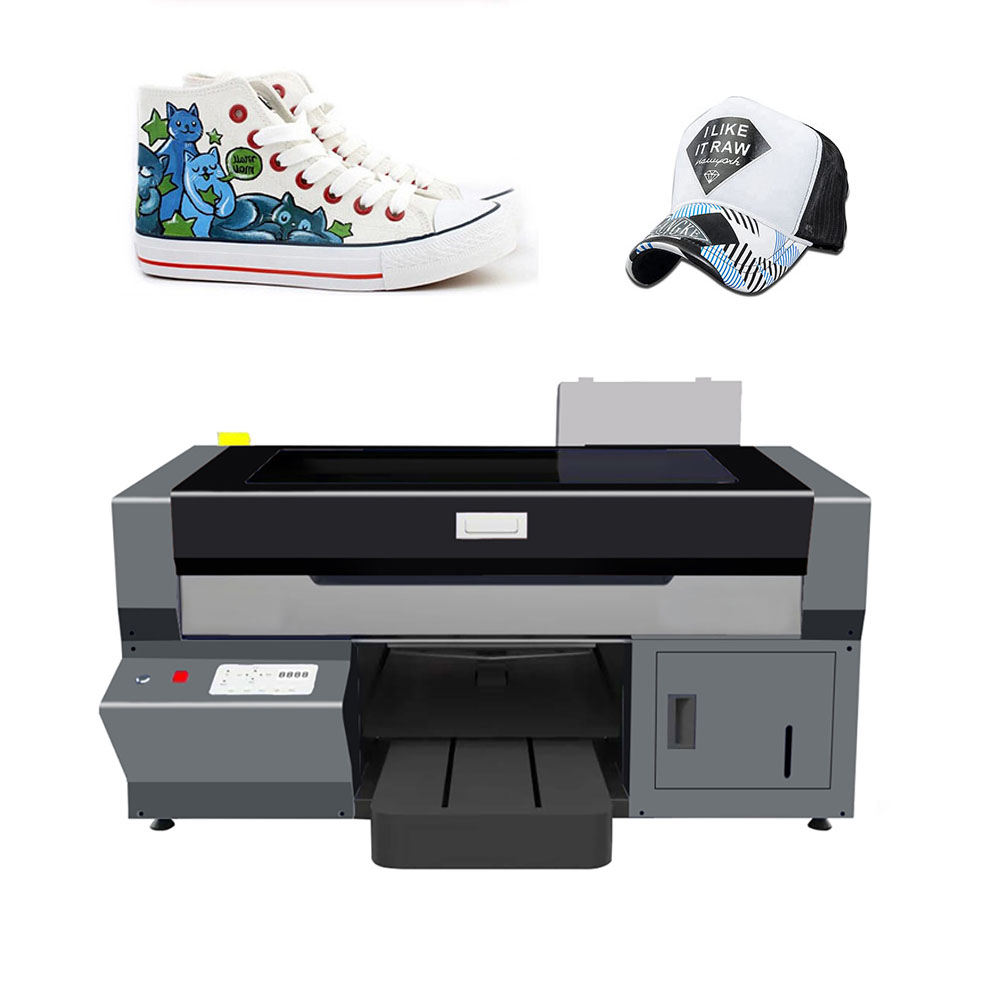
The Direct-to-Garment (DTG) Printing Machine is the technology that powers the global print-on-demand revolution. It allows you to print one shirt, sell it, and print another—with photo-quality detail and no setup costs.
Here is why thousands of businesses worldwide are switching to DTG—and why you should too.
What is DTG Printing?
Direct-to-Garment printing works exactly like your desktop inkjet printer—but instead of paper, it prints directly onto fabric using specialized water-based textile inks.
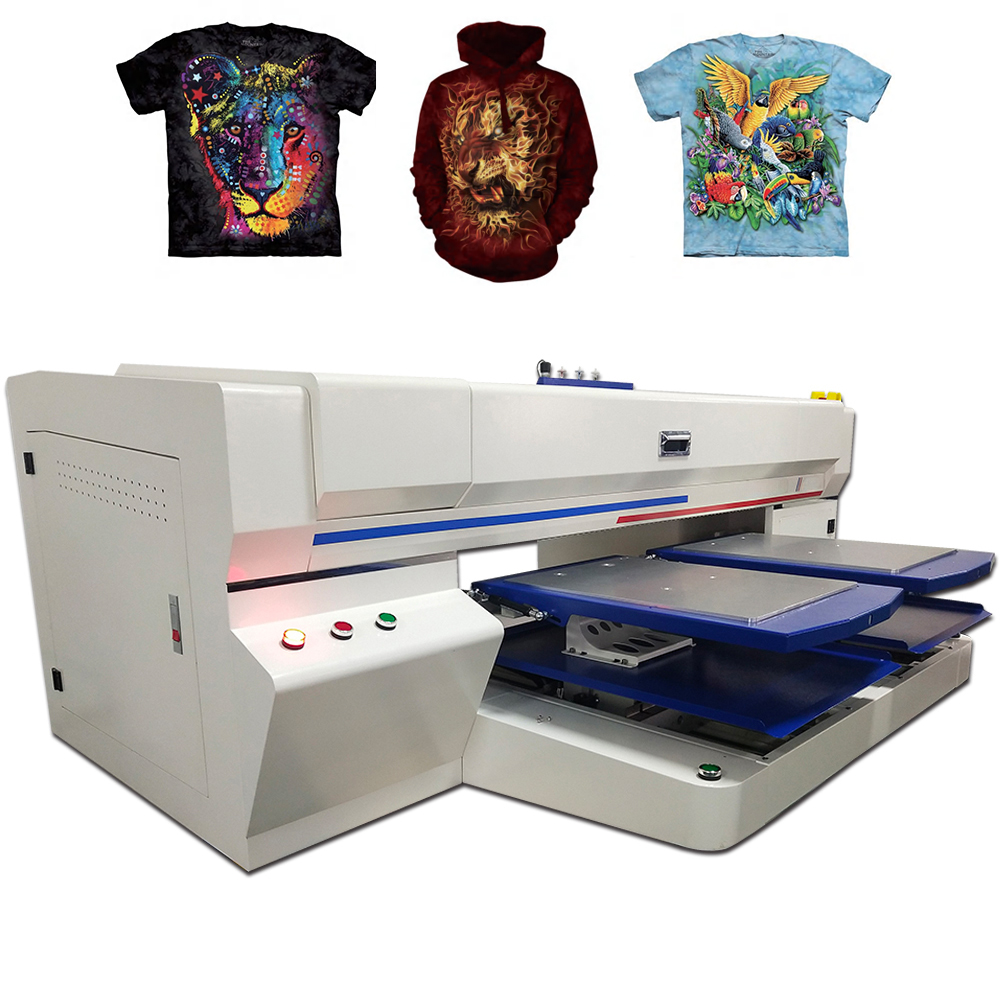
The process:
- Load a blank garment onto the flat platen
- The printer applies a pretreatment solution (for dark shirts)
- The printhead deposits millions of tiny ink droplets directly into the fabric fibers
- A heat press cures the ink, making it permanent
Result: A soft, breathable print that feels like part of the garment—not a plastic sticker sitting on top.
DTG vs. Screen Printing: The Honest Comparison
Factor Screen Printing DTG Printing
Minimum Order 24-72 pieces typically 1 piece
Setup Time 30-90 minutes per color Zero
Color Limit Each color is a separate screen Unlimited colors
Photographs Difficult (halftones required) Easy (prints like a photo)
Per-Shirt Cost (1-10 pcs) Very high Low
Per-Shirt Cost (500+ pcs) Very low Higher
Warehouse Space Large (screens, press, drying racks) Small (one machine)
Skill Level Experienced operator needed Basic computer skills
The bottom line: Screen printing wins for bulk orders of simple designs. DTG wins for everything else—especially e-commerce, personalized products, and small batches.
Who Needs a DTG Printer?
🛍️ E-commerce Sellers (Shopify, Amazon, Etsy, eBay)
Print on demand means zero inventory risk. List 100 designs, print only what sells. No unsold stock. No clearance sales.
🎨 Graphic Designers & Artists
Sell your artwork on apparel without investing in inventory. Your customer orders, you print, you ship. Pure creative freedom.
🏪 Local Print Shops
Your customers walk in wanting one shirt for a family reunion, a birthday, or a charity event. Say “yes, ready tomorrow” instead of “sorry, minimum 24 pieces.”
👕 Apparel Brands
Produce samples, test new designs, fulfill small wholesale orders, and run limited-edition drops—all without screen printing setups.
🎓 Schools & Organizations
Print spirit wear, event shirts, and fundraiser apparel on demand. No more boxes of unsold shirts in storage.
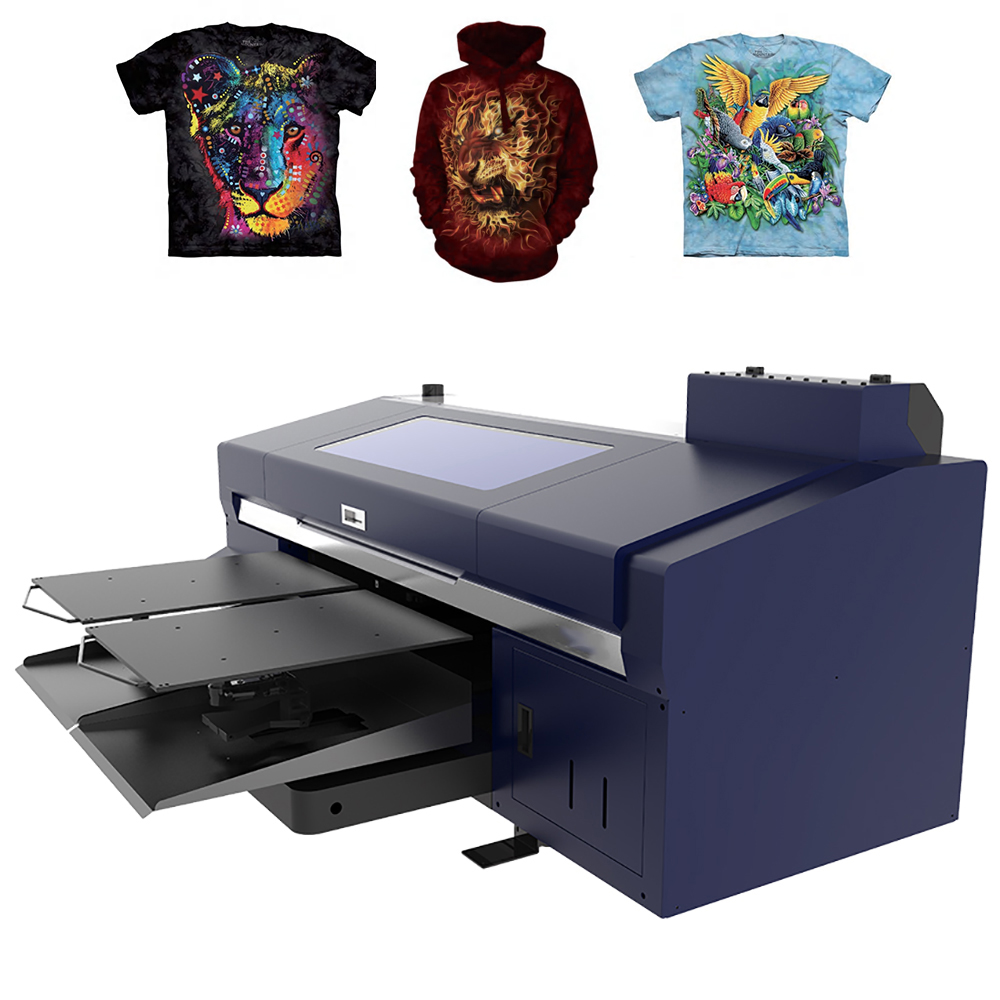
Key Features That Matter for Global Buyers
- High-Resolution Printheads
Professional DTG machines use industrial printheads (Epson DX5, DX7, or i3200) capable of producing 1440 x 1440 dpi or higher.
Why this matters: Your prints will be sharp enough to read small text, reproduce skin tones accurately, and handle complex gradients without banding.
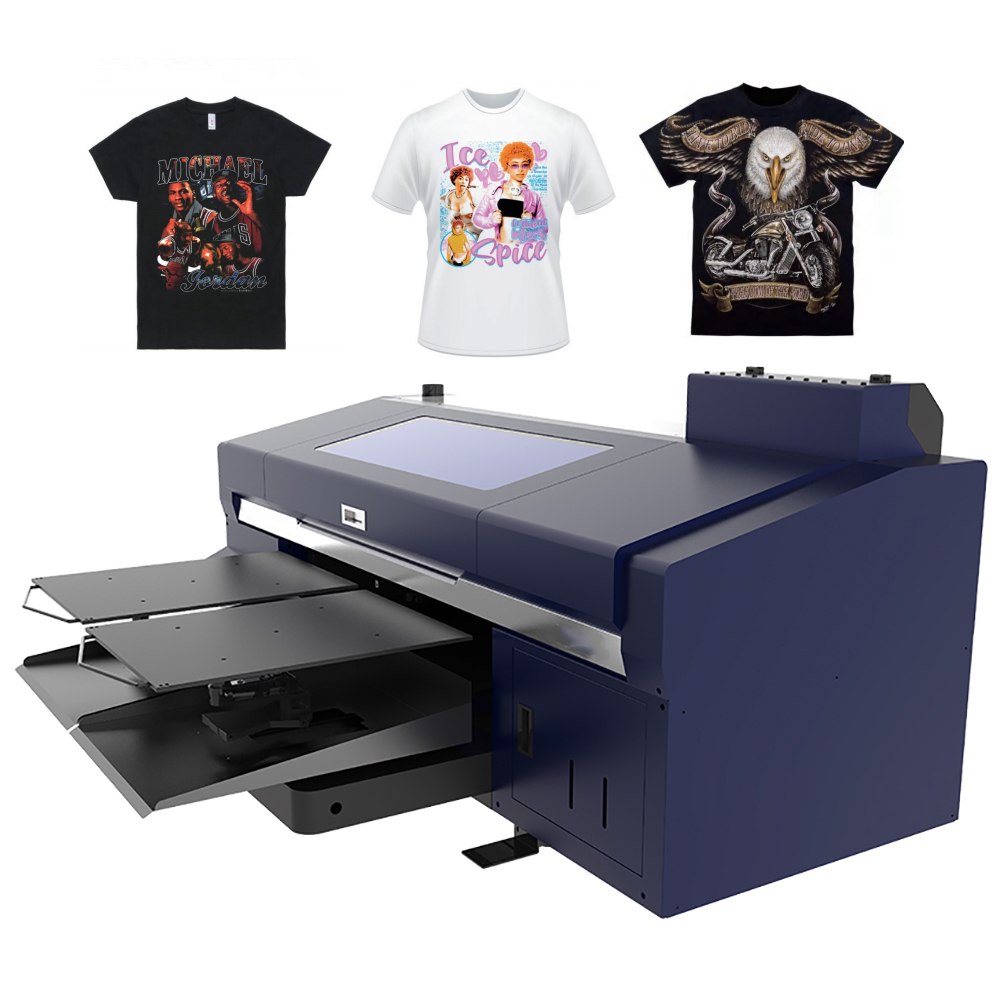
- White Ink Circulation System
White ink is the most challenging part of DTG. The pigment particles settle quickly, leading to clogs and poor opacity.
A quality DTG printer includes an automatic white ink circulation system that continuously stirs the ink.
Real-world benefit: You can leave the machine idle for days—even weeks—and return to find the white ink ready to print. No clogs. No wasted hours cleaning.
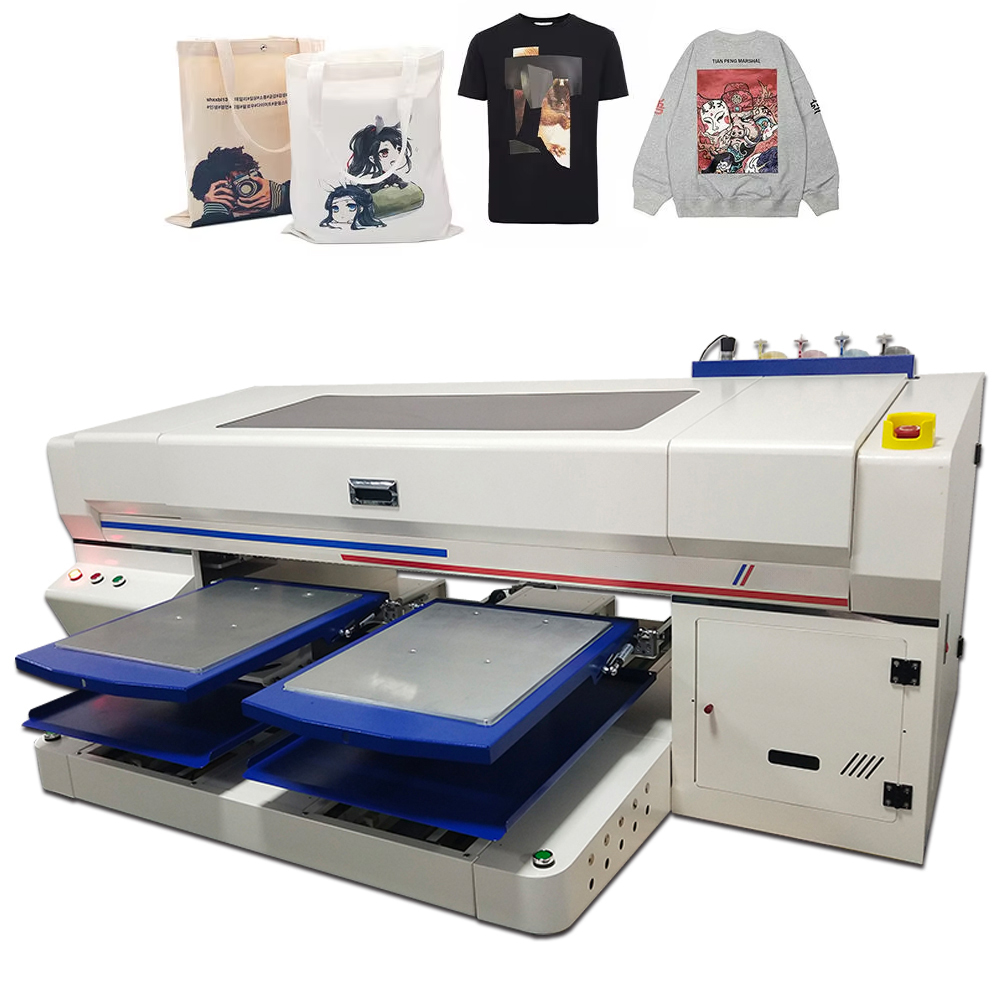
- Adjustable Platen Height
Different garments have different thicknesses:
· Lightweight t-shirts (thin)
· Heavyweight hoodies (thick)
· Zip-up jackets (zippers in the middle)
· Tote bags (uneven surfaces)
Your DTG printer needs adjustable platen height (also called “auto-tilt” or “garment sensor”) to handle them all without crashing the printhead.
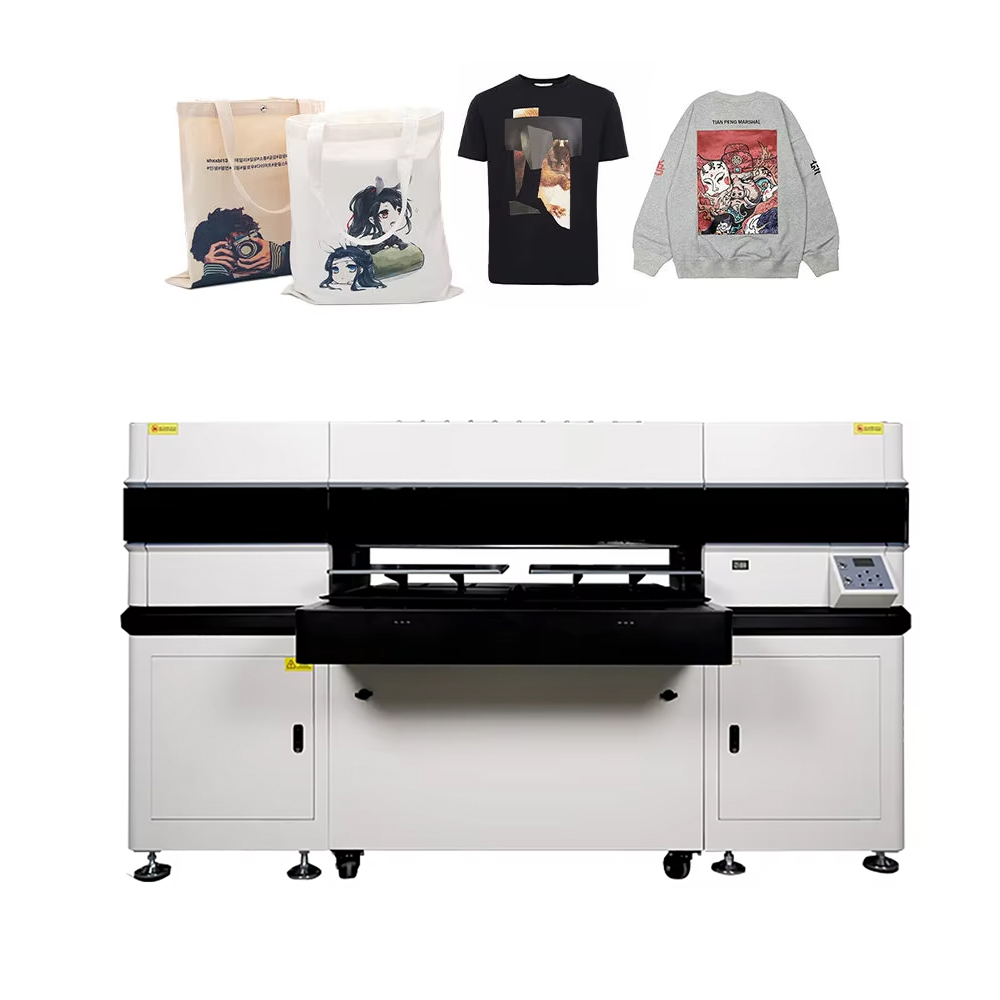
- Pretreatment Application
Dark garments require a liquid pretreatment to help white ink bond to the fabric.
Two approaches:
· Separate pretreatment machine (spray or roller) – best for volume
· Integrated pretreatment system – convenient for low volume
Many global buyers choose a pretreatment + heat press + DTG printer bundle for a complete production line.
- Global Voltage & Support
A DTG printer is an investment. You need:
· 110V/220V compatibility (works in any country)
· 24/7 technical support (time zones matter)
· Local spare parts availability (printheads, dampers, capping stations)
· Comprehensive training materials (videos in multiple languages)
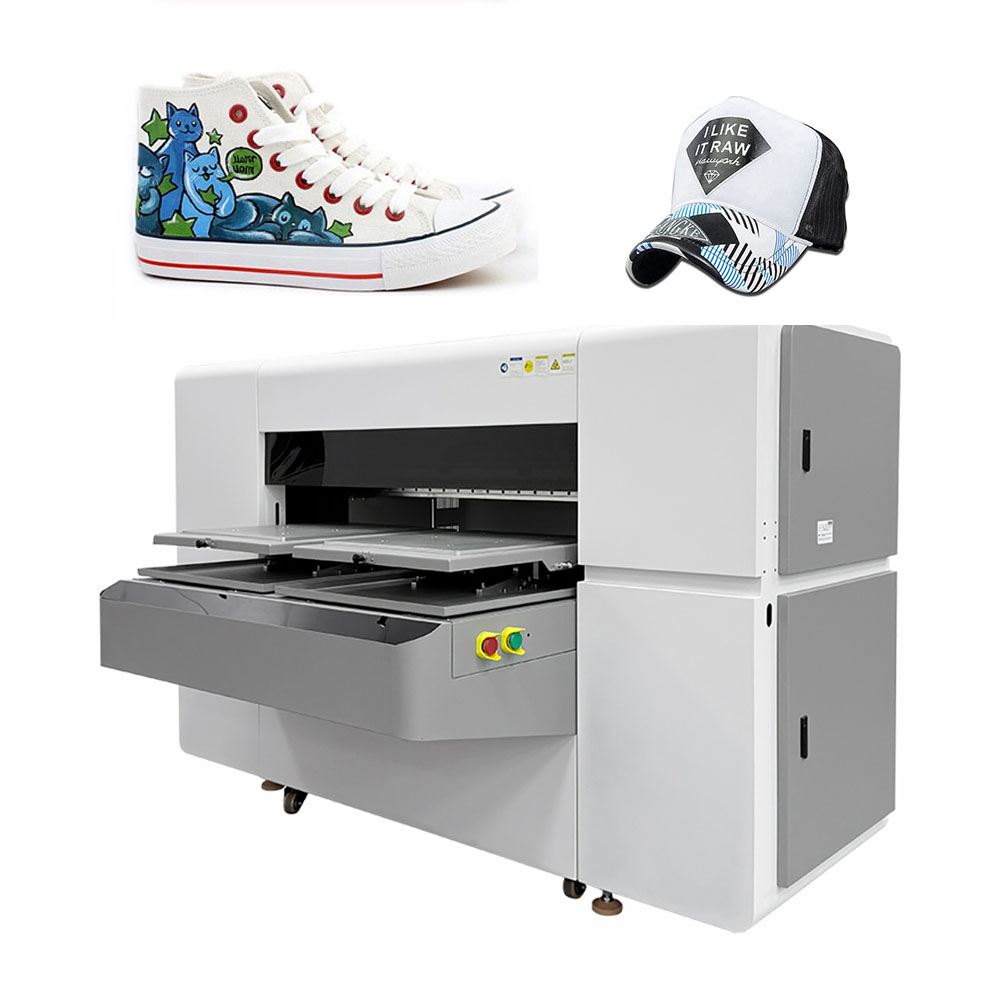
Popular DTG Printer Models for Global Buyers
Model Print Size Printheads Speed Approx. Price Best For
Epson SureColor F2100/F3070 10″ x 12″ to 14″ x 16″ PrecisionCore 15-25 shirts/hour $15k-25k Entry commercial, reliability
Brother GTX Pro Bulk 14″ x 16″ Piezo 35-55 shirts/hour $20k-30k High volume, fast production
Ricoh Ri 1000/2000 13″ x 17″ Ricoh Gen4 12-20 shirts/hour $12k-18k Small shops, easy setup
OmniPrint FreeJet 330TX 16″ x 20″ Epson DX7 25-40 shirts/hour $15k-25k Large format, hoodies
Mimaki Tx2-1600 16″ x 20″ Epson DX7 30-50 shirts/hour $30k-40k Industrial production
Prices vary significantly by region, configuration, and distributor. Always request a current quote.
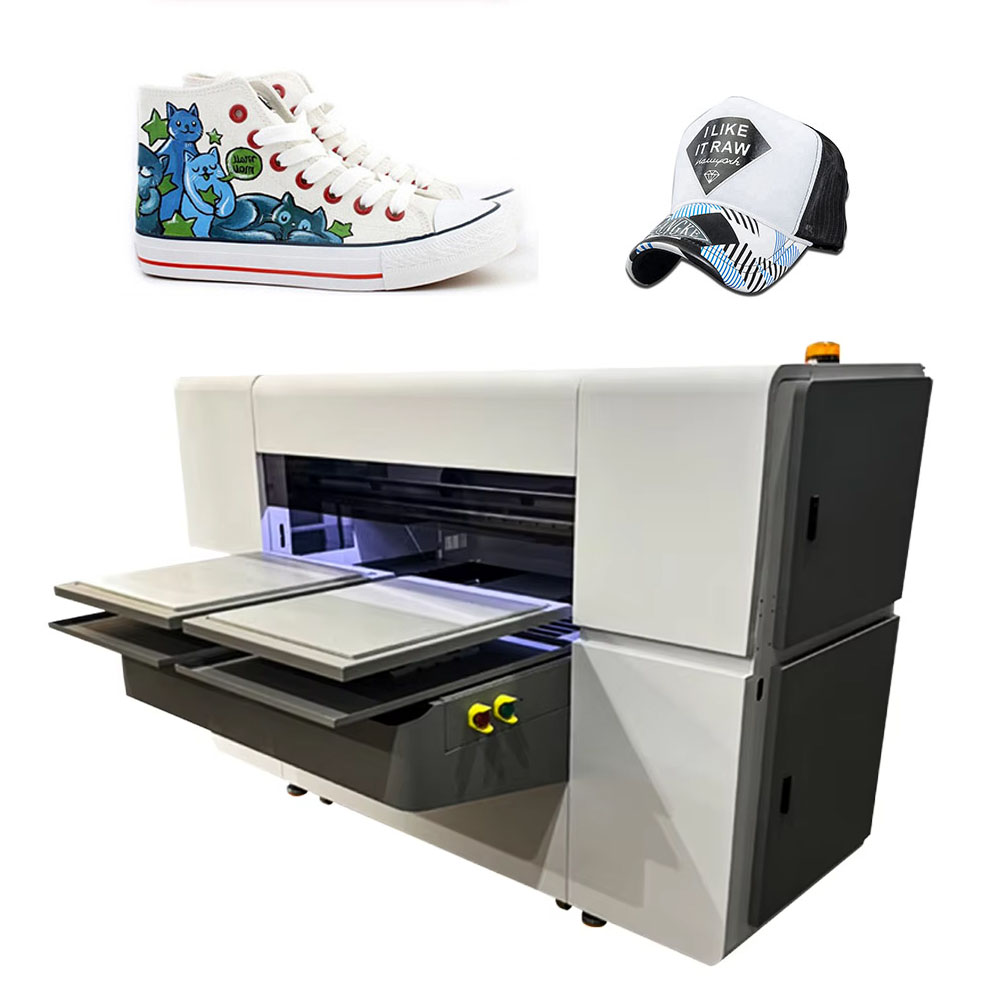
The Real Economics of DTG Printing
Cost Breakdown Per Shirt (Dark Garment)
Expense Cost (USD)
Blank t-shirt (Gildan 5000 or equivalent) $2.50 – $4.00
Pretreatment liquid $0.30 – $0.50
CMYK ink $0.20 – $0.40
White ink $0.50 – $0.80
Heat press & electricity $0.10 – $0.20
Total cost (excluding labor) $3.60 – $5.90
Selling Prices by Channel
Sales Channel Typical Price Your Profit
Etsy / Personal website $25 – $35 $19 – $29
Amazon Merch / Printful $19 – $25 $13 – $19
Local events / markets $20 – $30 $14 – $24
Wholesale (50+ shirts) $12 – $18 $6 – $12
Daily Profit Potential
Single DTG printer, 6-hour production day:
· Prints per hour (light designs): 20-30
· Prints per day: 120-180
· Average profit per shirt: $15
Daily profit: $1,800 – $2,700
Monthly profit (22 days): $39,600 – $59,400
These are gross profits. Deduct labor, rent, marketing, and shipping for net profit.
Real Customer Success Stories
“I started with a single DTG printer in my garage two years ago. I was making shirts for local bands and small businesses. Last month, I moved into a 2,000 sq ft warehouse and hired three employees. My second DTG printer arrives next week. This technology changed my life.”
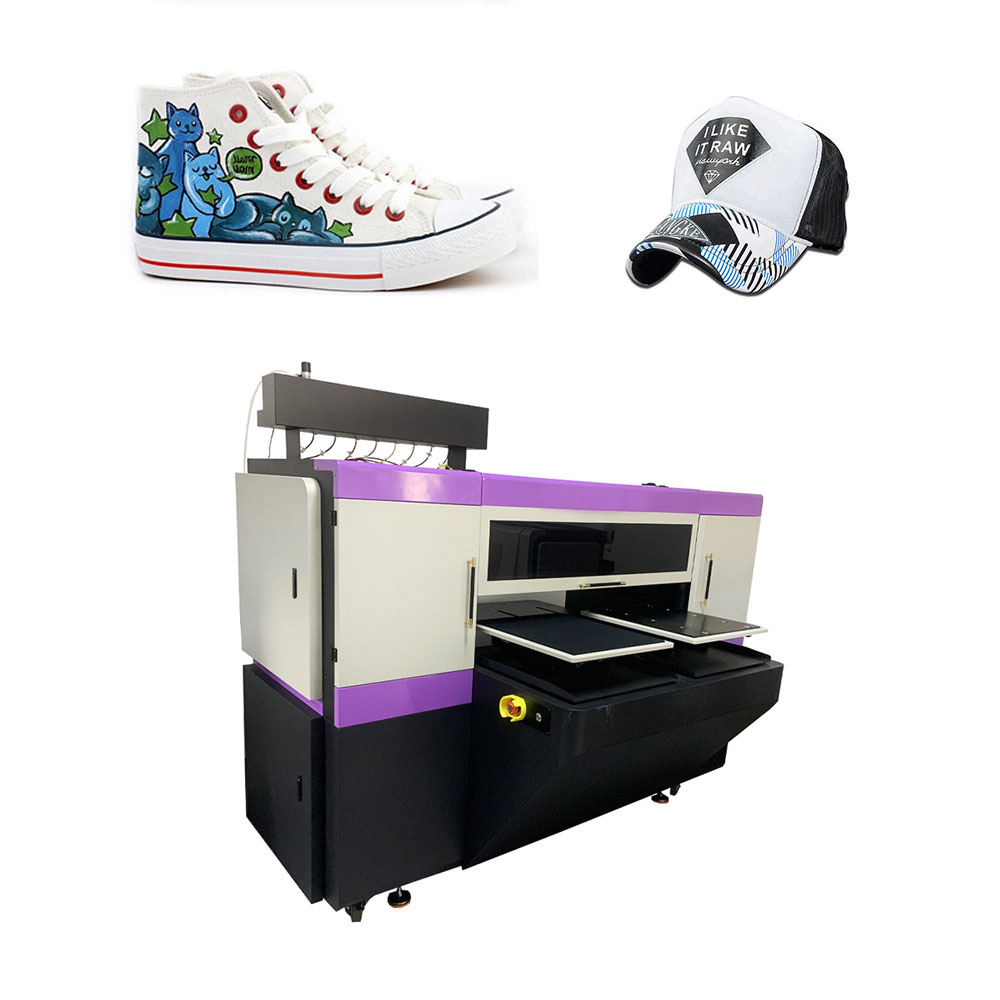
To run a successful DTG business, you need more than just the printer:
Equipment Purpose Estimated Cost
DTG Printer Prints the design $12,000 – $30,000
Heat Press (clamshell or swing-away) Cures the ink $500 – $1,500
Pretreatment Machine Applies liquid to dark garments $500 – $3,000
Conveyor Dryer (optional) Speeds up production $1,500 – $5,000
RIP Software Manages color and white layers $500 – $1,500 (often included)
Garment Shaker / Fluffer Removes loose fibers before printing $100 – $300
Total initial investment: $15,000 – $40,000 for a professional setup.
Choosing the Right DTG Printer for Your Market
For North America & Europe (High quality expectations)
Choose Epson, Brother, or OmniPrint. Customers in these markets expect excellent wash fastness and soft hand feel. Avoid cheap Chinese imports—the support will be difficult and the print quality inconsistent.
For Southeast Asia & Latin America (Price sensitive, high humidity)
Choose a machine with excellent climate control features (automatic capping, humidifiers). Ricoh-based printers are popular in these regions for their reliability in hot, humid conditions.
Is DTG Right for You? A Quick Self-Assessment
You are a good candidate for DTG if:
· You want to sell custom apparel online
· You receive orders for 1-50 shirts regularly
· You want to offer “print on demand” services
· You have workspace of at least 10-15 square meters
· Your budget is $10,000 – $40,000
· You are comfortable learning software (like learning Photoshop)
Consider DTF printing instead if:
· You mostly print on polyester or nylon
· You need to print on hard surfaces (wood, metal, leather)
· You have very low ceilings or limited space
· You want to avoid pretreatment entirely
Consider screen printing instead if:
· You regularly print 200+ identical shirts
· You have a dedicated, experienced screen printer on staff
· You own a warehouse with chemical storage
Ready to Start Your DTG Journey?
The global custom apparel market is valued at over $3.5 billion and growing 15% annually. E-commerce platforms like Shopify, Etsy, and Amazon Merch have created unprecedented demand for on-demand, personalized clothing.
Your competitors are already printing.
Every day you wait is another day of outsourcing profits, turning down small orders, and watching opportunities pass you by.
The DTG printing machine is not an expense—it is a direct path to revenue. Print one shirt today. Ship it tomorrow. Get paid by the weekend.
