Safer for your team, gentler on the planet, and delivering results that rival conventional printing — water-based technology is the future your business needs.

The printing industry is at a crossroads. Governments are tightening regulations on volatile organic compounds (VOCs). Customers are demanding eco-friendly products. And print shops worldwide are searching for technologies that balance performance with responsibility.
Enter water-based printing — not a compromise, but an upgrade. From aqueous inks that are over 90% pure water to revolutionary water-based UV technology, this category is reshaping what’s possible in professional printing.
What Is a Water-Based Printer?
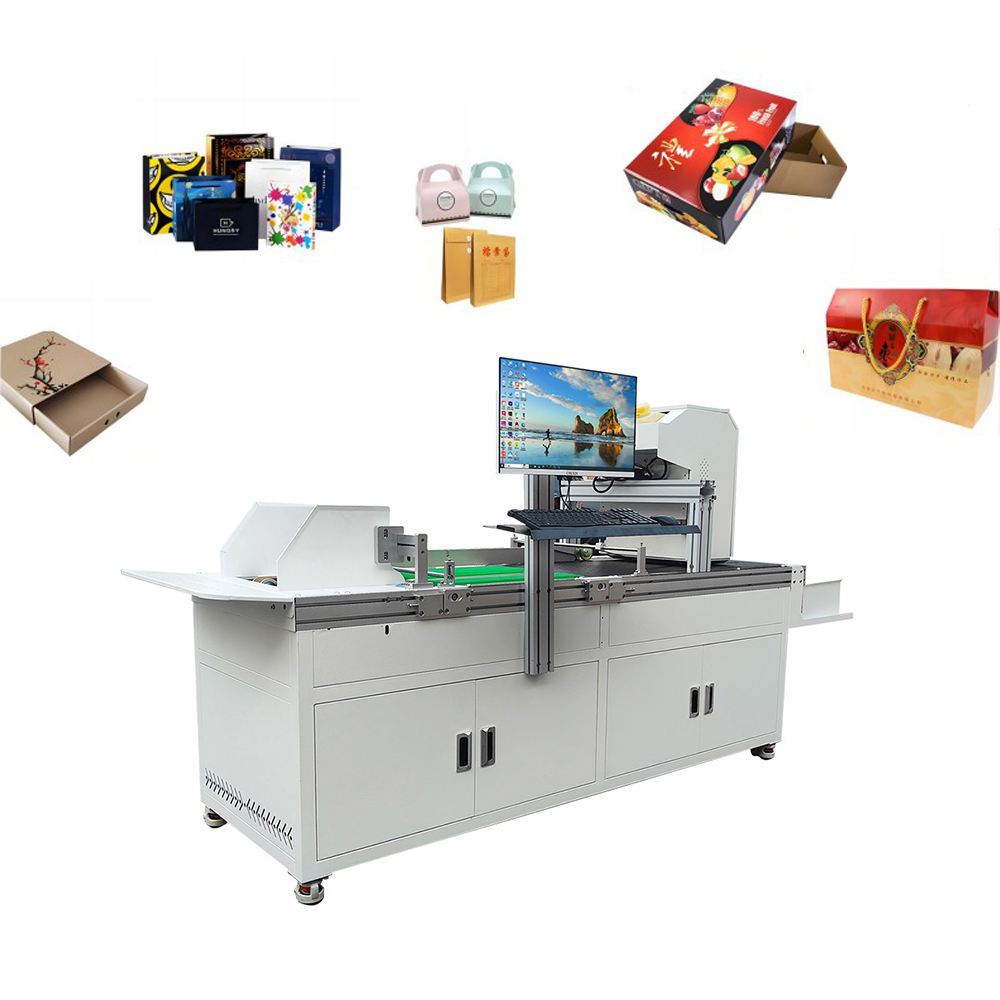
Water-based printers use inks where the primary solvent is water — not harsh chemicals like toluene, xylene, or glycol ethers. These aqueous inks carry pigments or dyes in a water medium, dramatically reducing harmful emissions during printing.
Today’s water-based technology spans multiple categories:
Technology Type Best For Key Benefit
Traditional Aqueous Inkjet Fine art, photos, indoor signage Superior colour gamut, archival quality
Water-Based UV (like AQUAFUZE™) Signage, wallpapers, retail décor, vehicle wraps Low-VOC, primer-free adhesion, scratch resistance
Water-Based Digital Label Presses Short-run labels, packaging Offset-quality at 100m/min, eco-friendly
Why Global Customers Are Switching to Water-Based Printing
- Near-Zero VOCs — Safer for Your Team and Your Customers
Traditional solvent inks release hundreds of grams of VOCs per litre — airborne chemicals that cause respiratory issues, headaches, and long-term health risks.
Water-based inks, by contrast, can reduce VOC emissions by up to 95%. Kyocera reports aqueous inks contain “no hazardous components or volatile liquids,” making them environmentally safe.
· ✅ No special ventilation required for many applications
· ✅ Safer working environment for operators
· ✅ No sharp chemical odour on finished products
- Meet Global Regulations — Stay Ahead of the Curve
Regulators worldwide are cracking down on solvent emissions:
· Europe: REACH restricts thousands of hazardous chemicals. Low-VOC inks without Substances of Very High Concern (SVHC) are increasingly mandatory.
· North America: EPA limits on VOCs in printing operations.
· Asia-Pacific: Stricter air quality controls driving adoption.
Water-based printing is future-proof. Leading products already carry GREENGUARD Gold certification for indoor air quality and GHS hazard-free classification.
- Breakthrough Water-Based UV Technology — The Best of Both Worlds
The latest innovation is water-based UV-curable ink — a hybrid system like Fujifilm’s AQUAFUZE™ that combines the low-VOC benefits of aqueous inks with the durability of UV curing.
Key advantages:
· Low-temperature drying (30–50°C): Prints on heat-sensitive substrates without warping
· No primers required: Adheres to non-porous materials like vinyl without adhesion promoters
· Scratch-resistant finish: Thin, durable ink film that doesn’t need an overcoat
· Instant lamination & cutting: Finish jobs immediately — no waiting
The MUTOH HydrAton 1642 and Fujifilm Acuity Triton are leading this category, enabling applications from vehicle wraps to backlit displays and window graphics.
- Lower Energy Consumption — Cut Operational Costs
Water-based printing often consumes less energy than traditional alternatives:
· No fuser engines required (unlike toner-based systems)
· Low-temperature curing reduces electricity use
· Shorter warm-up times — less wasted energy
HP’s DesignJet T600 series uses automatic on/off timing to save up to 65% in energy consumption.
- Less Waste, Lower TCO
Water-based inkjet solutions reduce waste throughout the print workflow:
· Precision printing: No test sheets needed before runs — start printing immediately
· Fewer moving parts: Less risk of breakdown, >90% uptime typical
· Built to last: Longer machine lifespan, reusable components
· Automated workflows: Features like barcode tracking reduce material waste
SCREEN’s label press achieves uptime exceeding 90% with water-based technology, delivering both reliability and sustainability.
- Exceptional Quality — Rivaling Offset
Modern water-based systems produce stunning results:
Quality Attribute Performance
Resolution Up to 1,200 × 1,200 dpi — sharp lines, smooth gradients
Colour density Deep, intense colours on standard media
Substrate flexibility Paper, film, fabric, vinyl, aluminium — direct printing no pre-priming needed
Speed Label printing up to 100m/min, wide-format up to 15m²/hr
- Compostable Packaging Ready
For brands moving to compostable packaging (PLA, PBAT/starch blends), water-based inks align with circular economy goals — provided the ink system is inert to microbial breakdown. Advanced polymer dispersions now offer surfactant-free, eco-compatible formulations suitable for certified industrial composting.
Who Is Buying Water-Based Printers Worldwide?
Customer Type Applications Why Water-Based
Signage & Display Shops Wallpapers, retail décor, indoor signage, banners Low odour, scratch-resistant, no primers needed
Vehicle Wrap Specialists Car wraps, fleet graphics Immediate lamination, excellent conformability
Label Converters Food labels, pharma, variable data Offset-quality, 100m/min speed, food-safe
Fine Art Printers Gallery prints, photography Archival quality, wide colour gamut
Corporate Print Rooms In-house production, promotional materials Sustainable credentials, reduced waste
Textile Printers Fashion, home décor Up to 60% energy/water savings over analogue
Water-Based vs. Solvent: The Bottom Line
Feature Water-Based Solvent-Based
VOCs ≤30 g/L (ultra-low) 300-600 g/L (high)
Odour Minimal Strong chemical smell
Safety GHS hazard-free possible Hazardous markings required
Regulations Future-proof Increasingly restricted
Energy use Low-moderate High (flash-off, ventilation)
Substrates (uncoated) Requires surface treatment Excellent inherent adhesion
Drying time May require heat Rapid volatilization
Print quality Offset-rivaling Good, but colour gamut narrower
What to Look for When Buying (Global Buyer’s Guide)
✅ Ink Technology
· Traditional aqueous: Best for porous media (paper, fabric)
· Water-based UV: Best for non-porous media (vinyl, film, PVC) with durability needs
· Ink certifications: GREENGUARD Gold, GHS hazard-free, SVHC-free
✅ Printhead Performance
· Look for printheads with recirculation technology (like Xaar Aquinox) to prevent nozzle clogging and reduce maintenance
· High native resolution (720dpi+) for sharp detail
✅ Drying System
· For water-based UV: Three-way heaters + blower + UV lamp ensure fast, durable results
· For aqueous: Ensure the system matches your substrate and speed requirements
✅ Automation Features
· Bi-directional registration adjustment
· Automatic media feed correction
· Media tracking to reduce waste
✅ Certifications
· CE, RoHS for global compliance
· GREENGUARD Gold for indoor air quality
· EPEAT, ENERGY STAR for energy efficiency
Ready to Make the Switch?
The printing industry is embracing water-based technology at an unprecedented rate. It’s not just about compliance — it’s about capturing a market that demands sustainability without sacrificing quality.
Stop worrying about regulations, odours, and waste. Start printing cleaner, smarter, and more profitably.
