DTF Printing: The Versatile Powerhouse Transforming Custom Apparel

In the rapidly evolving world of custom garment decoration, one technology has surged to the forefront over the last 3-4 years, redefining what’s possible for businesses of all sizes: Direct-to-Film (DTF) printing. If you are looking to expand your product line, reduce operational hurdles, and capture a global market demanding personalization, DTF offers a compelling and versatile solution that is hard to ignore.
What is Direct-to-Film (DTF) Printing?
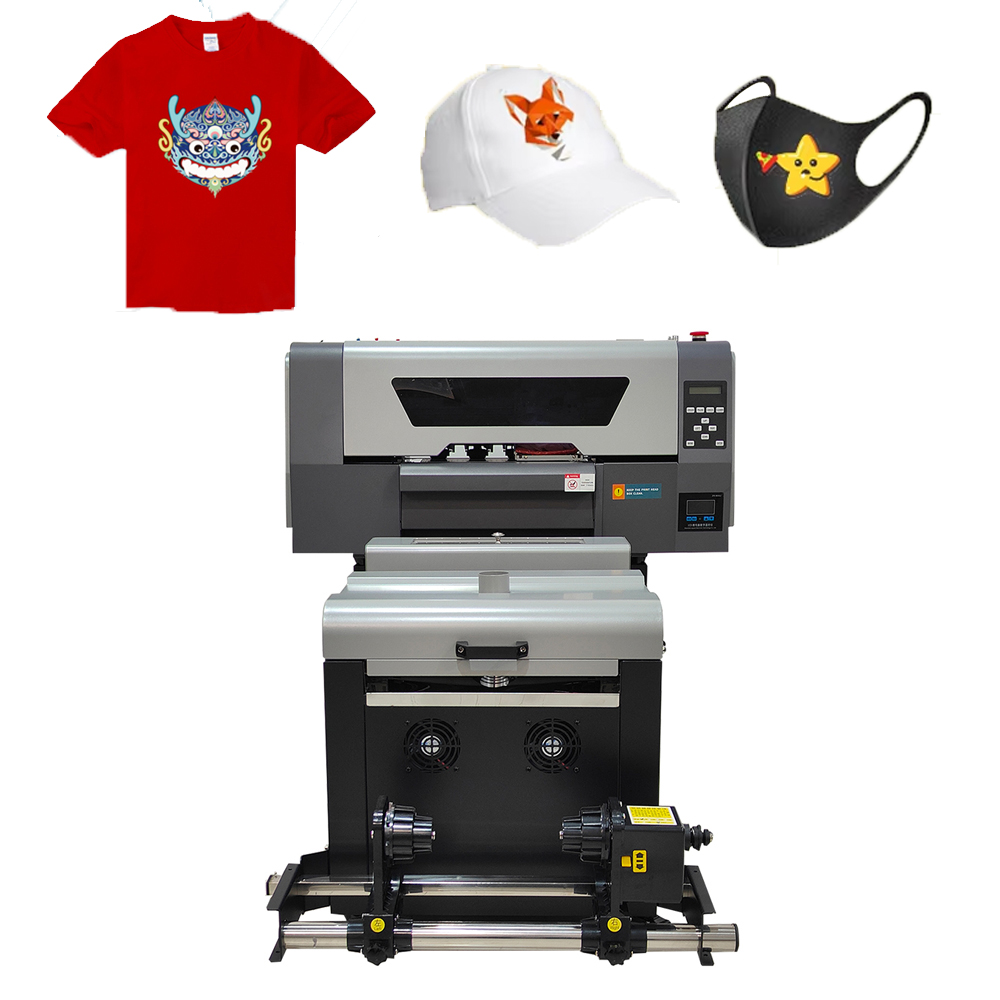
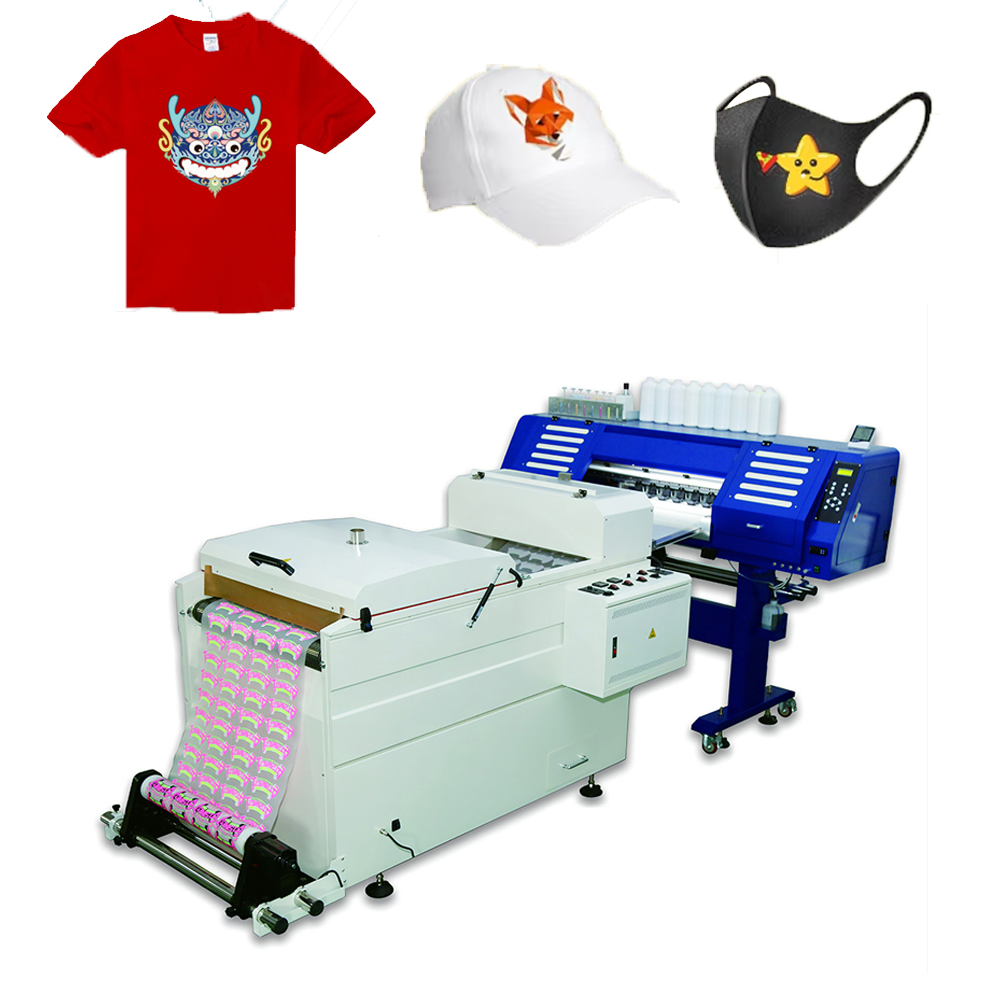
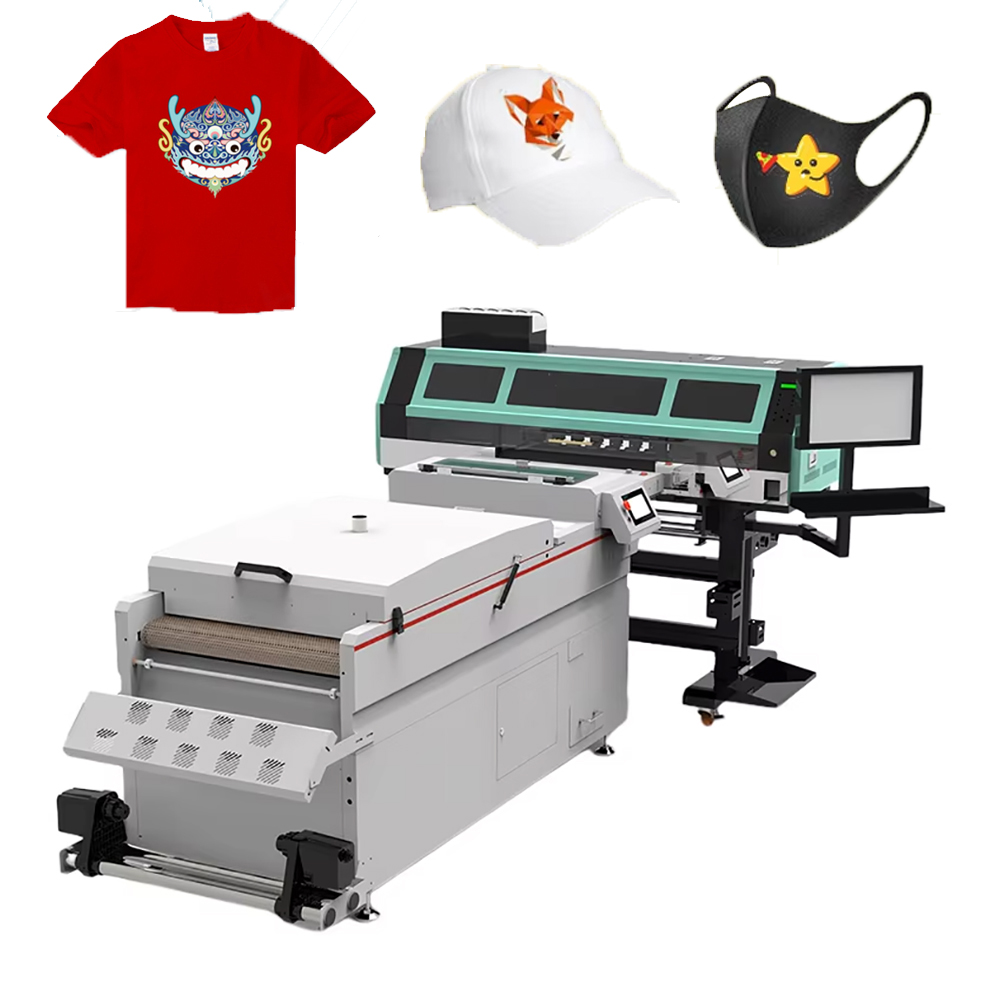
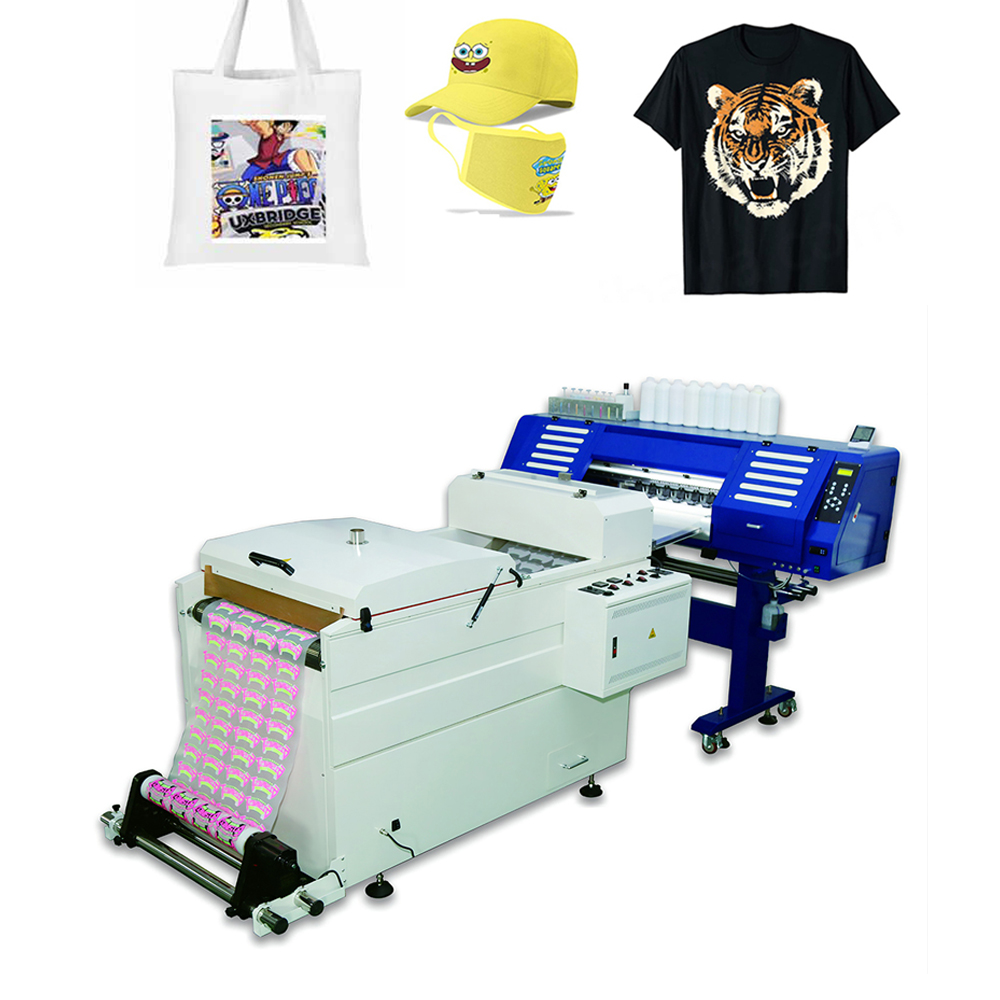
The DTF process involves printing a design onto a special coated PET film using water-based inks. A hot-melt adhesive powder is then applied to the wet ink and cured. The resulting transfer can be stored and later applied to a garment or item using a heat press. The magic of DTF lies in its incredible versatility and ease of use. It allows for “complex, multi-colored designs in a single pass,” making it ideal for intricate artwork and photographs.
Unmatched Material Versatility
This is DTF’s greatest advantage. Unlike Direct-to-Garment (DTG) printing, which is primarily effective on 100% cotton fabrics, DTF works beautifully on a vast array of materials. As confirmed by industry experts, DTF is the perfect choice “for a wide variety of different materials,” including cotton, polyester, nylon, denim, rayon, leather, and blends. It even performs well on dark and light-colored fabrics without requiring pre-treatment.
This flexibility allows businesses to diversify their product offerings effortlessly, from t-shirts and hoodies to sportswear, bags, and even rigid items like wood and metal.
Exceptional Print Quality and Durability
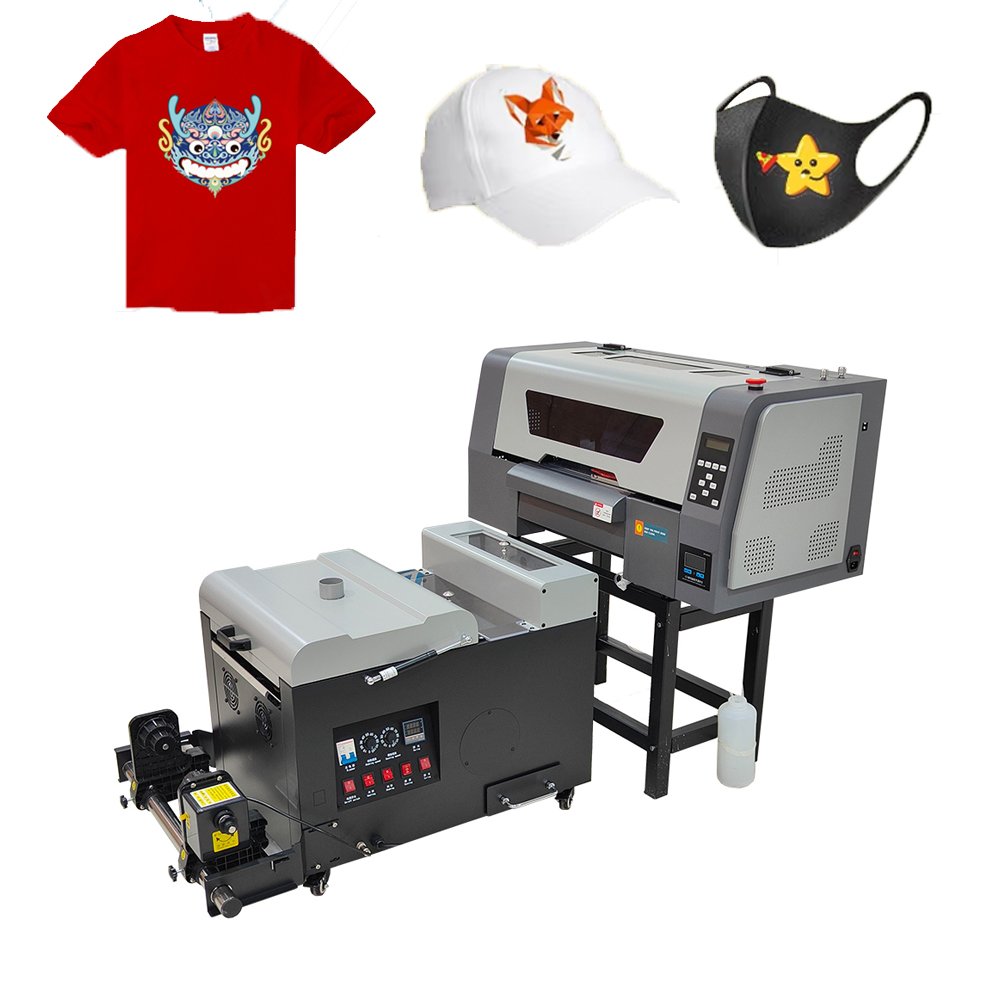
DTF printing produces stunning, vibrant results with strong opacity, making it particularly effective on dark fabrics. Modern DTF prints are known for their longevity, resisting cracking and fading through repeated washes, often exceeding 100 washes when done correctly.
Recent technological innovations continue to raise the bar. For instance, new systems now offer expanded color gamuts, “from 350,000 possible colors to nearly a million,” allowing for incredibly accurate brand color matching and photographic reproduction.
A Smart Business Investment for Global Growth
The global Direct-to-Film Printing Market was valued at USD 2.72 billion in 2024 and is projected to reach USD 3.92 billion by 2030, growing at a CAGR of 6.00%. This explosive growth is driven by powerful business advantages.
Cost-Effectiveness and the “Print-On-Demand” Model
DTF excels in the “print-on-demand” business model. With no minimum order requirements, you can profitably print single items, test new designs with zero risk, and eliminate costly inventory overhead. This flexibility enables you to respond swiftly to market trends and customer demands.
The Complete Production Ecosystem
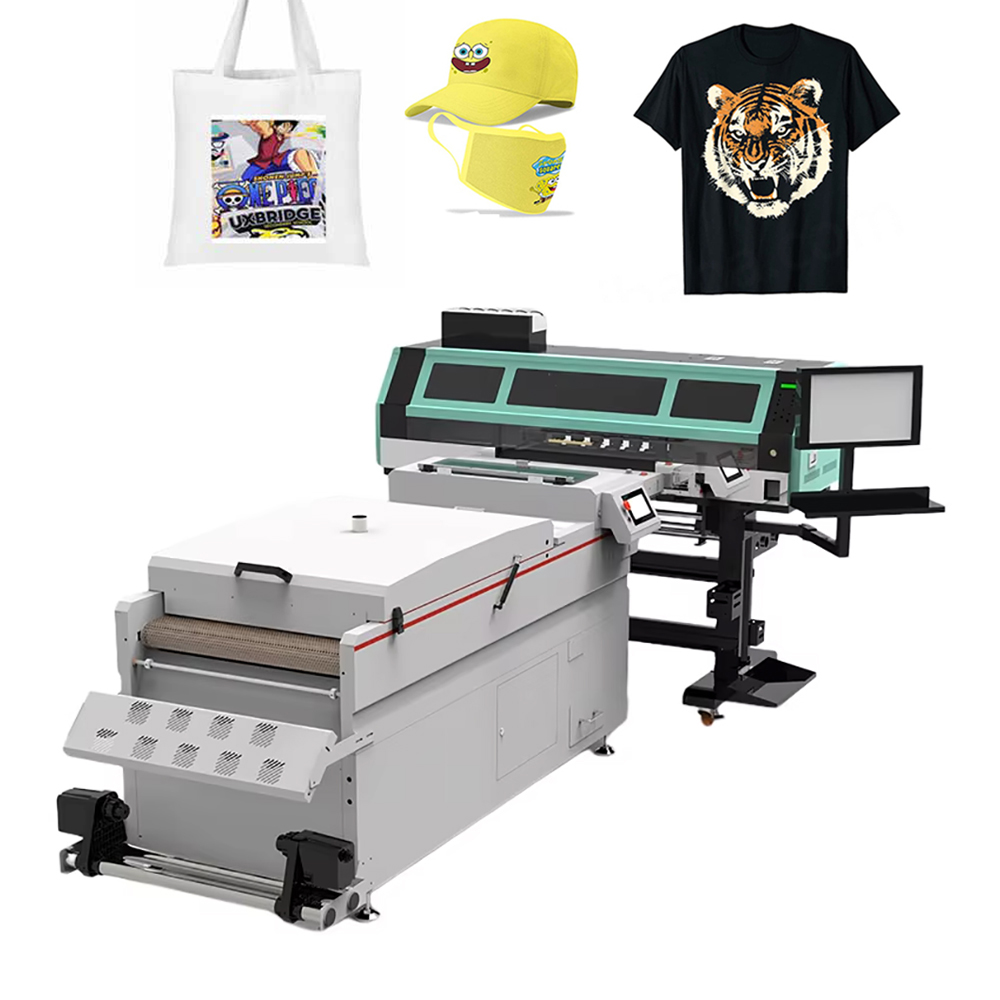
The market is shifting toward “printer-as-a-production-platform” solutions that provide end-to-end reliability. Leading manufacturers are now offering integrated ecosystems. For example, new systems like the Epson SureColor G9000 provide “greater productivity, more reliability and less hands-on maintenance” with automated cleaning and user-replaceable parts. This operational efficiency ensures high uptime and reduces the total cost of ownership.
Sustainability and Industry Certifications
As sustainability becomes a global priority, DTF is evolving to meet these expectations. Many modern DTF printers use inks that are OEKO-TEX® ECO PASSPORT certified, meeting the highest safety standards for human health and environmental protection. This allows your business to appeal to the growing segment of eco-conscious consumers.
Choosing Your DTF Printing Partner
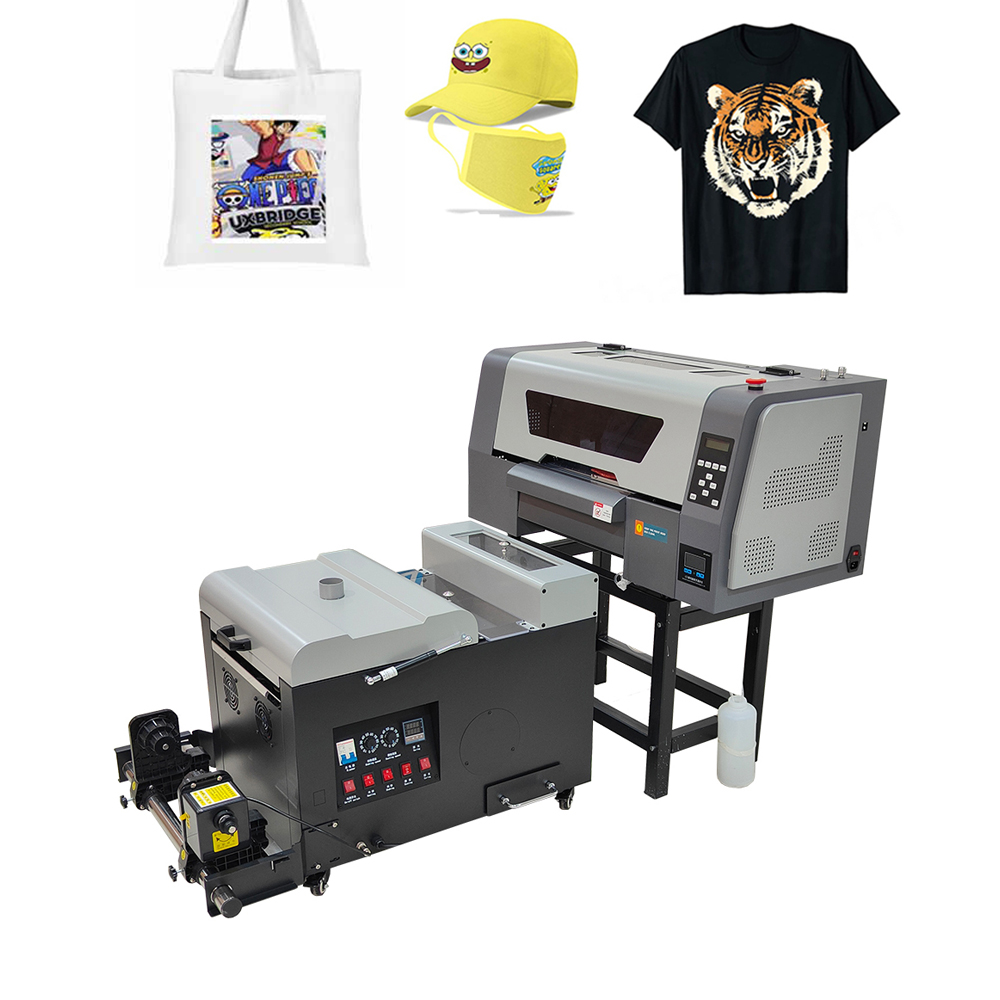
The DTF printer market offers a spectrum of solutions, from compact entry-level systems to high-speed industrial models. The key is to choose a partner that provides not just a machine, but a complete, future-proof service ecosystem. This includes reliable consumables, intuitive RIP software, and ongoing support to help you scale your business organically.
DTF vs. DTG: Making the Right Choice
The industry consensus is that DTF and DTG technologies complement each other. As one expert noted, “DTF has filled critical gaps left by DTG”. While DTG is best for soft, breathable prints on cotton, DTF offers unbeatable versatility across all fabric types and surfaces, making it the go-to solution for businesses looking to maximize their product range.
Conclusion: Future-Proof Your Business with DTF
Direct-to-Film printing is more than a trend; it is a transformative technology reshaping the textile industry. By investing in DTF, you are investing in a system that offers limitless creative freedom, operational flexibility, and a clear path to profitability. It is the strategic tool you need to compete in the global market and turn your custom apparel business into a thriving enterprise.
