Why Global Printers Are Ditching Solvents for Cleaner, Smarter Technology

Sub-headline: Low odor. Low VOC. High durability. Print on virtually any substrate—from vinyl to wallpaper—without primers or hazardous chemicals.
Introduction: The Future of Printing is Clear
For years, the wide-format printing industry faced an uncomfortable trade-off:
· Solvent and eco-solvent inks offered durability but emitted harmful VOCs (Volatile Organic Compounds), requiring expensive ventilation systems and posing health risks to operators.
· Latex and resin inks improved the safety profile but consumed significant energy due to high heat curing, limiting their use on heat-sensitive materials.
· Traditional UV inks cured instantly but produced a raised, textured finish and required careful handling.
Water-based inkjet technology has shattered these compromises.
Today’s advanced water-based printers—particularly the new generation of water-based UV hybrids—combine the environmental safety of aqueous inks with the durability and substrate versatility of UV and solvent systems . The result is a printing solution that is GREENGUARD Gold certified, operates at low temperatures (30–50°C), and delivers scratch-resistant, flexible prints on everything from delicate films to automotive wrap vinyl .
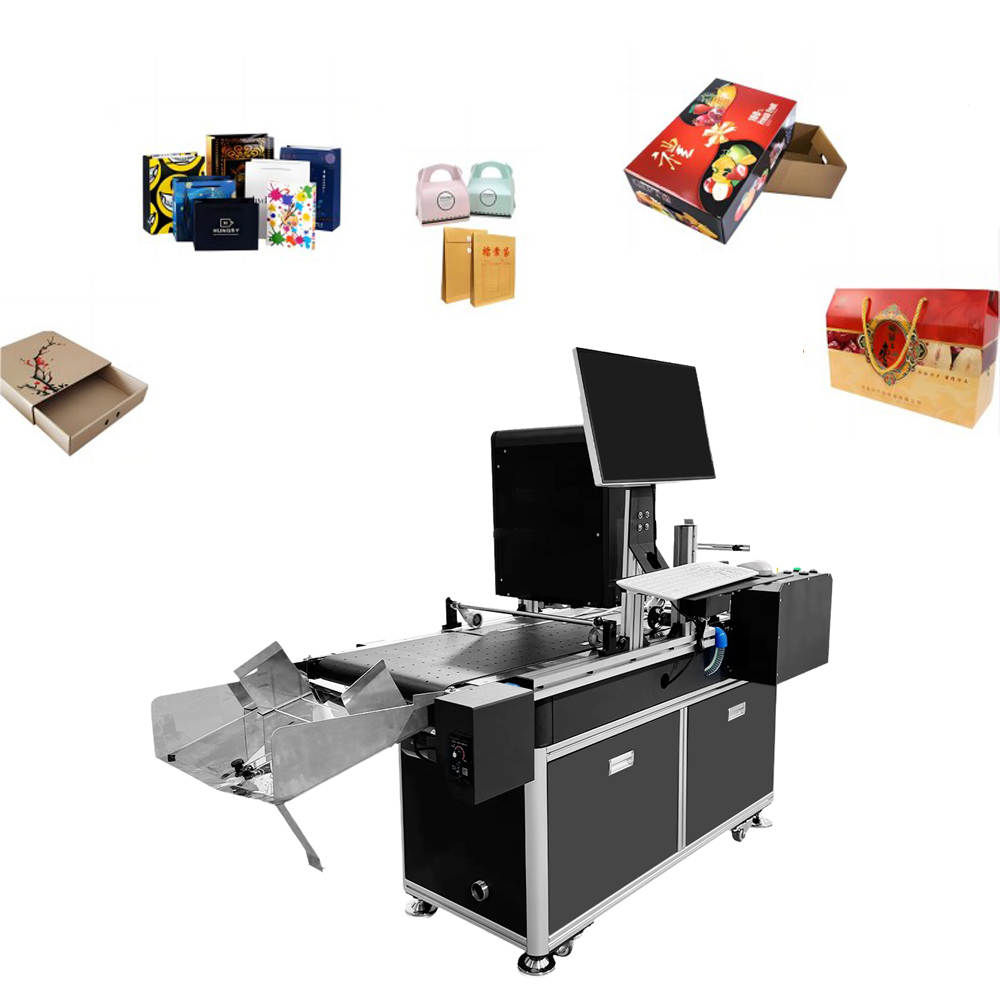
Why Global Customers Are Switching to Water-Based Printers
If you want to attract buyers from Europe, North America, Asia, and beyond, here are the key selling points that close deals:
- Unmatched Environmental Compliance
Global regulations on VOC emissions are tightening. The European Union, California, and major Asian markets are increasingly restricting solvent-based inks.
Water-based inks contain no hazardous components and are composed of more than 90% pure water . Leading formulations like Fujifilm’s AQUAFUZE™ have a VOC content of less than 15% and are free from Substances of Very High Concern (SVHC)—meaning they carry no hazard warning labels and can be shipped and used without special permits . - Print on Anything—No Primers Required
Traditional water-based inks required specially coated papers, limiting their application. Next-generation water-based UV inks (like AQUAFUZE™) use a hybrid formulation that adheres to non-porous substrates without primers or adhesion promoters .
Compatible substrates include:
· Cast, polymeric, and monomeric PVC vinyl
· Heat-sensitive materials (low-temperature curing prevents distortion)
· Backlit films and fabrics
· Wallpaper, retail décor materials
· Window films and automotive wrap films
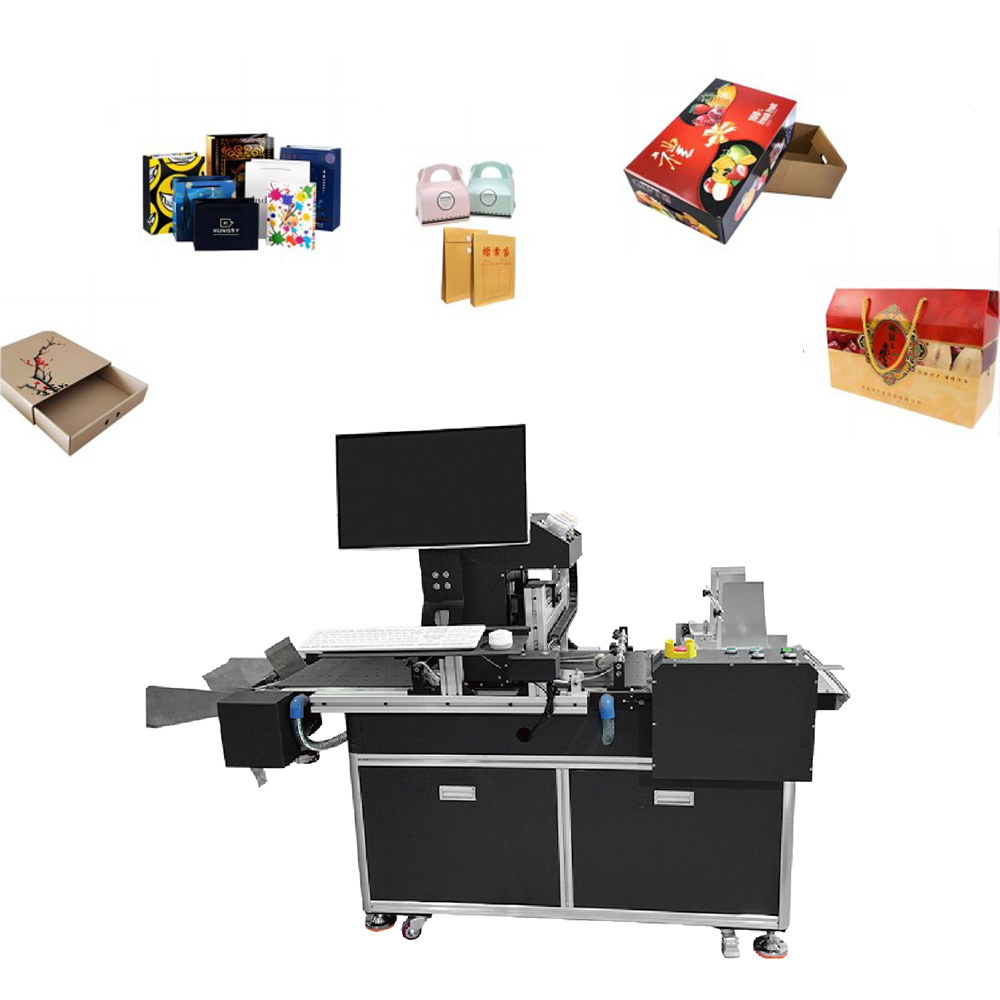
- Low Energy, Low Heat, Low Cost
Unlike latex printers that require high-temperature curing (often 80–100°C+), water-based UV printers operate at just 30–50°C . This delivers three major advantages:
· Energy savings: Dramatically reduced electricity consumption and CO₂ emissions
· Material savings: No heat damage to thin or shrink-prone substrates
· Operator comfort: Cooler, more pleasant working environment
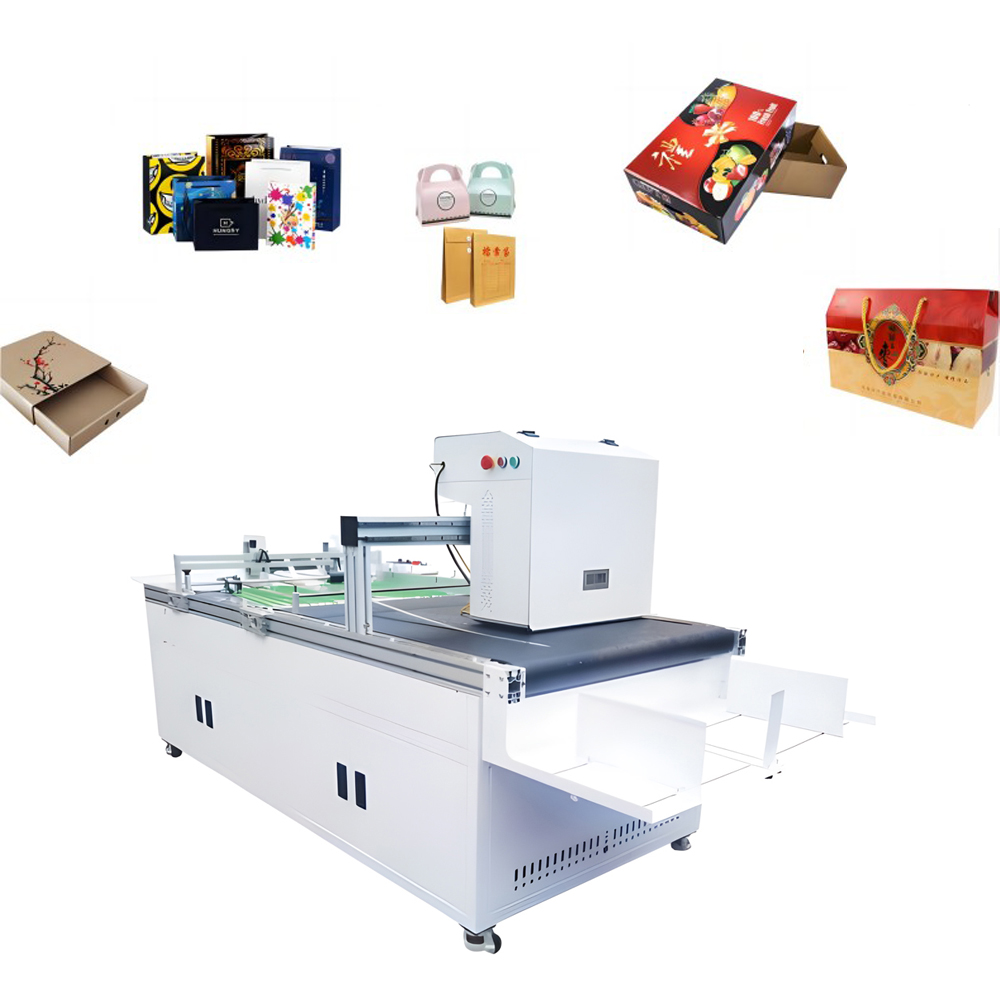
- Instant Curing, Instant Finishing
One of the biggest bottlenecks in print production is waiting for inks to dry before lamination or cutting. Water-based UV inks cure instantly under LED UV lamps. Prints can be laminated, cut, and finished immediately after coming off the press—no outgassing, no waiting . - Superior Image Quality
Water-based technology is renowned for exceptional resolution and color reproduction. Unlike 100% solids UV inks that produce a raised, “structured” finish, water-based UV inks create a thin, flexible ink film that lies flat on the substrate, with sharp details and a soft-touch finish . Print resolutions up to 1200 x 2400 dpi are achievable .
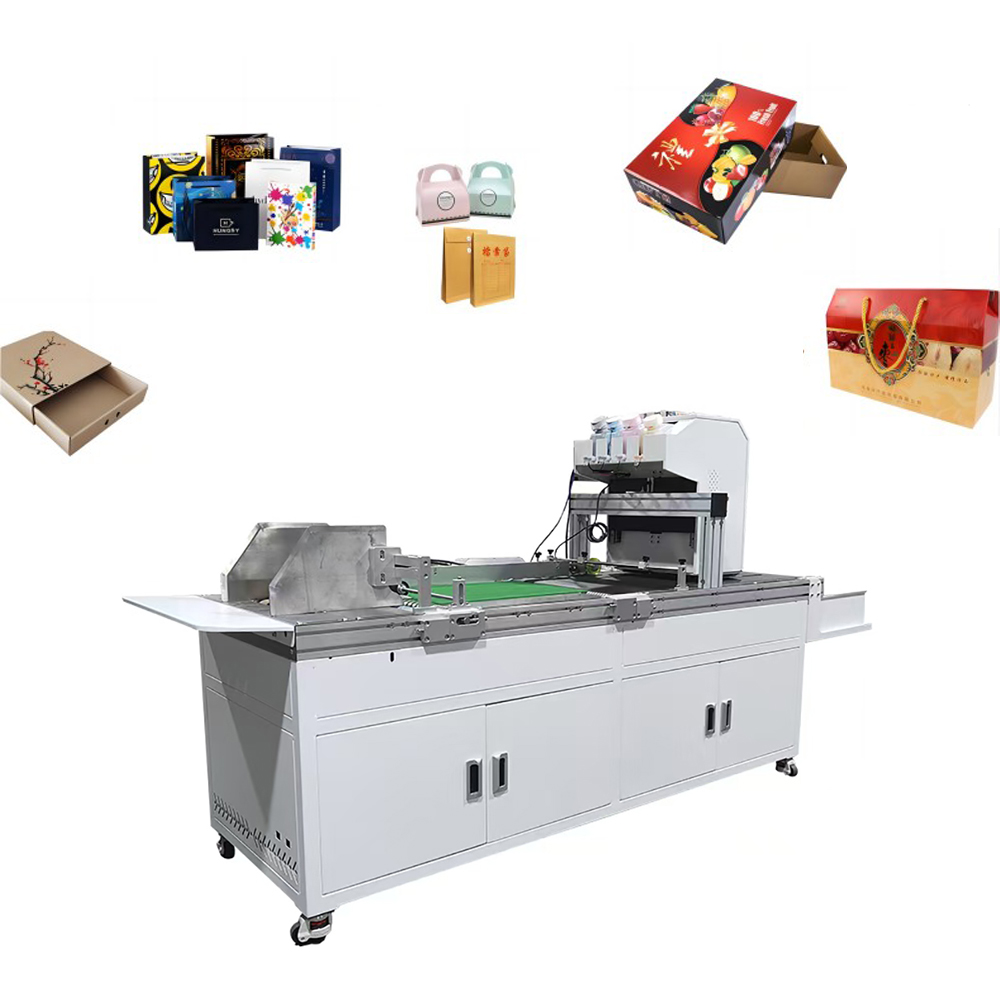
Water-Based vs. Traditional Technologies: The Honest Comparison
Feature Water-Based (AQUAFUZE™ type) Eco-Solvent Latex Traditional UV
VOC emissions <15%, hazard-free Moderate-high Low Low
Operator safety No hazardous markings Requires ventilation Safe Safe (but ink handling care needed)
Curing temperature 30–50°C (low) Room temp (slow dry) 80–100°C+ UV lamp (heat generated)
Heat-sensitive media Excellent Good Poor (can distort) Moderate
Primer required No Often No Sometimes
Scratch resistance Excellent Good Good Excellent
Ink film thickness Thin, flexible Moderate Moderate Thick, raised
Instant finishing Yes No (outgassing needed) Yes Yes
Key Applications That Win Global Customers
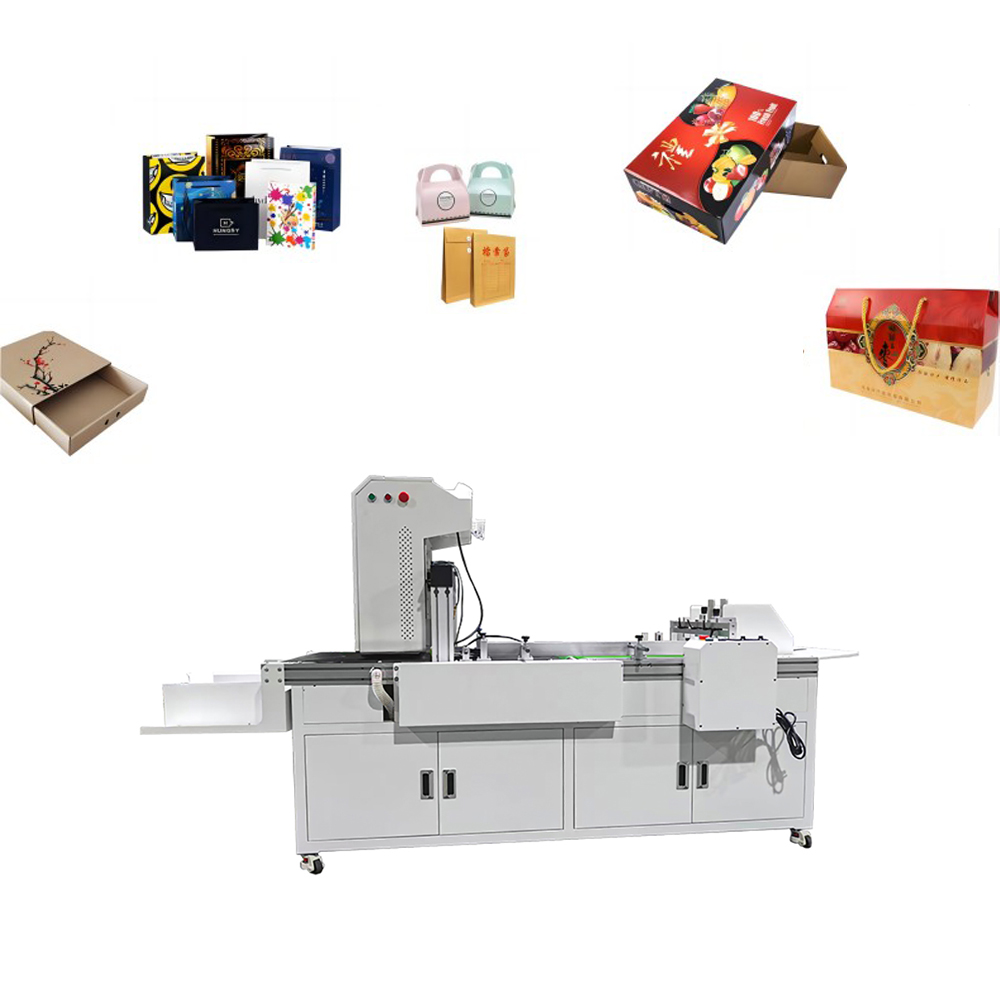
The versatility of water-based printing opens multiple revenue streams:
Application Why Water-Based?
Vehicle wraps Flexible, conformable ink film; scratch-resistant; no outgassing delays
Window graphics & décor Low odor suitable for indoor spaces; excellent adhesion to glass and films
Wallpaper & retail décor GREENGUARD Gold certified for indoor air quality; primer-free on vinyl and fabric
Backlit displays Vibrant colors that pop when illuminated; thin film allows light transmission
Banners & large signage Durable outdoor performance without solvent emissions
Packaging prototypes Low migration potential; food-contact compliant options available
The Investment Case: Market Growth & Profit Potential
The global water-based inkjet press market is projected to grow from US$905 million in 2024 to US$1.226 billion by 2031, at a CAGR of 4.5% . This growth is driven by:
· Tightening environmental regulations worldwide
· Growing demand for sustainable printing from brands and consumers
· Rise of short-run, on-demand printing replacing traditional offset
For mid-sized commercial machines, pricing typically ranges from $50,000 to $200,000, with gross profit margins of 35–60% for print service providers .
The Asian market—particularly China and India—is identified as a strategic core for future growth, making this an ideal time for printers in those regions to establish water-based capabilities .
Real-World Impact: What Users Are Saying
“The new AQUAFUZE ink technology represents a breakthrough in the industry. The immediate benefit is the significant reduction in time required to print and finish wrap jobs, allowing businesses to respond to urgent orders and complete large fleet projects more efficiently. By offering same-day signage and sticker production, printers can present a completely new print solution to customers, setting themselves apart from traditional eco-solvent, UV, resin, and latex options.”
— Alex Liggett, Owner, The Vinyl Guys
Key Features to Look For in a Water-Based Printer
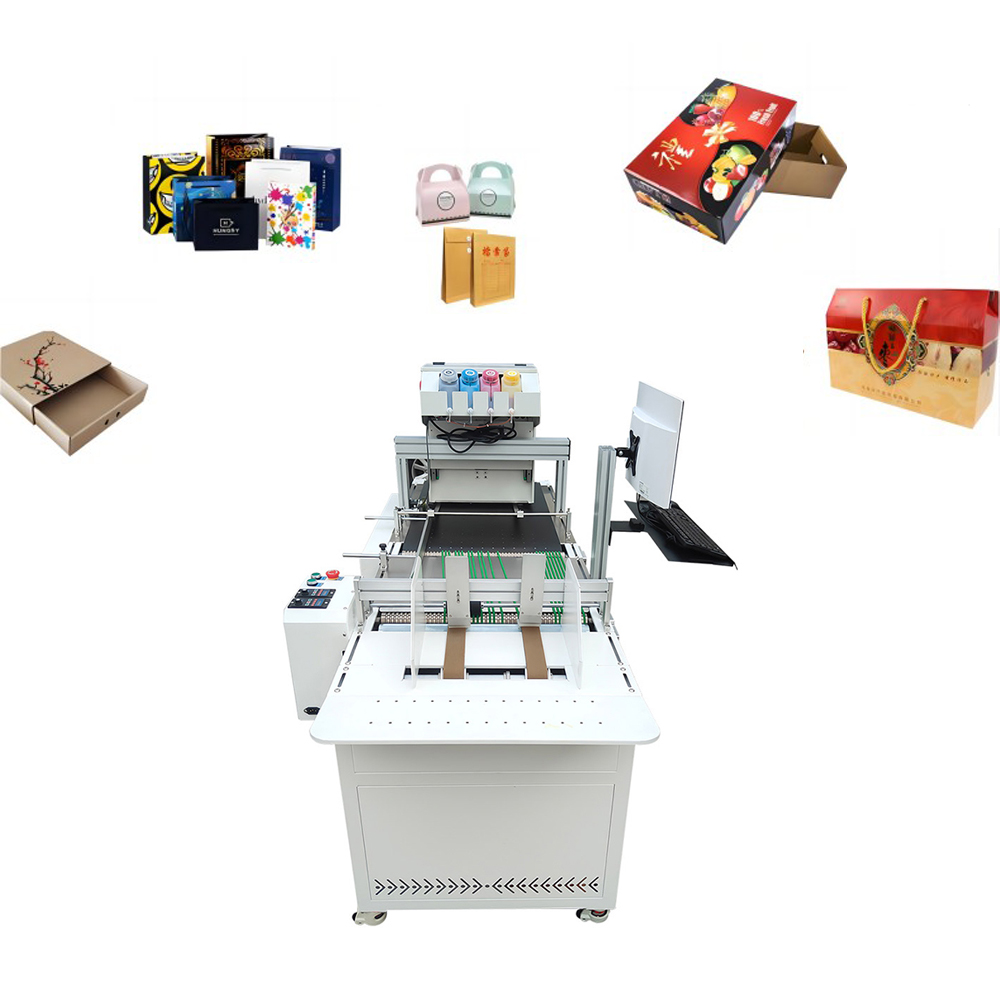
When evaluating water-based printers for your global operation, prioritize these specifications:
- True hybrid ink technology (combines water-based safety with UV durability)
- Low-temperature curing (30–50°C) for heat-sensitive media
- No primer required across a wide substrate range
- Instant curing and finishing (no outgassing delays)
- GREENGUARD Gold or equivalent certification for indoor air quality
- Automated media handling (roll-to-roll with tension control, media tracking)
- High-resolution capability (1200+ DPI for fine details)
The Sustainability Advantage
Water-based printing is not just about regulatory compliance—it’s a genuine competitive advantage. Brands across retail, automotive, and packaging are demanding sustainable supply chains. By offering water-based printed graphics, you can:
· Eliminate hazardous waste disposal costs
· Remove the need for expensive ventilation systems
· Reduce energy consumption and carbon footprint
· Market to eco-conscious clients with verifiable green credentials
· Achieve zero hazardous marking requirements for shipping and handling
Ready to Join the Water-Based Revolution?
The printing industry is at a tipping point. Solvent-based technologies are being phased out. Customers are demanding sustainability without compromising quality or durability.
Water-based printing delivers all three.
👉 [Download Our Free Water-Based Printer Buyer’s Guide]
Compare leading models including MUTOH HydrAton 1642, Fujifilm ACUITY TR, and more. Understand total cost of ownership, ink consumption, and ROI calculations.
👉 [Request a Sample Print Pack]
See—and feel—the difference. We’ll send you water-based prints on vinyl, backlit film, and wallpaper. Test the scratch resistance and flexibility yourself.
👉 [Book a Live Production Demo]
Watch a water-based UV printer in action. See primer-free printing on uncoated vinyl. Touch the instantly cured, ready-to-finish output.
Stop compromising. Start printing cleaner, faster, and smarter. Serve global markets with the technology of tomorrow—available today.
