Why Smart Printers Are Ditching Screens (and Pretreatment)

Sub-headline: Print on cotton, polyester, nylon, leather, and even glass. No minimum orders. No fabric restrictions. Unlimited color.
Introduction: The “Universal” Solution Has Arrived
For decades, custom apparel printers faced a frustrating choice:
· Screen printing for bulk orders (but high setup costs).
· DTG for small batches (but only on high-cotton, pretreated fabrics).
· Vinyl/Heat transfer for durability (but slow and labor-intensive).
Direct-to-Film (DTF) printing eliminates those trade-offs entirely.
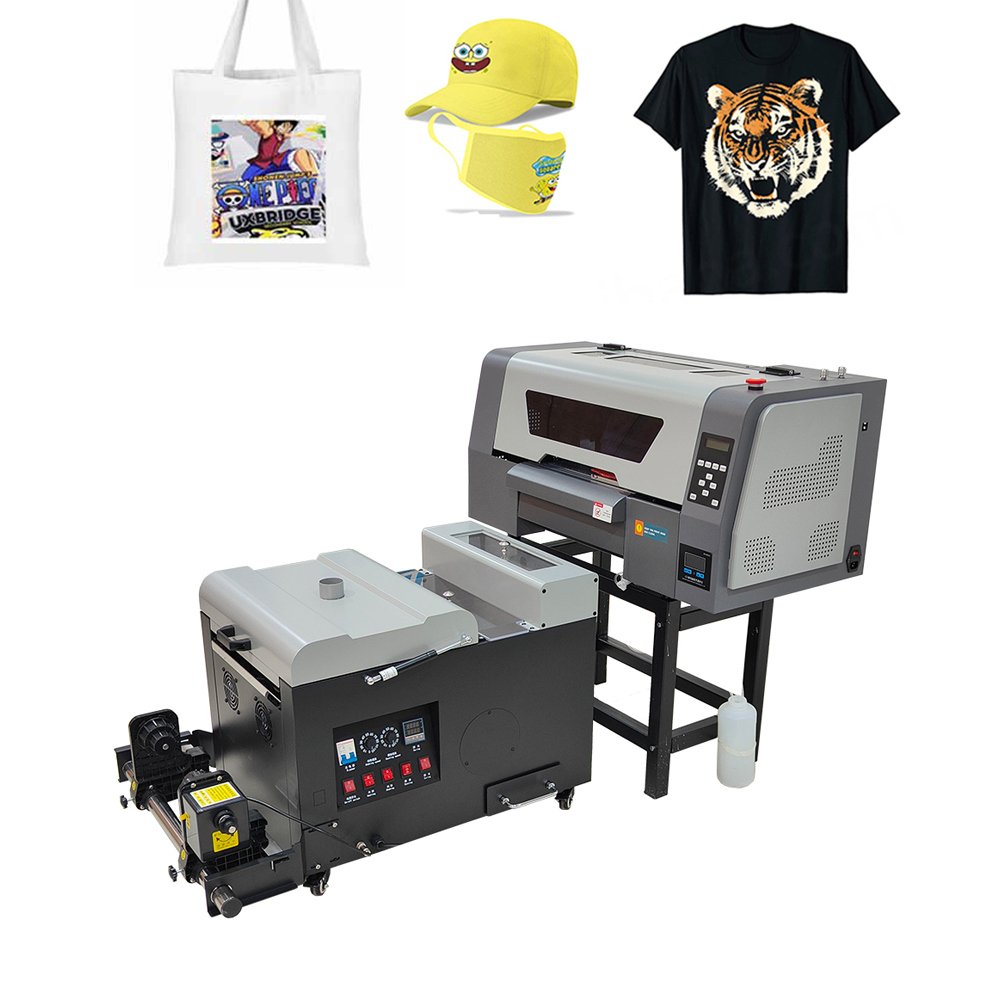
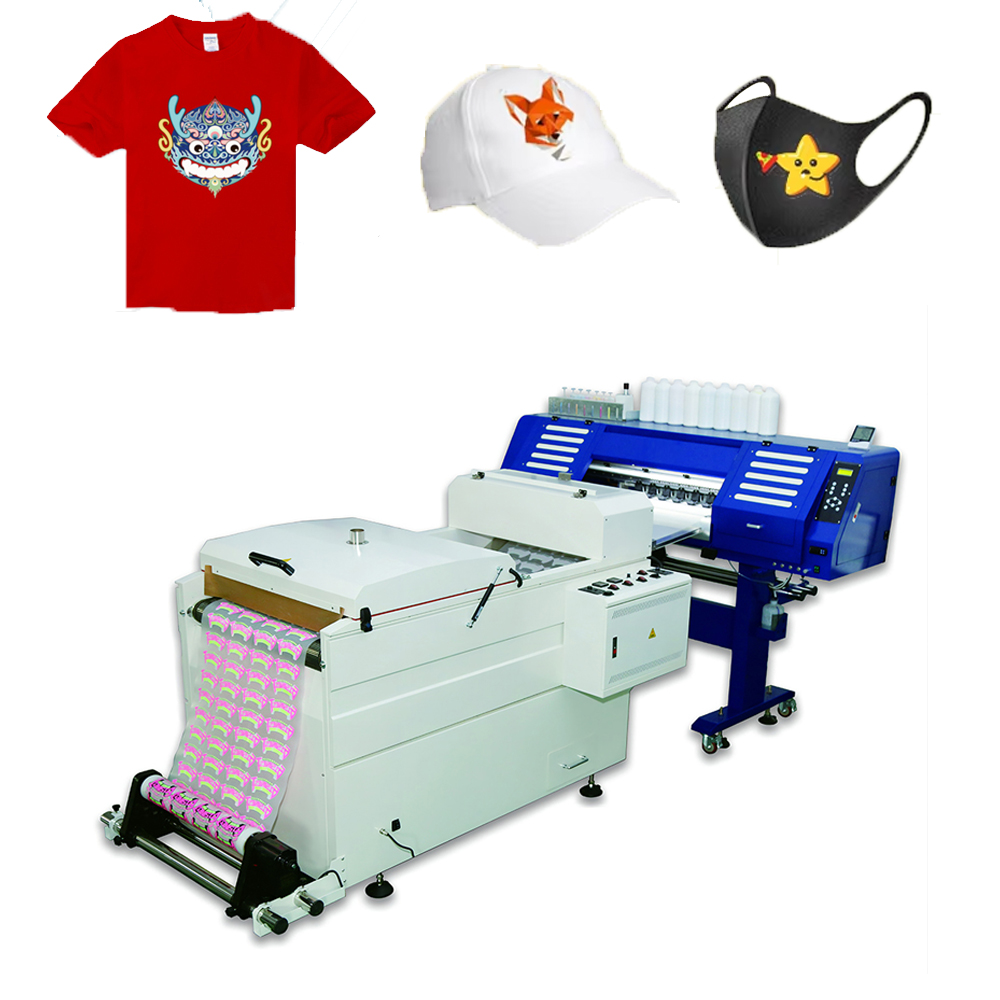
DTF is the fastest-growing segment in the decorated apparel industry. Why? Because a single DTF printing machine allows you to print vibrant, stretchable, wash-fast transfers for any fabric type—cotton, polyester, blends, denim, nylon jackets, canvas totes, even leather shoes.
And here is the game-changer for global customers: No pretreatment chemicals. No fabric restrictions. No minimum order quantity.
Why International Customers Are Switching to DTF
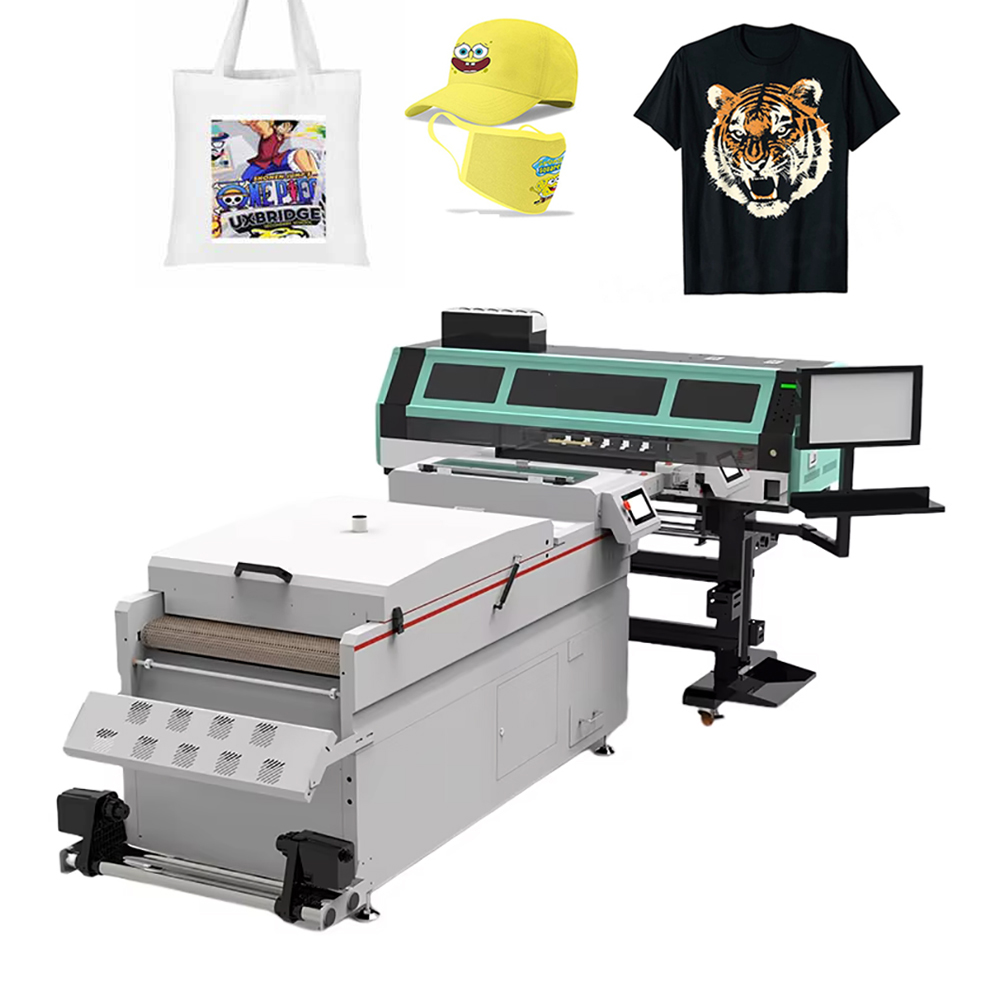
If you want to attract buyers from Europe, North America, the Middle East, or Southeast Asia, here is what they are searching for:
- Any Fabric, Any Color
DTG struggles with 100% polyester (sports jerseys) and dark fabrics require messy pretreatment.
DTF prints on everything:
· 100% cotton t-shirts ✅
· Performance polyester (jerseys, activewear) ✅
· Nylon bags ✅
· Denim jackets ✅
· Leather patches ✅
A customer in Dubai wants logos on polyester polo shirts and cotton hoodies? One DTF machine does both.
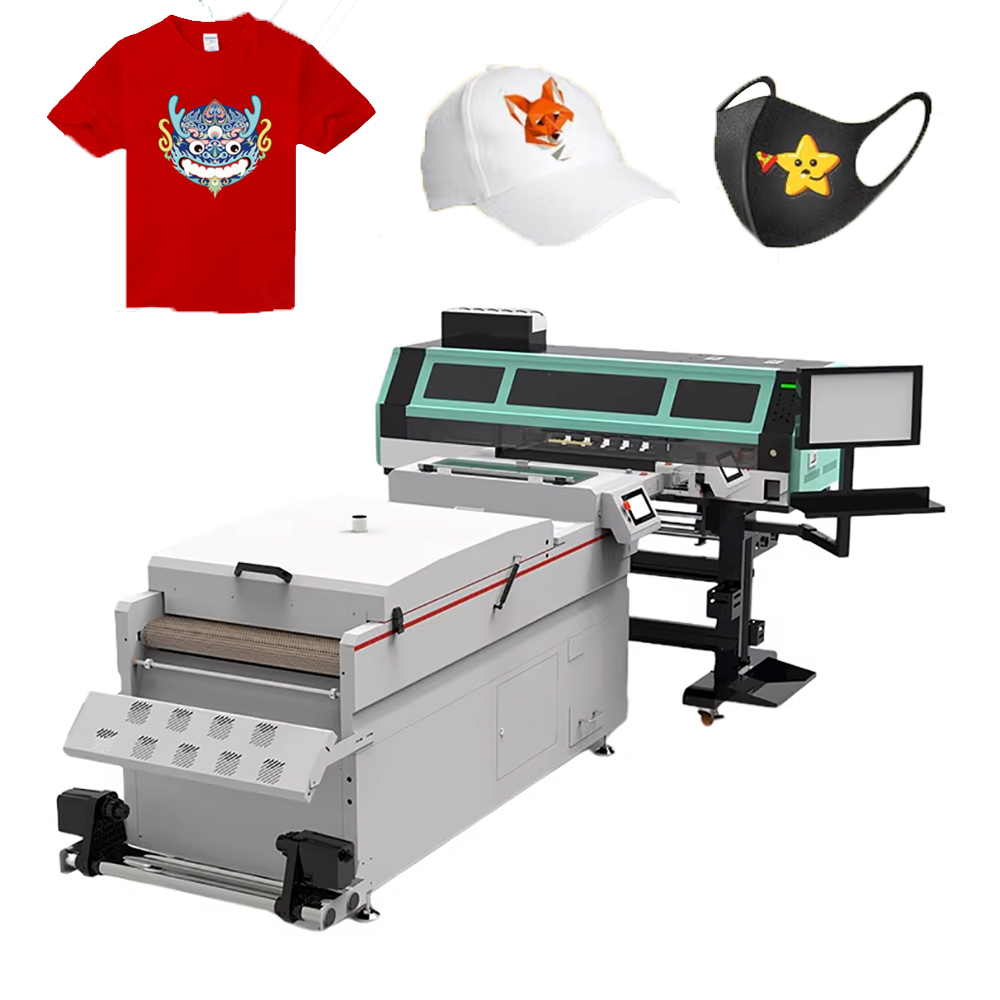
- No Pretreatment = Lower Cost + Less Mess
Pretreatment is expensive, smells, requires drying time, and changes the fabric’s hand feel.
DTF eliminates that entirely.
Result: Faster production, lower chemical costs, and happier customers who receive soft, breathable prints. - Incredible Opacity on Dark Garments
White ink has always been the bottleneck for DTG.
DTF uses a white ink layer printed directly onto the film, then powdered and cured. The result?
· Vibrant neon colors on black shirts
· No “ghosting” or fading
· Stretchable, crack-resistant prints that outlast screen printing
- Perfect for Small to Medium Orders (1–500 pcs)
Your global customers are freelancers, boutique brands, merch creators, and sports teams. They need 20 jerseys, not 200.
DTF offers:
· No screen fees ($0 setup)
· No minimum quantity
· Competitive cost per piece (as low as $0.50–$1.50 for a full-front design)
The DTF Workflow: Simpler Than You Think
One of the biggest selling points for new buyers is the straightforward process:
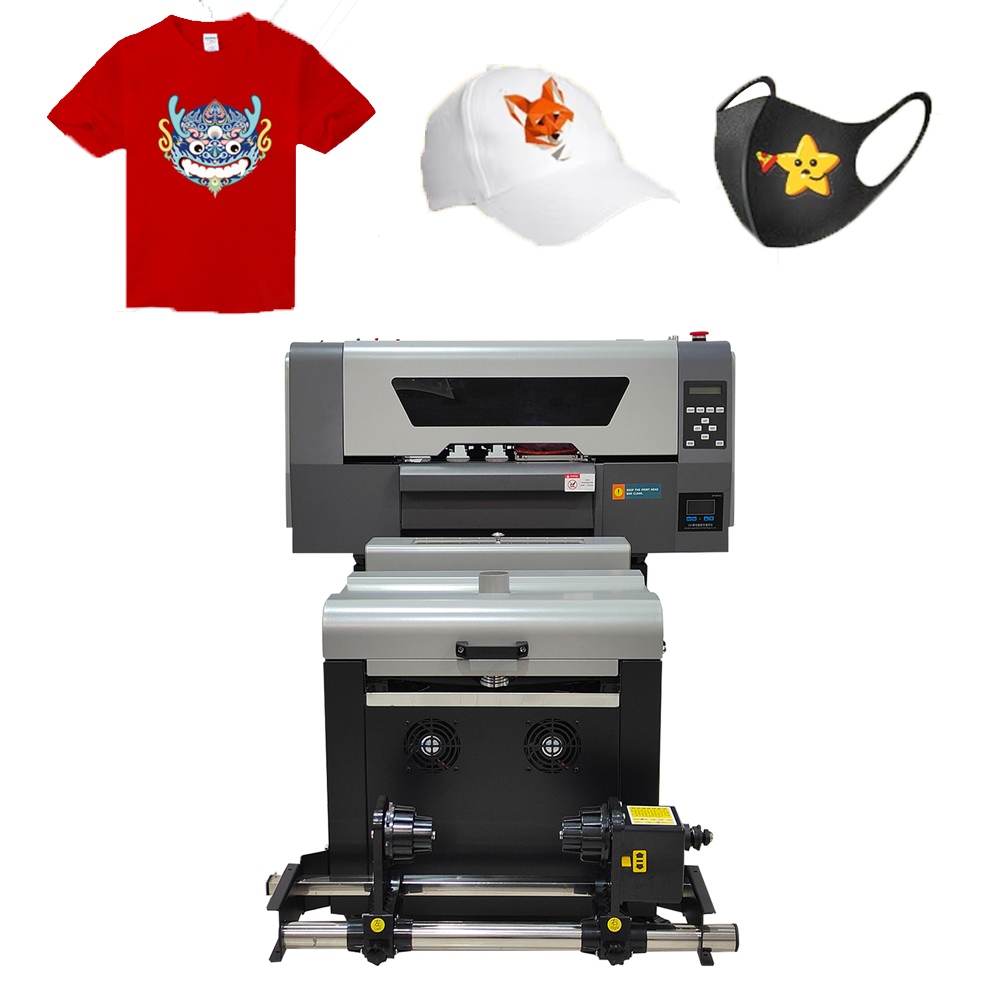
- Print – Use a DTF printer (CMYK + White ink) onto a clear PET film.
- Powder – Shake hot-melt adhesive powder onto the wet ink.
- Cure – Pass through a powder fusion oven or heat press.
- Press – Apply to any garment with a standard heat press (15 seconds, 320°F/160°C).
- Peel – Cold, warm, or hot peel depending on the film.
Total time per shirt? Under 2 minutes from file to finished product.
Key Features That Win Global Customers
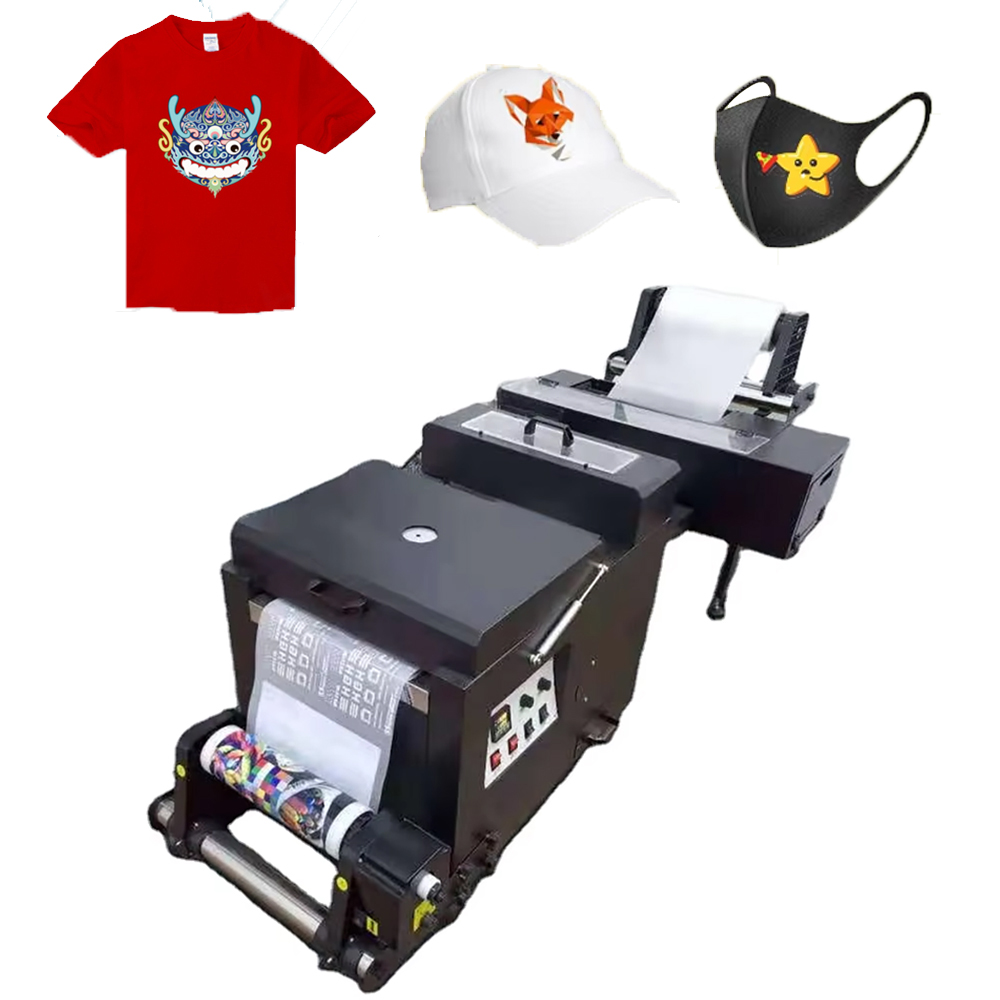
When buyers research DTF printing machines, they look for these three things:
- Reliable White Ink Circulation
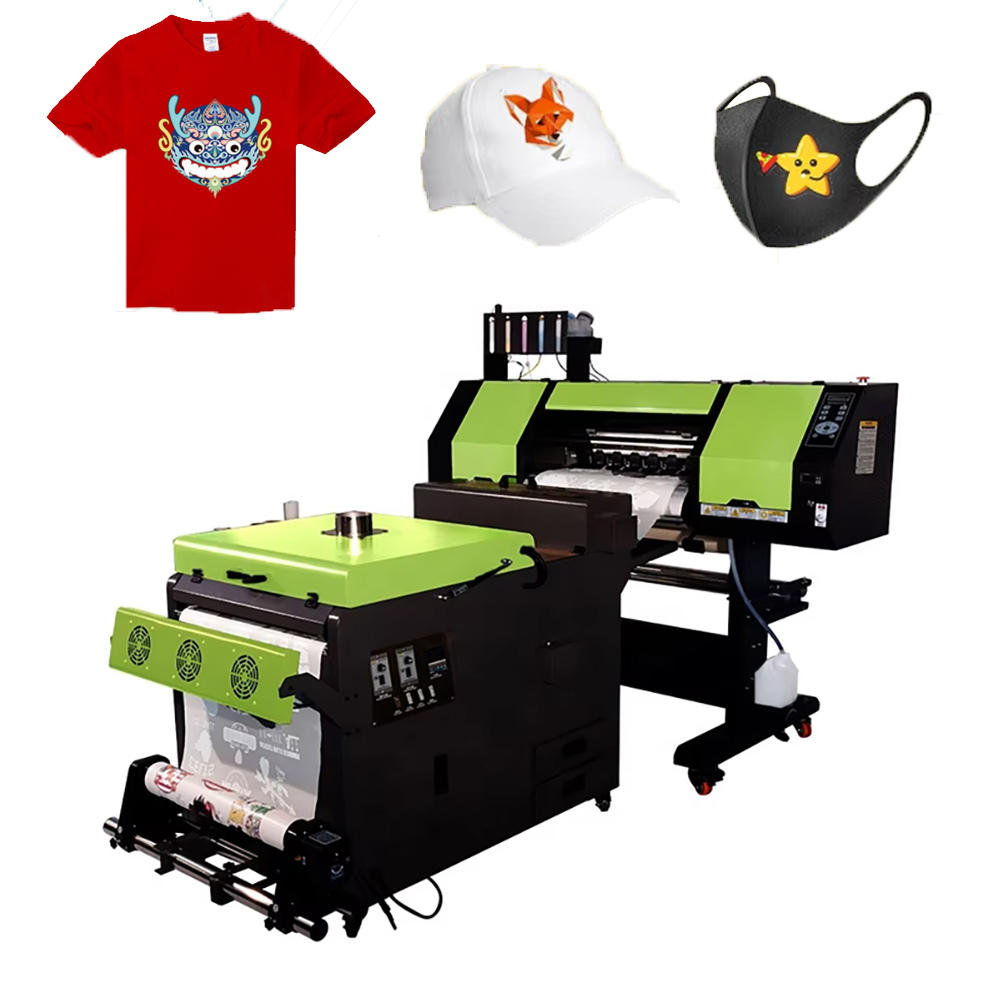
White ink is heavy and settles quickly. A quality DTF machine (like those from Epson-modified vendors, MIMAKI, or premium Chinese manufacturers) includes:
· Automatic ink circulation
· White ink agitation
· Sealed damper systems
- Powder Shaker & Curing Tunnel Options
Hand-shaking powder is fine for samples but inefficient for volume. Serious global buyers want:
· Automatic powder shaker with vacuum recovery
· Compact curing tunnels (2–3 meters) for continuous production
- RIP Software with White Underbase Control
Not all RIPs handle white layers well. Look for:
· Choked white underbase (slightly smaller than CMYK to avoid edge bleeding)
· Multiple white layers for extra opacity
Case Study: From Local T-Shirt Shop to Global Exporter
“We bought a DTF printer in January 2024. By March, we were shipping to the UK, Australia, and Japan,” says Priya, owner of InkBridge Custom in India.
“A customer in London ordered 50 polyester football shirts with multi-color logos. No pretreatment. No rejection. We printed the transfers, shipped them separately, and they pressed them locally. Freight cost dropped 70% compared to shipping finished shirts.”
DTF vs. DTG: The Honest Comparison for Global Buyers
Feature DTG DTF
Cotton Excellent Excellent
Polyester Poor (needs pretreatment) Excellent
Dark garments Requires pretreatment Perfect out of the box
Leather/Nylon Impossible Excellent
Hand feel Very soft Soft (slightly thicker)
Wash durability 30-50 washes 50-80 washes
Setup time per design 2-5 minutes 0 minutes
Equipment cost $15,000–$35,000 $5,000–$25,000
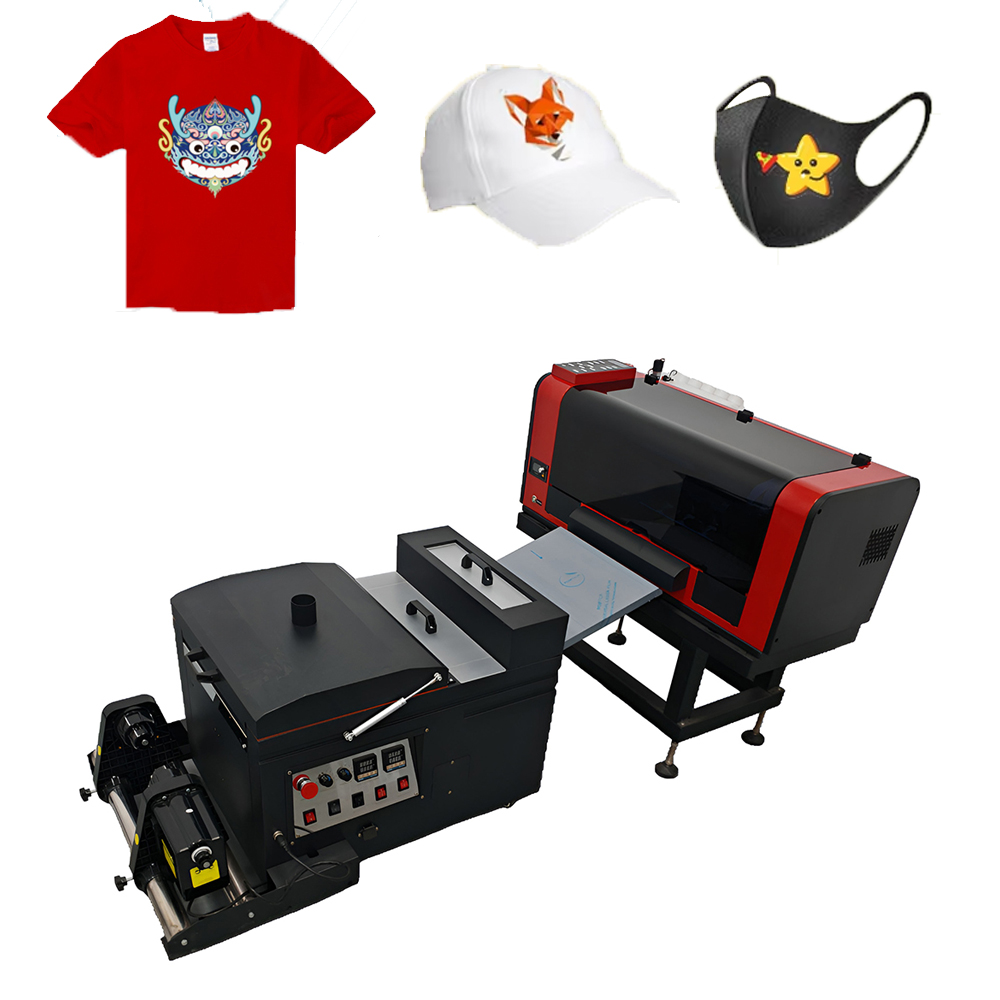
Verdict: DTG wins for ultra-soft, high-cotton white shirts. DTF wins for everything else—especially dark garments, synthetics, and mixed-fabric orders.
5 Questions to Ask Before Buying a DTF Machine
To attract serious international buyers, address these concerns upfront:
- What film thickness do you recommend? (75–100 microns is standard.)
- What powder particle size? (Fine powder for soft hand feel, coarse for maximum adhesion.)
- Do you offer local technical support or video troubleshooting? (Critical for overseas buyers.)
- What is the white ink shelf life? (Sealed cartridges: 6–12 months.)
- Can you print on dark films for white-only transfers? (Useful for simple logo jobs.)
The Business Model: How to Sell DTF Transfers Globally
Here is a strategy that is working for smart entrepreneurs right now:
Sell transfers, not finished shirts.
Ship a stack of DTF transfers + instructions to international customers. They press locally.
Benefits:
· Low shipping cost (flat envelope vs. boxed shirt)
· No customs duties on “finished garments”
· Customer does the final assembly
Pricing example:
· Cost per transfer: $0.80 (ink + film + powder + electricity)
· Sell for: $4–$8 per transfer
· Ship 50 transfers in a bubble mailer ($15 shipping)
Your customer saves money. You save logistics headaches.
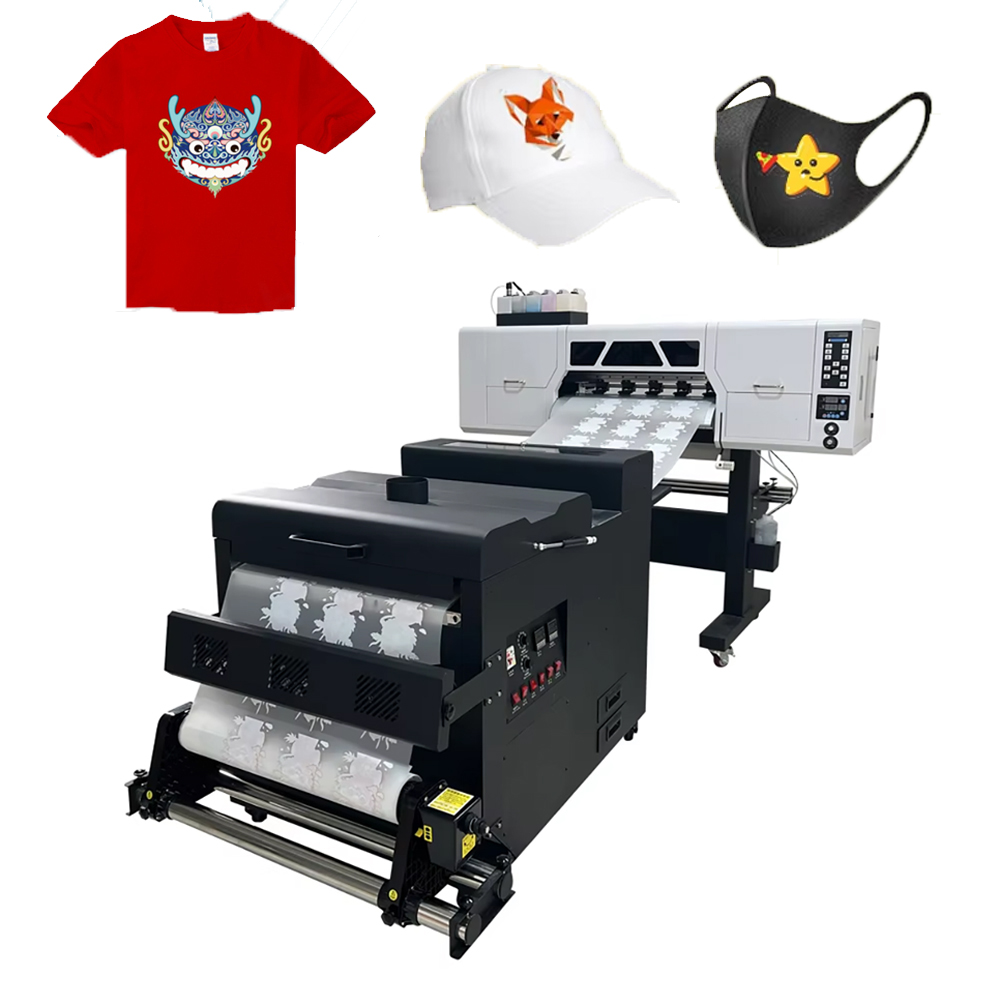
Ready to Capture the Global DTF Boom?
The DTF printing market is growing at 25%+ annually. Early adopters in Southeast Asia, Eastern Europe, and Latin America are already taking market share from traditional screen printers.
Don’t let outdated equipment hold you back.
👉 [Download our Free DTF Buyer’s Guide]
Compare 8 leading DTF printers. Learn which printheads handle white ink best. See real-world cost-per-print calculations.
👉 [Request a Sample Pack]
We will print and mail you 5 DTF transfers on different films (cotton, polyester, leather). Press them yourself. Feel the quality.
👉 [Schedule a Live Production Demo]
Watch a full run: from RAW file to finished transfer in under 5 minutes. Ask our technicians anything.
Stop limiting your fabric choices. Start printing on everything. Ship anywhere.
