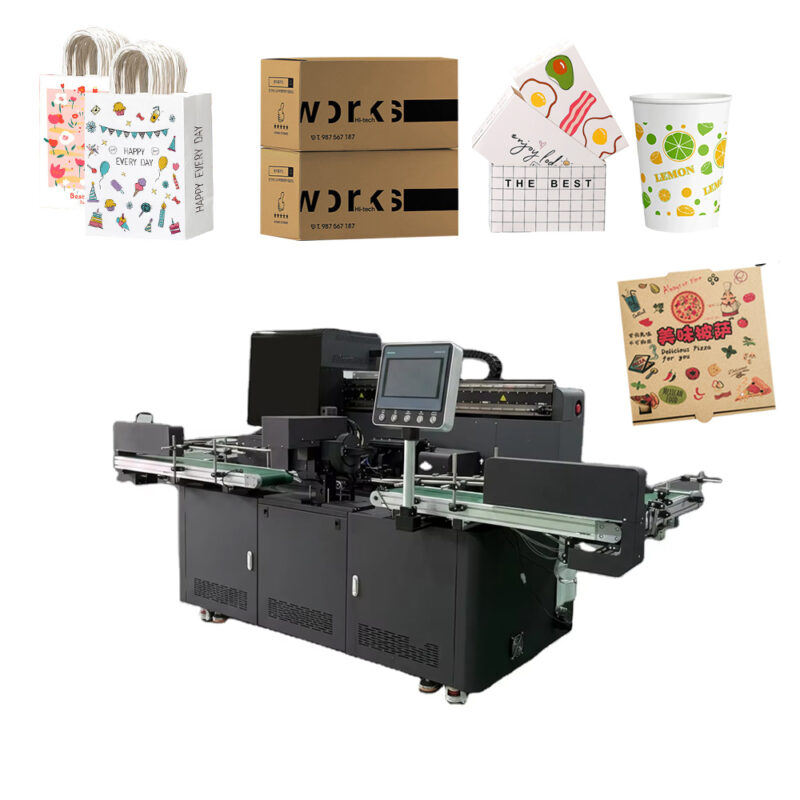
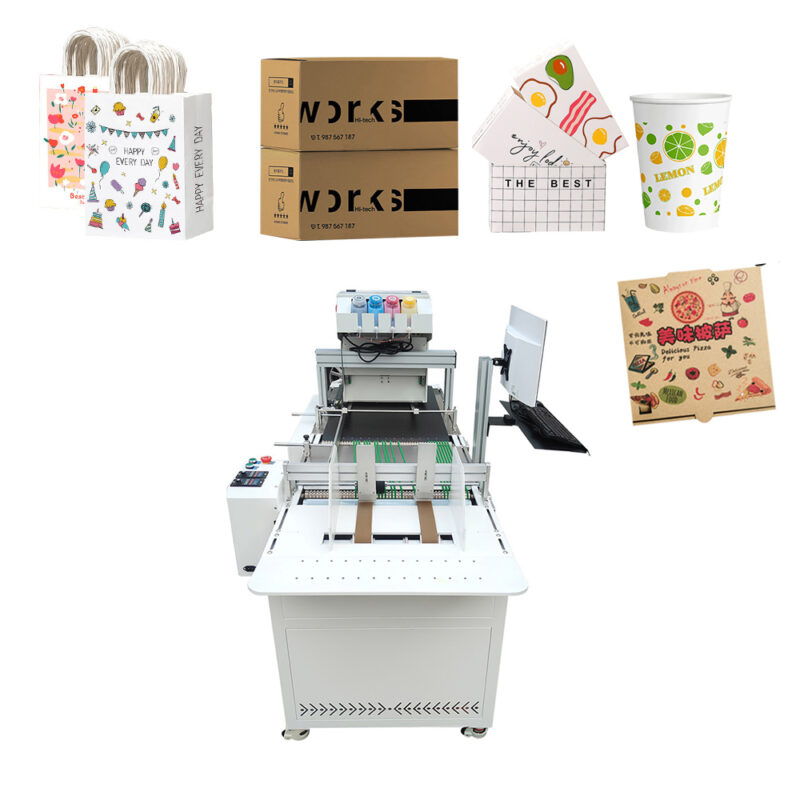
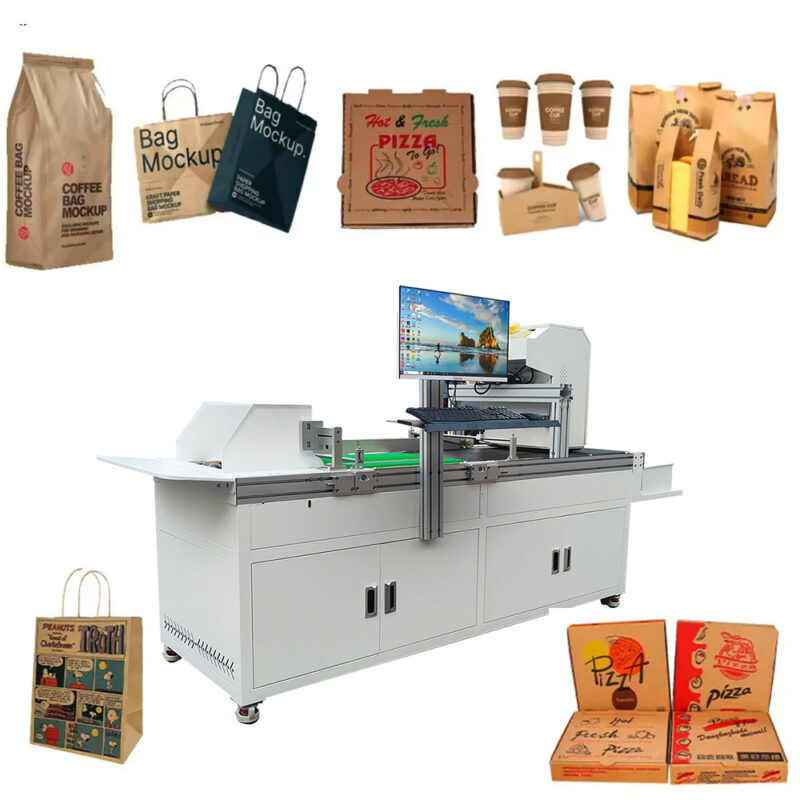
Corrugated Carton Box Digital Packaging Printing Machine Inkjet Single Pass Printer

Subtitle: Low odor, ultra-safe, and incredibly versatile. Discover the printing technology that’s good for your business, your people, and the planet.
For decades, the sign and graphics industry has relied on solvent and eco-solvent inks. They work. But they come with a cost—fumes that require ventilation, hazardous chemical labels, and strict disposal rules.
The world is changing.
Brand owners are demanding sustainability. Governments are tightening VOC regulations. Your employees don’t want to breathe chemicals all day.
There is a better way.
Water-based printing technology—including latex, aqueous, and the revolutionary new water-based UV—is delivering professional results without the environmental baggage.
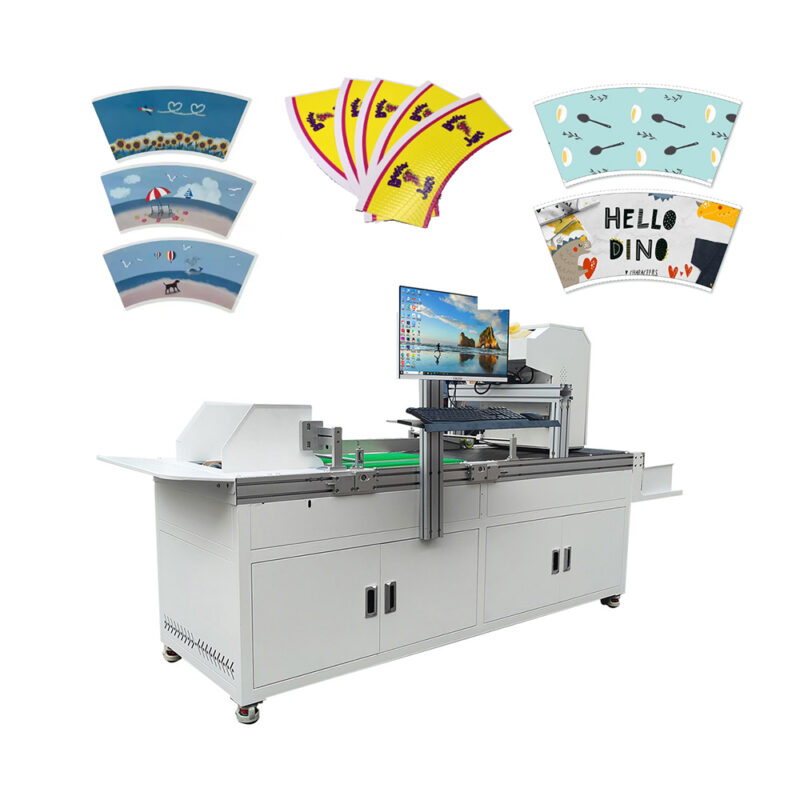
What Is a Water-Based Printer? (And Why It Matters)
“Water-based” means exactly what it sounds like: the ink’s primary solvent is water, not harsh chemicals like acetone, glycol ethers, or cyclohexanone.
Traditional solvent and eco-solvent inks contain 50–80% volatile organic compounds (VOCs). These evaporate into the air, creating odors, health concerns, and environmental pollution.
Water-based inks contain less than 15% VOCs—and some formulations are completely VOC-free.
The result: Prints that are safe enough for schools, hospitals, and offices. No special ventilation required. No hazard labels on the ink bottles.
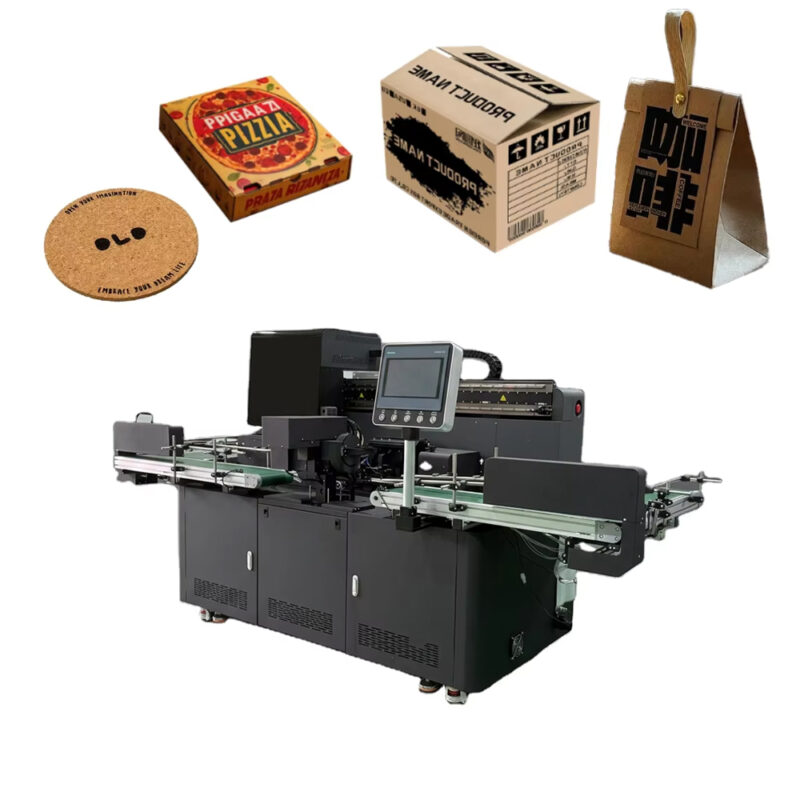
The Three Main Types of Water-Based Printers
- Water-Based UV (The New Breakthrough)
This is the hottest innovation in wide-format printing. Companies like Mutoh and Fujifilm have developed AQUAFUZE™ technology—a water-based ink that cures instantly under UV light.
Feature Benefit
Low curing temperature (30–50°C) Print on heat-sensitive media like thin films and shrink sleeves
No primers or overcoats needed Save time and material costs
Instant curing Laminate or cut immediately—no drying time
GREENGUARD Gold certified Safe for schools, healthcare, and indoor spaces
Best for: Wallcoverings, retail displays, window graphics, soft signage, and even light-duty vehicle wraps.
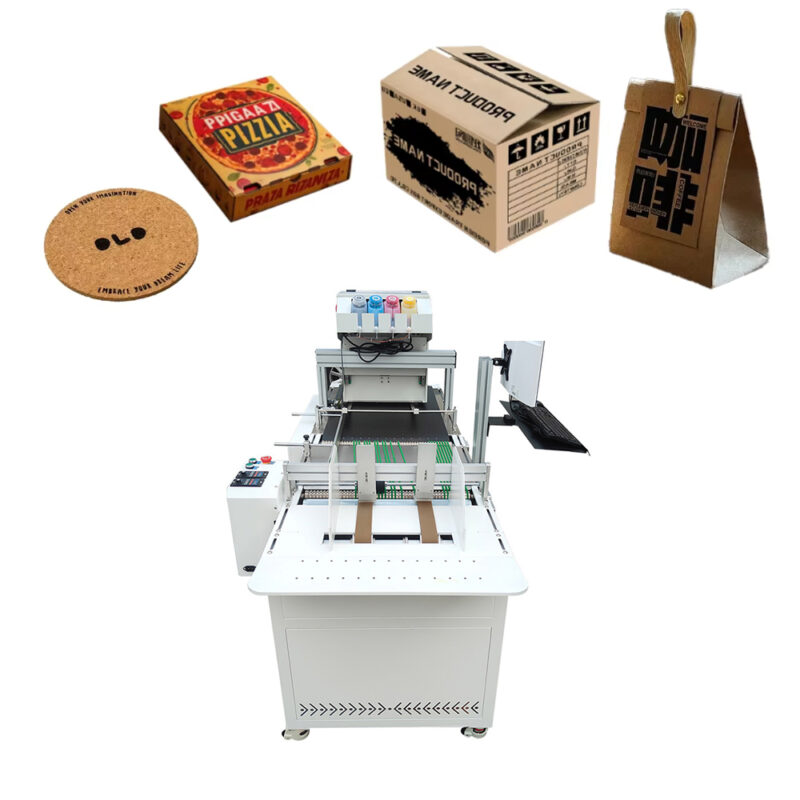
- Latex Water-Based Printers
HP pioneered this technology, and Mimaki offers their own version with LX100 inks. Latex printers use water-based dispersions that are heated to “cure” the ink, forming a durable, scratch-resistant film.
Why businesses love latex:
· Prints are dry immediately—no outgassing, no waiting
· Completely odorless (operators love this)
· No aggressive daily printhead cleaning needed
· White ink options for printing on clear or colored media
Best for: Banners, vehicle graphics, posters, and outdoor signage.
- Aqueous / Pigment Inkjet Printers
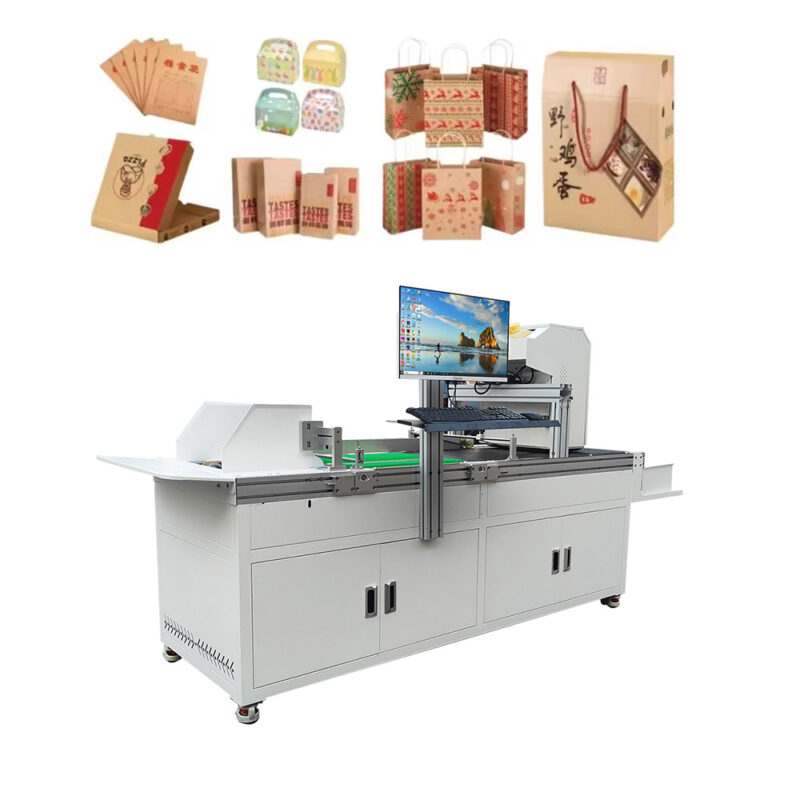
These are the workhorses of packaging, labels, and direct-to-package printing. The AstroJet AJ-200 and Screen Truepress Label 520AQ are leading examples.
Key advantages:
· Ultra-high resolution (up to 1200 x 1200 dpi)
· Food-safe and compliant for packaging
· Runs at speeds up to 100 meters per minute
· Prints directly on boxes, pouches, envelopes, and labels
Best for: Short-run packaging, custom labels, direct mail, and promotional printing.
7 Reasons Global Customers Are Switching to Water-Based Printers
- No Hazardous Fumes (Safer for Your Team)
Solvent printers require ventilation systems, air scrubbers, and sometimes even respirators for operators handling maintenance.
Water-based printers? Open the windows if you want. Or don’t. It doesn’t matter.
The Mutoh HydrAton 1642’s AQUAFUZE™ ink is classified as GHS hazard-free—it requires no hazard pictograms on the bottle. HP’s latex inks are completely odorless and have been used in office environments for over a decade.
For your business: Lower insurance costs, no ventilation installation, happier employees, and zero compliance headaches.
- GREENGUARD Gold Certified (Sell into Sensitive Markets)
This certification matters. It means the printed output is safe for use in:
· Schools and daycare centers
· Hospitals and healthcare facilities
· Offices and commercial spaces
· Residential buildings
If your customers serve these markets, water-based printing is not optional—it’s required.
- Print on Heat-Sensitive Materials
Traditional solvent and latex printers cure at 60–80°C. That’s too hot for many materials.
Water-based UV printers cure at just 30–50°C. This opens up entirely new applications:
· Thin PET films (12–40 microns) for flexible packaging
· Shrink sleeves for bottles
· Low-melt adhesives
· Pressure-sensitive materials that would curl under heat
- No Primers, No Optimizers, No Overcoats
Most solvent and eco-solvent printers require special primers or adhesion promoters for non-porous materials like glass, metal, or plastic.
AQUAFUZE™ water-based UV ink adheres directly to a wide range of substrates without pre-treatment.
Savings: Eliminate primer costs, reduce steps in your workflow, and finish jobs faster.
- Durable, Scratch-Resistant Prints
Don’t confuse “water-based” with “delicate.”
· Latex prints are tough enough for vehicle wraps and outdoor banners
· Water-based UV ink forms a thin, durable film that resists scratching without any overcoat
· Aqueous pigment inks are tested for lightfastness, water resistance, and abrasion
Your customers get professional durability. You get to deliver it without the environmental guilt.
Water-Based Printer Applications (Global Market Opportunities)
Signage & Retail Displays
· Point-of-purchase displays (no odors in retail environments)
· Window graphics (white ink option for transparency effects)
· Wallcoverings and murals
Packaging & Labels
· Short-run flexible packaging (pouches, films)
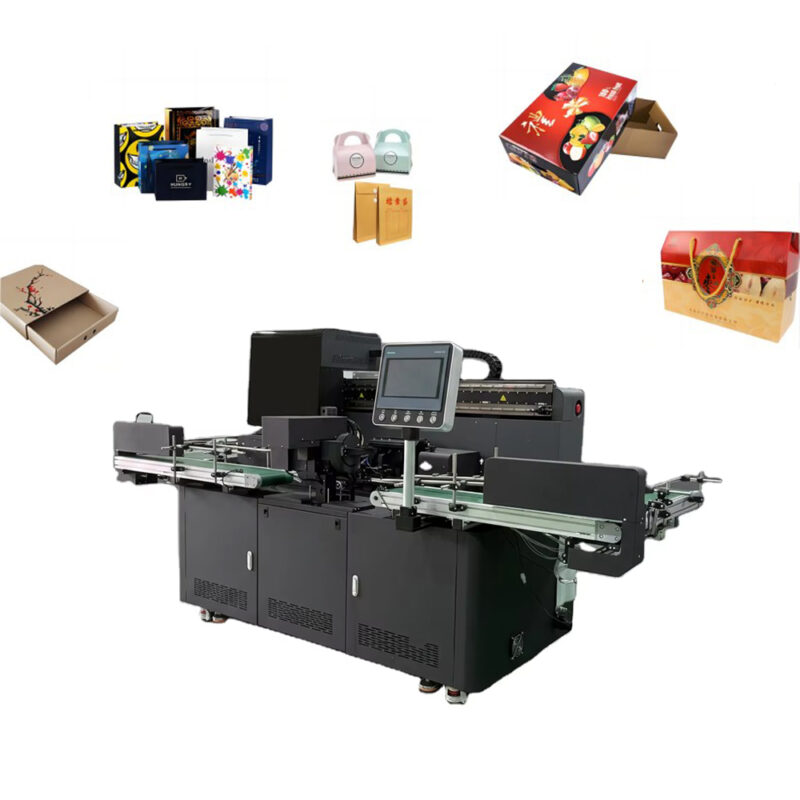
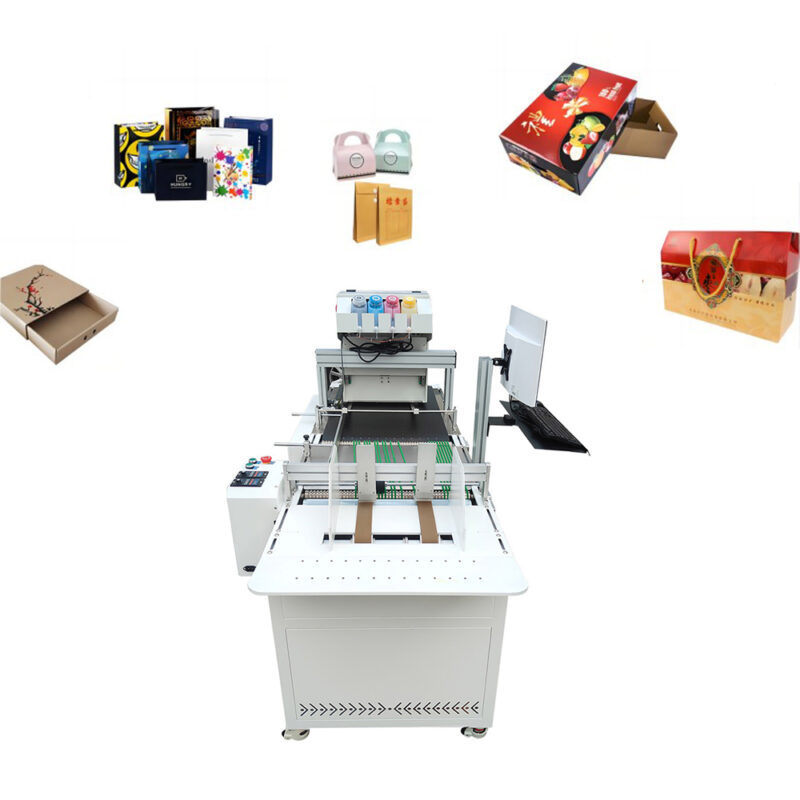
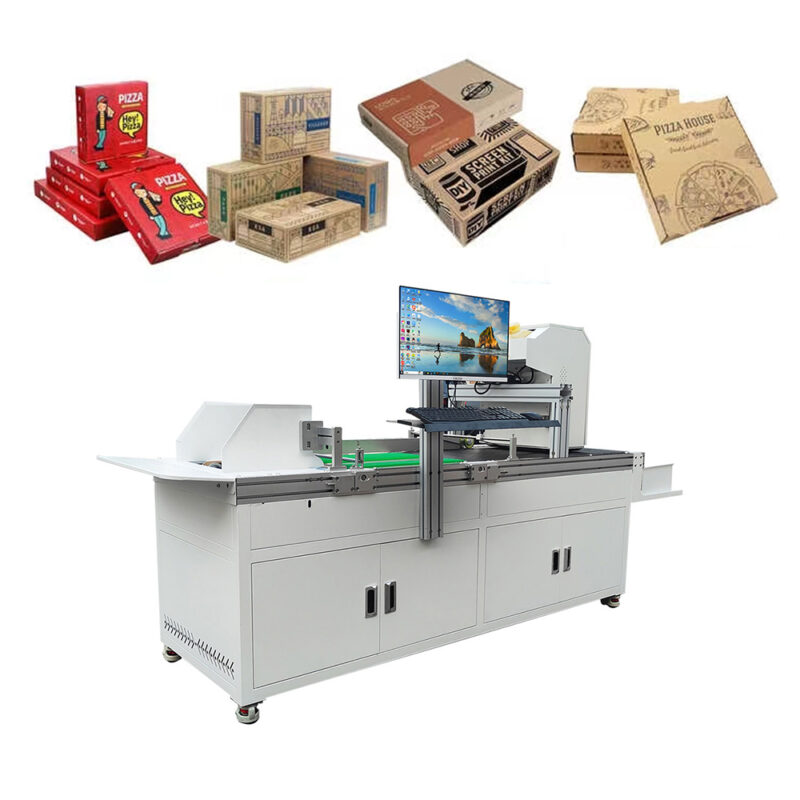
· Direct-to-package printing on boxes and envelopes
· Premium labels for pharma, agri-chemical, and food
Soft Signage & Textiles
· Fabric banners and trade show displays
· Interior décor fabrics
Promotional & Specialty Printing
· Personalized coasters, bags, and small boxes (low minimum quantities)
· Custom packaging for breweries, restaurants, and schools
