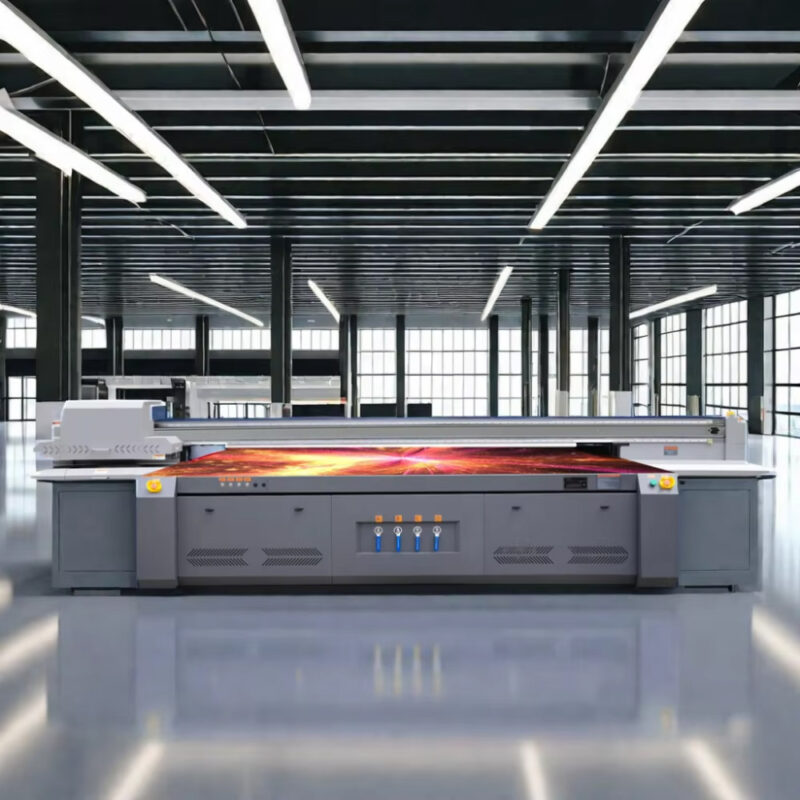
High-Precision UV Flatbed Printer for Custom Phone Cases

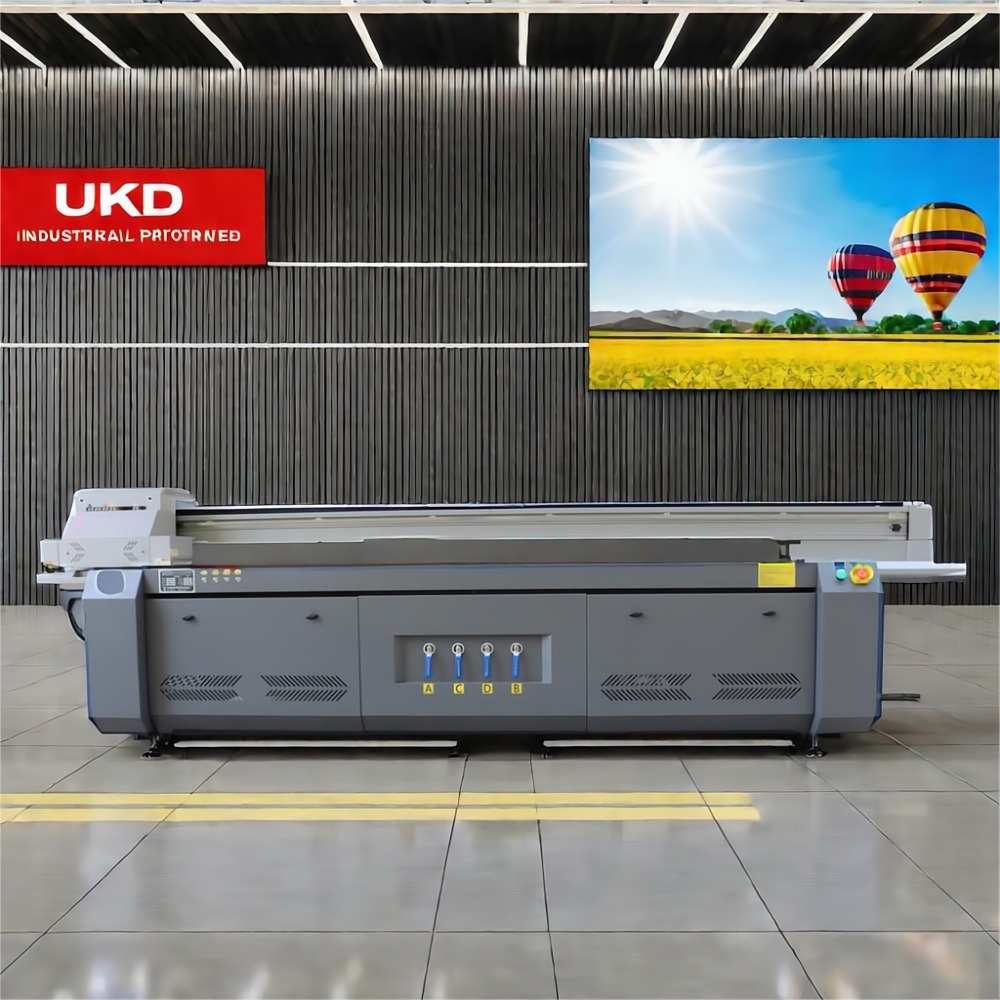
High-Precision UV Flatbed Printer for Custom Phone Cases
High-Precision UV Flatbed Printer for Custom Phone Cases
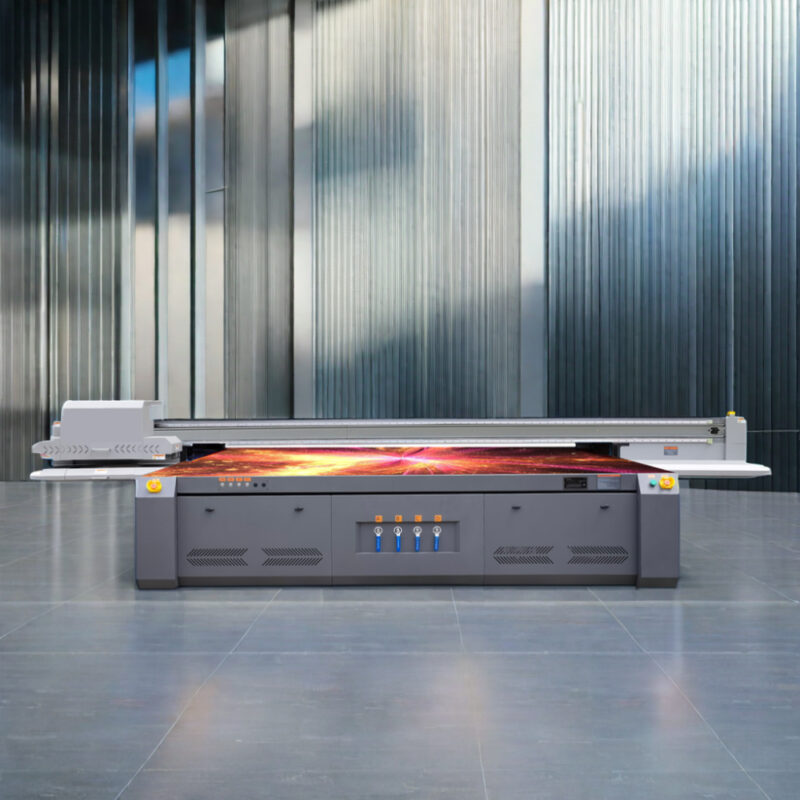
From glass to wood, acrylic to aluminum—if you can lift it, you can print on it.
Remember the frustration of the “reject pile”? That expensive sheet of polycarbonate that warped under heat? The wooden coasters that wouldn’t feed through your roll-to-roll? The last-minute job for a textured phone case?
For decades, printers were picky. They demanded specific materials, specific sizes, and specific moods.
Then came the UV Flatbed Printer. And frankly, it changed the physics of profit.
The Magic: Instant Cure, Infinite Substrates
Unlike traditional eco-solvent or latex printers that rely on hot air to dry ink (which limits you to flexible, absorbent media), UV flatbed printers use ultraviolet light. As the print head moves, tiny UV lamps follow inches behind, instantly curing the ink from a liquid to a solid.
Why this matters to you:
· Zero Shrinkage: No heat means no warping. You can print on 0.5mm shrink film or 2-inch thick solid oak.
· “Stick to Anything”: Glass, ceramic, metal, acrylic, PVC, foam board, leather, stone, circuit boards, and even golf balls.
· Touch it immediately: No drying time. No smudging. Stack it right off the bed.
Who Needs a Flatbed? (Spoiler: Almost Everyone)
If you run a print shop, you are currently turning down money. Here is how global businesses are using these machines:
· The Sign Maker (USA & Canada): Print directly onto Coroplast for yard signs or aluminum for long-term outdoor durability. No mounting, no laminating.
· The Interior Designer (Europe & UK): Print directly onto wood planks for feature walls or glass splashbacks. The texture of the raw material shines through the CMYK ink.
· The Promotional Distributor (UAE & Asia): Custom phone cases, USB drives, acrylic awards, and metal pens. Print on odd-shaped objects using a removable jig.
· The Industrial Manufacturer (Germany & Japan): Printing control panels, membrane switches, and serial numbers directly onto three-dimensional parts.
The “Five Minute Advantage”
Imagine a client walks in at 4:55 PM. They need 50 custom tiles for a hotel bathroom remodel by tomorrow morning.
With a vinyl cutter? You’re staying late to weed and tape.
With a roll printer? You can’t print on tile.
With a flatbed: You place the tile on the vacuum table (which sucks it down flat). You hit “print.” Five minutes later, 50 tiles are done, cured, and ready to install.
That is how you win loyalty. You become the answer to “Can you do this by tomorrow?”
Don’t fear the learning curve
New buyers worry that “flatbed” means “complicated.” Modern machines have changed.
· Vacuum Tables: Keep warped boards perfectly still.
· Bulk Ink Systems: Your cost per square meter drops by 70% compared to cartridges.
· White Ink & Varnish: Print white as a base layer for vibrant colors on dark glass, or add raised varnish for Braille or textured effects.
The Bottom Line
You don’t need a factory the size of a warehouse. Desktop flatbeds (like the L8050 series) fit in a spare bedroom and print on A3+ objects. Industrial beasts take 4’x8′ plywood sheets.
The global print market is shifting toward customization and tactile marketing. People are tired of cheap, flimsy stickers. They want heavy, textured, durable goods.
A UV flatbed printer gives you the factory—without the overhead.
Stop asking “Can I print on this?” Start asking “How many?”
Ready to see it in action? [Click here to request a sample kit] – we will print your logo on five different materials (glass, wood, metal, leather, and acrylic) and ship it to you anywhere in the world. Free of charge.
What is the strangest material you wish you could print on? Tell us in the comments below.