Multi Function 1612 Flatbed Uv Printer Inkjet Printing Machine Tumblers with Laminator

Headline: UV Printer 1612: The 4′ x 5′ Flatbed That Prints Directly on Anything – Doors, Glass, Acrylic, Wood, and More
Subheadline: Stop applying stickers. Stop outsourcing. Start printing directly onto your products with instant UV curing.
Imagine a machine that prints full-color, scratch-resistant, waterproof images directly onto:
· A wooden door
· A glass shower panel
· An acrylic trophy
· A leather journal
· A ceramic tile
· A metal nameplate
· A phone case
· A golf ball
That machine exists. It’s called a UV printer 1612 – and it’s the most versatile production tool you will ever own.
Here’s why manufacturers, sign makers, interior designers, and promotional product suppliers from 50+ countries are adding the 1612 to their shops.
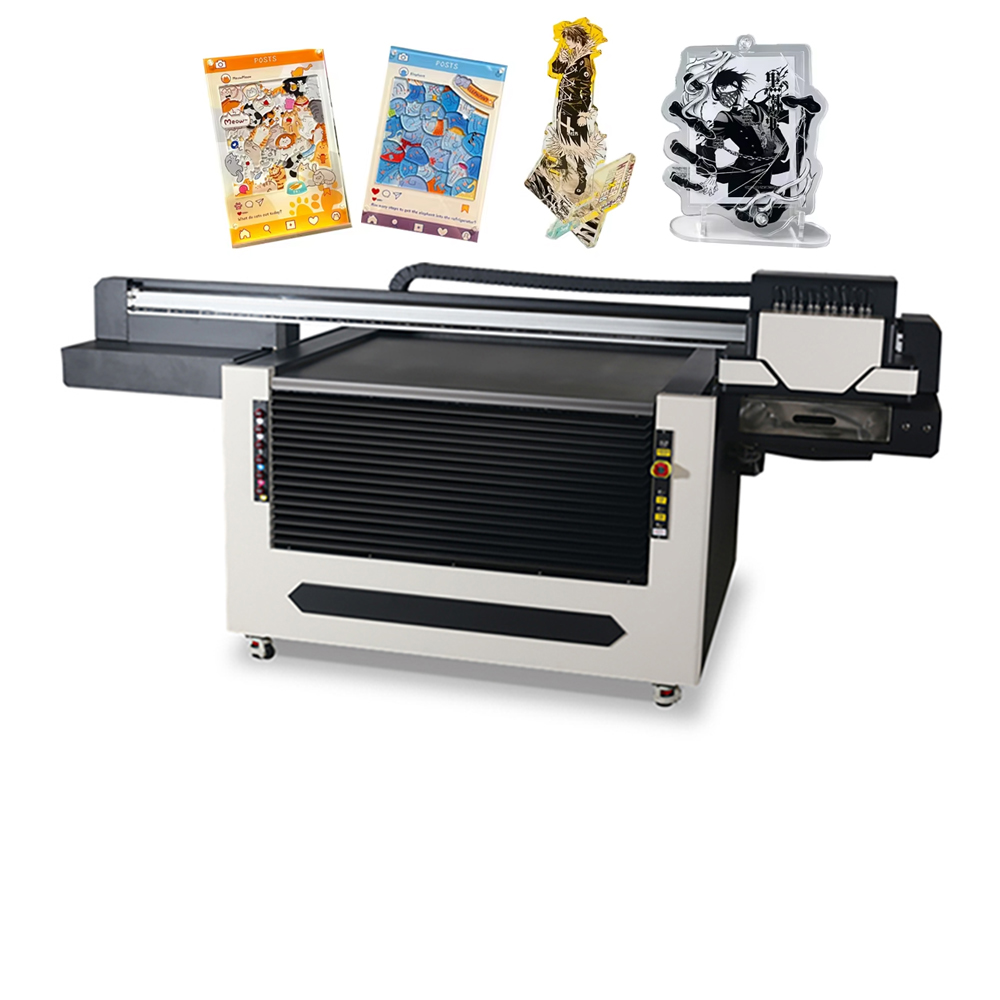
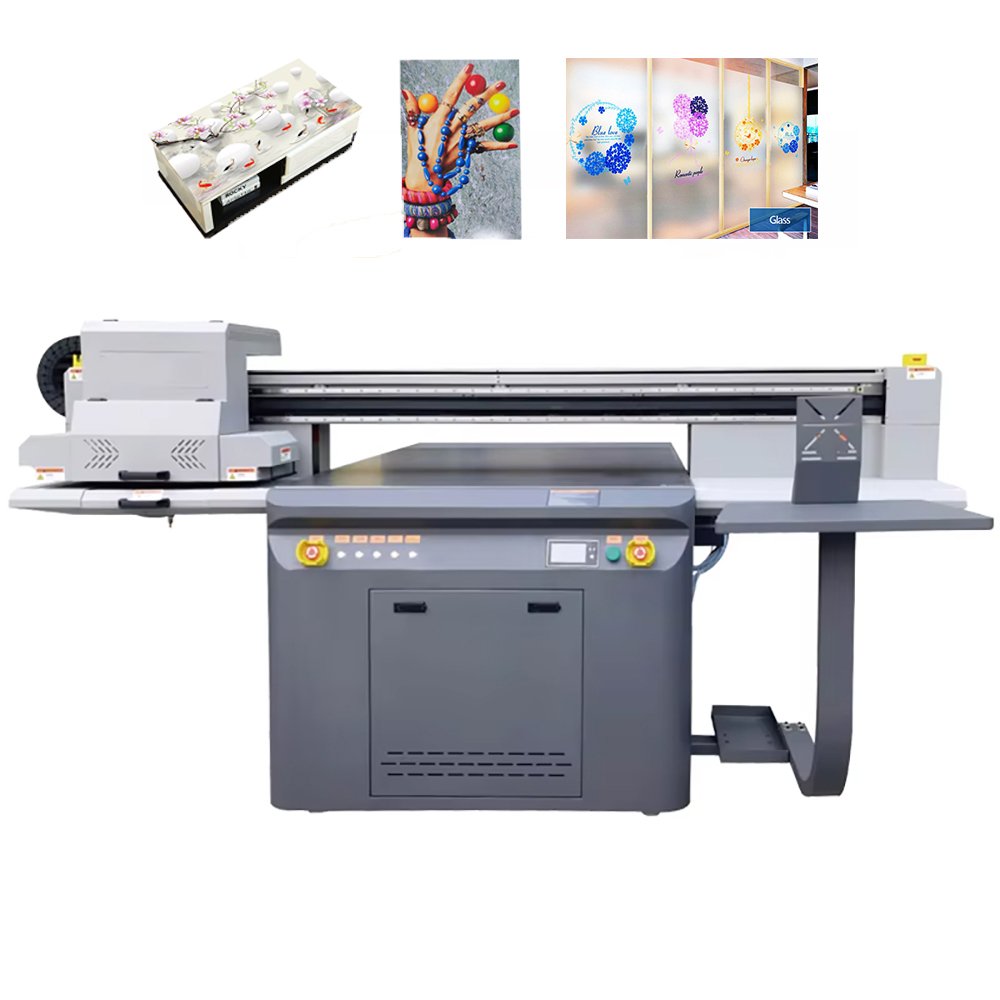
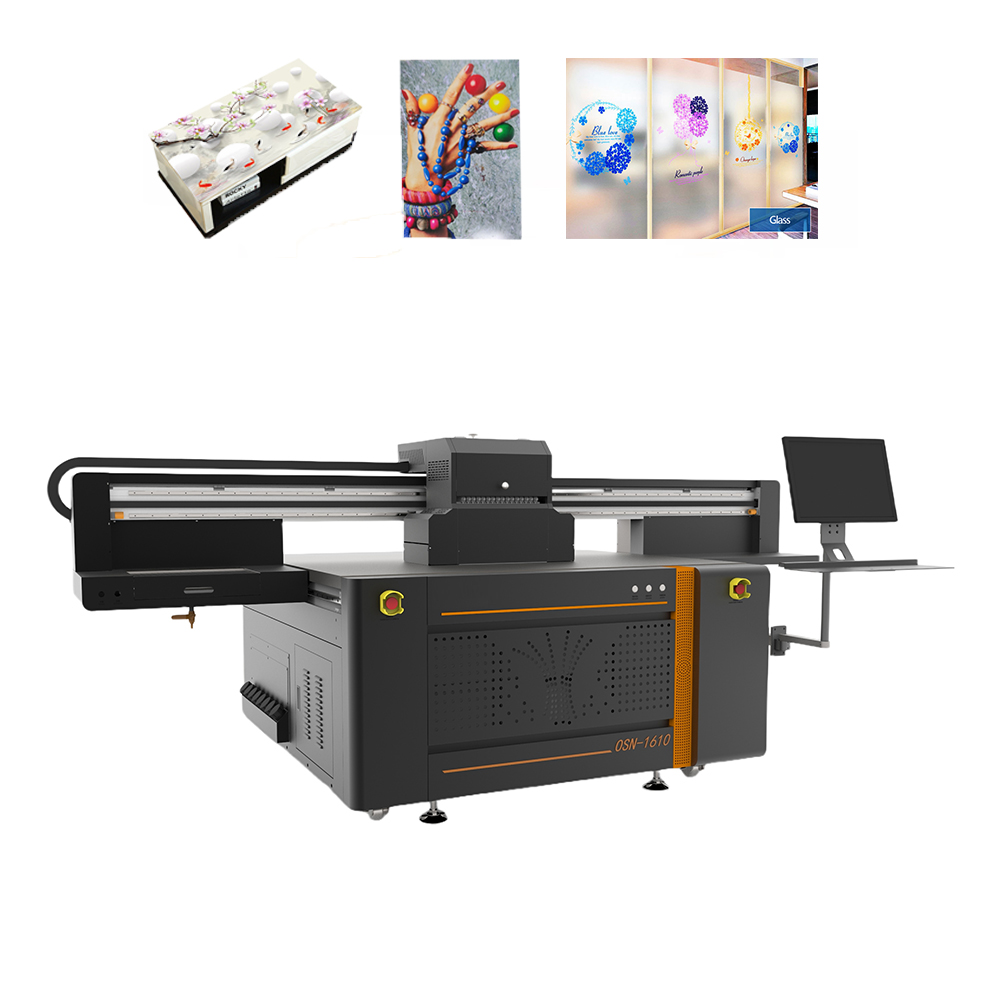
- 1600mm x 1200mm – The Goldilocks Bed Size (Not Too Small, Not Too Big)
The 1612’s name tells you everything: 1600mm (63 inches) x 1200mm (47 inches) of flat printing area.
Comparison Bed Size Typical Use
A3 desktop 13″ x 19″ Small crafts, samples
3040 12″ x 16″ Phone cases, small gifts
1612 63″ x 47″ Doors, panels, signage, furniture
2030 78″ x 118″ Large industrial (factory only)
Why this matters globally:
· Print 4′ x 8′ plywood sheets (standard worldwide)
· Print 6–12 acrylic panels in one pass
· Print 50 phone cases on a single jig
· Print directly onto assembled furniture
You serve small product businesses AND large architectural clients with one machine.
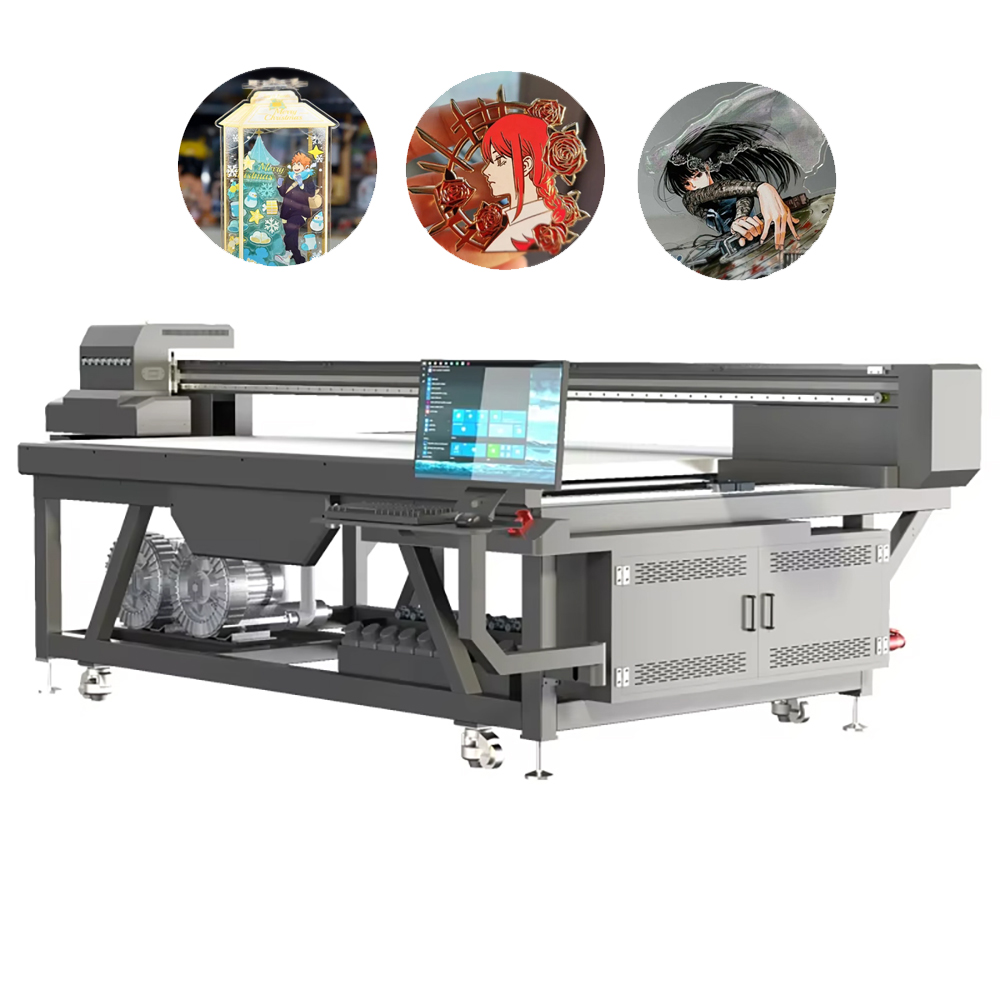
- Direct-to-Substrate – No Pretreatment, No Transfer Paper, No Waste
Unlike DTG (cotton only), DTF (film transfer), or screen printing (stencils required), the 1612 UV printer prints directly onto the final product.
The process:
- Place object on flatbed
- Hit “Print”
- UV lamps cure the ink instantly
- Done – ready to ship in seconds
No:
· Adhesive films
· Heat presses
· Pretreatment chemicals
· Drying racks
· Transfer paper waste
Result: You go from raw material to finished product in under 60 seconds.
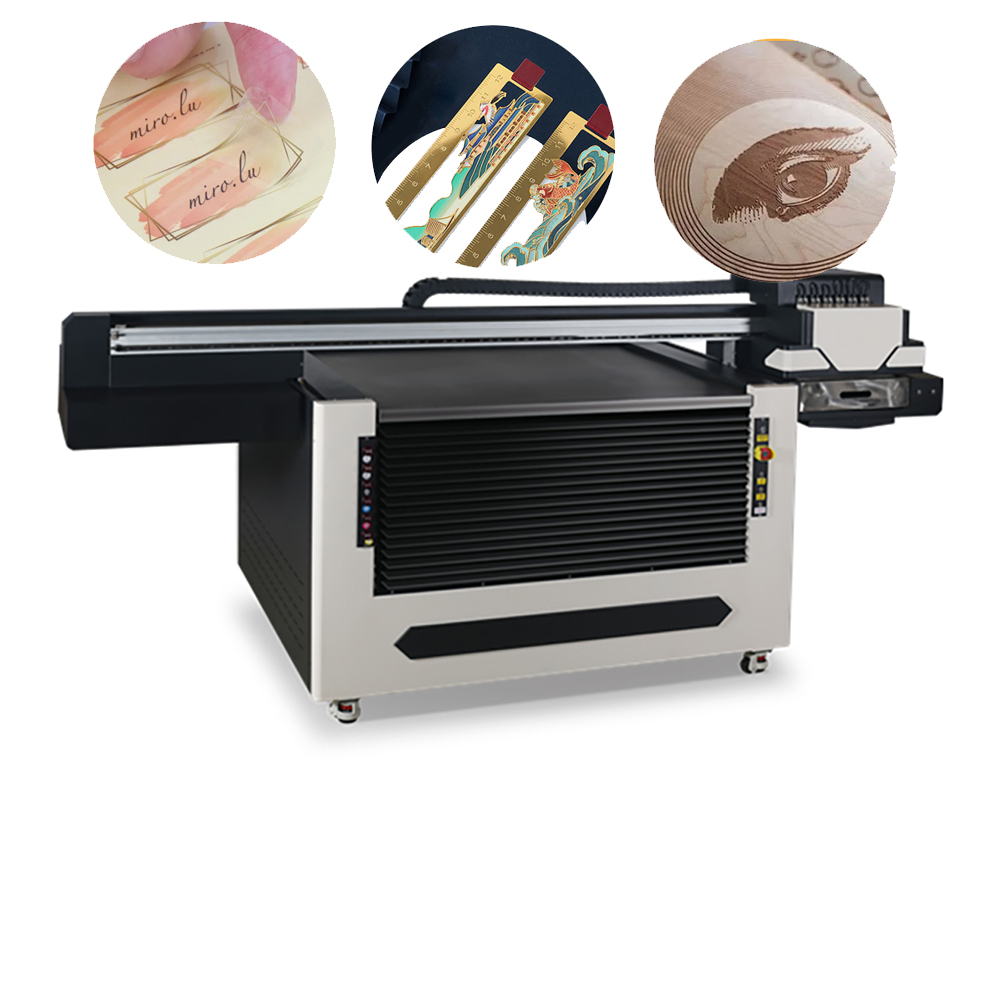
- Instant UV Curing = Production Speed That Wins Contracts
Inkjet printers take minutes to dry. Screen printing takes hours to cure. The 1612’s UV lamps cure each drop of ink the moment it touches the surface.
Real-world production rates:
· Full 1612 bed (63″ x 47″): 2–4 minutes
· Smaller items (phone cases): 30–60 seconds per batch of 20
· Daily output: 200–500 finished products (depending on size)
Global advantage: When a hotel chain needs 200 custom acrylic room signs by Friday morning, you deliver Thursday afternoon. That’s how you steal customers from slower competitors.
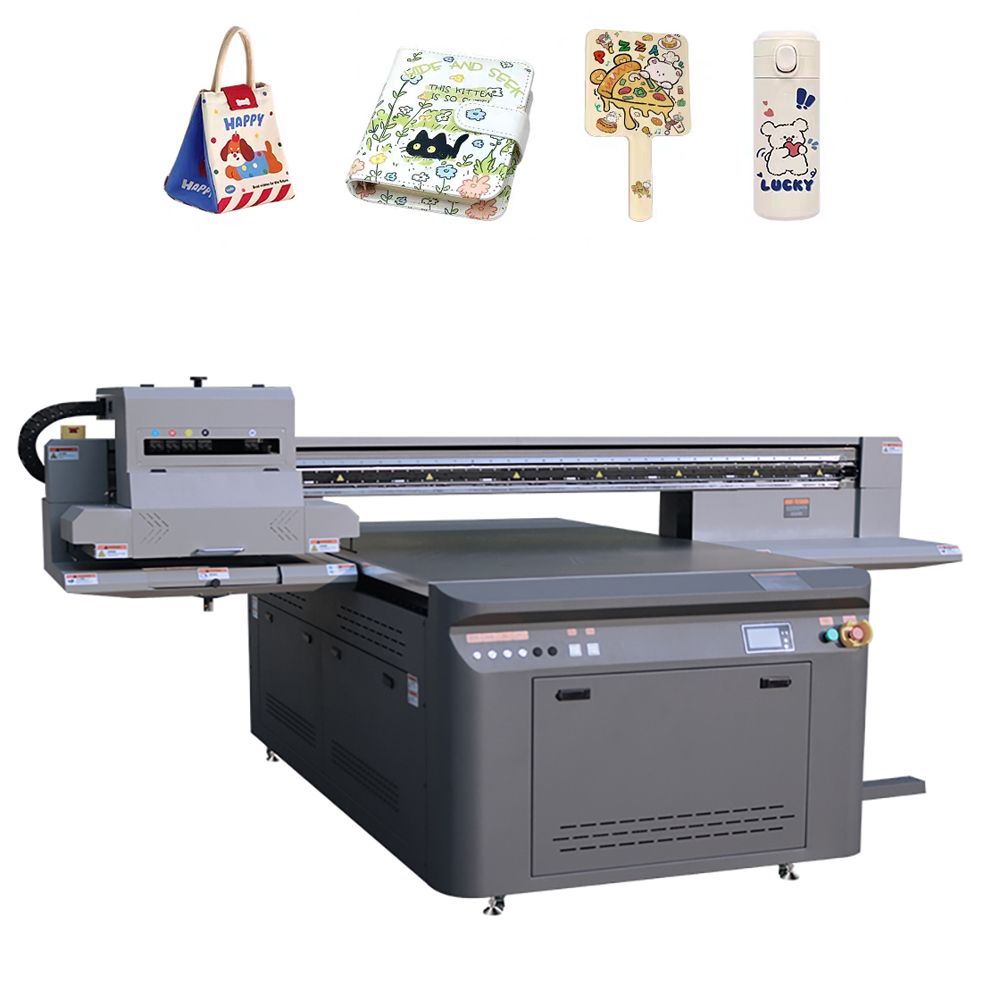
- Print on Anything – The Ultimate Versatility
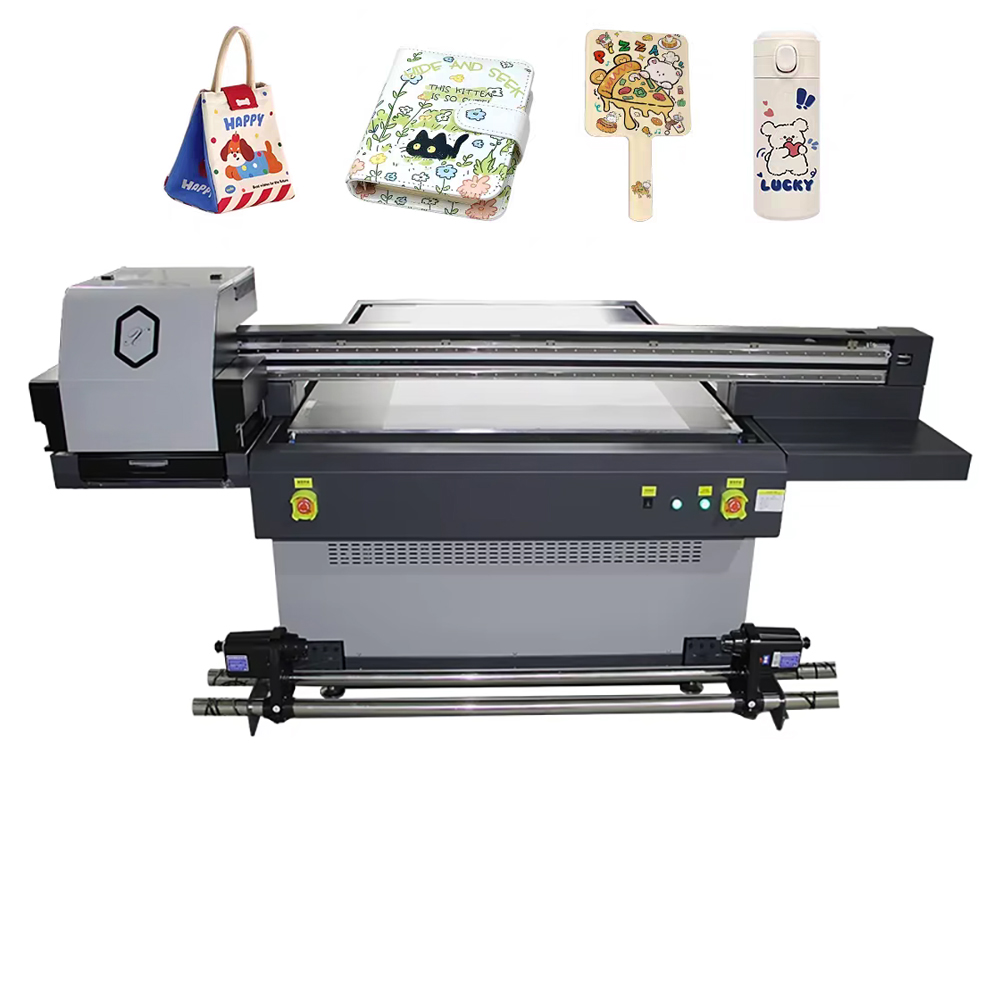
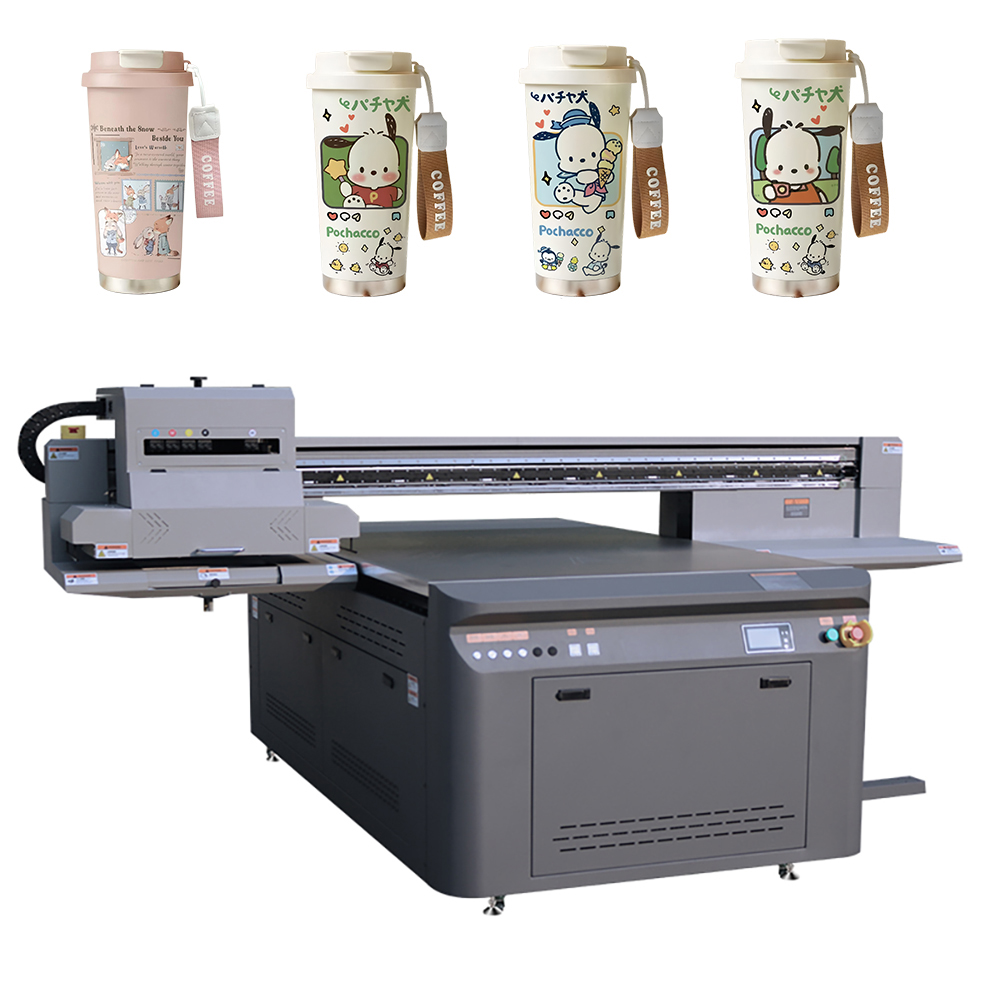
This is where the 1612 has no equal. The adjustable flatbed (up to 100mm / 4 inches of height clearance) accepts:
Material Applications Profit Margin
Acrylic Signage, awards, displays, LED backlit panels 300–500%
Glass Shower doors, mirrors, windows, tabletops 400–600%
Wood Furniture, cutting boards, plaques, coasters 200–400%
Metal Nameplates, tools, panels, gift items 250–450%
Ceramic Tiles, mugs, plates, backsplashes 300–500%
Leather Journals, bags, belts, furniture 200–350%
PVC / Forex Real estate signs, construction site boards 200–300%
Corrugated plastic Yard signs, trade show displays 150–250%
Stone Slate coasters, memorial plaques, countertop samples 400–700%
Canvas Stretched art reproductions, gallery wraps 250–400%
One machine. Endless product categories. Unlimited customer types.
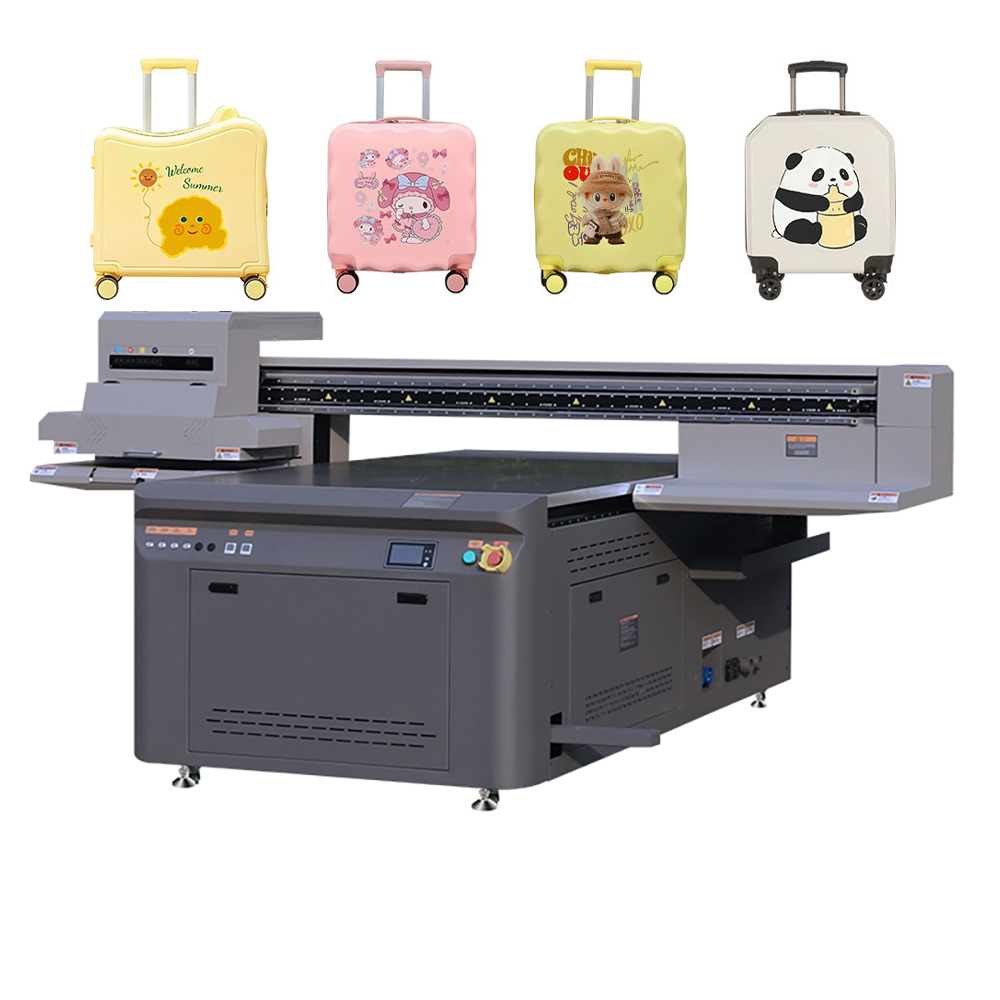
- Scratch-Resistant, Waterproof, UV-Stable Prints
DTF transfers peel. Stickers scratch. Screen printing cracks.
UV-cured ink becomes part of the substrate. It is:
· Scratch-resistant (passes 3H pencil hardness test)
· Waterproof (leave it in the rain – no damage)
· UV-stable (no fading for 3–5+ years outdoors)
· Chemical-resistant (wipes clean with alcohol)
Selling point to global clients: “We guarantee your logo will look new after 5 years in direct sunlight.” That warranty wins government contracts, hotel projects, and architectural bids.
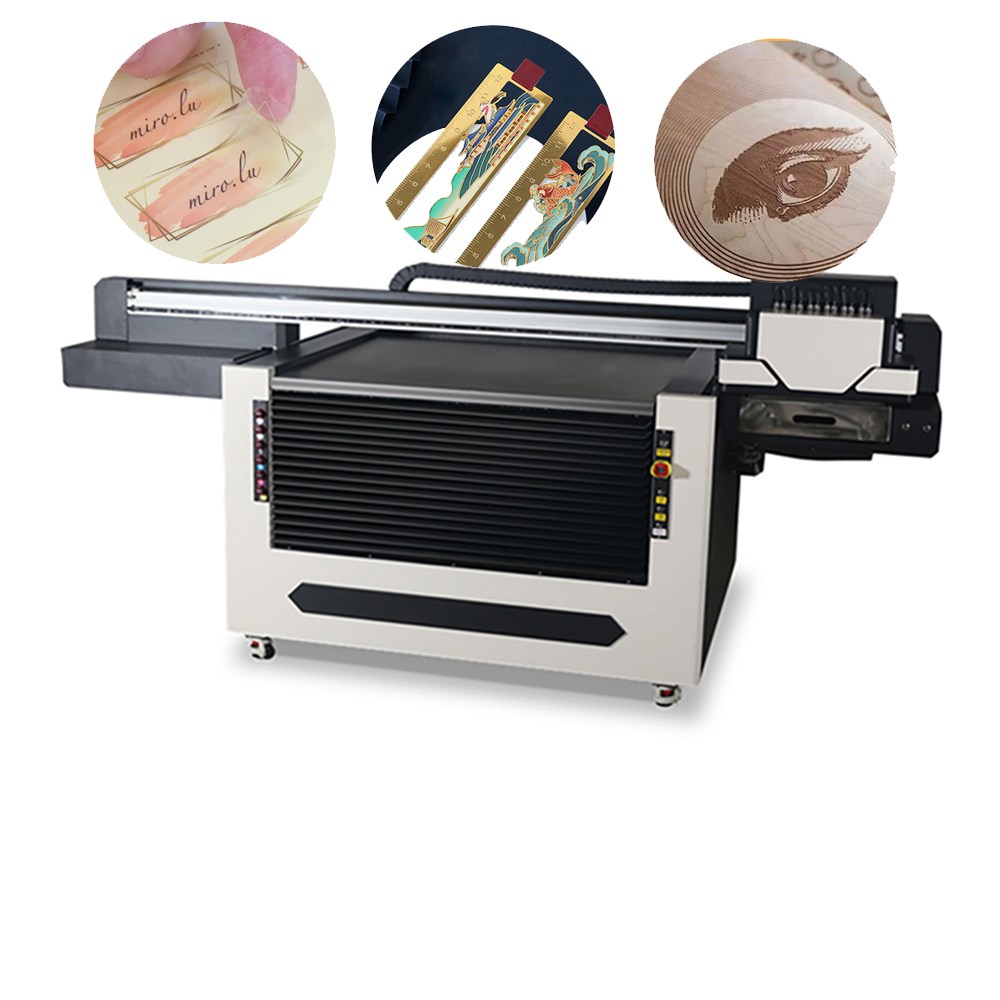
- White Ink + Varnish = Premium Finishes
Modern 1612 printers feature 2–4 white ink channels and 1–2 varnish channels:
White ink capabilities:
· Print white on dark/clear materials (essential for glass and acrylic)
· Layered white for opacity on metal and wood
· Underbase white for color vibrancy on dark surfaces
Varnish (gloss) capabilities:
· Spot gloss for raised textures (business cards that pop)
· Full gloss for protective coating (no lamination needed)
· Matte varnish for premium, non-reflective finishes
Premium products you can make:
· 3D textured signs (raised lettering)
· Backlit acrylic displays (white layer traps light)
· Glass awards with frosted white effects
· Photo panels with glossy highlights
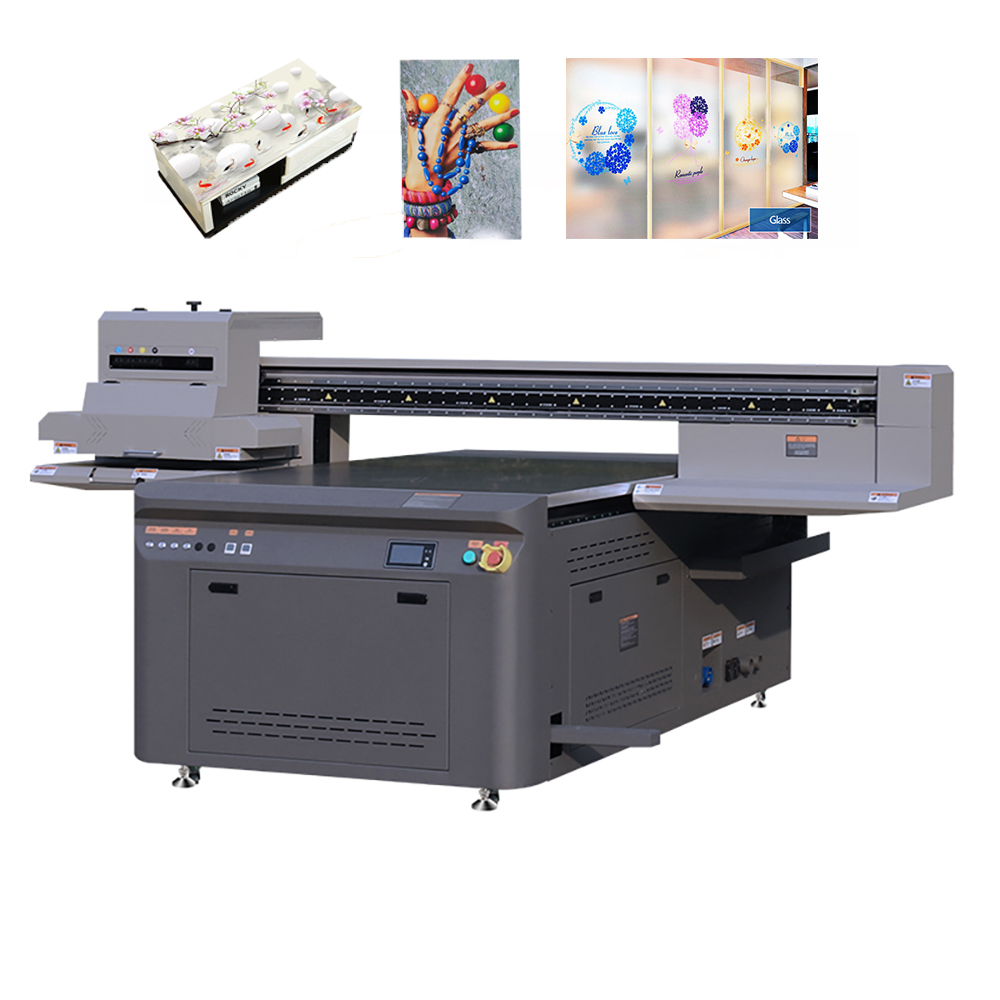
- Ridiculous ROI – Recover Your Investment in 3–6 Months
A professional 1612 UV printer costs $8,000–$18,000 (depending on brand, printheads, and features).
Sample profit calculation – Custom acrylic signs:
Cost Item Amount
Acrylic sheet (24″ x 36″) $8
UV ink + electricity $1.50
Labor (1 minute) $0.50
Total cost $10.00
| Selling Price (custom sign) | $50–$150 |
| Profit per sign | $40–$140 |
Breakeven:
· Low end: 80–100 signs
· High end: 200–250 signs
Most 1612 owners recover their investment in 3–6 months of part-time work. Full-time shops often pay off the machine in 4–8 weeks.
- Perfect for Global E-commerce & Local Production
Business models that thrive with a 1612:
Local (B2B) – High volume, repeat orders
· Sign shops (real estate, retail, construction)
· Award shops (trophies, plaques, corporate gifts)
· Interior designers (custom furniture, wall panels)
· Glass fabricators (shower doors, mirrors, tabletops)
Global (B2C / Etsy / Amazon Handmade) – High margin, unique items
· Custom phone cases (sell worldwide, print in batches)
· Slate coasters (wedding favors, housewarming gifts)
· Pet portrait tiles (viral Etsy category)
· Acrylic wedding signs (popular in US, UK, Australia)
Hybrid model:
· Print bulk blanks in your country
· Sell through Amazon FBA / Etsy / Shopify
· Ship to customers in 3–5 days (faster than China-sourced products)
- Low Maintenance vs. Other Industrial Printers
Printer Type Daily Maintenance Printhead Life Skill Level
DTG Clean daily, capping station issues 6–12 months High
Solvent Weekly cleaning, hazardous fumes 12–18 months Medium
Latex Monthly cleaning, heat management 12–24 months Medium
UV (1612) Clean every 2–3 weeks 24–36 months Low
UV printers use recirculating white ink (prevents settling) and auto capping stations (prevents nozzle clogs). You don’t need a dedicated technician – basic training gets you running.
- Which 1612 UV Printer Should You Buy?
Brand / Model Printheads Ink Colors Best For Approx. Price
Apex 1612 2x Ricoh Gen5 CMYK + White Entry-level commercial $8,000–10,000
MIMAKI UJF-6042 MkII 2x Ricoh Gen4 CMYK + White + Clear High-quality, small batch $12,000–15,000
DCS 1612 4x Ricoh Gen5 CMYK + 2x White High-volume, thick white $10,000–14,000
Sublistar 1612 2x Epson I3200 CMYK + White + Varnish Best value, global support $9,000–13,000
Roland VersaUV LEC2-300 2x Epson CMYK + White + Gloss Premium brand, warranty $18,000–25,000
Budget pick: Apex or Sublistar 1612 with 2x Ricoh Gen5
Quality pick: MIMAKI or Roland (Japan/German engineering)
Volume pick: 4-head system with dual white ink channels
Warning: Avoid no-brand “1612” printers from unknown resellers. Ensure you get:
· On-site installation support
· Replacement parts available in your country
· Printhead warranty (minimum 12 months)
The Verdict: The 1612 Is a Business Launchpad, Not Just a Printer
With a 1612 U
