Revolutionize Your Apparel Business: Why a DTG Printing Machine Is Your Ticket to Global Success

In the fast-paced world of custom apparel, one truth remains constant: Speed, quality, and flexibility win the race. Whether you are a small startup in London, a merch empire in Los Angeles, or a corporate uniform supplier in Sydney, your customers no longer want to wait. They want “Magic. Right now.”
Enter the Direct-to-Garment (DTG) printing machine — the technology that changed the game forever.
If you haven’t made the switch yet, you are leaving money on the table. Here is why the world is going DTG, and how this machine can turn your local print shop into a global powerhouse.
What is DTG? (And why does it matter to you?)
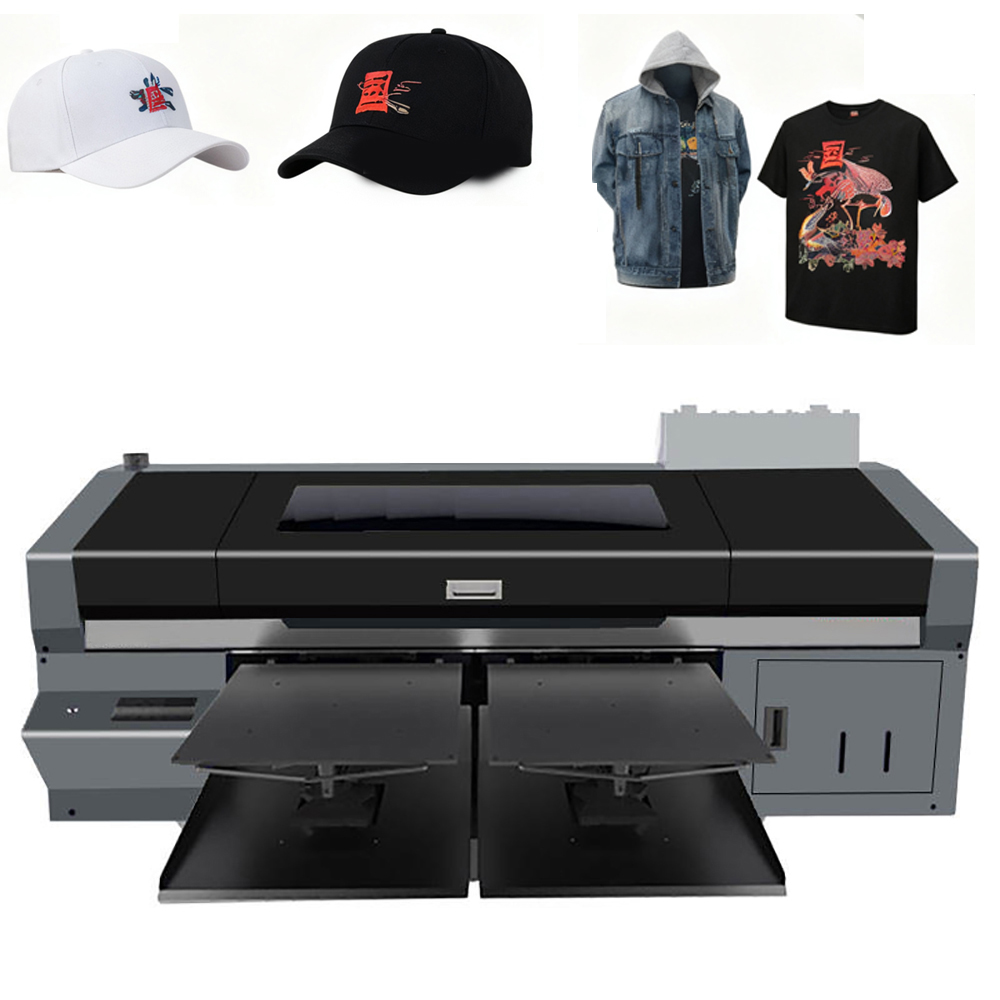
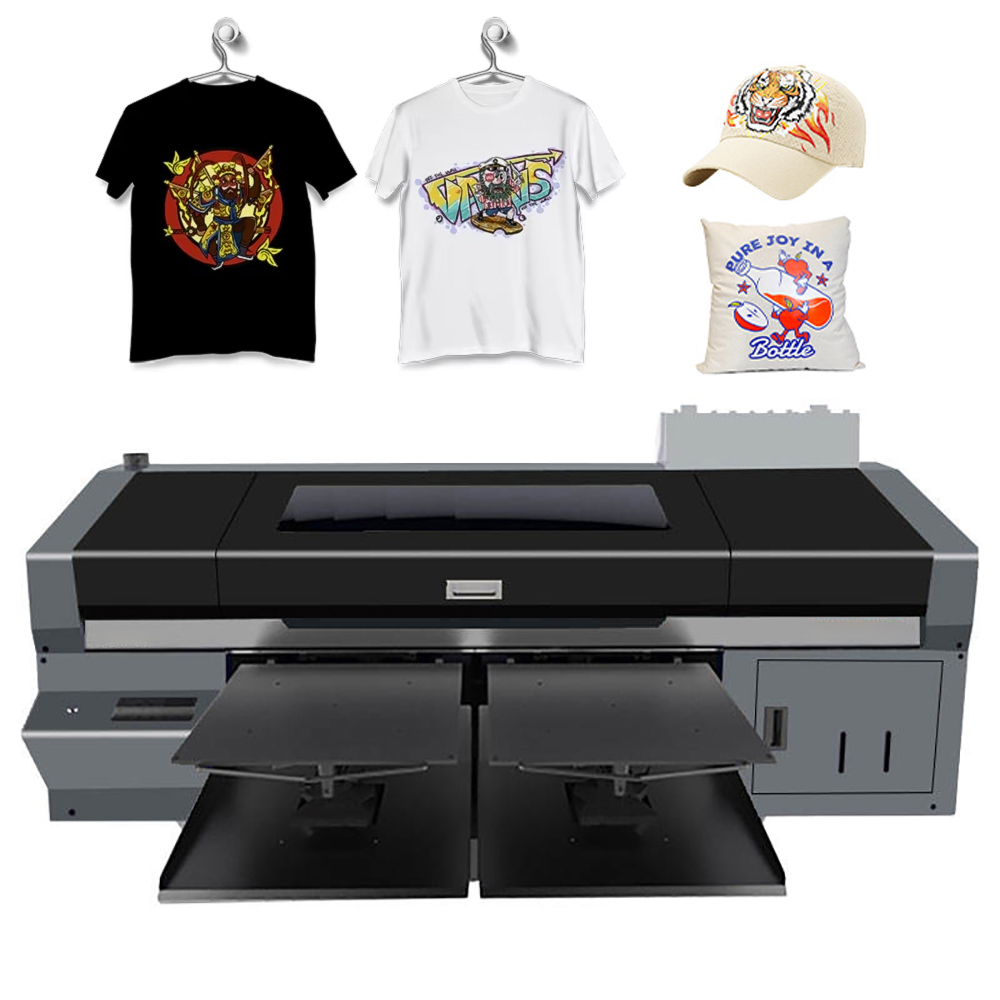
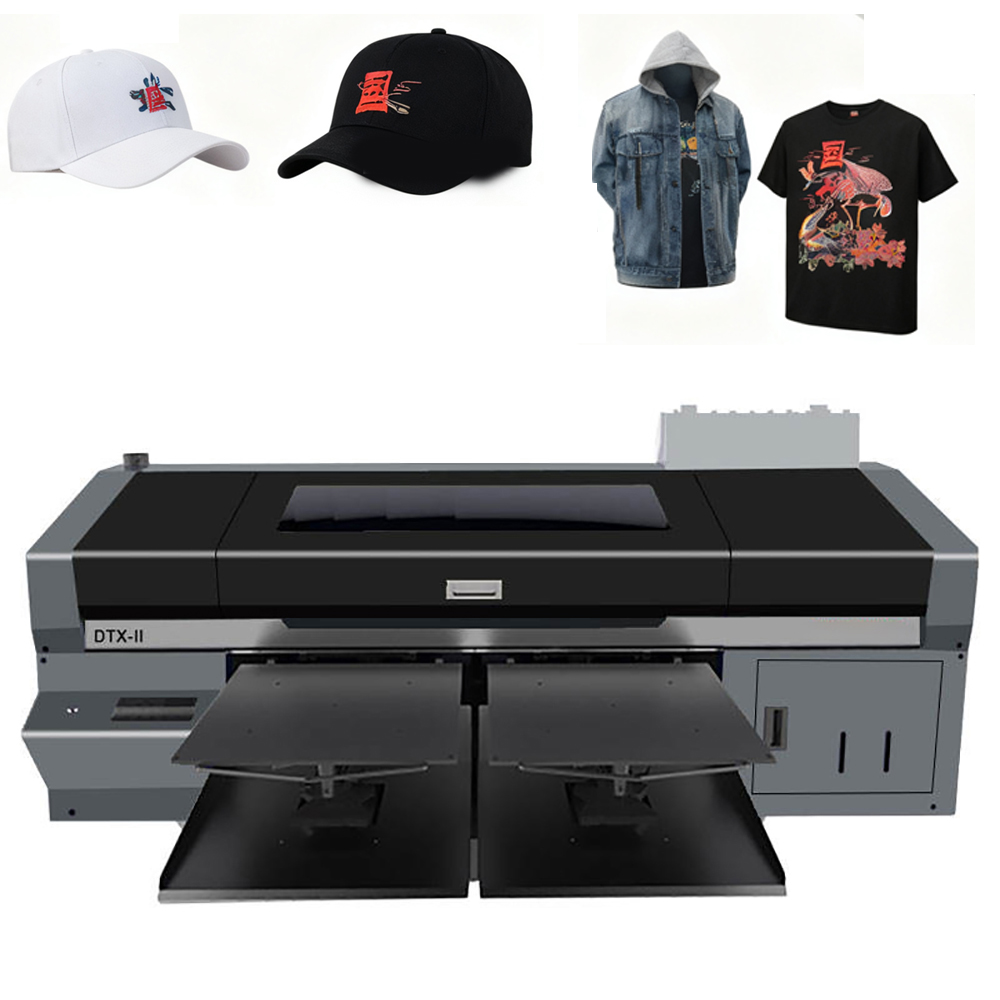
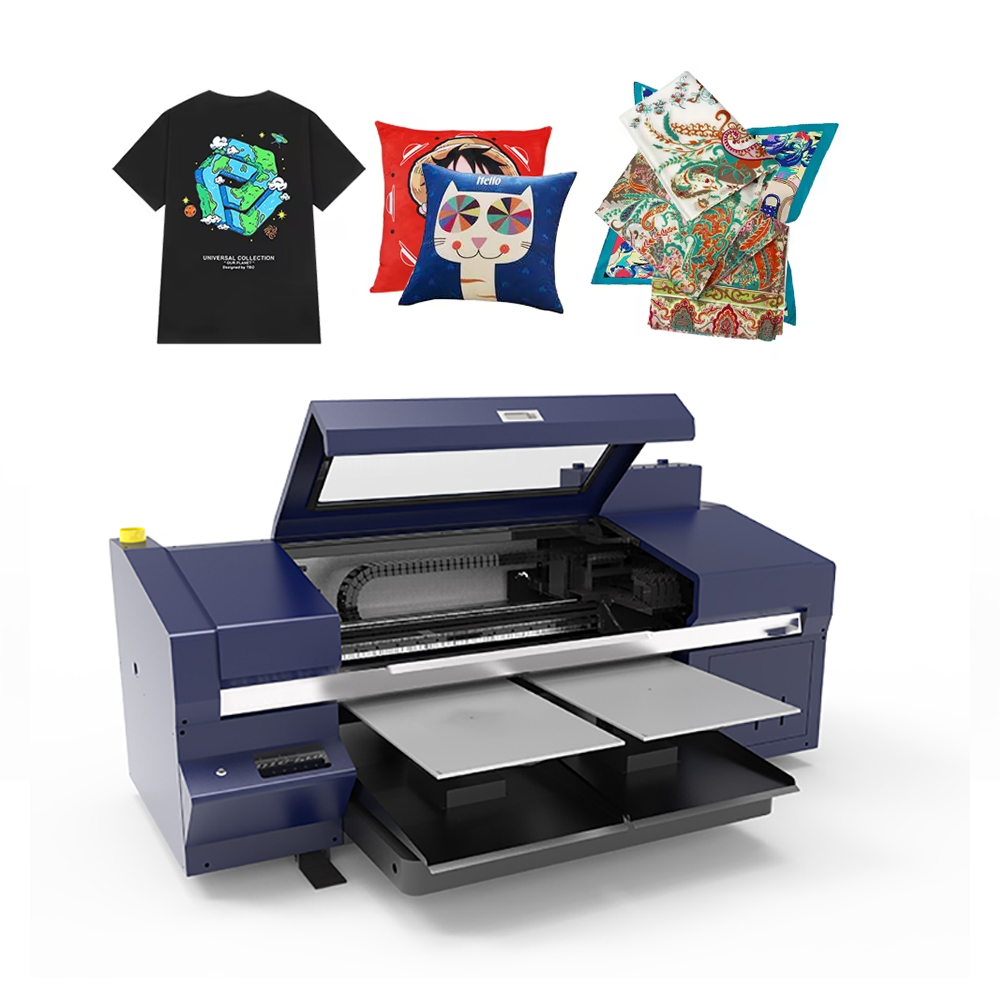
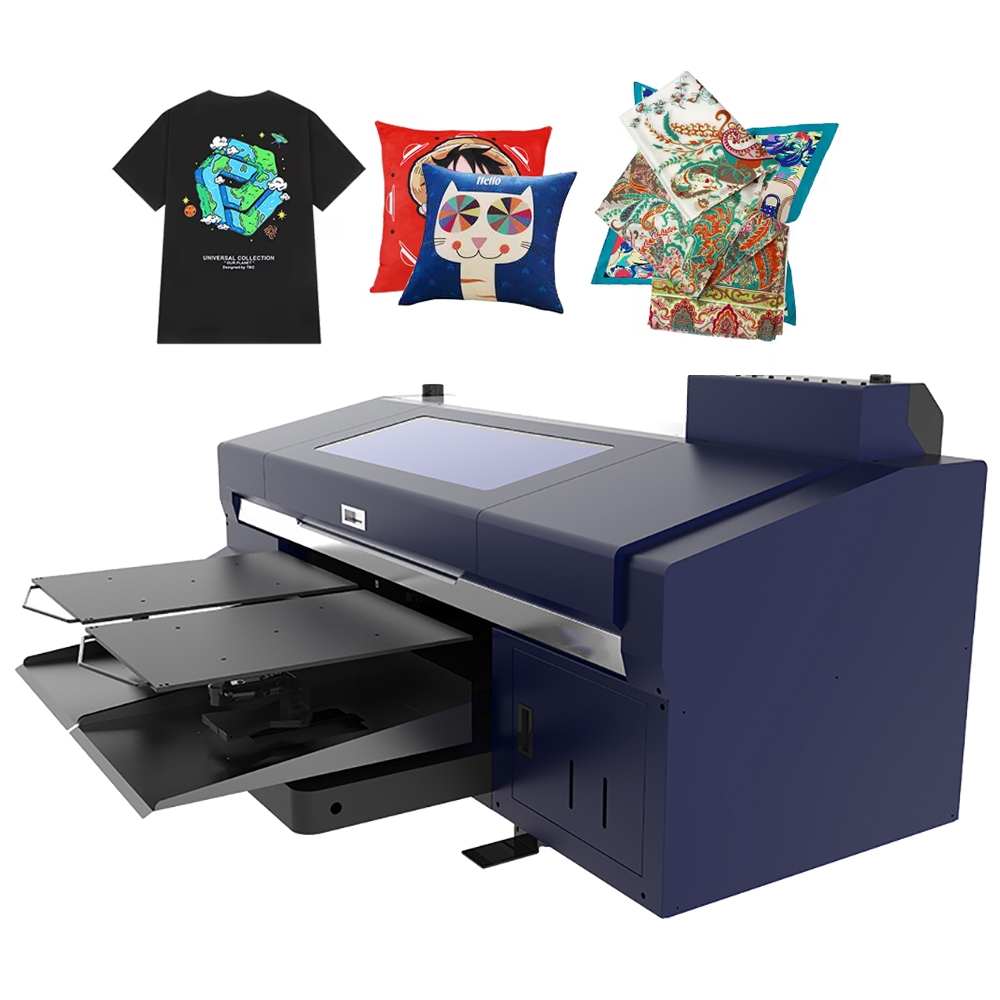
Think of a DTG printer like a high-tech inkjet printer, but instead of paper, it prints directly onto t-shirts, hoodies, tote bags, and even denim. Using specialized water-based inks, it soaks directly into the fabric fibers.
The result? Butter-soft prints that breathe, stretch, and last for years.
5 Reasons Global Customers Are Switching to DTG
- No More Inventory Nightmares (The “Print-on-Demand” Advantage)
Traditional screen printing requires you to burn screens and print 50+ units to be profitable. DTG flips that model upside down.
· Print one shirt or one thousand with the same ease.
· Offer hundreds of unique designs per day.
· Sell first, print later. Zero dead stock.
- Unlimited Colors, Zero Setup
Screen printing charges you per color. DTG doesn’t even look at the color count.
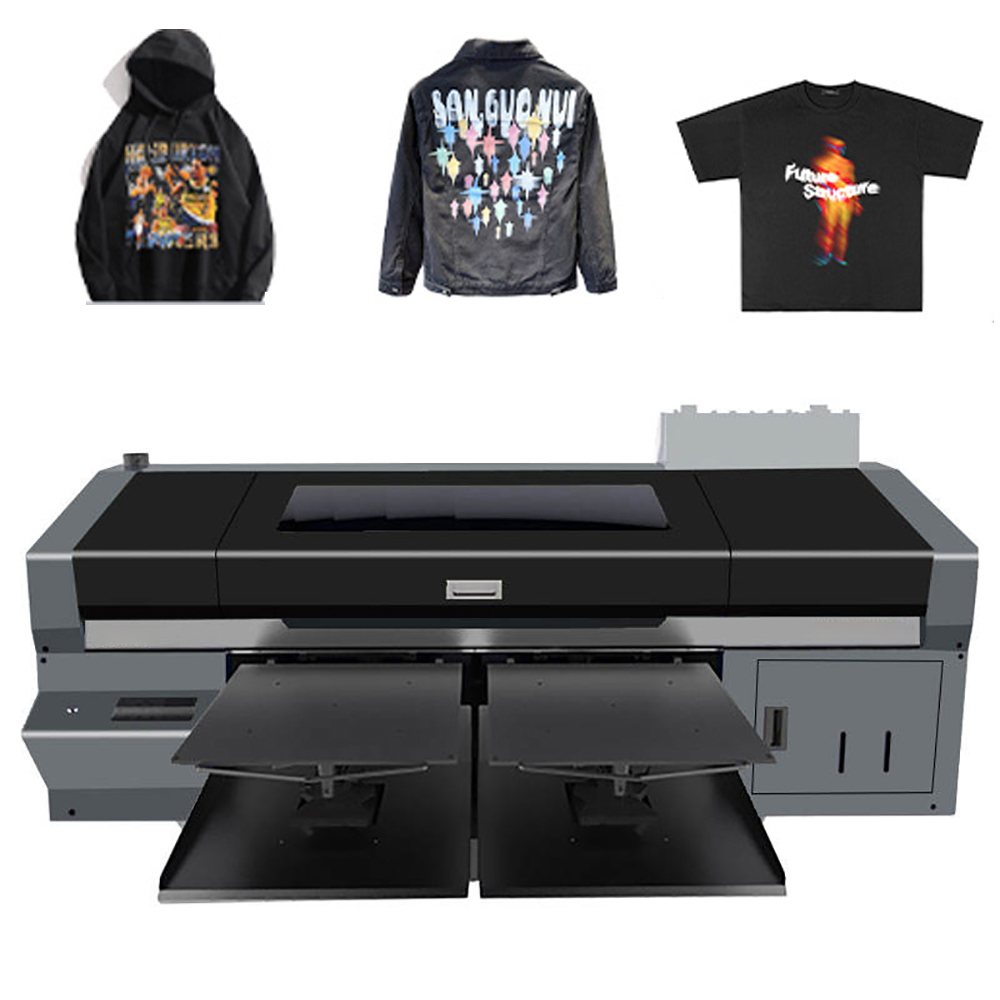
· Photographic quality? Yes.
· Gradient blends? Easy.
· 16.7 million colors? Standard.
· Setup time: 30 seconds (vs. 1 hour for screen printing).
- The “Hand Feel” Factor – Your Customers Will Thank You
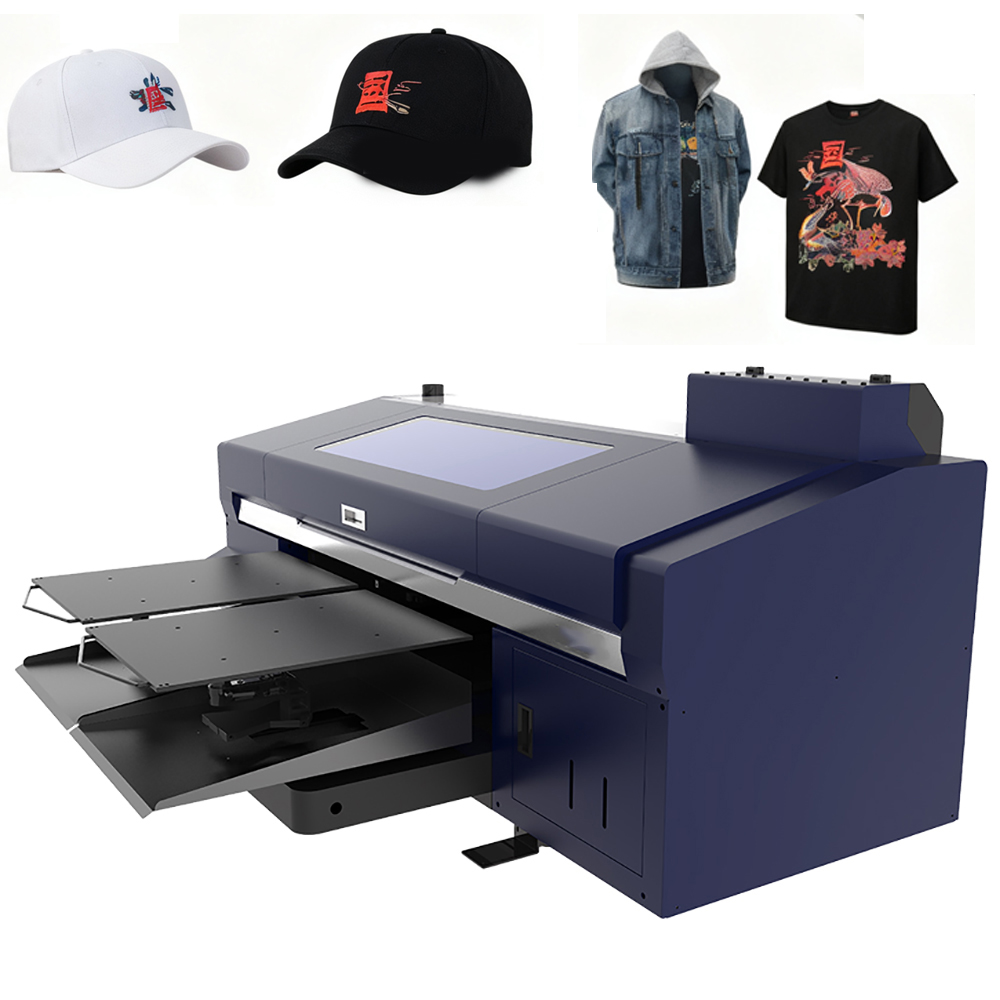
Modern DTG machines use specialized ink technology that leaves no rubbery plastic layer. Your customers get a print that feels like part of the garment — soft, breathable, and professional.
- Go Green – Win Eco-Conscious Markets
Global buyers are demanding sustainability. DTG is naturally greener:
· Water-based, non-toxic inks (no PVC or phthalates).
· Zero water waste compared to traditional dyeing.
· No chemical screen cleaning.
· Print only what you sell — reducing clothing waste.
- Work on Dark & Light Garments Seamlessly
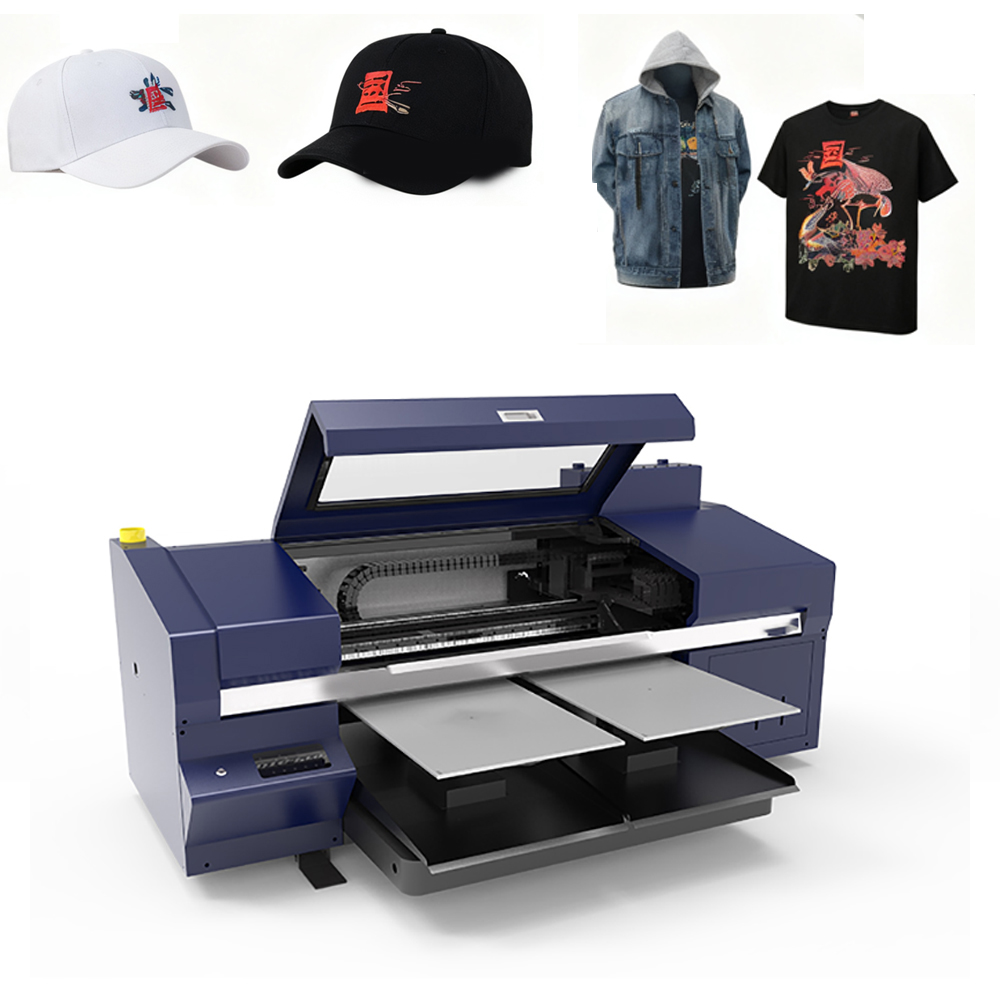
Today’s industrial DTG machines (like the Epson F series or Brother GTX) feature automated platen systems and white ink circulation. They print brilliant whites on black cotton and vibrant neons on white poly blends — all automatically.
Real-World Success: Who is buying DTG machines?
· E-commerce sellers (Etsy, Amazon Merch, Shopify): They need one unit to fulfill an order instantly.
· Print shops: Adding DTG as a “no minimum” option next to screen printing.
· Corporate promo distributors: Custom staff uniforms with variable names/numbers.
· Event printers: Live printing at concerts, festivals, and trade shows (prints in 60 seconds).
What to look for in your DTG machine (Buyer’s Guide)
Not all DTG machines are equal. To attract the global customer, you must solve their specific pain points.
✅ Industrial vs. Desktop:
· Desktop (e.g., Epson SureColor F170) – Great for low-volume, hobby to small business (<20 shirts/day).
· Industrial (e.g., Brother GTX Pro, Kornit) – High-speed rotary platens for 200+ shirts/day.
✅ White Ink Management:
Look for automatic circulation, capping, and cleaning cycles. White ink settles — good machines fix this for you.
✅ Pretreatment system:
Do you have a separate pretreatment machine and heat press? High-quality dark garment printing requires it.
✅ Software & RIP:
Does the machine include a RIP (Raster Image Processor)? This controls ink layering. Modern RIPs like AcroRIP or CADlink SmartDTG offer variable dot control for sharper images.
The ROI: How fast do you make your money back?
Let’s do the math (in USD for global clarity):
· Cost to print a standard t-shirt (ink + pretreat + maintenance): ~ $0.80 – $1.50
· Market selling price (custom printed shirt): $25 – $45
· Gross margin per shirt: Over 90%
If you run just 15 shirts a day, you generate roughly $10,000 in gross revenue per month. A high-quality industrial DTG machine pays for itself in 3–6 months.
Ready to dominate your local market (and beyond)?
The apparel industry is shifting to on-demand, personalized, premium quality. Screen printing isn’t dead — but it is no longer the only king.
Whether you are printing band merch in Berlin, sports jerseys in Tokyo, or family reunion shirts in Texas — a DTG printing machine gives you the superpower to say “Yes” to every customer, for every quantity, on every color.
Stop turning away small orders. Start printing the future.
