Cheap Price UV DTG Printer A3 with Efficient Printing and Customization Options

Subtitle: No minimums. No screens. No limits. The most profitable way to print custom apparel in 2026.
You have a customer who wants one shirt. One design. One size. Tomorrow.
Five years ago, you would have said no. Screen printing requires setup fees that make single shirts unprofitable. Heat transfers look cheap and feel worse. Vinyl is too slow for complex designs.
Today, you say yes. And you print it in minutes.
That’s the power of a Direct-to-Garment (DTG) printing machine—the technology that turned the custom apparel industry upside down and put professional-quality printing within reach of entrepreneurs worldwide.
What Is a DTG Printing Machine?
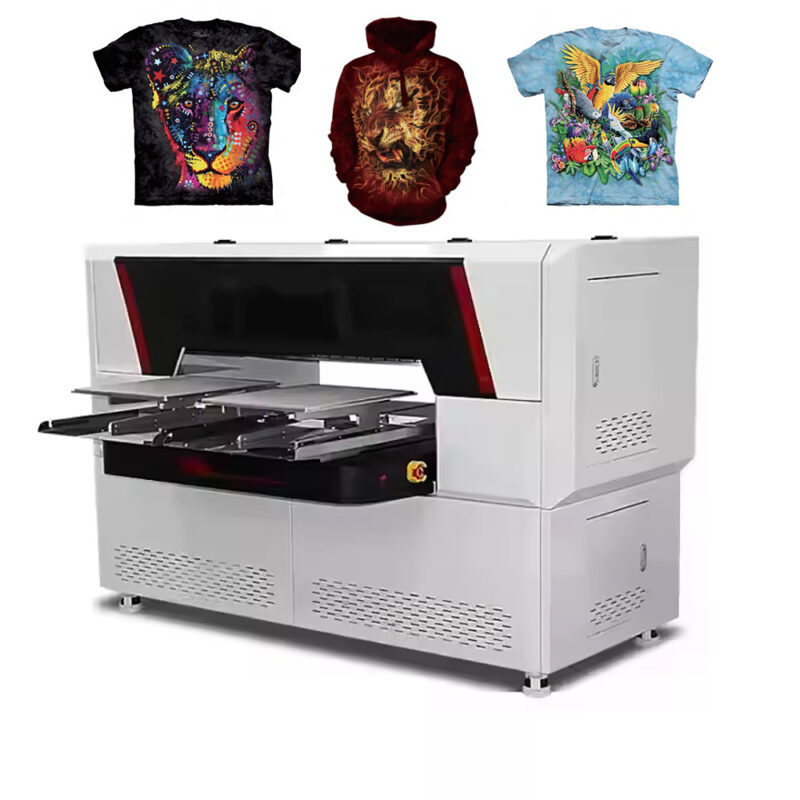
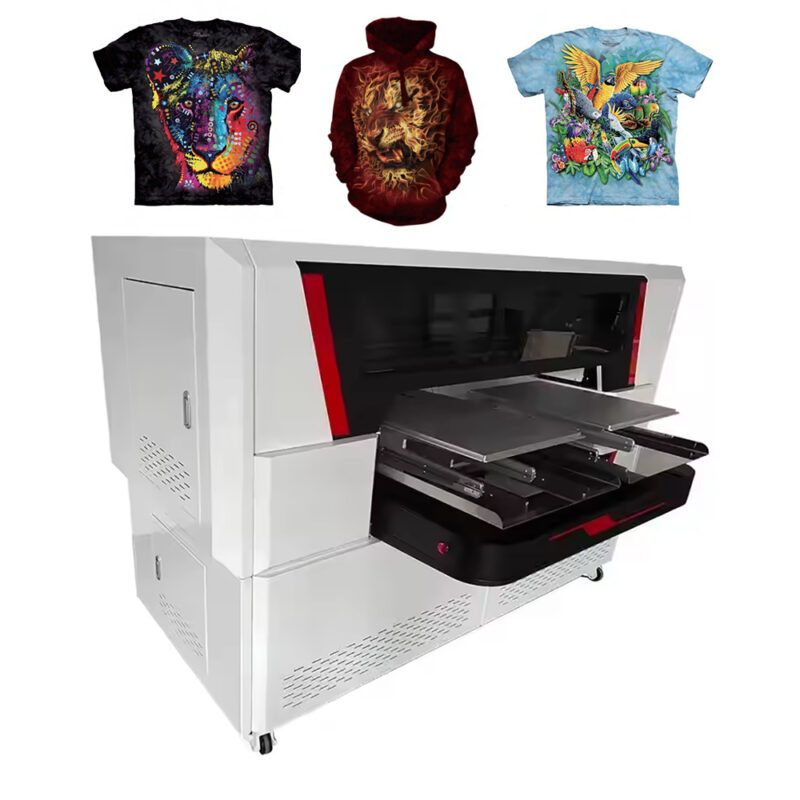
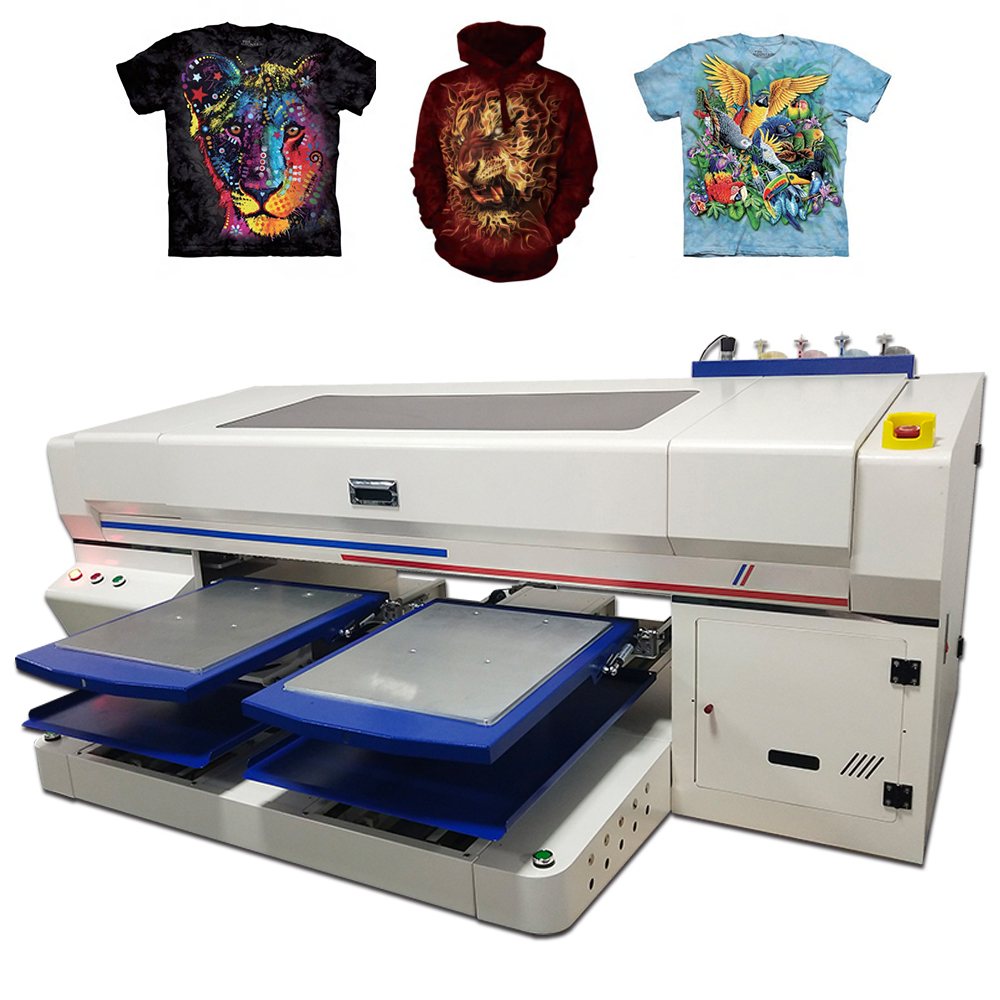
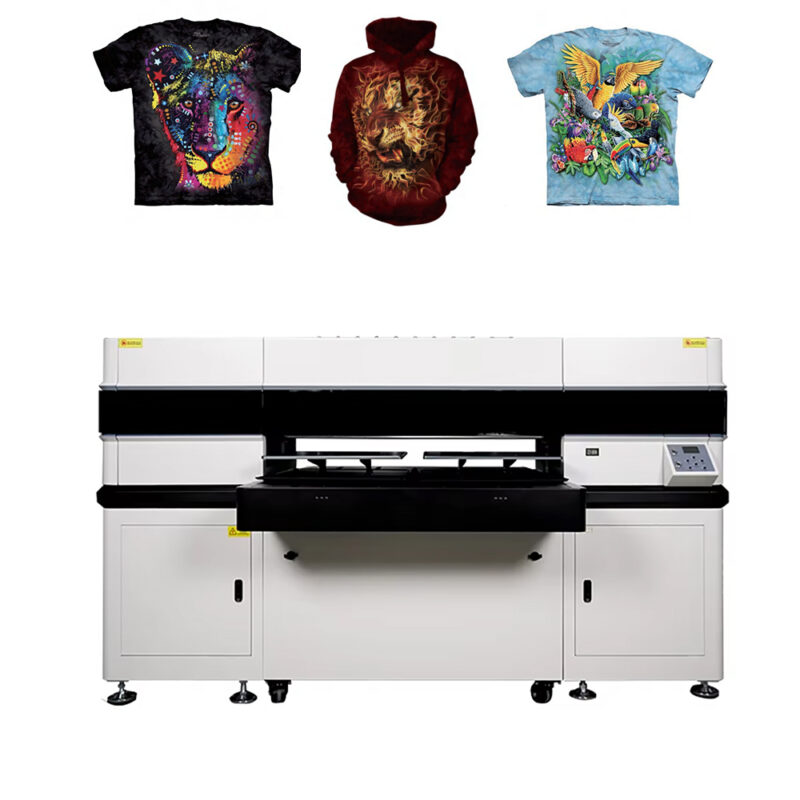
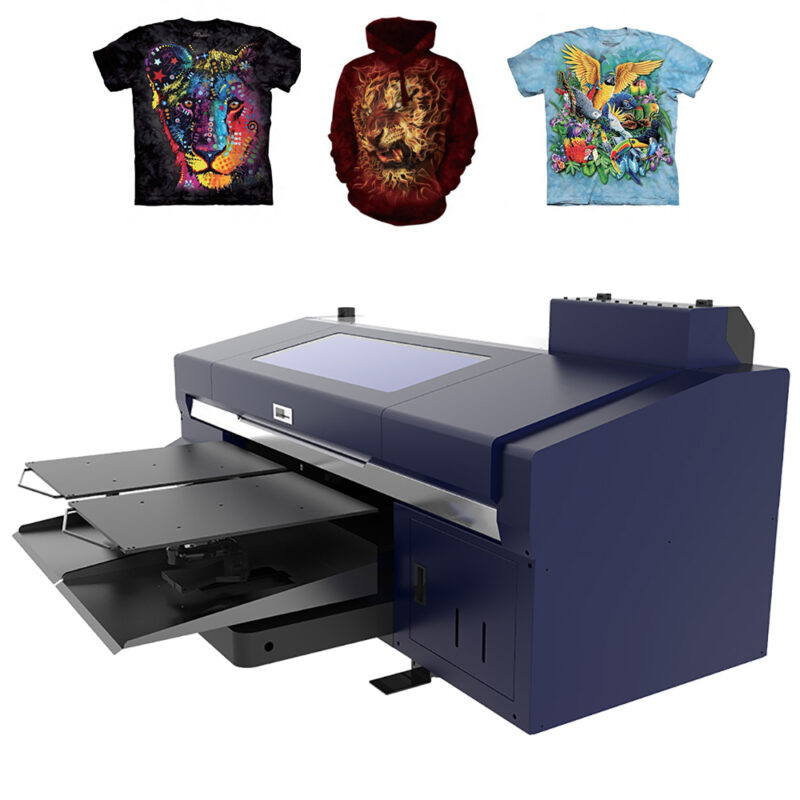
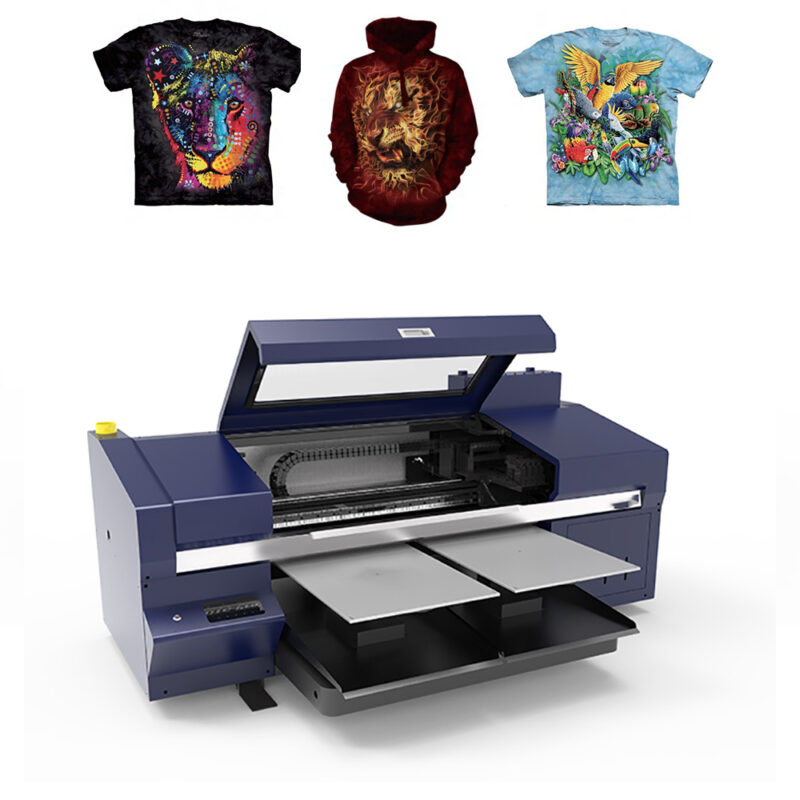
Think of it as a high-end inkjet printer engineered specifically for fabric. Instead of printing on paper, a DTG printer sprays specialized water-based pigment inks directly onto t-shirts, hoodies, tote bags, and other garments.
The ink bonds with the fabric fibers, creating prints that are:
· Soft to the touch (no plastic feel)
· Breathable (air passes through the print)
· Wash-resistant (50+ washes without cracking or peeling)
· Photographically detailed (millions of colors, gradients, tiny text)
Unlike screen printing, there are no screens to burn, no emulsions to mix, and no cleanup chemicals. Unlike heat transfers, there’s no weeding, no masking, and no bulky feel.
Just load, print, heat press, and ship.
Why Global Entrepreneurs Are Choosing DTG in 2026
- The Print-on-Demand Revolution
E-commerce has changed everything. Platforms like Etsy, Shopify, Amazon Merch, and Redbubble have created millions of sellers who need zero inventory and one-off production.
DTG is the engine behind print-on-demand.
· A customer orders a shirt from your online store
· You receive the order automatically
· You print that single shirt on your DTG machine
· You ship it directly to the customer
No minimum orders. No unsold inventory. No warehouse fees. Just profits from every single sale.
- Photographic Quality That Sells Itself
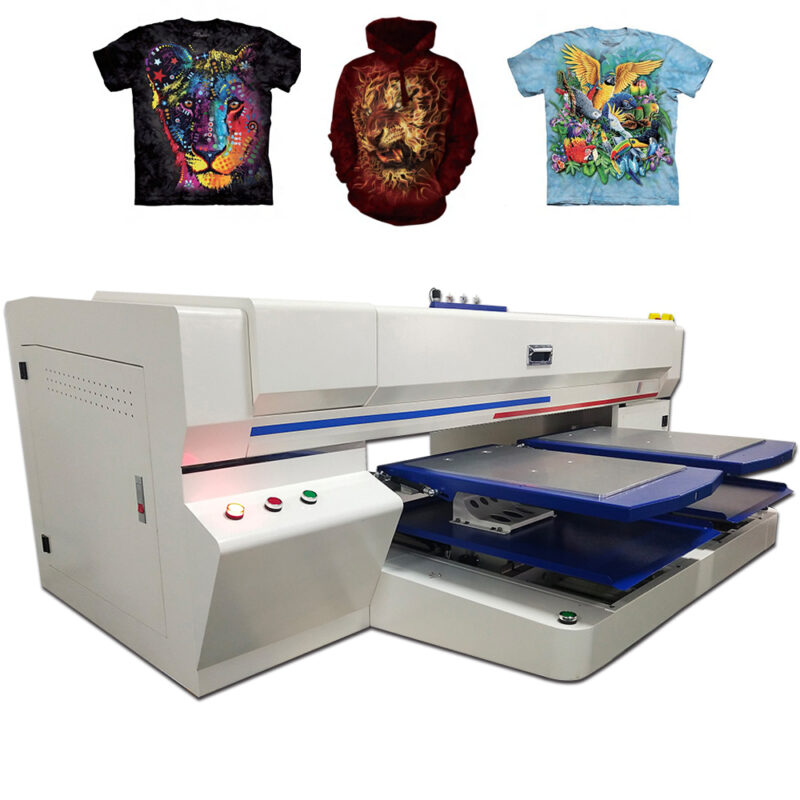
Screen printing struggles with gradients, drop shadows, and photographic images. DTG excels at them.
Imagine printing:
· A customer’s pet portrait on a hoodie
· A complex mandala with 40 colors
· A faded vintage effect with soft edges
· A design with tiny 4-point text
DTG handles all of this in one pass. The results are so sharp and vibrant that customers will share photos of your work on social media—free marketing for your business.
- No Experience Required
You don’t need to be a screen printer. You don’t need years of experience.
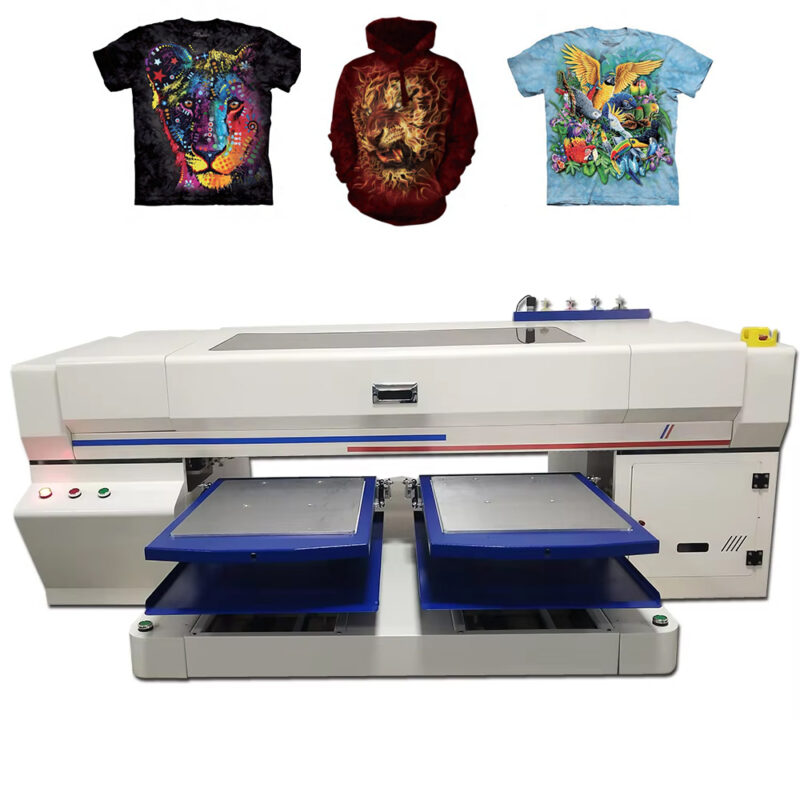
A modern DTG machine is designed for anyone who can use a computer.
· Create or import your design (PNG, JPEG, or vector)
· Load the garment on a flat platen
· Click “Print” on the software
· Let the machine work
· Heat press for 30–60 seconds
From unboxing to first print: under two hours for most beginners.
- Low Entry Cost, High Return
Machine Type Price Range Best For
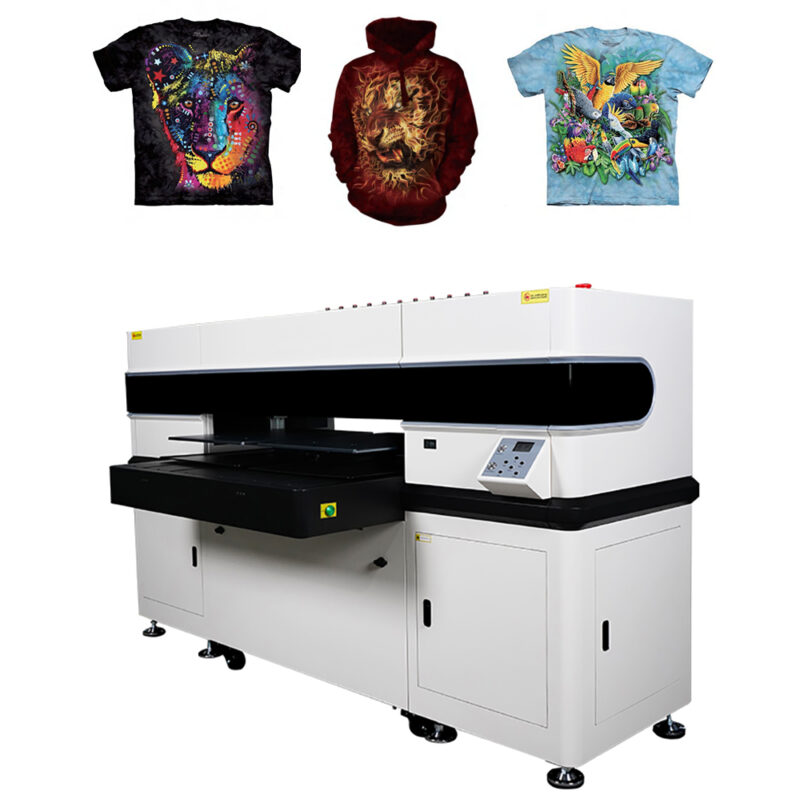
Entry-level DTG (Epson F170, OmniPrint FreeJet) $3,000–$6,000 Hobbyists, startups, low volume (10–30 shirts/day)
Mid-range DTG (Epson F2100, Brother GTX) $8,000–$15,000 Small businesses, print shops (30–100 shirts/day)
Industrial DTG (Epson F3070, Kornit) $25,000–$80,000+ High-volume production (200+ shirts/day)
ROI example with a mid-range machine:
· Machine cost: $12,000
· Average selling price per printed shirt: $25
· Cost of goods (blank shirt + ink + pretreatment): $6
· Gross profit per shirt: $19
· Shirts needed to break even: 632
Most users reach break-even in 3–6 months. Everything after that is pure profit.
- Print on Light & Dark Garments
Older DTG machines could only print on white or light-colored shirts. That’s no longer true.
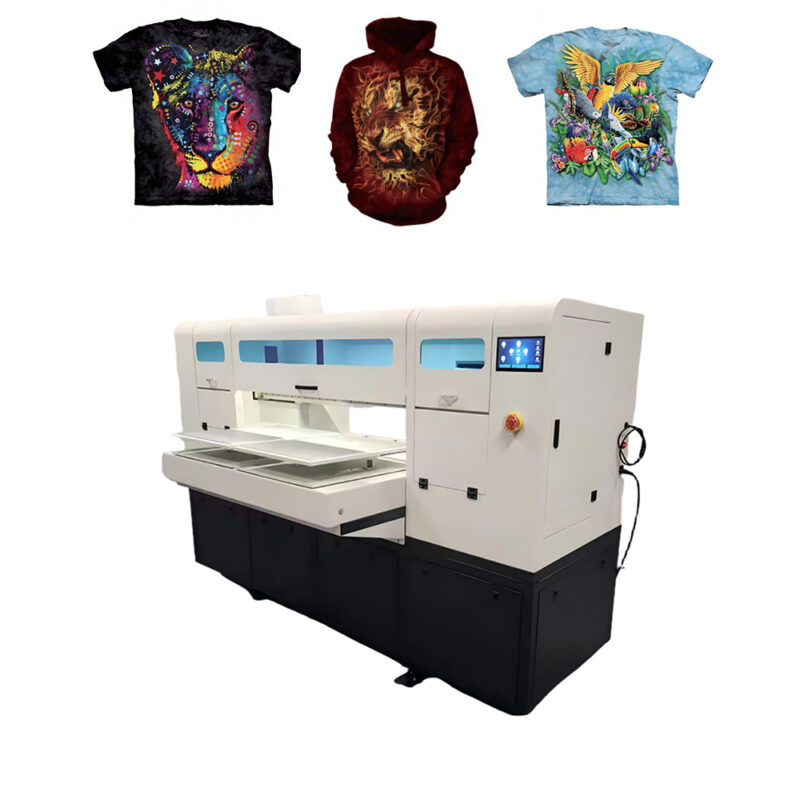
Modern DTG printers use white ink underbase technology:
· First, the printer lays down a layer of white ink
· Then, it prints CMYK colors on top
· The result: vibrant, opaque prints on black, navy, red, and any dark garment
White ink on black shirts. Neon colors on dark hoodies. Full-color designs on anything.
- Eco-Friendly & Sustainable
The world is moving toward sustainable production. DTG fits perfectly.
· No water waste (unlike screen printing, which uses gallons of water for cleanup)
· No harmful chemicals (no emulsions, solvents, or screen cleaners)
· No excess inventory (print only what sells—zero waste)
· Low energy consumption (compared to industrial drying ovens)
Eco-conscious customers prefer DTG-printed products. It’s a selling point you can market directly.
- Fast Turnaround = Happy Customers
Screen printing a single shirt takes hours (setup, exposure, registration, printing, drying). DTG takes minutes.
Real-world timeline:
· 9:00 AM – Customer orders online
· 9:15 AM – Design is ready
· 9:20 AM – Shirt is loaded and printed
· 9:25 AM – Garment is heat-pressed
· 9:30 AM – Packaged and labeled
· 10:00 AM – Shipped
Same-day shipping wins repeat customers. In a world of Amazon Prime expectations, speed matters.
Who Is a DTG Printer For? (Global Customer Segments)
E-commerce Entrepreneurs
Sell on Etsy, Shopify, WooCommerce, or Amazon Merch. Print only what sells. No inventory. No risk. A DTG machine is your personal fulfillment center.
Print Shops Expanding Services
Already doing screen printing or vinyl? Add DTG to capture small orders, samples, and one-off custom jobs that you used to turn away.
Promotional Product Distributors
Corporations need branded apparel for events, employee gifts, and trade shows. DTG lets you offer short runs (10–50 shirts) with fast delivery.
Event & Festival Merchandise Sellers
Set up a DTG printer at a concert, festival, or sporting event. Customers design their shirt on a tablet. You print it while they wait. Charge $30–$50 per shirt.
Schools & Universities
Print club shirts, sports team apparel, graduation merchandise, and event gear. No minimums. No outsourcing. Full control over quality and timing.
Craft & Hobby Businesses
Turn your passion into profit. Print custom shirts for birthdays, family reunions, bachelor parties, and small local events.
Print-on-Demand Fulfillment Centers
Offer white-label fulfillment for other e-commerce sellers. They send you orders. You print and ship. Your DTG machine becomes a B2B profit center.
The Bottom Line
The DTG printing machine is not just equipment. It’s a business growth engine.
· Print one shirt or one thousand
· Photographic quality on light and dark garments
· No screens, no chemicals, no minimums
· 70–80% margins on every sale
· Same-day turnaround for happy customers
· Print-on-demand = zero inventory risk
Whether you’re in Lagos, London, Los Angeles, or Lahore, the global appetite for custom apparel has never been bigger. Customers want unique designs delivered fast.
DTG gives you the power to say “yes” to every order—no matter how small.
The only question left is: Are you ready to start printing your future?
