Durable Dtf Printing Machine for Reliable High-Quality Printing

Headline: DTF Printing: The Only Transfer Method That Prints on ANYTHING (No Lies, No Limits)
Subtitle: Say goodbye to pre-treatment, fabric restrictions, and dark shirt headaches. Welcome to the future of custom transfers.
You’ve felt the frustration.
You buy a DTG printer, but dark shirts require expensive pre-treatment and a heat press. You try vinyl, but multi-color designs take hours to weed. You attempt screen printing, but the customer only wants two shirts.
There has always been a trade-off: Quality vs. Speed. Dark vs. Light. Cotton vs. Polyester.
Until now.
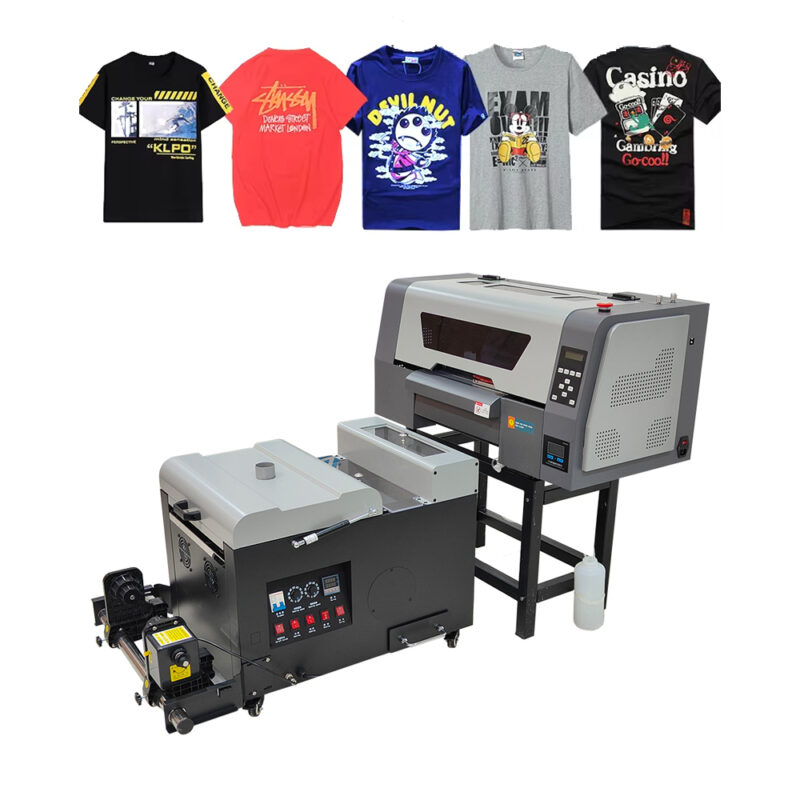
Direct-to-Film (DTF) printing has shattered every rule in the custom apparel industry. If you want to attract customers worldwide—from small boutiques in Paris to merch resellers in Jakarta—you need a DTF printing machine on your production floor today.
What is DTF Printing? (And Why It’s Eating Everyone’s Lunch)
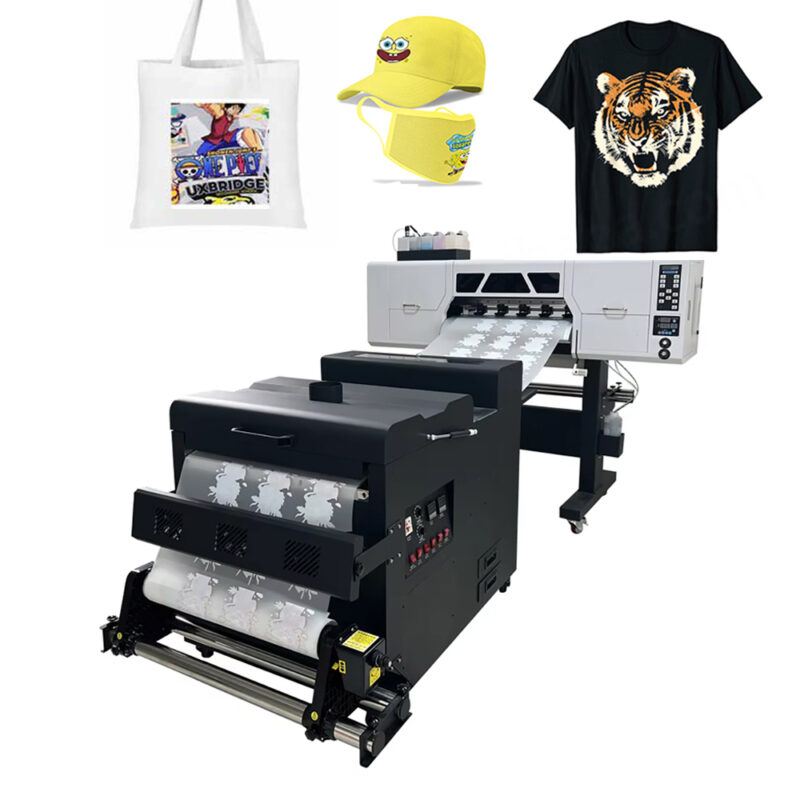
DTF is a two-step process:
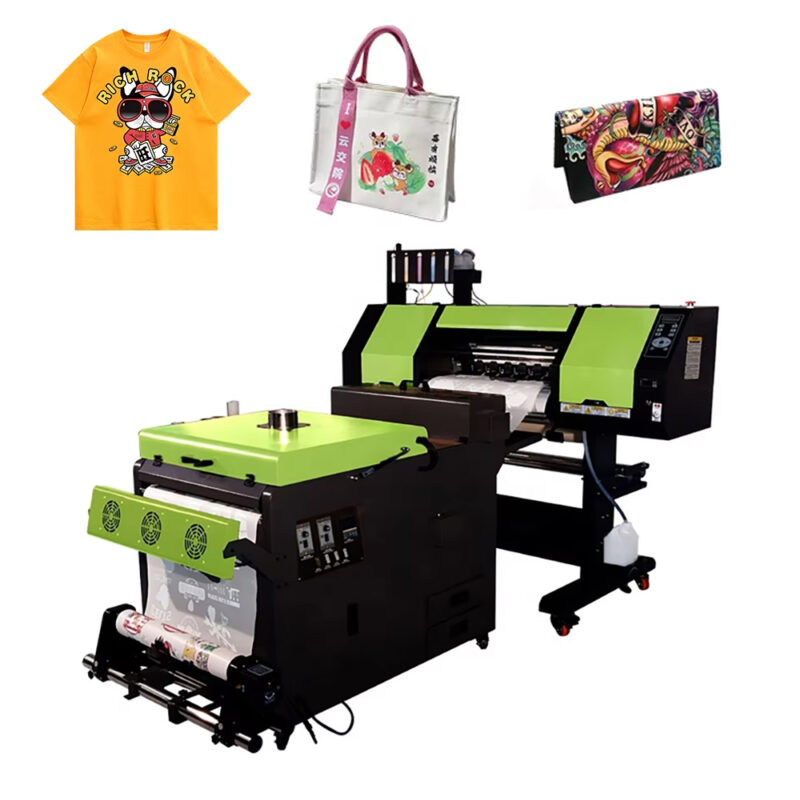
- You print a design onto a special PET film using a modified inkjet printer with CMYK + White ink.
- You dust it with hot melt adhesive powder, cure it, and then heat press it onto any garment.
That’s it.
Unlike DTG, the garment never goes into the printer. Unlike vinyl, there is no weeding. Unlike screen printing, there is no setup fee.
7 Reasons Global Customers Are Switching to DTF Right Now
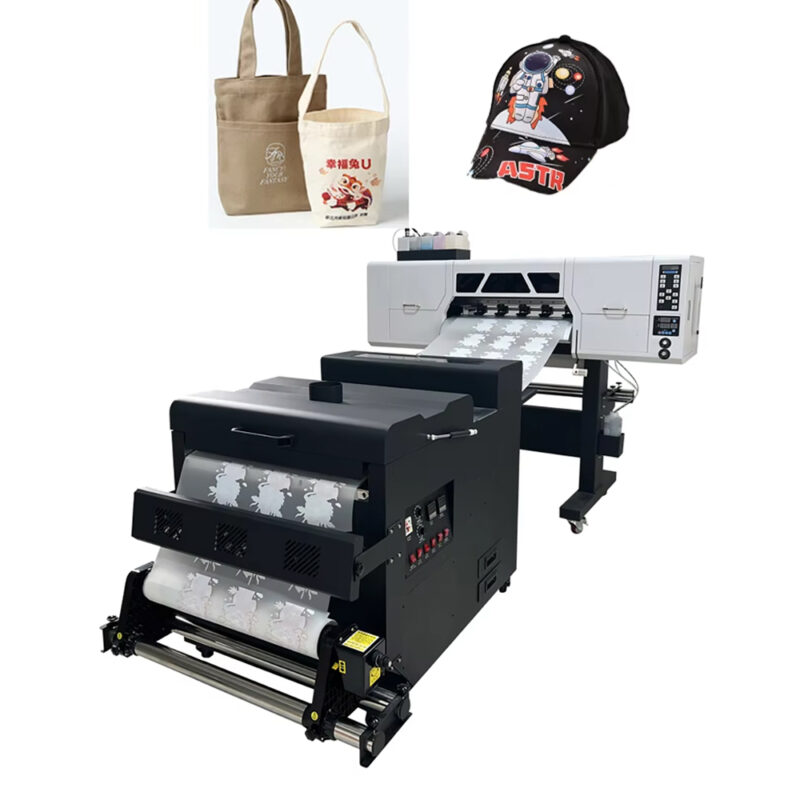
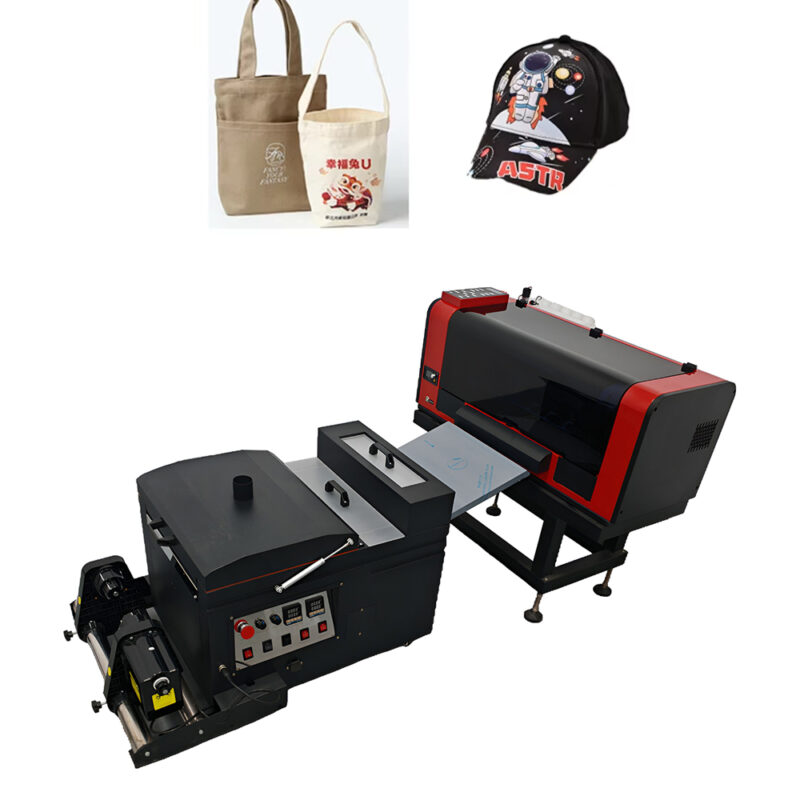
- It Prints on ANY Fabric (Seriously, Any)
Cotton? Yes. Polyester? Yes. Nylon? Yes. Leather? Yes. Denim? Yes. 100% Nylon rain jackets? Yes.
DTG fails on high-polyester blends (dye migration). Vinyl peels off rough fabrics like towels or canvas bags. DTF sticks to everything because the adhesive powder acts like a universal glue. You can print for the yoga studio (spandex), the construction site (cotton/poly workwear), and the pet store (synthetic dog bandanas) with one machine.
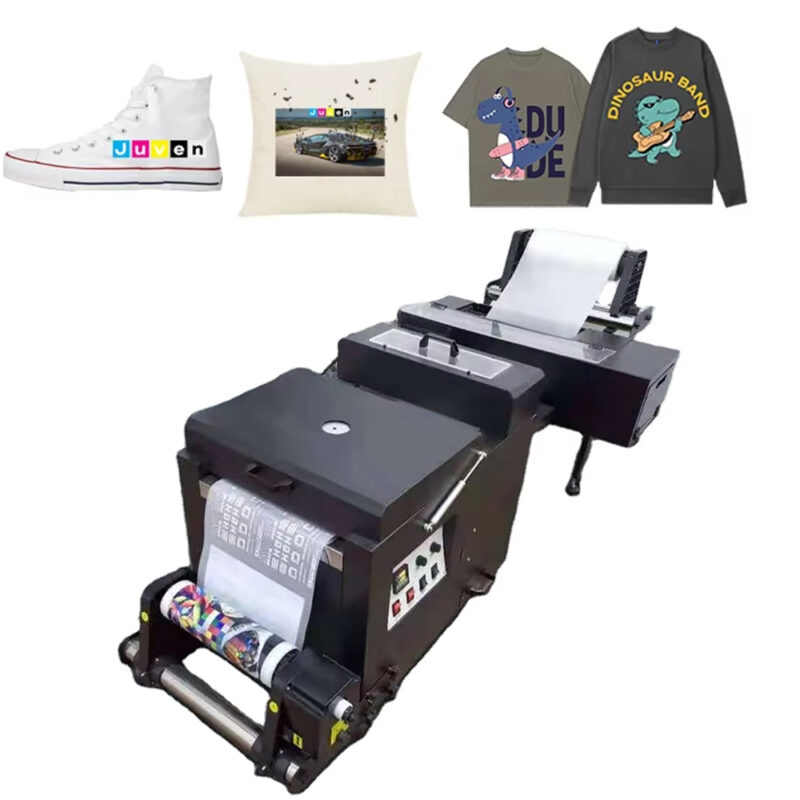
- No Pre-Treatment. No Mess.
With DTG on dark shirts, you need a sticky, smelly pre-treatment spray, a curing oven, and a lot of patience.
With DTF: Print, powder, press. No pre-treatment means no wasted chemicals, no inconsistent white layers, and no training your staff on “how much to spray.” Just perfect transfers every time.
- The “One-Hour” Business Model
Your customer walks in at 4:00 PM. They need 50 hoodies for a 6:00 AM race tomorrow.
· Screen printing: “Come back next week.”
· DTG: “We have to pre-treat each hoodie… maybe?”
· DTF: “Come back at 5:00 PM.”
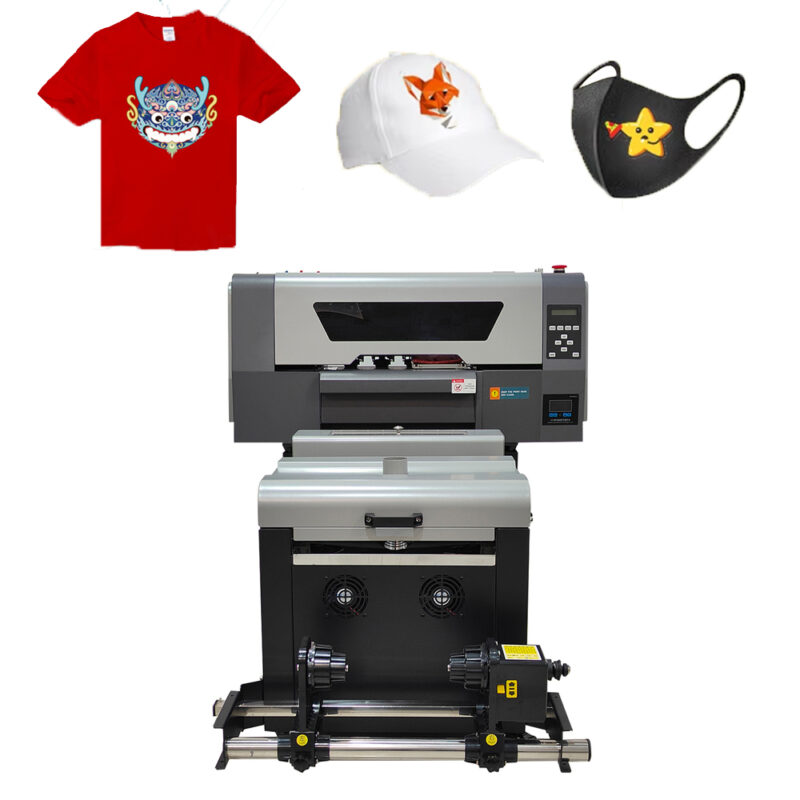
Because you print the film first and press later, you can separate the printing time from the application time. Print 50 films in 20 minutes. Press 50 hoodies in 40 minutes. Done.
- Zero Inventory (Print on Demand on Steroids)
Don’t buy 144 shirts to make screen printing profitable. Don’t pre-treat shirts you might not sell.
With DTF, you print the transfer before you have the shirt. Keep a library of 5,000 different designs on film. When an order comes from Australia, Germany, or Brazil, you grab the film and press it onto a blank shirt you buy same-day. No inventory. No risk.
- Incredible Detail & Vivid White
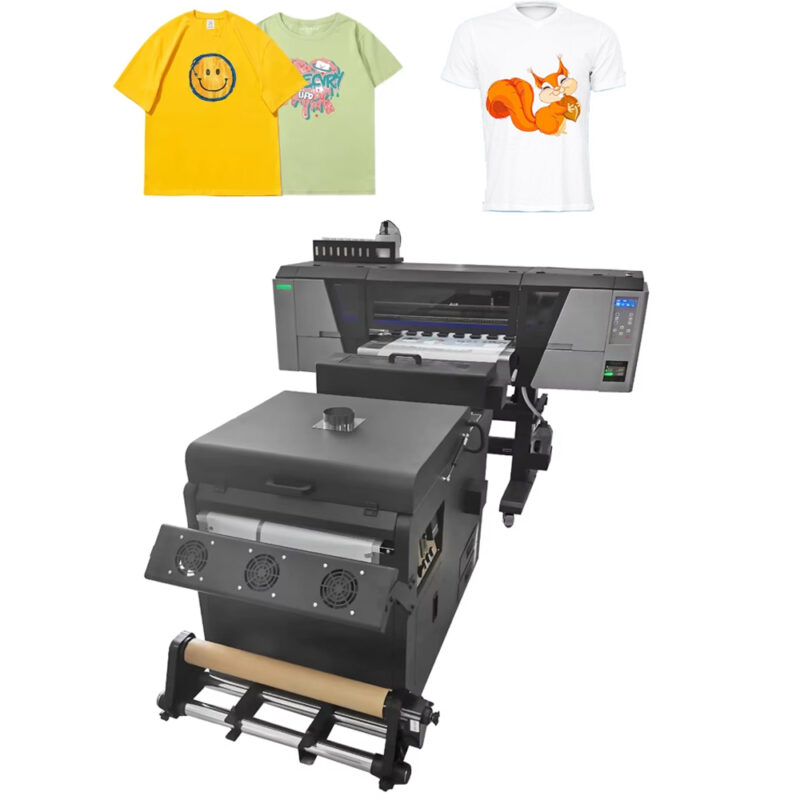
DTF printers use a white ink layer that sits under the color. This means neon colors pop on black shirts. Fine details (1-point text, halftones, drop shadows) are razor sharp. And because the powder creates a slight “puff,” the print has a premium, rubbery-soft feel that customers love.
- Super Easy for International Shipping
Want to sell transfers only? This is a massive global market.
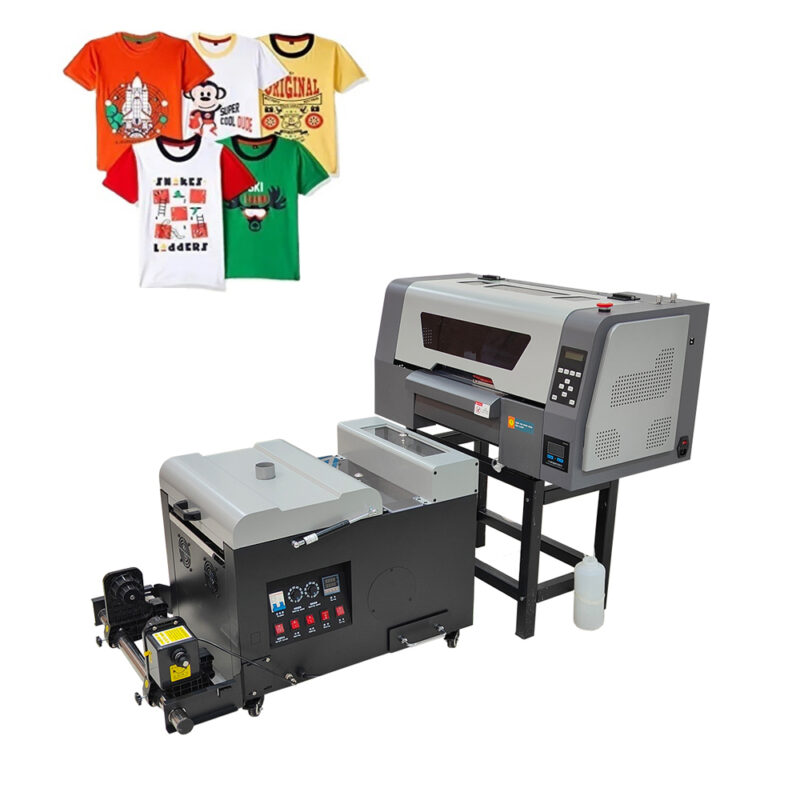
You can print a DTF transfer, powder it, and mail it in a flat envelope to a customer in another country. They apply it with their own heat press. You save 90% on shipping weight compared to sending finished shirts. Hundreds of Etsy sellers are making six figures selling only DTF transfers, not apparel.
- Lower Entry Cost
A commercial DTG machine costs $15,000–$30,000. A high-production DTF printer (like an Epson改装 system or a dedicated DTF robot) can start at $5,000–$8,000. Plus, no pretreatment oven, no wastewater disposal, and cheaper maintenance.
The Truth About DTF (Don’t Believe the Myths)
Myth: “DTF feels thick and plastic.”
Fact: With the right powder and proper pressing, the hand-feel is softer than vinyl and comparable to a screen print. Use “soft powder” for a barely-there finish.
Myth: “It doesn’t wash well.”
Fact: Properly cured DTF (pressed at 320°F / 160°C for 15 seconds) survives 50+ wash cycles. The adhesive powder fuses into the fabric fibers.
Myth: “It’s only for dark shirts.”
Fact: It works perfectly on white shirts too (you can print without a white underbase), but its superpower is dark and colored garments.
The Bottom Line
DTG changed the game for light-colored cotton. Vinyl changed the game for simple cuts. DTF changes the game for everything else.
If you want to print on a nylon jacket, a polyester sports jersey, a leather patch, or a cotton t-shirt—all in the same day, with no pre-treatment, no weeding, and no minimum orders—there is only one answer.
A DTF printing machine isn’t just an upgrade. It’s a license to print money on any substrate, for any customer, anywhere in the world.
