The DTF Revolution: Why Direct-to-Film is the Smartest Investment in Custom Apparel

The global Direct-to-Film (DTF) printing market is booming. From a valuation of USD 2.68 billion in 2025, it is projected to surge past USD 4.25 billion by 2032, growing at a robust CAGR of 6.7%. This explosive growth, which accelerated sharply after 2019, is driven by a “perfect storm” of rising e-commerce demand, the explosion of social media-driven micro-brands, and a desperate need for flexible, low-risk production solutions.
For businesses worldwide—from established print shops to ambitious startups—DTF isn’t just a trend; it’s a strategic tool for unlocking new revenue streams and future-proofing operations.
What is DTF Printing?
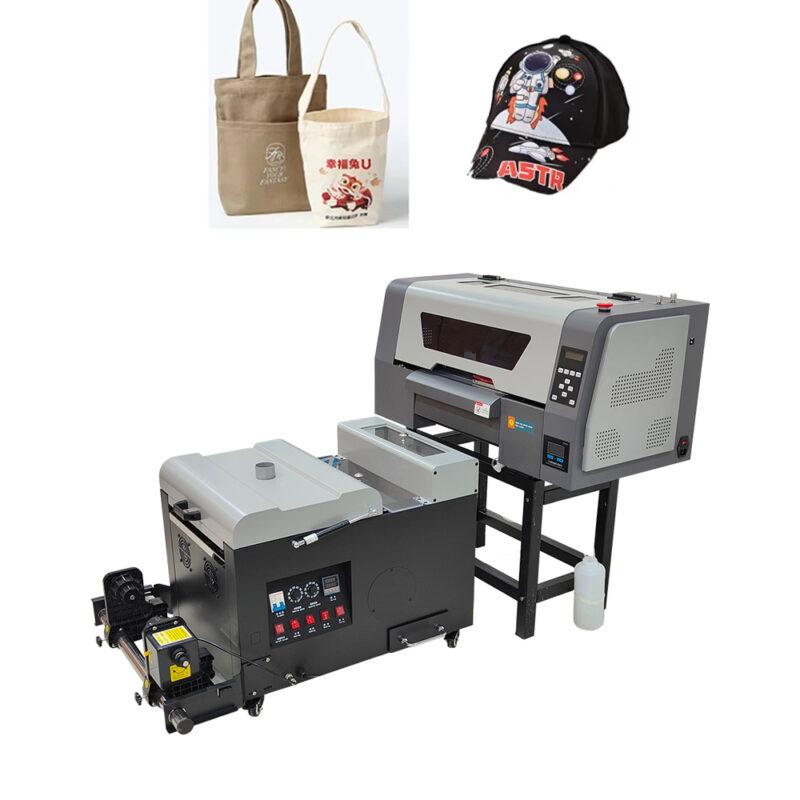
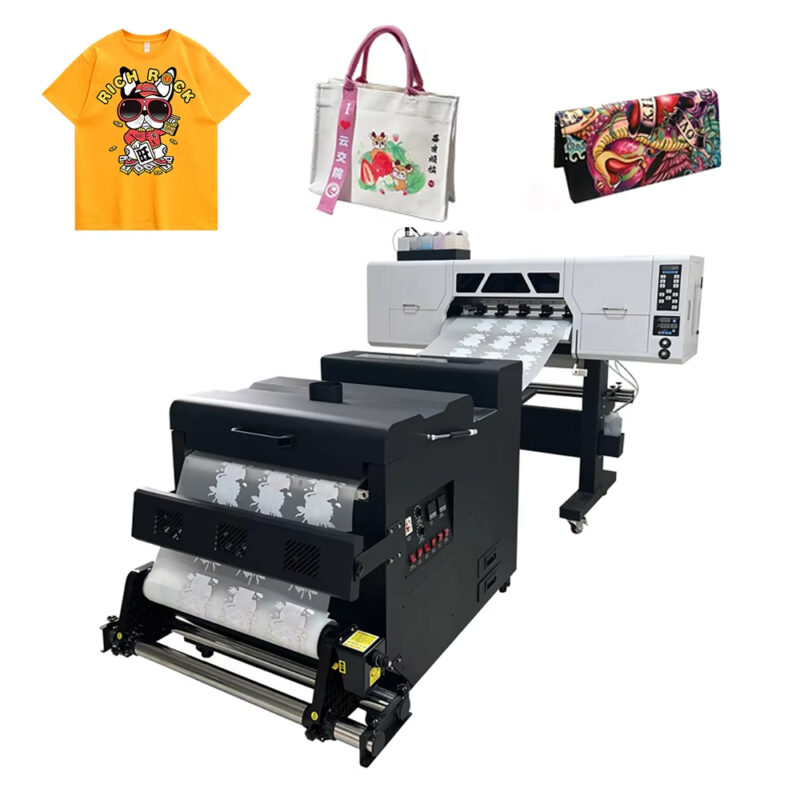
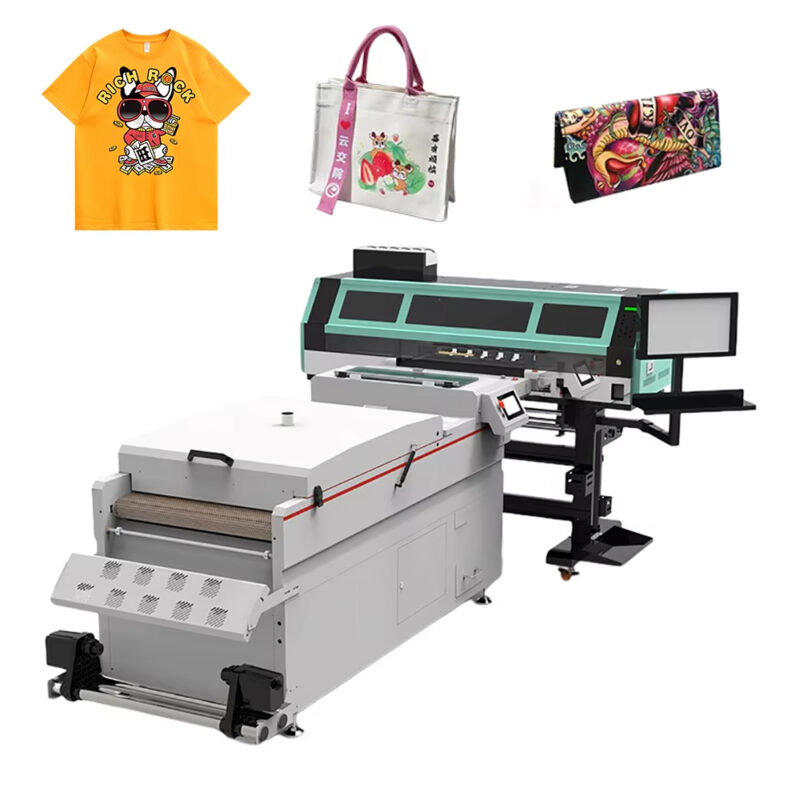
Direct-to-Film (DTF) printing is a digital transfer process that combines the best of both worlds: the detail of digital printing with the versatility of heat transfers. Unlike Direct-to-Garment (DTG), which prints directly onto the fabric, DTF involves printing a high-resolution design onto a special PET film using water-based inks.
A unique adhesive powder is then applied to the wet ink and melted. Once cured, this film can be heat-pressed onto virtually any surface, leaving behind a vibrant, durable, and elastic print.
The Business Case: Why Global Customers are Switching to DTF
- Print on Any Fabric, Expand Your Product Line
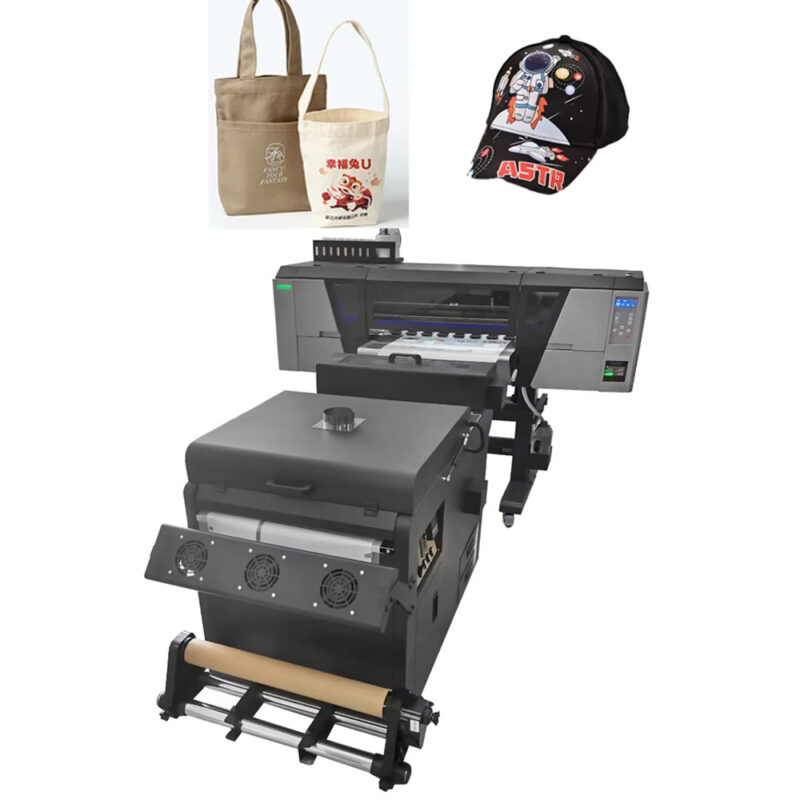
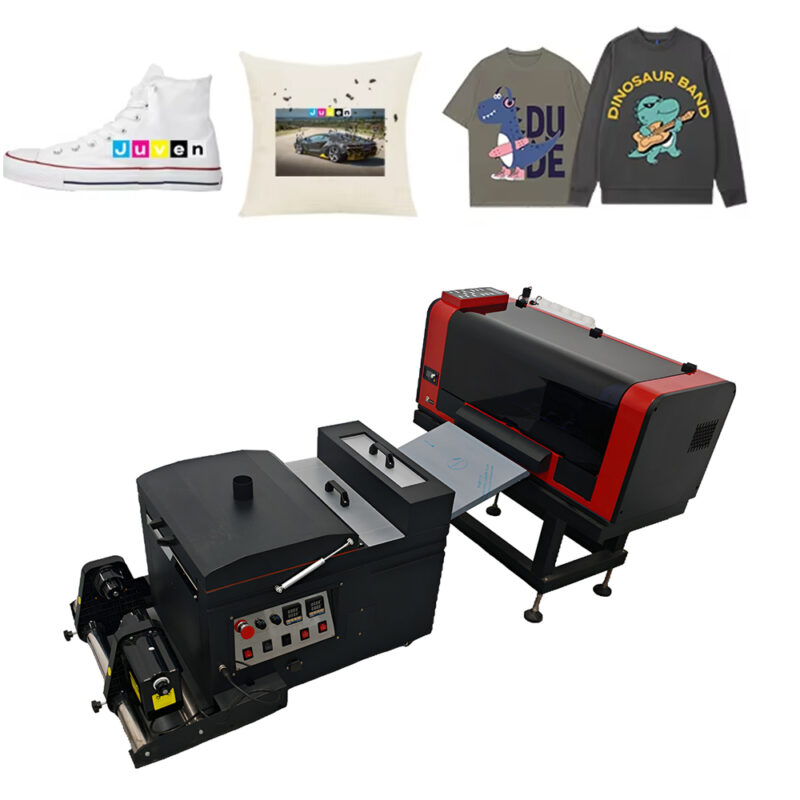
This is DTF’s most powerful advantage. DTG is largely limited to 100% cotton, while sublimation is confined to white polyester. DTF works seamlessly on cotton, polyester, blends, nylon, denim, leather, and even treated materials. You aren’t just limited to t-shirts; you can expand into bags, shoes, hats, and even accessories like mousepads and lanyards.
- Unmatched Detail and Color on All Colors
DTF prints are renowned for their vibrant colors, sharp details, and excellent opacity. It handles fine art, photos, gradients, and small text with ease—giving you “photo-quality” results. More importantly, DTF achieves this quality on both light and dark garments without the complex pre-treatment required by DTG.
- Lower Entry Cost & Flexible Production
Owning a DTG printer represents a significant investment. DTF systems are generally less expensive to set up, and the production time per garment is just a few minutes. This lower barrier to entry makes it ideal for small-to-medium enterprises (SMEs) and home-based businesses.
Market Trends Driving the Demand
Sustainability Meets Efficiency
Consumers and businesses are demanding sustainable practices. DTF supports this by enabling on-demand production, which can reduce waste by up to 40% compared to traditional bulk manufacturing. Furthermore, manufacturers are developing more eco-friendly water-based inks, biodegradable films, and non-toxic adhesive powders.
The Rise of Hybrid and Smart Automation
The future is hybrid. Many businesses are combining DTF with screen printing or DTG to create a “hybrid production floor” that routes jobs to the most efficient technology. Plus, advanced software is now automating color management and integrating with e-commerce platforms, bridging the skills gap and making high-quality production accessible to anyone.
Who is DTF For?
· E-commerce Entrepreneurs & POD Sellers: Print one-off, customized orders for customers without holding inventory.
· Small to Medium Print Shops: Expand your fabric capabilities and take on complex, full-color jobs with a low equipment investment.
· Sign Shops & Copy Centers: Add apparel to your offering easily. If you’ve worked with vinyl before, DTF is a natural, high-profit upgrade.
· Industrial Manufacturers: High-speed industrial DTF printers can handle the demands of large-scale fulfillment for the fashion, sportswear, and promotional products industries.
Conclusion: The Time to Invest is Now
The DTF printing market represents one of the most significant opportunities in the apparel industry today. Its unparalleled versatility, low startup costs, and ability to meet the modern demands for personalization and sustainability make it a game-changer.
By investing in DTF technology, you are not just buying a printer—you are buying the ability to say “yes” to almost any customer request, on almost any material, in almost any quantity. The technology is mature, the market is growing at an incredible pace, and the opportunity is yours for the taking.
