Direct-to-Garment Printing: The Future of Custom Apparel Is Here

The global apparel industry is undergoing a seismic shift. Consumers no longer want one-size-fits-all, mass-produced clothing. They demand personalization, sustainability, and speed. This is where Direct-to-Garment (DTG) printing comes into play, revolutionizing how custom T-shirts, hoodies, and other garments are produced.
If you are a business owner, entrepreneur, or brand looking to expand your offerings, understanding the power of DTG printing is no longer optional—it’s essential.
What is DTG Printing and Why Does It Matter?
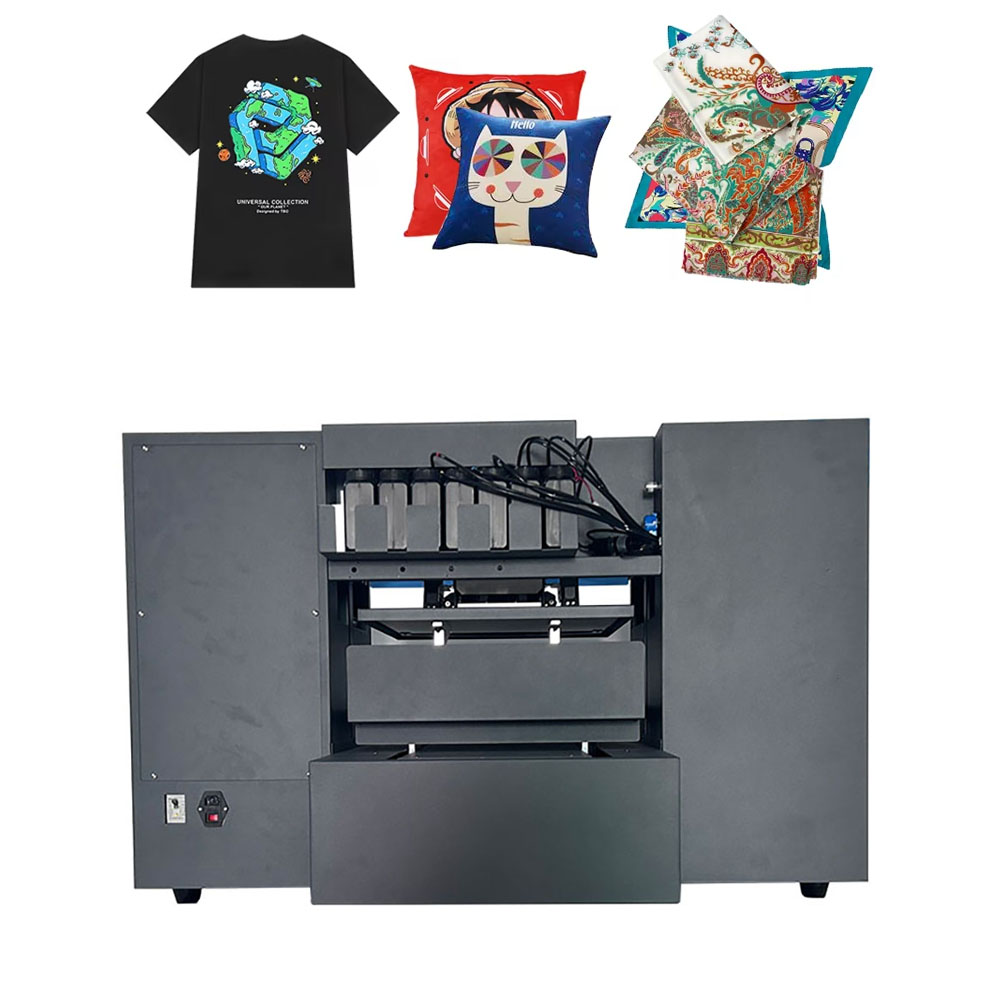
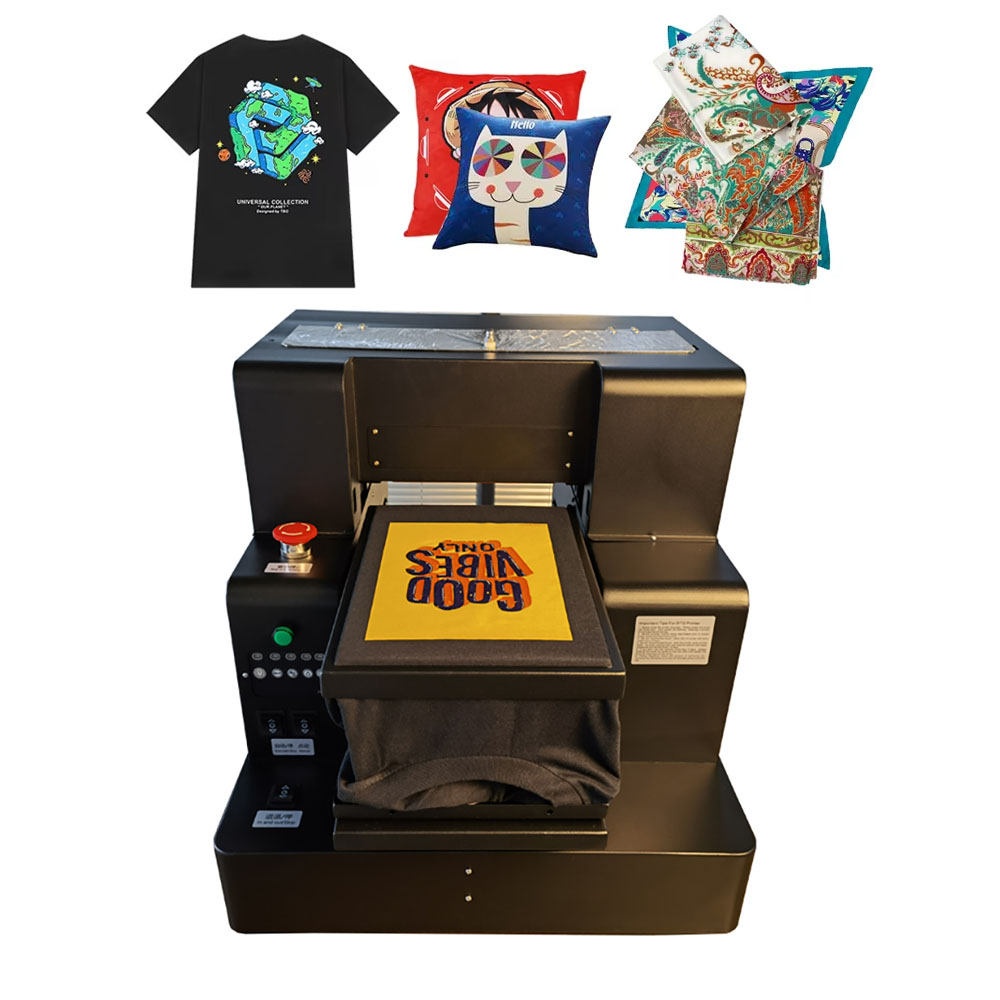
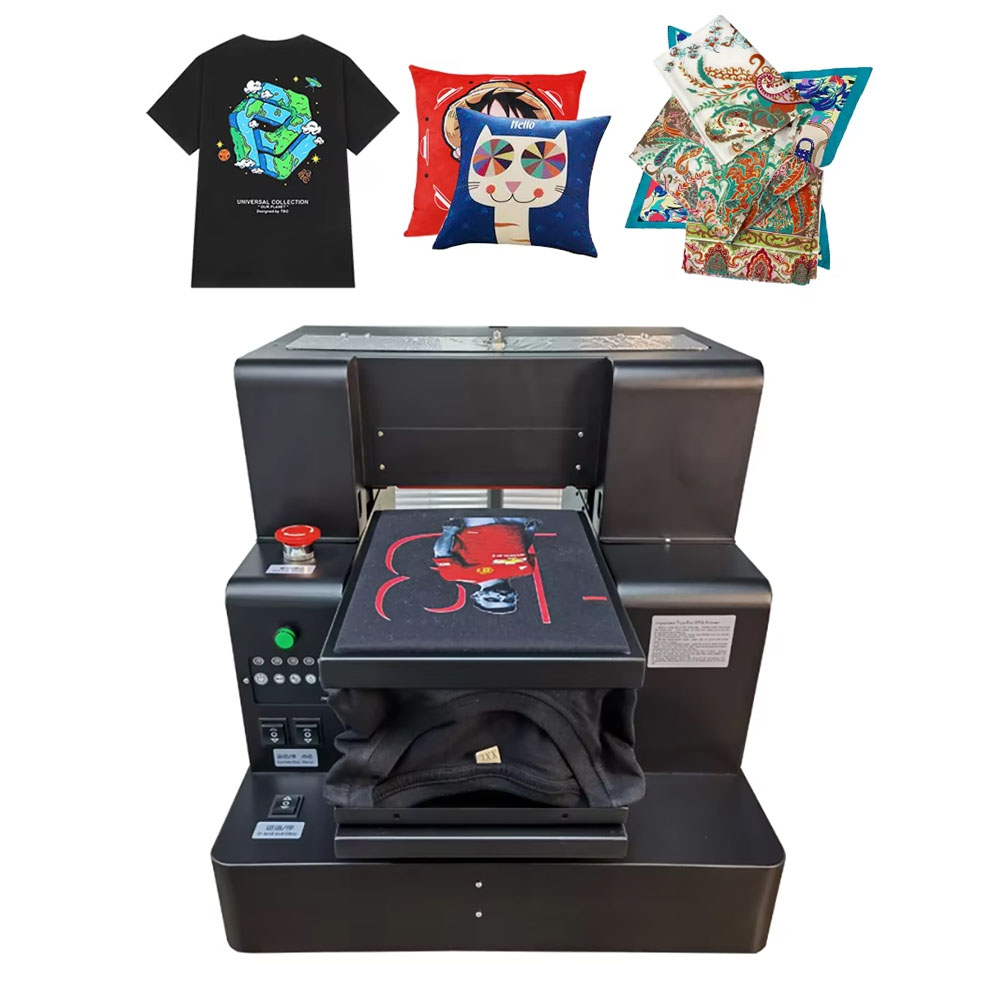
DTG printing is a digital method that uses specialized inkjet technology to apply water-based inks directly onto fabric . Think of it as a high-quality photo printer for your garments. Unlike traditional screen printing, which requires creating a physical stencil for each color, DTG prints directly from a digital file. This makes it incredibly efficient for:
· Short Runs & One-Offs: Print a single shirt economically, opening doors for customization and sample production without high setup costs .
· Complex Artwork: DTG excels at photographic imagery, smooth gradients, and fine details that are difficult or impossible to achieve with screen printing .
· On-Demand Production: Print only what you sell, eliminating inventory risk and waste—a huge step towards sustainable business practices .
The Global Opportunity: Why Customers Worldwide Are Choosing DTG
The DTG market is expanding rapidly, driven by changing consumer expectations and supply chain pressures . Here is why businesses globally are investing in this technology:
- Agility and Speed
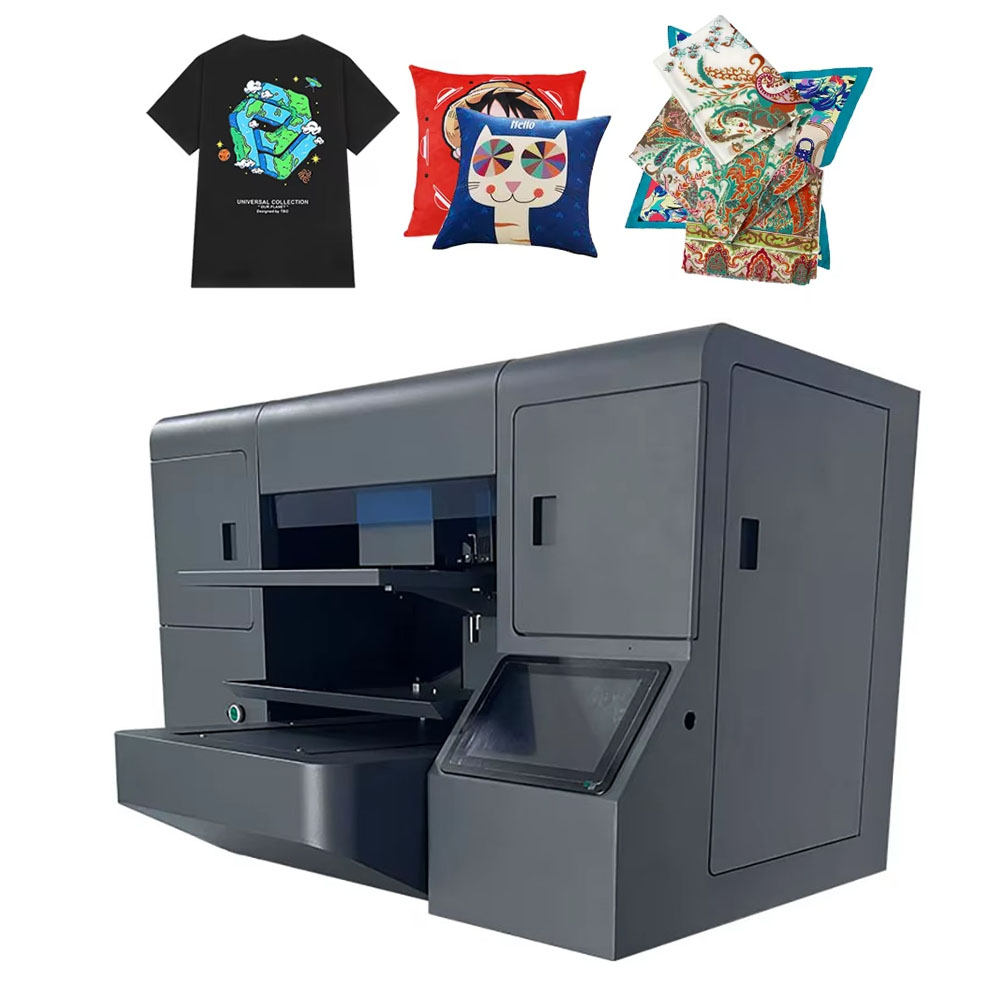
The days of bulk overseas production with months-long lead times are fading. DTG enables near-shore and on-shore manufacturing. Brands can react to trends in real-time, produce for seasonal demand, and get products to market in days, not months .
- Sustainability and Compliance
Environmental regulations are becoming stricter, and consumers are more eco-conscious. DTG supports sustainability by:
· Reducing Waste: Printing on-demand drastically cuts overproduction and unsold inventory .
· Using Water-Based Inks: Many DTG inks, like Kornit’s Eco Rapid, meet high environmental standards and are certified by OEKO-TEX, making them safe for adults, children, and babies .
- Unlocking Personalization at Scale
Personalization is no longer a niche—it’s a mainstay. DTG integrates seamlessly with eCommerce platforms, enabling automated workflows where a customer’s unique design is printed and shipped within hours . This capability is a game-changer for businesses looking to offer premium, customized products.
Choosing the Right DTG Machine for Your Business
The DTG landscape offers a range of solutions, from entry-level to industrial-grade. Here’s how to navigate the options:
For Startups and Small Businesses
If you’re just starting, the barrier to entry has never been lower.
· Epson SureColor F1070 Business Edition: A complete system designed for entrepreneurs and creators. This hybrid DTG/DTF printer includes everything needed to start printing on day one, with a focus on ease of use and reliability .
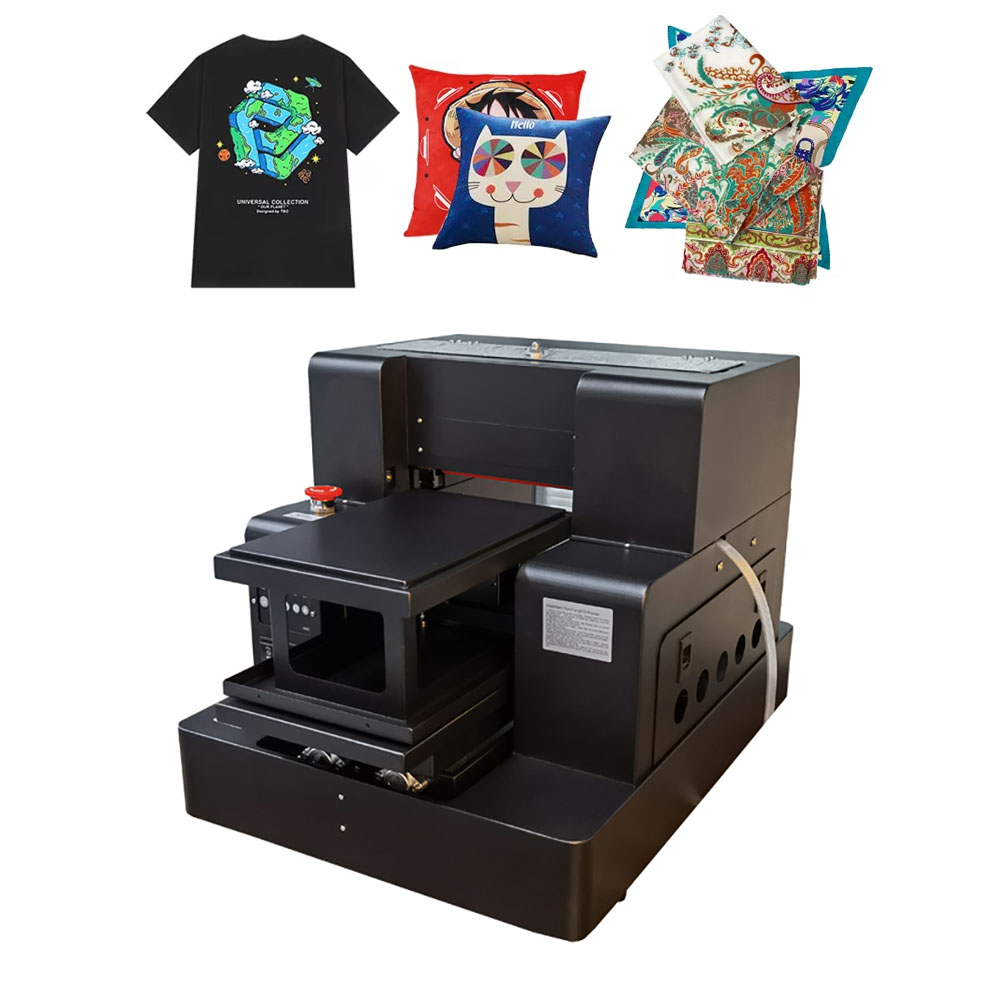
· Entry-Level Options: For budget-conscious startups, suppliers like Shenzhen Colorsun offer compact units starting from as low as $699, allowing businesses to test the waters without a massive upfront investment .
For Growing and High-Volume Operations
As demand grows, so should your capacity.
· Epson SureColor F2160: A step up in productivity, this machine can print a light T-shirt in as little as 15 seconds and a dark shirt in 52 seconds. It is designed for low-medium volume commercial production and offers enhanced reliability and reduced maintenance costs .
· Kornit Apollo: For large-scale industrial production, the Kornit Apollo is a fully automated high-speed system that can output up to 400 impressions per hour, cured and ready to ship . While it represents a significant investment, it offers an all-inclusive SaaS model (click-based pricing) to free up capital .
The Future is Hybrid: DTG and DTF
When researching, you will likely encounter Direct-to-Film (DTF) printing. While DTG is preferred for its soft hand-feel and breathability on natural fabrics (like cotton) , DTF offers incredible versatility for printing on polyester, nylon, and even hard surfaces .
The best part? You don’t have to choose. The industry is moving towards hybrid workflows where DTG and DTF complement each other . Many modern machines, like the Epson SureColor F1070, are now hybrids, offering both capabilities in one unit . This allows your business to take on virtually any printing request.
Conclusion: Seize the Opportunity
DTG printing is more than just a piece of equipment; it’s a business model transformation. It empowers you to be agile, sustainable, and customer-focused. Whether you are a startup launching a print-on-demand store or an established printer looking to modernize, there has never been a better time to invest in DTG technology.
Ready to revolutionize your apparel business?
Explore the range of DTG machines available today and find the perfect solution to meet your production needs. The future of fashion is on-demand, and DTG is the key to unlocking it.
