Print One or Print One Thousand – Why DTG Is the Smartest Way to Win in Custom Apparel

Subtitle: No minimum orders. No screen setup. No inventory risk. Just high-quality, on-demand printing on cotton and blends – from a single shirt to bulk orders.The Old Way Is Broken
You have a customer. They want custom shirts. But:
· Screen printing – “Sorry, minimum order is 50 pieces.”
· Heat transfer vinyl – “Sorry, complex designs with gradients won’t work.”
· Outsourcing – “Sorry, turnaround is 10–14 days.”
That customer walks away. That revenue walks away.
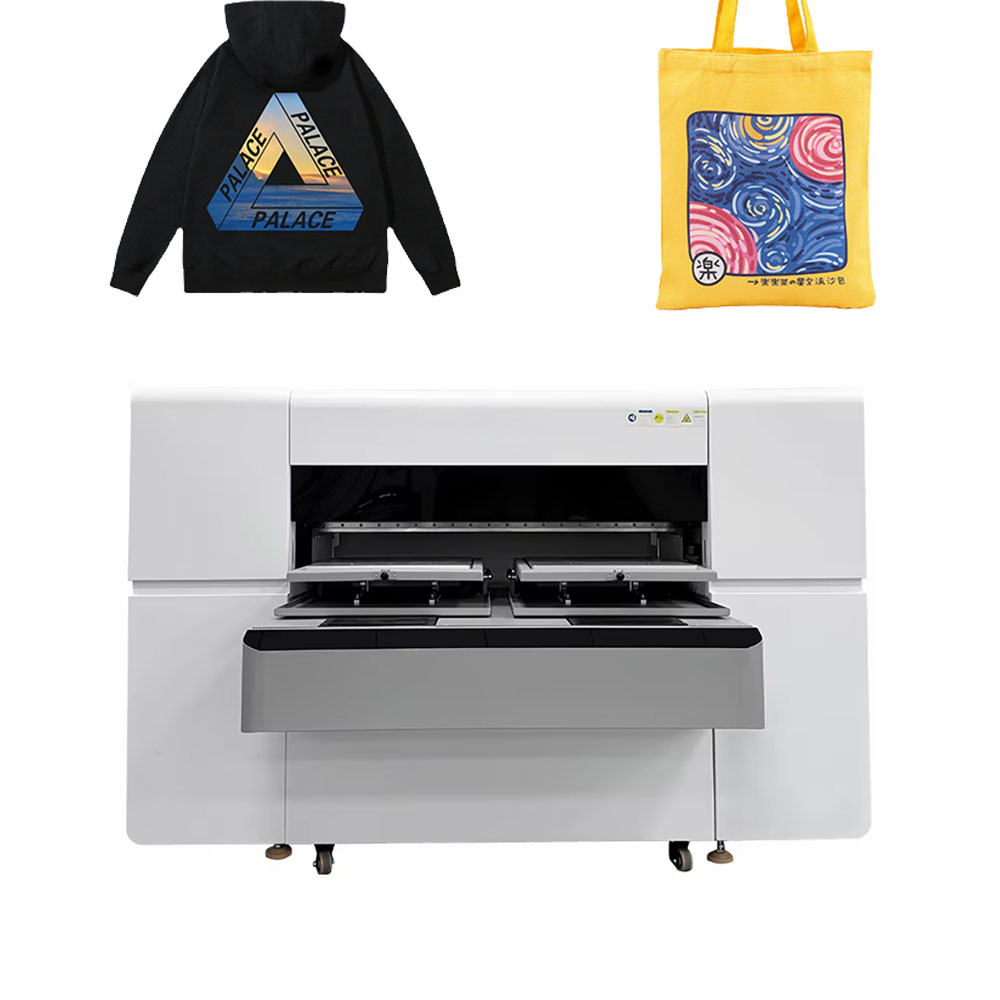
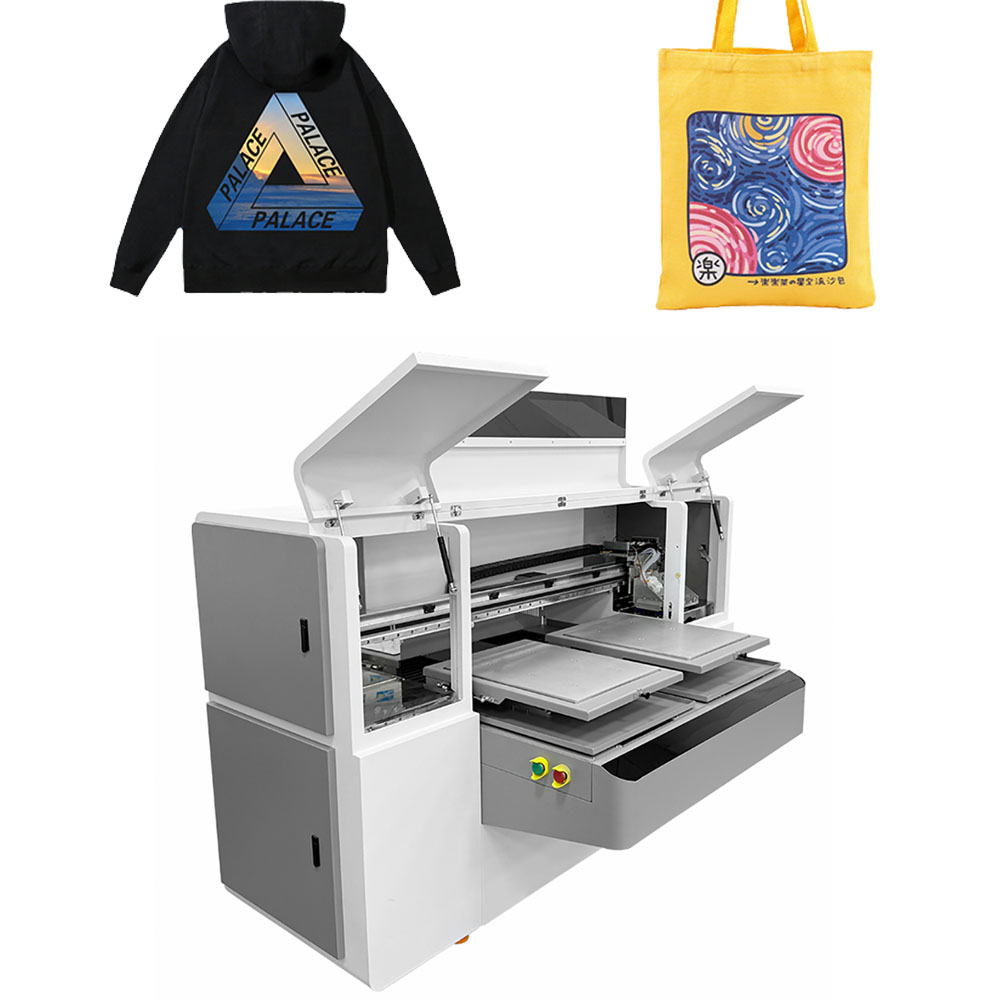
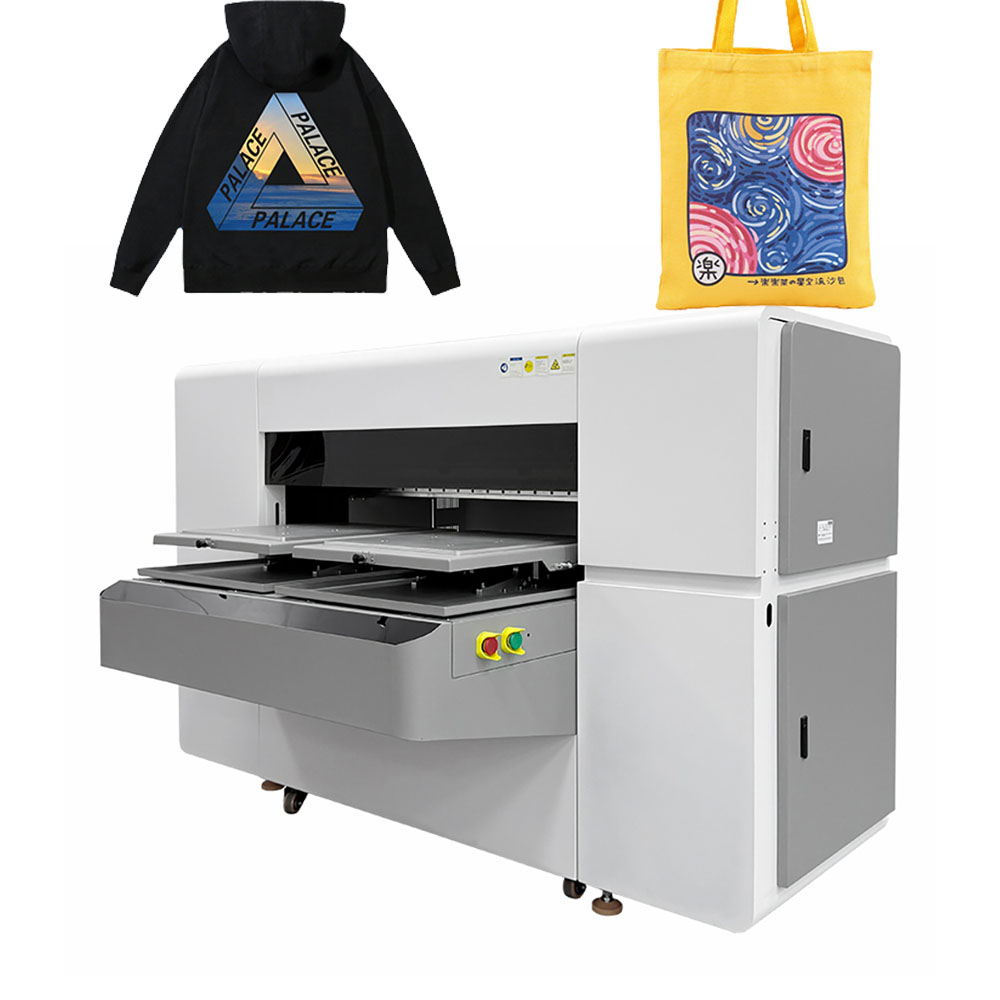
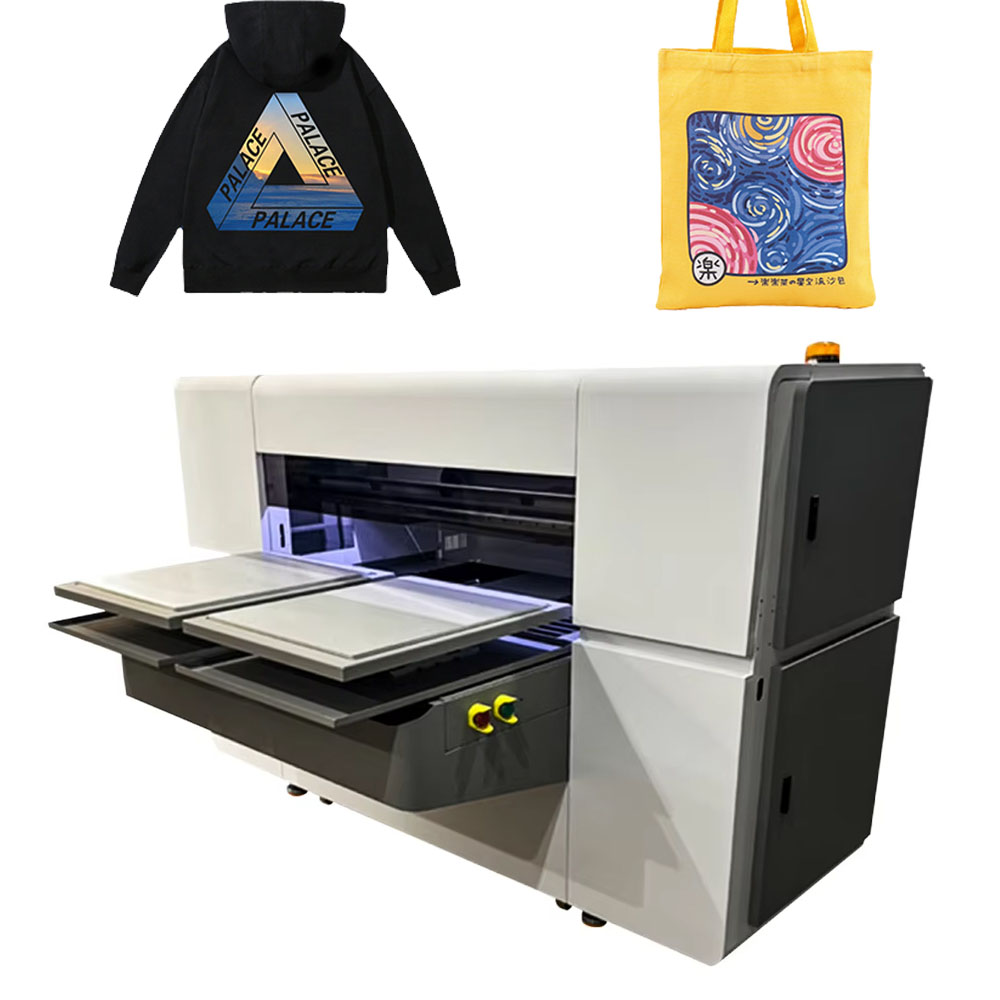
DTG (Direct-to-Garment) printing changes everything. It works like a paper printer – but for t-shirts. Load a shirt, press print, and a full-color design (photo, logo, gradient, fine text) prints directly onto the fabric.
No screens. No setup fees. No minimums. No inventory.
How DTG Works (Simple Enough for Anyone)
Step What Happens Time
1 Create or upload your design (PNG, JPEG, PDF) 1 min
2 Pretreat dark garments (spray clear liquid) 30 sec
3 Load shirt onto printer platen 30 sec
4 Press print – printer injects water-based ink into fabric 1–3 min
5 Heat press to cure (lock in the ink) 30–60 sec
6 Done – ready to wear, wash, and sell –
From file to finished shirt: 3–5 minutes.
Why Global Entrepreneurs Choose DTG
- Zero Minimums = Zero Lost Sales
With DTG, every order is profitable:
Order Size Screen Printing DTG
1 shirt ❌ Refuse or charge $50 setup ✅ Print at $4–6 cost
10 shirts, 5 designs each ❌ 5 setups = $250+ fees ✅ Change designs instantly
Mixed sizes/colors ⚠️ Complicated ✅ Print each shirt individually
You never turn away small orders again. And small customers become big customers.
- No Inventory Risk – Print on Demand
Traditional business:
- Print 500 shirts
- Hope they sell
- Store unsold inventory for months
- Discount or discard
DTG model:
- Customer orders
- You print
- You ship
- Zero inventory
- Zero waste
Print what sells. Sell what you print. Never guess again.
- Photographic Quality That Sells
Feature DTG Screen Printing Heat Transfer Vinyl
Photographs Excellent Poor Impossible
Gradients Smooth Banded Banded
Fine text (4pt) Sharp Blurry Cut limits
Multiple colors Unlimited Each color = screen Each color = cut
Setup time 1 minute 30–90 minutes 10–20 minutes
Minimum order 1 piece 12–50+ pieces 1 piece
Customers see the quality. Customers pay premium prices.
- Eco-Friendly = Competitive Advantage
Water-based DTG inks are:
· VOC-free – No toxic fumes
· Vegan – No animal products
· Soft hand feel – Ink bonds inside fibers
· 95% less water waste than traditional dyeing
Market this. Parents pay 30–50% more for baby onesies printed with non-toxic inks.
- Low Barrier to Entry
Level Investment Daily Output Space
Entry $3,000–6,000 20–40 shirts Home/garage
Professional $8,000–15,000 50–100 shirts Small shop
Industrial $15,000–30,000 150–300+ shirts Production facility
Start small. Scale as you grow.
What You Can Print (and Sell)
Product Material Selling Price (USD) Your Cost
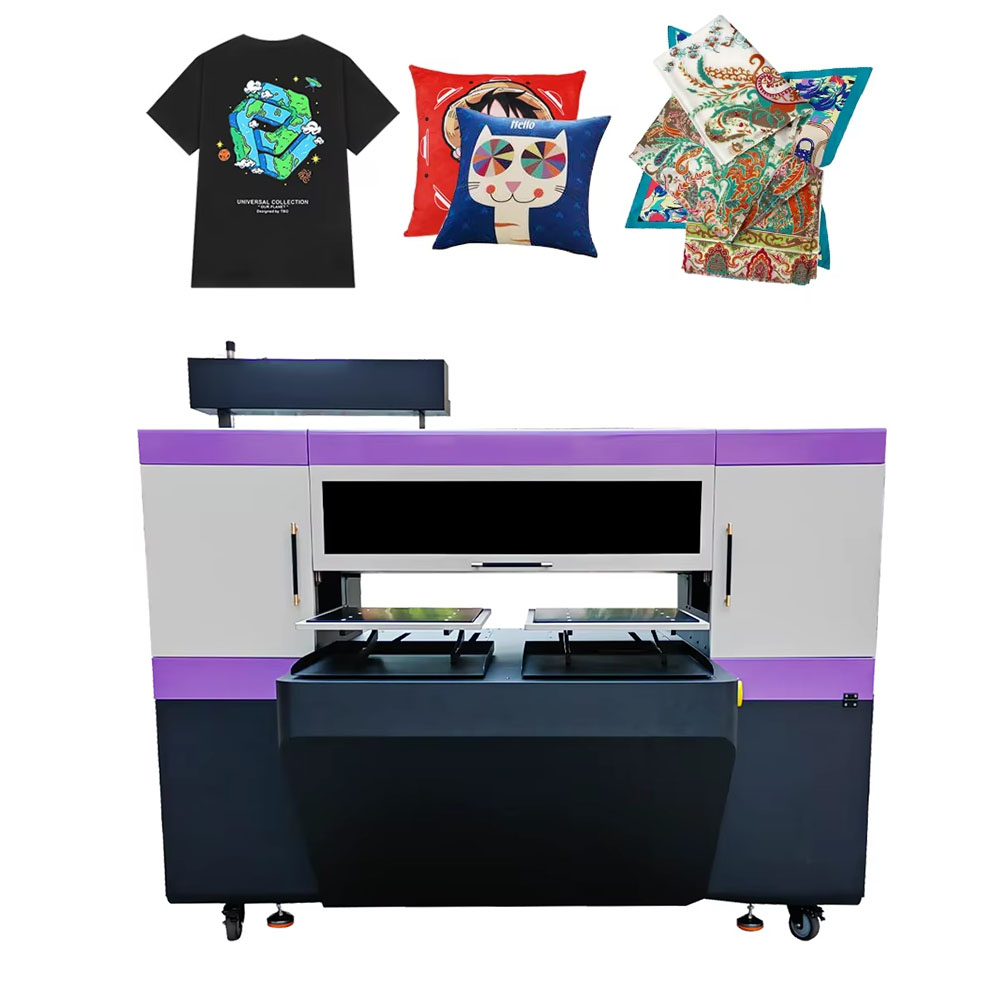
T-shirts 100% cotton $15–30 $3–6
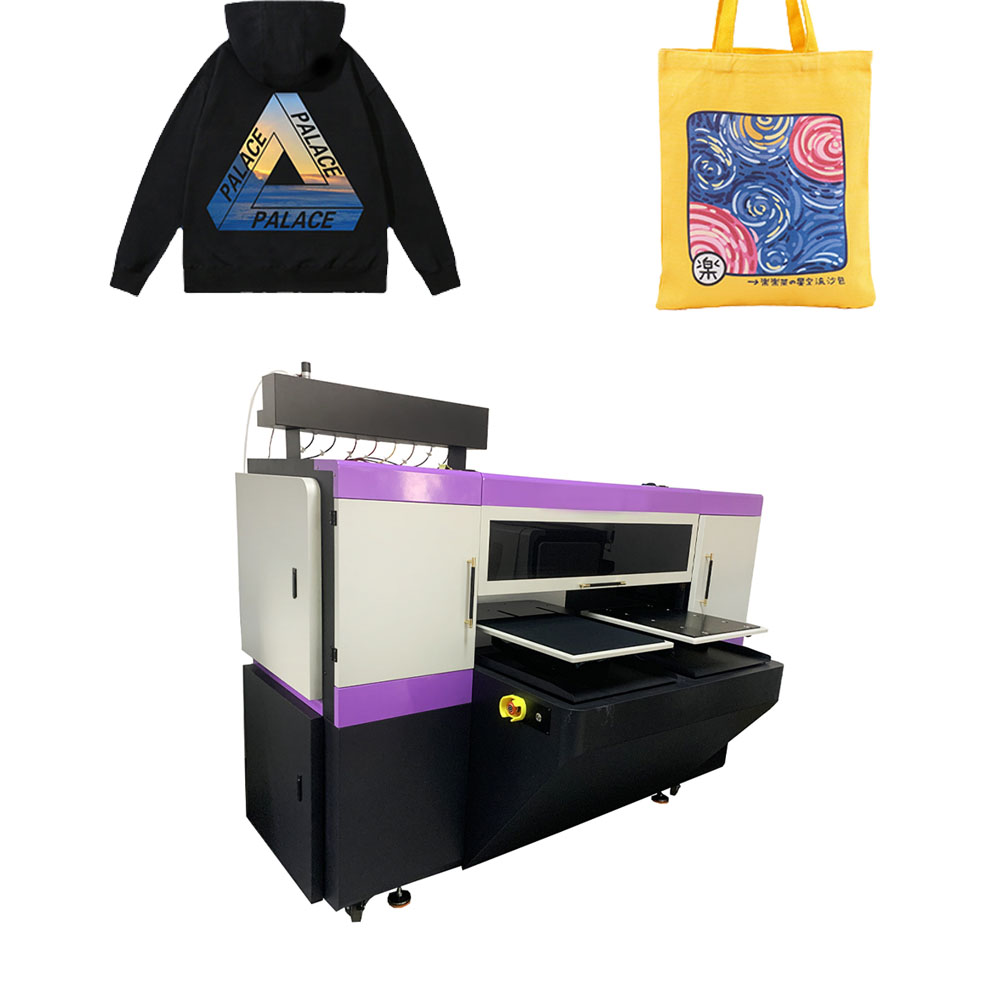
Hoodies Cotton/poly blends $35–60 $8–15
Tote bags Canvas $10–20 $2–4
Baby onesies 100% cotton $12–25 $2–4
Polo shirts Cotton pique $20–40 $5–10
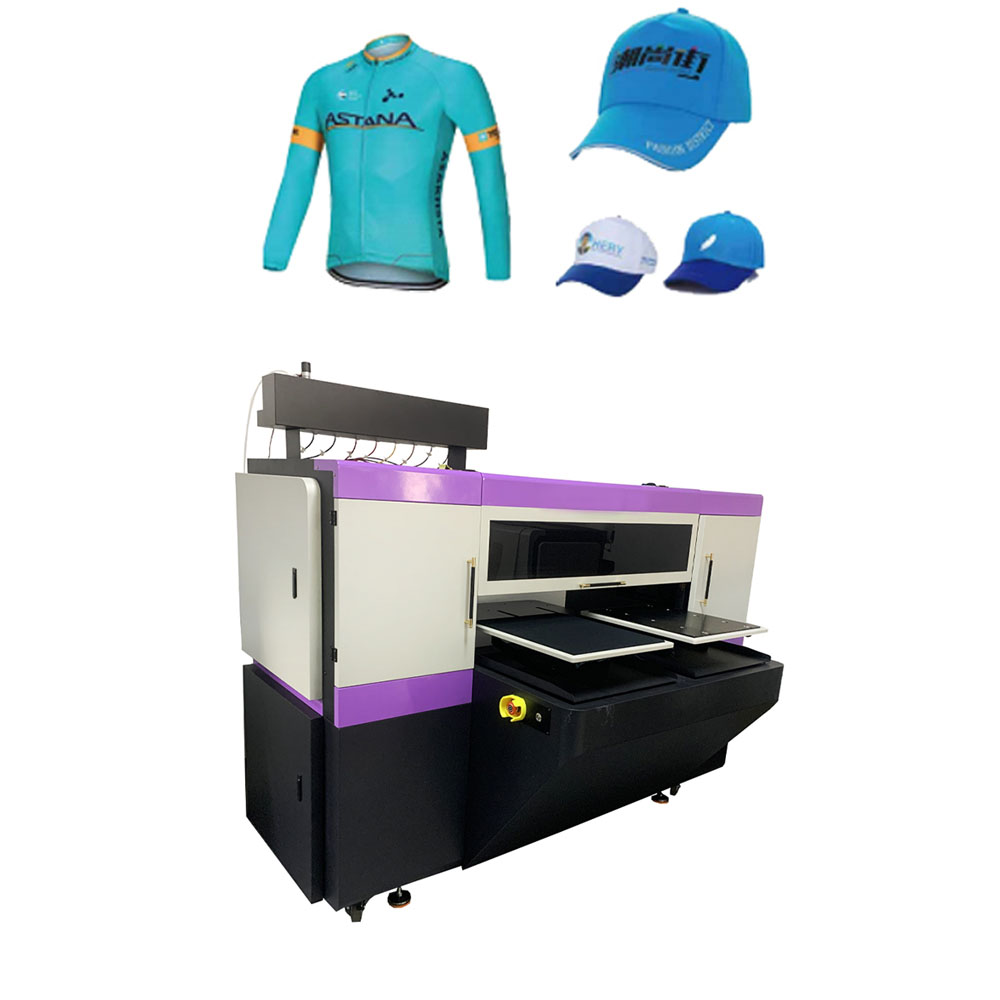
Caps Cotton twill $10–20 $2–4
Aprons Cotton canvas $15–30 $4–8
One machine = unlimited products.
Key Features to Compare
Feature Entry DTG Professional DTG Why It Matters
Print area A4 (8.5″x11″) A3+ (13″x19″) Larger = hoodies, bigger designs
Speed (dark shirt) 20–30/hr 40–60/hr More shirts = more revenue
White ink circulation ❌ Optional ✅ Yes Prevents clogs – non-negotiable
Pretreatment Manual spray Built-in/automated Saves labor, consistent
Ink cost per shirt $0.80–1.50 $0.40–0.80 Higher margin
Non-negotiable: White ink circulation. Without it, printheads clog daily. Never buy a DTG printer without this feature.
Real-World Success Stories
Case Study: Manila, Philippines – Online Seller
· Before: Outsourced shirts. $12 cost, sold at $20.
· After: Entry DTG ($5k). $4 cost, sold at $20.
· Result: Profit $16 vs $8. ROI in 3 months. Now 200+ shirts monthly.
Case Study: Texas, USA – Print Shop Owner
· Before: Screen printing only. Rejected orders under 24 pieces.
· After: Added professional DTG.
· Result: $4,000/month new revenue. Small customers now order large runs.
Case Study: London, UK – Baby Apparel Brand
· Before: Outsourced – couldn’t guarantee non-toxic inks.
· After: DTG in-house. “Baby-safe” became #1 marketing message.
· Result: Sales doubled in 6 months. Parents pay premium prices.
Case Study: Nairobi, Kenya – Event Merchandiser
· Before: Turned away small events.
· After: Mobile DTG setup. Prints on-site at events.
· Result: Premium pricing ($25–35). Booked every weekend.
Overcoming Hesitations
“I heard DTG is slow.”
Entry: 20–30 dark shirts/hour. Professional: 60+ dark shirts/hour. Most small shops print 50–100 shirts per day – not per hour. Speed only matters at scale. Start entry, upgrade when you grow.
“What about polyester?”
DTG works best on 100% cotton or 70%+ cotton blends. For polyester (jerseys, sportswear), add a DTF printer or outsource.
“Pretreatment seems complicated.”
Method Cost Consistency
Manual spray bottle $20 Variable
Electric spray gun $100–200 Good
Automated machine $1k–3k Excellent
Start manual. Add automation after 500+ shirts/month.
“What about maintenance?”
· Daily: Printhead cleaning + nozzle check (2–3 minutes)
· Weekly: Wiper blade change (5 minutes)
· Monthly: Ink line flush (15 minutes)
With white ink circulation, clogs are rare.
“Can I compete with big shops?”
You don’t compete on price. You compete on:
Your Advantage Big Shop Weakness
Speed – Print today, ship today 5–10 day turnaround
No minimums – 1 shirt welcome Reject under 24–50 pieces
Personal service – Customer talks to YOU Call center
Local – Same-city pickup Remote only
Small customers become big customers. Start with one shirt. Grow to one thousand.
Your 5-Step DTG Launch Plan
Step 1 – Choose Your Entry Point
Budget Recommendation Daily Capacity
$3k–5k Desktop DTG – test the market 20–30 shirts
$5k–8k Entry professional (refurbished) 30–50 shirts
$8k–15k New professional 50–100 shirts
$15k–30k Dual-head production 150–300 shirts
Step 2 – Master Pretreatment
Buy 20 cheap dark shirts. Practice spraying and pressing until results are consistent. This is where beginners fail – master it before taking paid orders.
Step 3 – Stock Basic Blanks
Brand Model Material Price
Gildan 5000 Heavy cotton $2–3
Bella+Canvas 3001 Ringspun cotton $3–5
Add hoodies, tote bags, and baby onesies after 3 months.
Step 4 – Price for Profit
Formula: (Blank + pretreatment + ink + labor + shipping) × 2.5 to 3.5 = Selling price
Example – Dark Gildan 5000:
· Blank: $3.00
· Pretreatment: $0.50
· Ink: $0.80
· Labor: $1.00
· Shipping: $4.00
· Total: $9.30
· Sell at $25 → Profit $15.70 (63% margin)
Step 5 – Find Your First Customers
Customer Type Typical Order
Etsy/Shopify sellers 5–50 shirts/week
Local sports teams 15–30 shirts
Birthday parties 10–20 shirts
Small businesses 5–15 shirts
Schools/PTOs 20–100 shirts
Wedding parties 6–20 shirts
The Bottom Line
DTG printing has matured. The technology is reliable. The costs are accessible. The market is growing (custom apparel is a $10+ billion industry).
· No more rejecting small orders
· No more guessing what will sell
· No more storing unsold inventory
· No more toxic chemicals
· No more outsourcing your profits
Just print what sells, when it sells.
Whether you are in a garage in Texas, a flat in London, a shop in Manila, or a market stall in Nairobi – DTG is your gateway to the custom apparel business.
Start with one shirt. Grow to one thousand. Never say “minimum order” again.
Ready to start your DTG journey?
[Request a live DTG demo] – Watch us print a photo on a dark shirt in real time
[Download the DTG Profitability Calculator] – See your ROI in minutes
[Send us your design] – We’ll print and ship a sample to your door
[Compare DTG vs. DTF vs. Screen] – Which technology fits your business?
[Take the 2-minute printer quiz] – Get a personalized recommendation
